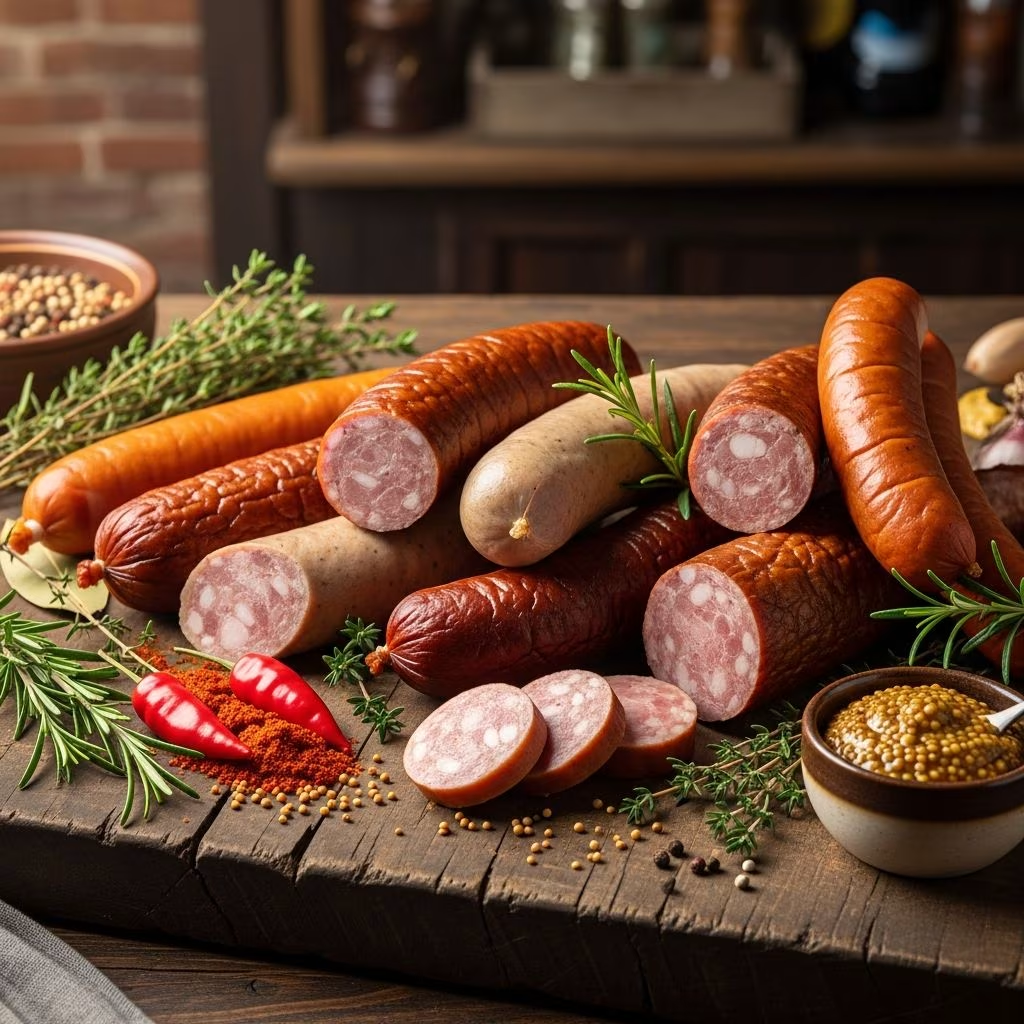
Central Europe has cultivated a remarkable culinary heritage centered around the art of sausage-making. From bustling beer halls in Munich to markets across Poland and beyond, sausages represent far more than mere sustenance—they embody centuries of tradition, regional pride, and meticulous craftsmanship. Germany alone boasts approximately 1,500 varieties of sausages, each with distinct preparation methods, flavor profiles, and cultural significance. This comprehensive exploration reveals the complexity and diversity of these beloved meat products.
The Foundation of German Sausage Classification
German sausage-making follows a sophisticated classification system that distinguishes between three primary categories based on preparation technique rather than ingredients alone. This systematic approach ensures consistency while allowing regional variations to flourish. Understanding these categories provides essential context for appreciating the nuances of individual sausage types.
Kochwurst (Cooked Sausages) represent the largest category with over 350 documented varieties. These sausages are prepared by cooking meat, organs, and seasonings together, then stuffing the mixture into casings. The cooking process occurs before the product reaches consumers, making these sausages ready-to-eat or requiring minimal preparation.
Brühwurst (Scalded Sausages) dominate the German sausage landscape with more than 800 recognized types. These sausages begin with raw ingredients including pork or beef, bacon, and finely crushed ice, which are meticulously minced and combined with salt, pepper, and aromatic spices such as coriander, paprika, nutmeg, ginger, and cardamom. The defining characteristic involves scalding the prepared sausages in hot water or steam, which gives this category its distinctive name. The scalding process develops the characteristic texture and flavor while ensuring food safety.
Rohwurst (Raw Sausages) constitute the smallest category with approximately 60 varieties. These sausages contain raw meat and rely on curing and smoking processes rather than heat to develop their final form. Raw sausages often feature a firmer texture and more concentrated flavors compared to their scalded counterparts.
Iconic German Sausage Varieties
Bratwurst: The Quintessential German Sausage
Bratwurst stands as one of the two most celebrated sausages in German cuisine, second only to the Frankfurter Würstchen in terms of international recognition. This thick, juicy grilling sausage typically features a pork base, though regional variations incorporate veal or beef. The distinctive appeal of bratwurst lies in its ability to maintain moisture and flavor during cooking while developing an appealing crust when grilled.
The recipe for authentic bratwurst varies significantly across German regions, resulting in over 40 documented varieties. What remains consistent is the commitment to quality ingredients and balanced seasoning. Bratwurst traditionally arrives served in warm, crusty rolls with mustard and sauerkraut. In contemporary cuisine, innovative preparations such as Currywurst—bratwurst chopped and coated with curry ketchup—have gained considerable popularity, particularly in Berlin and other urban centers.
Weißwurst: Munich’s Pale Treasure
Weißwurst represents the most distinctive sausage of Bavaria and enjoys particular prominence in Munich. This short, thick sausage maintains its characteristic pale color through careful ingredient selection and preparation methods. Traditional recipes combine calf’s meat, pork back fat, beaten egg whites, and cooking salt. Regional variations may incorporate parsley, pepper, or lemon powder according to individual butcher preferences.
Preparation differs markedly from other German sausages. Rather than grilling, Weißwurst is boiled gently and served warm with sweet mustard, pretzels, and wheat beer. This pairing reflects deep cultural traditions in Bavarian beer halls, where Weißwurst consumption reaches its cultural apex. Each butcher shop maintains proprietary recipes, resulting in subtle variations that locals can readily distinguish.
Gelbwurst: The Bavarian Yellow Specialty
Gelbwurst derives its name from the distinctive yellow-orange casing that characterizes this Bavarian specialty. Traditional preparation methods call for pork and veal combined with warming spices including ginger, nutmeg, and regional proprietary blends. Some modern variations incorporate parsley for enhanced herbaceous character.
The pale interior contrasts sharply with the colored exterior, creating visual appeal. Gelbwurst functions as a versatile cold cut suitable for slicing and serving on hearty whole grain or rye bread. Traditional consumption involves pairing with radishes and Bavarian pretzels, creating a distinctive regional preparation that reflects Bavarian agricultural heritage.
Blutwurst: Germany’s Blood Sausage Tradition
Blutwurst, or blood sausage, represents one of the oldest and most challenging sausage varieties for uninitiated consumers. This cooked sausage typically incorporates pork meat, pork rind, congealed pork blood, and various fillers such as fat, barley, oatmeal, or cornmeal. The resulting sausage develops a deep burgundy to black color that visually distinguishes it from other varieties.
After smoking, Blutwurst achieves a ready-to-eat state with a texture and appearance similar to pepperoni. Regional variations exist throughout Germany, with each area developing distinctive preparations reflecting local tastes and available ingredients. Traditional service involves slicing and serving cold with bread and pickles as a light meal or appetizer. In Cologne, the renowned dish “Himmel und Erde” features hot Blutwurst alongside sweet apple sauce and mashed potatoes, creating a distinctive sweet-savory flavor combination.
Leberwurst: The Creamy Liver Specialty
Leberwurst, or liver sausage, achieves popularity throughout Germany with considerable regional variation in preparation. Pork serves as the primary meat component, though beef, veal, or poultry frequently appear in regional variations. The mixture achieves a relatively creamy consistency resembling French pâté, making it suitable for spreading atop bread or crackers.
Regional varieties of Leberwurst include Berlin-style, Kasseler-style, Braunschweiger, and Oldenburger preparations, each reflecting local traditions and available ingredients. The versatility of Leberwurst as both a spreadable product and sliced cold cut contributes to its sustained popularity across diverse consumer preferences.
Knackwurst: Northern Germany’s Crisp Contribution
Knackwurst emerged in Northern Germany during the mid-16th century as a short, stubby, plump sausage that delivers distinctive textural qualities. The parboiled preparation typically features ground beef or beef-pork combinations seasoned generously with garlic. The name “knackwurst” derives from the satisfying crackling sound the casing produces when bitten into fresh, cold product.
Regional variations flourish, with Austrian Salzburger Knackwurst incorporating bacon and potato starch for distinctive character. Hamburg-style preparations involve scalding and traditional service with mustard and white bread. The taste and consistency resemble bologna, supporting use as a sliced cold cut on bread or as a pan-fried meal component.
Bauernwurst: The Farmer’s Bold Creation
Bauernwurst, or Farmer’s Sausage, represents a traditionally prepared German favorite constructed from coarsely ground, smoked pork and beef meat seasoned with onion, garlic, marjoram, and mustard seeds. The bold flavor profile establishes Bauernwurst as a spicier, stronger-flavored cousin to bratwurst, appealing to consumers seeking more assertive taste experiences.
Excellent for grilling and frying applications, Bauernwurst pairs effectively with medium-hot mustard or mild curry ketchup alongside sauerkraut or green cabbage. The robust character of this sausage complements hearty traditional side dishes and appeals to consumers preferring pronounced savory intensity.
Teewurst: The Spreadable Fresh Alternative
Teewurst belongs to the family of spreadable fresh sausages, constructed from very finely ground pork meat with elevated fat content that enables spreading capability. The most recognized variety follows a traditional Brunswick recipe known as Streichmettwurst nach Braunschweiger Art. Related varieties include Pfeffersäckche (literally “little pepper sacks”) and onion-flavored minced pork sausage variations.
The higher fat content distinguishes Teewurst from firmer sausage counterparts, creating the spreadable consistency that defines the category. This characteristic supports consumption on bread, crackers, or pretzels, making Teewurst a casual social food suited to leisurely consumption alongside beverages.
Understanding Sausage Preparation Techniques
The distinction between German sausage types reflects fundamental differences in preparation methodology rather than ingredient selection alone. Understanding these technical approaches illuminates why sausages within each category share characteristic qualities despite infinite regional variations.
Brühwurst production begins with combining raw meat with crushed ice, salt, pepper, and aromatic seasonings. The ice serves a critical function in maintaining low temperatures during the grinding and mixing process, preventing fat oxidation and ensuring consistent emulsification. After thorough mixing, the prepared meat fills casings, which then undergo scalding in hot water or steam. This cooking method preserves moisture content while developing the smooth, springy texture characteristic of Brühwurst varieties.
Kochwurst preparation differs by incorporating pre-cooked ingredients or cooking the filled casings directly. This method accommodates organ meats, blood, and grain fillers that require thorough cooking before consumption. The resulting sausages achieve longer shelf stability compared to some Brühwurst varieties.
Rohwurst production eliminates the cooking step entirely, instead relying on curing salts, smoking, and time to develop flavors and preserve the product. This ancient technique creates concentrated flavor profiles and firm textures suited to slicing.
Regional and Cultural Significance
German sausage culture extends far beyond simple food consumption to encompass regional pride, family traditions, and community identity. Specific sausages become synonymous with particular cities and regions, with Bavarian communities fiercely defending their Weißwurst traditions and Northern German areas championing their Knackwurst preparations. This geographic specificity reflects diverse local ingredients, water chemistry affecting fermentation processes, and generational recipe refinement.
Butcher shops throughout Germany maintain family recipes passed through generations, with each establishment developing a devoted clientele appreciating their distinctive preparations. The tradition of butchers offering children slices of yellow sausage reflects deeply ingrained cultural customs celebrating traditional food production and community connection.
Serving Traditions and Culinary Applications
German sausage consumption traditions reflect distinct serving contexts and accompaniments that enhance specific varieties. Grilling occasions call for robust sausages like bratwurst and Bauernwurst, typically served in crusty rolls with mustard and vegetable accompaniments. Formal dining settings might feature Leberwurst and Gelbwurst as refined appetizers with bread and pickled vegetables. Casual social occasions support spreadable varieties like Teewurst, encouraging relaxed consumption.
The pairing of specific sausages with beverages reflects centuries of refinement. Weißwurst traditionally accompanies wheat beer, while darker varieties complement darker lagers. These beverage pairings enhance flavor complexity through careful balance of fat, salt, and aromatics present in both sausage and beer.
Nutritional Composition and Contemporary Perspectives
German sausages typically feature balanced ratios of fat to lean meat, contributing to consistent texture and moisture retention during cooking. The fat content, while substantial by contemporary standards, enables the characteristic juiciness and flavor development that defines quality sausage production. Organ meats and blood incorporated into certain varieties provide nutritional density including iron and B vitamins, reflecting historical approaches to whole-animal utilization.
Modern consumers increasingly seek information regarding ingredient sourcing, production methods, and nutritional composition. Traditional producers maintain commitment to meat-based preparation without excessive fillers or additives, though mass-market products sometimes incorporate extended ingredients.
Frequently Asked Questions
What distinguishes bratwurst from other German sausages?
Bratwurst features a thick, juicy profile typically constructed from pork, veal, or beef with regional recipe variations exceeding 40 documented types. The sausage develops an appealing crust when grilled while maintaining internal moisture, supporting both traditional and contemporary preparations.
How should Weißwurst be properly prepared and served?
Weißwurst undergoes gentle boiling rather than grilling, followed by service with sweet mustard, pretzels, and wheat beer. This preparation method reflects centuries of Bavarian tradition and differs markedly from other German sausage preparation techniques.
Why does Blutwurst challenge some consumers?
Blutwurst’s construction from congealed pork blood and organ meats creates both distinctive flavor and psychological barriers for consumers unfamiliar with traditional European whole-animal utilization practices. Regional variations exist throughout Germany.
What makes spreadable sausages different from other varieties?
Spreadable varieties like Teewurst feature elevated fat content that enables spreading capability, distinguishing them from firmer sausage counterparts. The construction from finely ground pork meat creates smooth consistency suitable for bread and cracker consumption.
Are regional sausage varieties significantly different in flavor?
Regional variations reflect distinctive local ingredients, spice preferences, and preparation traditions. Each butcher shop maintains proprietary recipes, creating subtle variations that local communities readily distinguish and appreciate.
Exploring Beyond Borders: Central European Sausage Heritage
While German sausage traditions dominate Central European meat culture, neighboring regions including Austria, Poland, and Czech areas maintain distinctive preparations that both reflect and diverge from German methodology. These neighboring countries developed independent sausage traditions through geographic isolation, distinct spice access, and cultural preferences, creating a richly diverse sausage landscape throughout Central Europe.
The complexity and diversity of Central European sausage production reflects centuries of culinary refinement, cultural pride, and commitment to traditional preparation methods. Understanding these distinctions enhances appreciation for both specific regional products and the broader cultural heritage they represent.
References
- A guide to different types of sausages – Simply Munich — Munich Tourism Board. 2024. https://www.munich.travel/en/topics/eat-drink/sausages-orientation-guide
- Our Best “Wurst” Assortment: 33 Choices For The Grillabend — The Taste of Germany. 2024. https://www.thetasteofgermany.com/blog/our-best-wurst-assortment-33-choices-for-the-grillabend/
- Guide to German Hams and Sausages — German Foods Association (Germanfoods.org). 2024. https://germanfoods.org/german-food-facts/german-hams-sausages-meats-guide/
- The Ultimate Guide To German Sausages — Daily Meal. 2023. https://www.thedailymeal.com/1266769/ultimate-guide-german-sausages/
- The wurst sausage guide — Stripes Europe. 2024. https://europe.stripes.com/lifestyle/the-wurst-sausage-guide.html
- German Sausage Guide — Michelin Guide. 2024. https://guide.michelin.com/us/en/article/features/german-sausage-guide-bratwurst-weisswurst