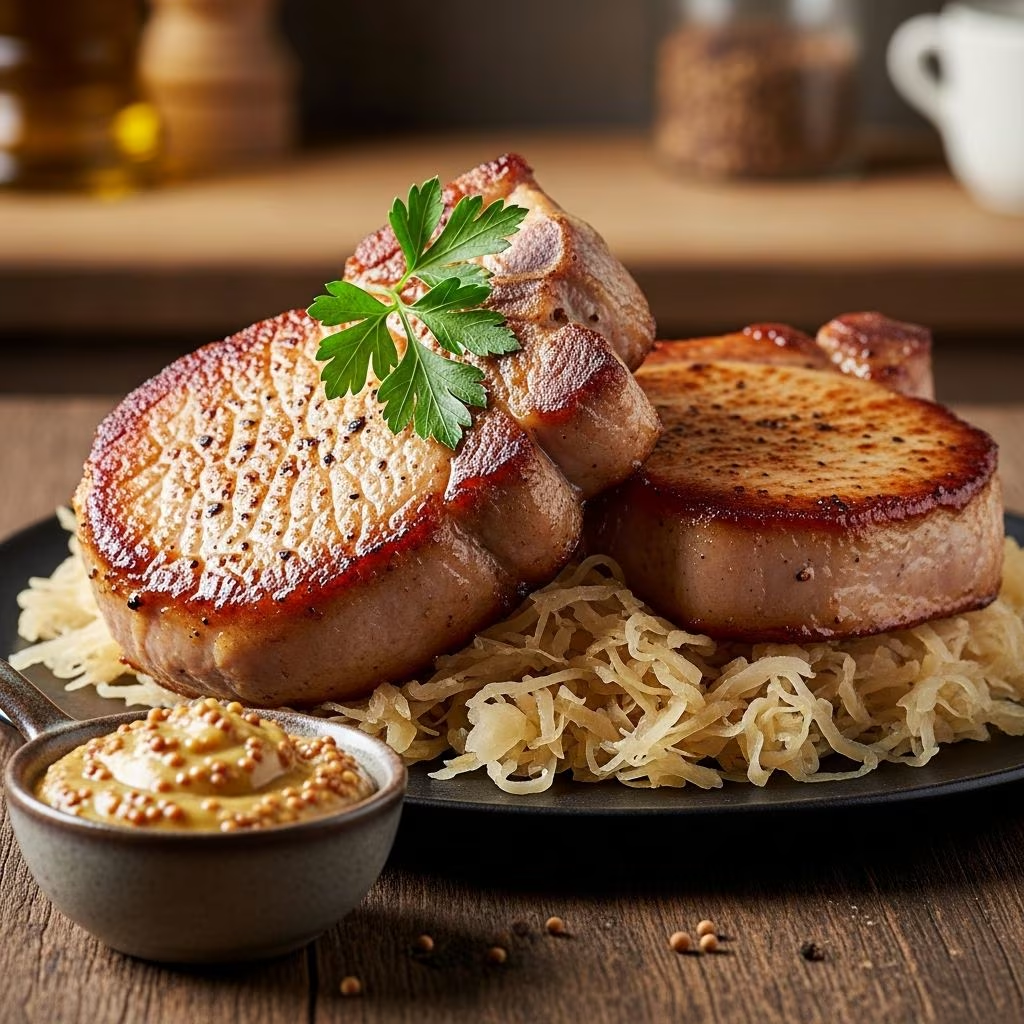
German cuisine has long been celebrated for its hearty, satisfying dishes that combine simple ingredients with robust flavors. Among the most iconic preparations is the combination of pork chops with sauerkraut, a dish that epitomizes the rustic elegance of Central European cooking. This traditional preparation showcases how quality ingredients, when thoughtfully combined, create a memorable dining experience that has been passed down through generations of German households.
Understanding the Classic Pairing
The marriage of pork and sauerkraut represents more than mere culinary convenience; it reflects a deep understanding of flavor complementarity and food traditions. Pork, with its natural richness and tender texture when properly prepared, provides an ideal canvas for the sharp, fermented tang of sauerkraut. The acidity inherent in fermented cabbage cuts through the fattiness of pork, creating a balanced dish that satisfies without overwhelming the palate.
Sauerkraut, which is fermented cabbage preserved with salt, contributes not only distinctive flavor but also digestive enzymes and beneficial probiotics. When combined with succulent pork chops, onions, apples, and aromatic spices like caraway seeds, the result becomes a complete meal that nourishes both body and soul. This preparation method has sustained German families through countless seasons and continues to be a staple in contemporary kitchens seeking authentic comfort food.
Essential Ingredients for Success
Creating an exceptional version of this dish requires understanding each component’s role and selecting quality ingredients. Here are the foundational elements:
- Pork chops: Choose bone-in or boneless chops approximately half to three-quarter inches thick. Thicker cuts remain juicier during cooking.
- Sauerkraut: Two to four pounds depending on serving size. Drain before using to control moisture levels.
- Onions: One to two large yellow onions provide sweetness and depth when diced.
- Apples: One to two medium apples add natural sweetness that balances the acidity. Granny Smith or similar tart varieties work well.
- Caraway seeds: One to two teaspoons of these distinctive seeds provide authentic German character.
- Seasonings: Salt, pepper, and optionally brown sugar create nuanced flavor complexity.
- Cooking fat: Olive oil or butter for browning the meat.
- Optional additions: Beer, white wine, bacon, or vegetable broth can enhance depth.
Preparation Fundamentals
Before heat touches your ingredients, proper preparation significantly impacts final results. Begin by patting pork chops dry with paper towels—moisture on the surface inhibits browning and creates steam rather than desirable caramelization. Season the chops lightly with salt and freshly ground pepper on both sides.
Dice onions into medium pieces and core apples before slicing or grating them. If your sauerkraut comes in brine, drain it thoroughly through a colander. This step prevents excessive liquid in the final dish. Measure caraway seeds and have all ingredients within arm’s reach of your cooking surface for streamlined execution.
Cooking Techniques and Methods
The Stovetop Skillet Approach
For a quicker preparation completing in approximately 25 to 30 minutes, the skillet method offers efficiency without compromising flavor. Heat oil in a large skillet over medium-high heat until shimmering. This indicates the surface temperature has reached the threshold needed for proper browning. Place seasoned pork chops in the pan without moving them for three to five minutes, allowing a golden crust to develop. Flip carefully and brown the reverse side for an equal duration.
Transfer the browned chops to a clean plate. In the same skillet, combine drained sauerkraut, grated apple, and diced onions. If using beer, add it now. Allow this mixture to bubble gently for approximately five minutes, stirring occasionally. Nestle the browned pork chops directly into the sauerkraut mixture, sprinkle caraway seeds across the top, reduce heat to low, cover with a lid, and cook for 10 to 15 minutes until the internal temperature reaches 145°F as measured with an instant-read thermometer inserted into the thickest section.
The Dutch Oven Baking Method
For a deeper, more developed flavor profile, the oven method requires approximately 1 hour 40 minutes total but demands minimal active attention. Preheat your oven to 350°F. Following the same browning procedure in a Dutch oven on the stovetop, transfer the seared pork chops to a plate. Add sauerkraut, onions, apples, and optionally diced potatoes to the hot pot. Use a wooden spoon to gently scrape the bottom, incorporating any browned bits that add concentrated flavor.
Arrange the pork chops on top of the sauerkraut mixture, sprinkle with caraway seeds, cover tightly, and place in the preheated oven. After one hour of baking, the pork chops should have reached safe internal temperature and the vegetables will have softened into a cohesive, flavorful mixture. The extended cooking time in the oven allows flavors to meld while the surrounding ingredients braise gently in their own juices.
The Slow Cooker Variation
For those seeking maximum convenience, a slow cooker adaptation suits busy schedules. Brown the pork chops in a skillet for approximately two minutes per side. Transfer to the slow cooker along with all remaining ingredients including undrained sauerkraut, apples, onions, and caraway seeds. Cover and cook on low for 2.5 to 3 hours until pork is exceedingly tender. This method produces a dish with intense blended flavors from the prolonged cooking period.
Flavor Enhancement Strategies
While the basic combination of pork, sauerkraut, and caraway seeds delivers authentic results, several additions elevate the dish further. Crispy bacon pieces stirred in near the end contribute savory depth and textural contrast. A tablespoon or two of brown sugar balances acidity when your sauerkraut tastes particularly sharp. Beer, particularly darker varieties, adds complexity; substitute with dry white wine or vegetable broth if preferred.
Crushed juniper berries, if available, echo the flavors in German cuisine and pair beautifully with pork. A modest amount of Dijon mustard stirred into the finished dish provides subtle pungency. Fresh thyme or bay leaves during cooking contribute aromatic undertones, though these should be removed before serving. The key principle involves respecting the primary flavors while these additions support rather than dominate.
Temperature Control and Food Safety
Proper pork cookery requires understanding safe internal temperatures and achieving them consistently. Pork chops should reach an internal temperature of 145°F as measured in the thickest part without touching bone. Using an instant-read meat thermometer removes guesswork and ensures both safety and optimal texture. Undercooked pork poses health risks, while overcooked pork becomes dry and unpalatable.
Once pork chops reach 145°F, remove the dish from heat and allow it to rest for five minutes before serving. This resting period allows muscle fibers to relax, retaining juices within the meat rather than releasing them onto your plate. The result is noticeably more tender and moist protein.
Serving Suggestions and Accompaniments
This substantial one-pot meal becomes complete with thoughtful side selections. Creamy mashed potatoes provide comfort and absorb the flavorful pan juices beautifully. Alternatively, boiled waxy potatoes maintain their structure and complement the tangy sauerkraut. Egg noodles tossed with butter create a neutral backdrop allowing the pork and sauerkraut to shine.
Serve alongside good-quality Dijon or German brown mustard for additional flavor dimension. Fresh rye bread works excellently for soaking up remaining sauce. A simple green salad with vinaigrette cuts through the richness of the finished dish. For beverage pairings, German pilsner beers or wheat beers complement the meal’s robust character, while dry Riesling wine echoes the traditional food and wine pairings of the region.
Storage and Make-Ahead Considerations
This dish actually improves when made one day ahead, as flavors continue melding during storage. Refrigerate cooled leftovers in an airtight container for up to four days. Reheat gently on the stovetop over medium-low heat, adding a splash of broth or water if the mixture seems dry. The dish also freezes successfully for up to three months; thaw overnight in the refrigerator before reheating.
For busy households, prepare components in advance without sacrificing quality. Dice onions and apples several hours before cooking and store in sealed containers. Brown the pork chops in the morning and refrigerate until evening, then proceed with the final cooking step. Having sauerkraut drained and measured saves time during active cooking periods.
Nutritional Considerations
This traditional preparation offers substantial nutritional benefits beyond its satisfying taste. Pork provides high-quality protein, B vitamins particularly B12, and essential minerals like selenium and zinc. Sauerkraut contributes vitamin K, vitamin C, and probiotics supporting digestive health. Apples add dietary fiber and additional vitamin C, while onions provide quercetin and other beneficial plant compounds.
The fermentation process in sauerkraut creates lactic acid bacteria that may support gut health and nutrient absorption. While this is not a low-calorie dish, it offers substantial nutritional density making it a worthwhile addition to balanced meal plans. A single serving typically contains 300 to 400 calories depending on portion size and preparation specifics.
Troubleshooting Common Issues
| Problem | Solution |
|---|---|
| Dry pork chops | Use thicker cuts, avoid overcooking beyond 145°F, allow resting period before serving |
| Excessively salty dish | Use less sauerkraut brine, rinse sauerkraut more thoroughly, or dilute with broth |
| Bland flavor | Increase caraway seeds, add brown sugar to balance acidity, incorporate bacon or beer |
| Watery final dish | Drain sauerkraut completely, reduce cooking time, use oven method instead of skillet |
| Uneven cooking | Ensure chops are similar thickness, brown all sides adequately, use meat thermometer |
Frequently Asked Questions
Can I use pork ribs instead of chops?
Yes, pork ribs work well with this preparation. Increase cooking time by 15 to 20 minutes in the oven method or 30 to 45 minutes in the slow cooker to ensure tenderness.
Is sauerkraut always required?
While sauerkraut defines this dish, coleslaw or fresh cabbage can substitute if necessary. Fermented sauerkraut delivers superior flavor from its acidity and probiotic content.
What if I dislike caraway seeds?
Reduce the quantity or omit entirely. Juniper berries, fennel seeds, or even a small amount of celery seed provide alternative aromatic notes.
How far ahead can I prep ingredients?
Prepare onions, apples, and measurements up to eight hours in advance. Assemble and cook the final dish close to serving for optimal freshness and flavor.
Can this dish accommodate dietary restrictions?
The recipe is naturally gluten-free if sauerkraut contains no additives. It suits Paleo and Whole30 approaches when served without grain sides. Vegetarians could substitute hearty mushrooms, though the dish loses its essential character.
Conclusion: Embracing Culinary Tradition
German pork chops with sauerkraut represents more than a simple recipe; it embodies generations of culinary wisdom and cultural tradition. By understanding each ingredient’s contribution, mastering fundamental cooking techniques, and respecting proper food safety practices, home cooks can recreate this authentic dish with confidence and pride. Whether prepared on a busy weeknight via the skillet method or slowly developed through oven braising on relaxed weekends, this preparation delivers consistent, satisfying results that connect us to broader culinary heritage while nourishing those we serve.
References
- Safe Minimum Internal Temperature Chart — U.S. Department of Agriculture Food Safety and Inspection Service. 2024. https://www.fsis.usda.gov/food-safety/safe-food-handling-and-preparation/meat/safe-minimum-internal-temperature-chart
- Probiotics and Sauerkraut: The Fermentation Process — National Center for Biotechnology Information. 2023. https://pubmed.ncbi.nlm.nih.gov/
- Nutritional Composition of Pork — National Pork Board. 2024. https://www.pork.org/
- German Culinary Traditions and Regional Cuisine — German Federal Office of Agriculture and Food. 2024. https://www.bmel.de/
- Food Storage and Refrigeration Guidelines — U.S. Food and Drug Administration. 2024. https://www.fda.gov/food/foodborne-pathogens/safe-food-handling