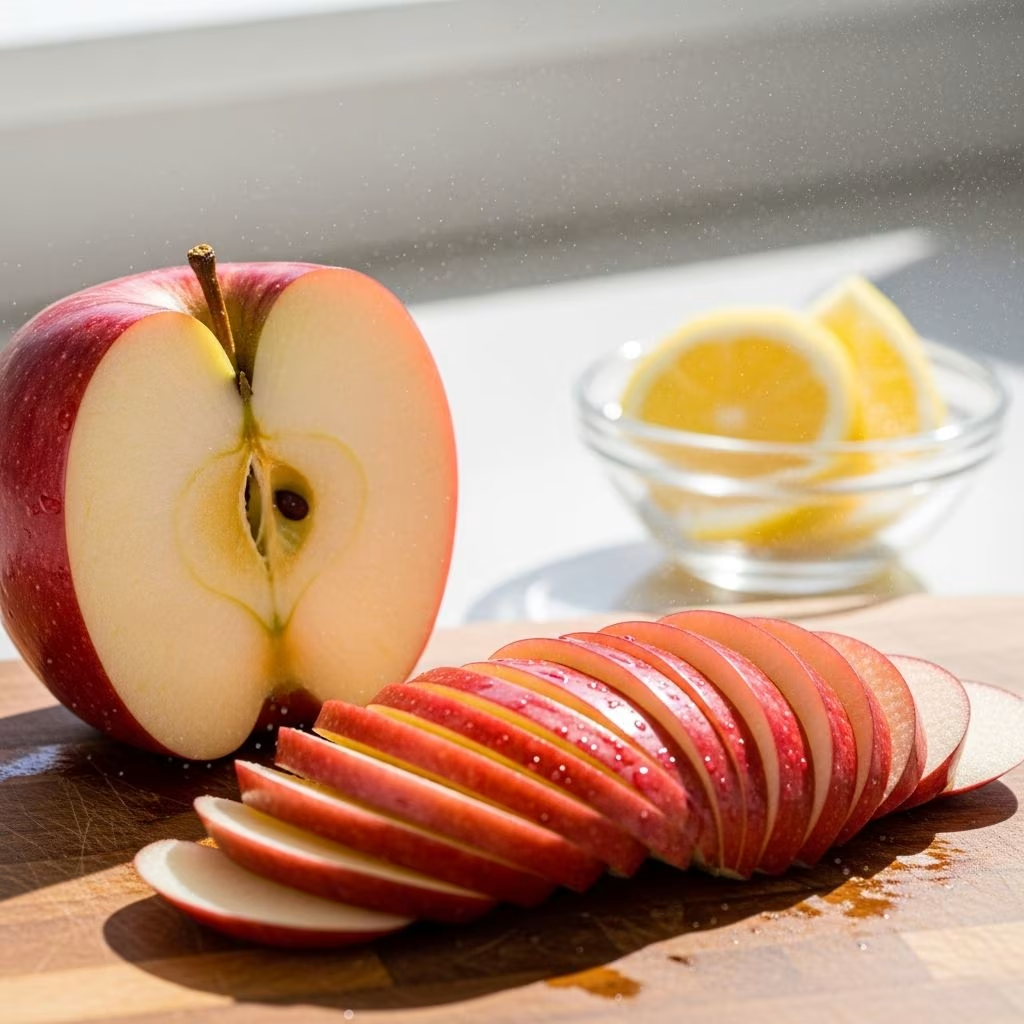
Apples are a staple snack, but once sliced, they quickly turn brown due to oxidation. This guide explores the chemistry behind it and shares practical, tested ways to maintain their fresh appearance and taste. Whether packing lunchboxes or prepping for recipes, these strategies ensure crisp, vibrant slices.
The Science of Apple Oxidation
When you cut an apple, enzymes called polyphenol oxidase (PPO) react with oxygen in the air, producing melanin that causes browning. Factors like temperature, apple variety, and exposure time speed this up. Acidic substances or barriers can inhibit PPO or limit oxygen access, preserving color.
Varieties like Pink Lady resist browning better due to higher acidity, which naturally slows the process. Understanding this helps select methods that target enzymes or oxygen effectively.
Top Methods to Stop Browning
From household staples to commercial aids, here are reliable techniques ranked by effectiveness, ease, and flavor impact, based on hands-on tests.
1. Salt Water Soak: Minimal Flavor Change
Dissolve 1/8 to 1/2 teaspoon salt in 1 cup cold water. Soak slices for 5 minutes, rinse thoroughly, pat dry, and store in an airtight bag in the fridge. Salt ions disrupt PPO enzymes, preventing significant browning over days with little taste alteration.
- Pros: Cheap, always available, effective for 24+ hours.
- Cons: Requires rinsing to avoid saltiness.
2. Citrus Juice Dips: Natural Acidity
Lemon, lime, orange, pineapple, or grape juice’s vitamin C (ascorbic acid) lowers pH and blocks oxidation. Mix 3 tablespoons juice with 1 quart water; soak 3-5 minutes, or toss slices directly in fresh juice. Pineapple and lemon excel, though flavors may intensify.
For subtlety, dilute or rinse lightly. Tests show pineapple juice yields sweet, minimally browned results.
3. Honey Water: Flavor-Enhancing Protection
Combine 1/2 to 2 tablespoons honey with 1-2 cups water. Soak slices 5 minutes, rinse, dry, and refrigerate. Sugar in honey forms a barrier against oxygen while adding subtle sweetness that complements apples.
One test crowned this the top method for both looks and taste after 8 hours, retaining crispness without overpowering.
4. Commercial Preservers: Precise Control
Products like Ball Fruit-Fresh or Mrs. Wages (citric acid-based) are designed for this. Mix 1 teaspoon per cup water for soaking, or sprinkle directly. No flavor change, minimal browning even after days.
Ideal for canning or bulk prep; available in grocery stores.
5. Soda or Vinegar Solutions: Quick Fixes
Lemon-lime soda’s citric acid and salt keep slices pristine; soak 5 minutes, rinse. Alternatively, 1 tablespoon white vinegar per cup water works similarly—rinse to neutralize tang.
Comparison of Methods
| Method | Effectiveness (Days Fresh) | Flavor Impact | Ease | Cost |
|---|---|---|---|---|
| Salt Water | 3-5 | Low (rinse) | High | Free |
| Honey Water | 3-5 | Medium sweet | High | Low |
| Lemon Juice | 2-4 | Tart | High | Low |
| Fruit-Fresh | 5+ | None | Medium | Medium |
| Plain Water Cover | 1-2 | Watery | High | Free |
Data from controlled tests; results vary by variety and storage.
Storage and Preparation Tips
Always refrigerate slices in airtight containers or zip bags to slow oxidation. Prepare just before use, or reassemble the apple with a rubber band to limit air exposure—though browning still occurs internally.
- Pair with oranges in a fruit cup; their acidity helps neighbors stay fresh.
- Spray with produce washes containing citric acid for dual cleaning and preservation.
- Avoid room temperature storage; cold temps halve enzyme activity.
Apple Varieties and Browning Resistance
Not all apples brown equally. Firmer, tarter types like Granny Smith or Pink Lady hold up best due to natural acids and denser flesh. Softer ones like Golden Delicious brown fastest—plan methods accordingly.
Applications for Meals and Recipes
Lunchboxes: Salt or honey soaks keep slices appealing till afternoon without sogginess.
Salads/Snacks: Fruit-Fresh preserves texture in Waldorf salad or charcuterie.
Baking Prep: Treat slices for tarts; ascorbic acid tablets (6x500mg crushed in 2 cups water) add no flavor.
Frequently Asked Questions
Why do apples brown faster in air?
Exposure to oxygen activates PPO enzymes, accelerating melanin production.
Does microwaving prevent browning?
No; heat denatures enzymes but cooks the fruit, changing texture.
Can I use baking soda?
It raises pH, worsening browning—stick to acids.
How long do treated slices last?
3-7 days refrigerated, depending on method and variety.
Is browning harmful?
No, just unappetizing; nutrition remains intact.
Advanced Techniques for Bulk Prep
For meal prepping, combine methods: soak in diluted lemon-honey mix, then vacuum seal. Tests show this extends freshness up to a week. Monitor for off-flavors from prolonged acid exposure.
Experiment at home: slice one apple into portions, treat each differently, and compare after 24 hours. Note variety, ripeness, and fridge time for best results.
References
- How to Keep Apples from Browning — Stemilt Growers. 2021-12. https://www.stemilt.com/stem-blog/how-to-keep-apples-from-browning/
- How do I stop my apples turning brown? — University of Illinois Extension. 2020-07-09. https://extension.illinois.edu/blogs/live-well-eat-well/2020-07-09-how-do-i-stop-my-apples-turning-brown
- Apples 101: How to Prevent Browning — Yes! Apples. N/A. https://yesapples.com/blogs/blog/apples-101-how-to-prevent-browning
- How to Keep Apples from Browning (4 Foolproof Ways!) — Just a Taste. N/A. https://www.justataste.com/how-to-keep-apples-from-browning/
- How To Keep Apples From Browning in the Lunchbox — Momables. N/A. https://www.momables.com/how-to-keep-apples-from-browning/