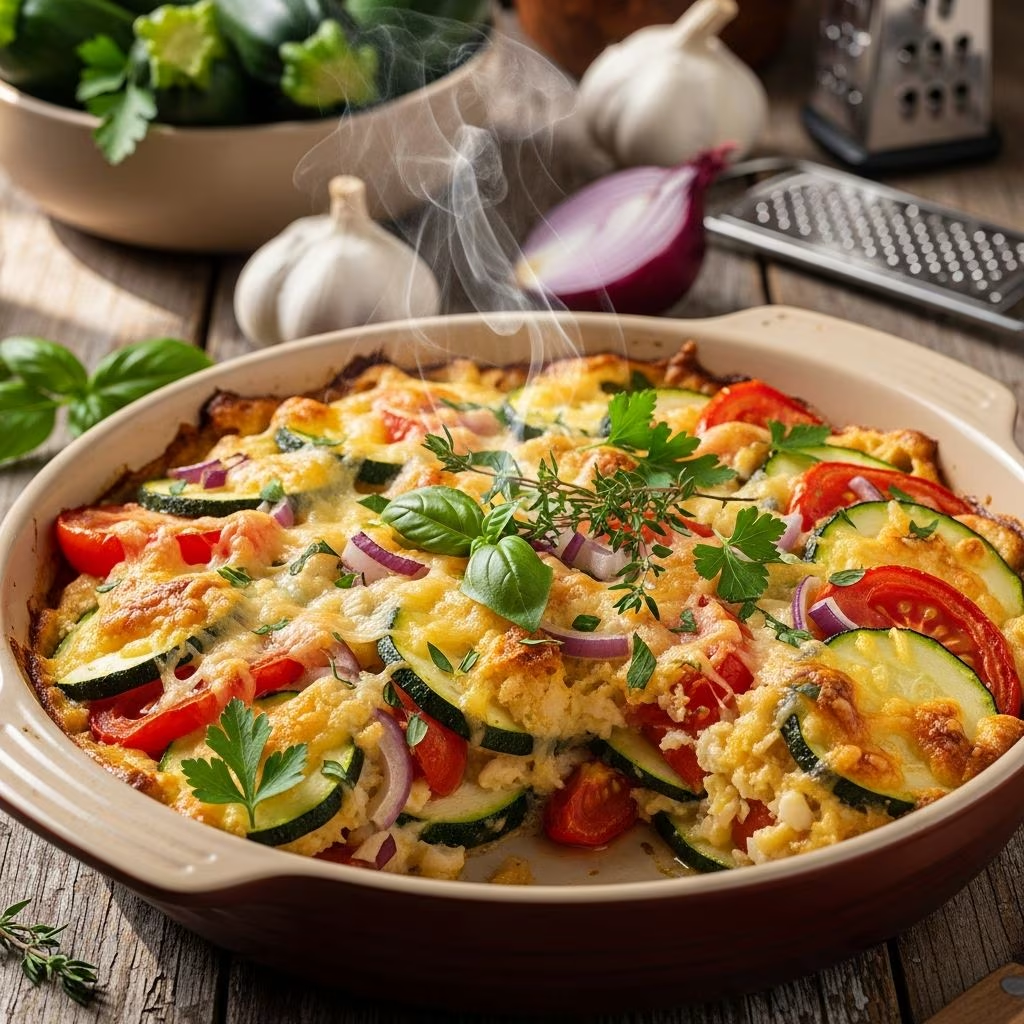
Zucchini casserole represents one of the most versatile and satisfying vegetable dishes that can grace any dinner table. Whether you’re looking to utilize an abundance of garden zucchini or seeking a simple yet elegant side dish to accompany your main course, this baked creation delivers consistent results with minimal fuss. The beauty of this dish lies in its adaptability—home cooks can customize flavors, textures, and ingredients to suit personal preferences while maintaining the essential character that makes zucchini casserole a beloved comfort food.
Understanding the Fundamental Components
A successful zucchini casserole begins with understanding its core components and how they work together. The foundation comprises fresh zucchini, which provides the primary vegetable base. Supporting ingredients typically include binding elements such as eggs and cream, which create a cohesive texture. Cheese serves as the flavor anchor, while breadcrumbs contribute textural contrast. Finally, seasonings and aromatics—garlic, onions, and herbs—elevate the dish beyond simple vegetable preparation.
Selecting Quality Zucchini
The quality of zucchini directly impacts the final result. Medium-sized zucchini generally offer the ideal balance between tender flesh and minimal seed content. Avoid oversized specimens, which tend to contain watery centers and numerous large seeds that can compromise texture. Fresh zucchini should feel firm to the touch with unblemished skin. If using frozen zucchini, ensure thorough thawing and excess moisture removal before incorporating into the casserole mixture.
The Role of Binding Agents
Eggs and heavy cream work synergistically to bind casserole components while adding richness and ensuring proper structure during baking. Eggs provide protein that coagulates when heated, creating a matrix that holds ingredients together. Heavy cream contributes fat-soluble flavors and prevents the dish from becoming dry. The ratio of these components influences the final consistency—more cream produces a custard-like texture, while fewer binding agents result in a lighter preparation.
Preparation Techniques That Make a Difference
Proper preparation determines whether your casserole achieves perfect texture or ends up watery and limp. The moisture content of zucchini requires attention and planning before assembly.
Managing Moisture Content
Zucchini naturally contains significant water that releases during cooking. To prevent a soggy final product, several techniques prove effective. Shredding zucchini and then salting it for approximately ten to fifteen minutes draws out excess moisture. After this period, transfer the shredded zucchini to a colander and press firmly with paper towels or clean kitchen cloths to remove accumulated liquid. Alternatively, some recipes call for brief parboiling—submerging diced zucchini in boiling water for three minutes before draining and cooling. This partial cooking removes some water while partially softening the vegetable, reducing overall baking time.
Preparing Aromatic Elements
Onions and garlic should receive attention beyond simple chopping. Dicing onions into small, uniform pieces ensures even distribution and consistent flavor throughout each serving. For garlic, mincing produces finer particles that distribute the pungent flavor more evenly than larger chunks. Some recipes recommend briefly sautéing onions and garlic before adding to the casserole mixture, which mellows their sharpness and develops deeper flavor complexity.
Breadcrumb Preparation
Panko breadcrumbs offer superior crunchiness compared to standard breadcrumbs due to their larger, airier structure. Toss breadcrumbs with melted butter and optional seasonings before distributing over the casserole surface. This step ensures even browning and prevents dry, flavorless topping. Some recipes combine breadcrumbs with the casserole mixture itself before topping with additional breadcrumbs, creating layers of textural interest.
Building Flavor Profiles Through Ingredient Selection
The flavor journey of zucchini casserole depends heavily on ingredient choices. Different cheese selections, herb combinations, and supplementary additions create distinct taste experiences from the same basic template.
Cheese Variety and Impact
| Cheese Type | Flavor Profile | Melting Quality | Best Use |
|---|---|---|---|
| Cheddar | Sharp, tangy | Excellent | Top layer, throughout mixture |
| Parmesan | Nutty, pungent | Moderate | Mixed in, adds depth |
| Mozzarella | Mild, creamy | Superior | Top layer for browning |
| Feta | Tangy, salty | Minimal | Mixed throughout for brightness |
Combining multiple cheese types creates complexity—for instance, mixing Parmesan into the casserole base while topping with Cheddar provides both depth and melting surface appeal. Pecorino Romano offers a sharper alternative to Parmesan for those seeking more pronounced Italian character.
Herb and Spice Combinations
Fresh herbs including basil, thyme, oregano, and parsley bring brightness and aromatic qualities. Mediterranean-inspired recipes often feature oregano and basil, while herb blends incorporating thyme provide earthier undertones. Garlic powder and onion powder contribute background umami. Red pepper flakes add subtle heat, while traditional black pepper provides sharpness. Dijon mustard, when included, adds subtle tanginess that complements cheese and vegetables.
Assembly and Baking Procedures
The assembly process follows a logical sequence that ensures even ingredient distribution and proper baking results.
Layering Strategy
Two primary assembly approaches exist. The mixed approach combines all ingredients except top-layer cheese and breadcrumbs in a single bowl before transferring to the baking dish. The layered approach arranges components in distinct strata—vegetables on bottom, followed by cream and egg mixture, topped with cheese and breadcrumbs. Layering creates texture variation and ensures some components retain individual character rather than fully homogenizing.
Baking Temperature and Time
Most zucchini casseroles bake successfully at 350 to 375 degrees Fahrenheit. The lower temperature range extends baking time but reduces risk of excessive browning. Higher temperatures accelerate the process but require vigilant monitoring. Typical baking times range from 30 to 45 minutes depending on casserole depth and oven characteristics. The dish is done when the top achieves golden-brown color and a fork easily pierces the zucchini without resistance. The filling should set completely, neither jiggling nor appearing liquid at the edges.
Optional Finishing Techniques
After initial baking, some recipes call for additional finishing steps. A brief broil at high temperature browns the top further, creating crispier breadcrumb texture. This step requires close attention, as the transition from golden to burnt occurs quickly. Alternatively, resting the finished casserole for five to ten minutes before serving allows the dish to set properly, making clean portioning easier.
Troubleshooting Common Issues
Understanding potential problems helps cooks adjust technique for improved results.
- Watery Casserole: Indicates insufficient moisture removal from zucchini. Drain parboiled zucchini more thoroughly, or extend salting time for shredded zucchini before pressing.
- Dry, Rubbery Texture: Results from excessive baking time or insufficient cream and egg binder. Reduce baking duration or increase binding agent quantities.
- Uneven Browning: Suggests inconsistent oven temperature or casserole placement. Rotate the dish halfway through baking if necessary.
- Weak Flavor: Verify that seasonings are incorporated in the mixture rather than only as surface topping. Consider increasing garlic or adding fresh herbs.
- Bread Topping Remains Soft: The breadcrumb layer may not have received sufficient butter coating. Ensure breadcrumbs are adequately moistened before topping.
Versatile Variations for Every Palate
The adaptability of zucchini casserole allows for numerous variations accommodating different dietary preferences and flavor inclinations.
Italian-Inspired Preparation
Incorporate fresh tomatoes in layers between zucchini slices, creating a Mediterranean character. Use fresh basil, oregano, and extra virgin olive oil. Top with garlicky breadcrumb mixture enriched with crushed red pepper flakes. This approach celebrates seasonal summer produce and creates lighter overall texture.
Herbaceous Variation
Build flavor through abundant fresh herbs—basil, thyme, parsley combined with feta cheese instead of traditional cheddar or mozzarella. This version emphasizes aromatic qualities and works beautifully as a vegetarian main course or substantial side dish.
Cream-Forward Approach
Increase cream and egg proportions to create custard-like texture closer to quiche consistency. This version appeals to those preferring softer, more delicate texture and works excellently for serving at brunch or lighter suppers.
Serving Suggestions and Pairings
Zucchini casserole functions effectively in multiple contexts. Serve as a standalone vegetarian main course accompanied by fresh salad and crusty bread. Alternatively, position it as a vegetable side complementing grilled meats, roasted chicken, or fish dishes. The versatility extends to entertaining—this casserole reheats beautifully, making it an ideal make-ahead option for gatherings and weeknight dinners.
Cold or room-temperature leftovers provide satisfying lunch components paired with fresh vegetables and light vinaigrette dressing. The casserole also works well portioned into smaller quantities, making individual servings convenient for meal preparation.
Storage and Make-Ahead Considerations
Prepared zucchini casserole maintains quality in the refrigerator for three to four days when properly stored in an airtight container. Reheat gently in a 325-degree oven covered with foil to prevent excessive browning. The dish can be assembled completely and refrigerated overnight before baking—this approach actually benefits flavor development as ingredients meld during the resting period.
For longer storage, allow the baked casserole to cool completely, then wrap individual portions in plastic wrap before freezing. Most zucchini casseroles maintain satisfactory quality frozen for up to two months. Thaw overnight in the refrigerator before reheating.
Nutritional Considerations
Zucchini provides excellent nutritional value—it’s low in calories while offering vitamin C, potassium, and fiber. The inclusion of eggs contributes complete protein, while cheese adds calcium and additional protein. Heavy cream increases fat content but provides fat-soluble vitamins and enhanced satiety. The overall nutritional profile varies based on specific ingredients and proportions used, but generally zucchini casserole represents a nutrient-dense vegetable preparation.
Frequently Asked Questions
Can I substitute frozen zucchini for fresh?
Yes. Thaw frozen zucchini completely and press firmly in a colander to remove excess water. Frozen zucchini generally contains more water than fresh, requiring extra drainage before use.
What if I don’t have heavy cream?
Substitute with sour cream, Greek yogurt, or regular milk. Each produces slightly different texture—milk creates lighter consistency, while sour cream adds tanginess. Adjust quantities based on desired creaminess.
How do I prevent the breadcrumb topping from burning?
Tent the casserole loosely with aluminum foil during the first half of baking, then uncover to allow browning during the final portion. Alternatively, use lower oven temperature and extend baking time slightly.
Is this dish suitable for gluten-free diets?
Yes. Replace regular breadcrumbs with certified gluten-free breadcrumbs. All other traditional ingredients are naturally gluten-free, making adaptation straightforward.
Can I make this vegetarian or vegan?
The traditional preparation is already vegetarian. For vegan adaptation, replace eggs with flax or chia seed slurry (1 tablespoon ground seeds mixed with 2.5 tablespoons water per egg), substitute heavy cream with coconut or oat cream, and use plant-based cheese alternatives.
References
- Easy Cheesy Zucchini Casserole — My Farmhouse Table. Accessed April 2026. https://myfarmhousetable.com/easy-cheesy-zucchini-casserole/
- Zucchini Casserole — The Cozy Cook. Accessed April 2026. https://thecozycook.com/zucchini-casserole/
- Italian Zucchini Casserole – Easy Summer Side Dish — Sip and Feast. Accessed April 2026. https://www.sipandfeast.com/italian-zucchini-casserole/
- Zucchini Casserole (Easy Side Dish!) — Sally’s Baking Addiction. Accessed April 2026. https://sallysbakingaddiction.com/zucchini-casserole-recipe/
- Mom’s Easy Cheesy Zucchini Casserole — Hummusapien. Accessed April 2026. https://www.hummusapien.com/cheesy-zucchini-casserole/