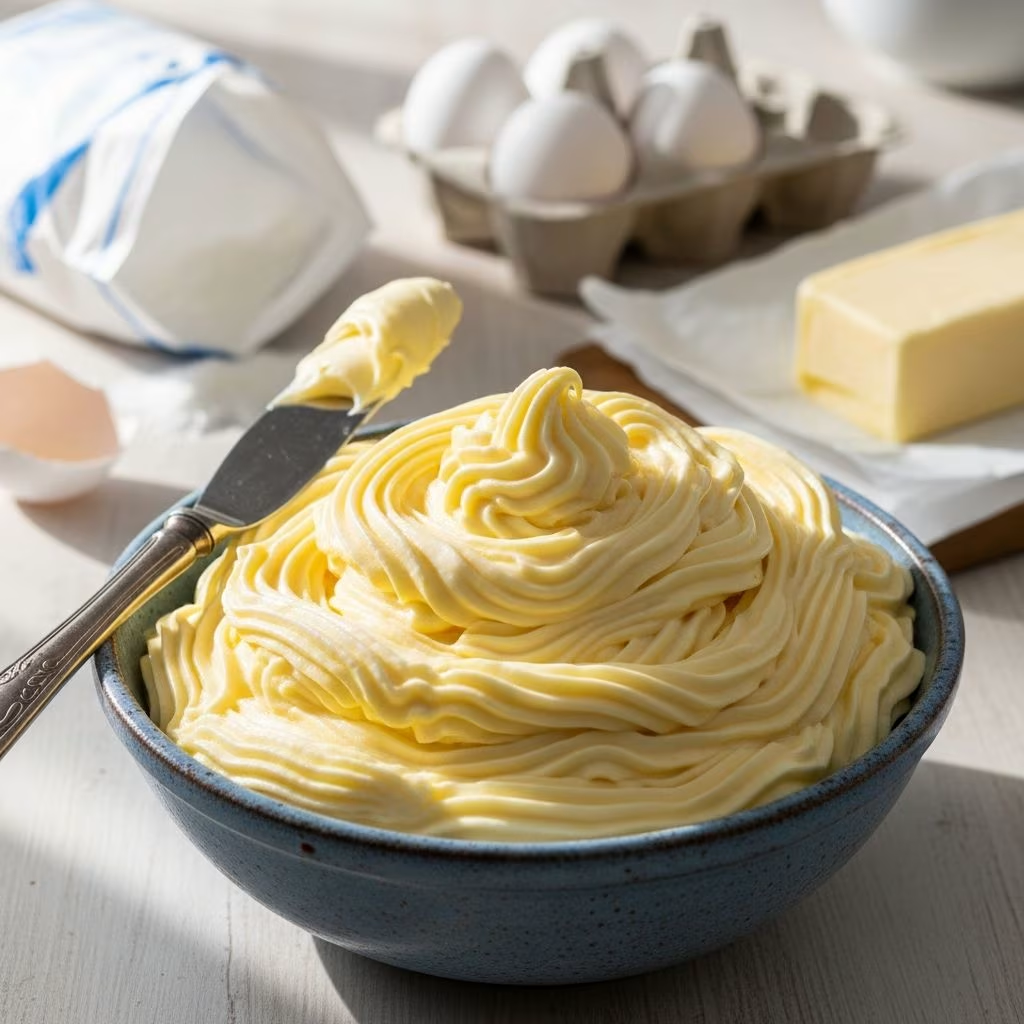
French buttercream stands out as one of the most indulgent frostings in the pastry world, blending the richness of egg yolks with the smoothness of emulsified butter. Unlike lighter meringue-based options, this version delivers a custardy depth that melts luxuriously in the mouth, making it ideal for filling layers, piping delicate designs, or glazing desserts.
The Allure of French Buttercream
This frosting traces its roots to classic French patisserie, where chefs prized its velvety consistency and ability to hold intricate shapes while imparting subtle eggy notes reminiscent of pastry cream. Its high butter content—often around 40% fat—creates a texture that is both stable and spreadable, perfect for professional bakers and home enthusiasts alike.
What sets French buttercream apart is the cooking of sugar syrup to the soft-ball stage, typically 238°F to 240°F, which pasteurizes the eggs and forms a stable base. This method ensures safety without sacrificing flavor, resulting in a frosting that pipes beautifully and tastes decadent.
Essential Ingredients for Success
Building a flawless French buttercream starts with high-quality components. Here’s a breakdown:
- Egg Yolks: The heart of the recipe, providing creaminess and structure. Use 5-6 large yolks for about 4 cups of frosting. Pasteurized yolks work for safety if raw eggs concern you.
- Granulated Sugar: ¾ to 2 cups, depending on scale, cooked into a syrup with water or corn syrup for smoothness.
- Unsalted Butter: 2 cups at room temperature—soft but not melted. European-style butter enhances richness due to higher fat content.
- Flavorings: Vanilla extract, salt, or add-ins like chocolate or fruit purees once the base emulsifies.
Temperature control is crucial: yolks and butter must be tempered properly to avoid curdling or separation.
Step-by-Step Recipe: Classic French Buttercream
This yields approximately 4 cups, enough for a two-layer 8-inch cake. Prep time: 30 minutes. Total time: 45 minutes.
Ingredients
| Ingredient | Quantity |
|---|---|
| Large egg yolks | 6 |
| Granulated sugar | ¾ cup |
| Water | ¼ cup (for syrup) |
| Unsalted butter, room temp | 2 cups |
| Fine sea salt | ⅛ tsp |
| Vanilla extract | 1 tbsp |
Instructions
Whip egg yolks in a stand mixer on high speed until pale, thick, and tripled in volume, about 5 minutes. They should ribbon off the whisk.
In a saucepan, combine sugar and water. Heat to 238-240°F (soft-ball stage). Use a candy thermometer for precision.
With mixer on low, slowly drizzle hot syrup into yolks in a thin stream, avoiding beaters to prevent splashing. Increase to medium and whip until bowl cools to room temperature, 8-10 minutes.
Add butter in chunks while mixing on medium. Include salt and vanilla. Beat until silky and fluffy, 5-7 minutes. If it curdles, keep mixing or chill briefly.
Store in an airtight container in the fridge for up to a week or freeze for months. Bring to room temp and re-whip before use.
Understanding the Science Behind the Silkiness
Emulsification is key: the egg syrup’s lecithin binds fat and water, creating a stable emulsion like mayonnaise but sweeter. Whipping incorporates air for volume, while cooling prevents butter from melting prematurely. High fat content yields that melt-in-mouth feel, but overbeating can cause butter separation.
For stability, some recipes add xanthan gum or corn syrup to inhibit crystallization and enhance shine.
Common Mistakes and Troubleshooting
Even seasoned bakers encounter issues. Here’s how to fix them:
- Grainy Texture: Syrup cooked too hot or crystallized. Next time, brush pan sides with a wet pastry brush.
- Curdled Appearance: Butter too cold or hot. Warm mixture gently over a bain-marie while whisking.
- Runny Frosting: Insufficient whipping or warm ingredients. Chill and re-emulsify.
- Not Piping Well: Over-softened butter. Use cooler butter next time for better structure.
Temperatures matter: syrup at 240°F, butter at 65-68°F. A kitchen scale ensures accuracy over volume measures.
Flavor Variations to Elevate Your Creations
French buttercream’s neutral base accepts bold twists:
- Chocolate: Melt 8 oz dark chocolate, cool, and beat in. Ideal for Black Forest cake.
- Berry: Fold in ½ cup raspberry puree after emulsifying for vibrant tarts.
- Coffee: Dissolve 2 tbsp espresso powder in vanilla for tiramisu layers.
- Lemon: Add zest and 2 tbsp curd for citrus cupcakes.
- Pistachio: Blend in ½ cup paste for Middle Eastern-inspired pastries.
Start with ¼ cup add-ins per 4 cups base to maintain consistency.
Perfect Uses in Baking
This frosting shines in applications requiring smoothness:
- Filling between cake layers for moist, flavorful results.
- Piping rosettes or borders on celebration cakes.
- Thin glazing over genoise or petit fours.
- Pairing with fruits and ganache for entremets.
It’s denser than American buttercream, so apply sparingly on exteriors unless chilled.
Storage and Make-Ahead Tips
French buttercream contains eggs, so refrigerate promptly. It firms up in the cold, making it great for advance prep. Thaw overnight and whip to revive fluffiness. Avoid microwaving to prevent separation.
For events, frost cakes a day ahead; the custard-like quality keeps them fresh longer than whipped cream frostings.
Comparing Buttercream Types
| Type | Base | Texture | Best For |
|---|---|---|---|
| French | Egg yolks + syrup | Custardy, silky | Filling, piping |
| Italian | Italian meringue | Light, stable | Outdoor cakes |
| Swiss | Swiss meringue | Smooth, less sweet | Layering |
| American | Butter + sugar | Sweet, crusting | Quick cupcakes |
French offers superior richness but requires more skill.
Frequently Asked Questions (FAQs)
Can I use whole eggs instead of yolks?
Yes, substitute 3 whole eggs for 6 yolks, but expect lighter color and volume. Adjust whipping time accordingly.
Is French buttercream safe with raw eggs?
The hot syrup pasteurizes yolks effectively. Use pasteurized eggs for extra caution.
How do I fix separated buttercream?
Chill 10 minutes, then whip. If needed, warm bowl over simmering water while mixing.
Does it crust like other frostings?
No, high fat keeps it soft. Refrigerate finished cakes.
Can it be dyed?
Gel colors work best; add after emulsifying to preserve texture.
Advanced Techniques from Pastry Pros
Chefs like Pierre Hermé incorporate milk or cream for extra shine, tempering it into the yolk base before syrup. For ultra-stable versions, add gelatin or stabilizers sparingly. Experiment with browned butter for nutty depth, cooling it fully first.
Practice on small batches to master the pour—slow and steady prevents splatters and ensures even cooking.
References
- French Buttercream – Little Vintage Baking — The Little Vintage Baking Company. Accessed 2026. https://thelittlevintagebakingcompany.com/french-buttercream/
- Pierre Hermé’s French Buttercream — Cuisine d’Aubéry. Accessed 2026. https://cuisinedaubery.com/recipe/buttercream-herme/
- Creamy, Luxurious French Buttercream: Your Complete Guide — Sugarologie. Accessed 2026. https://www.sugarologie.com/recipes/french-buttercream
- French Buttercream Frosting Recipe — Bakepedia. Accessed 2026. https://www.bakepedia.com/french-buttercream-frosting-recipe/
- Easy (Almost) French Buttercream — Cake Paper Party. 2014-05. https://www.cakepaperparty.com/2014/05/easy-almost-french-buttercream/