Creating exceptional baked crab cakes requires understanding the delicate balance between preserving the natural sweetness of premium crab meat and employing the right binding techniques. The distinction between mediocre and outstanding crab cakes lies not merely in ingredient quality, but in how those ingredients are combined and prepared. This comprehensive guide explores every aspect of crafting baked crab cakes that showcase the inherent flavors of quality lump crab while maintaining an ideal texture throughout the baking process.
Understanding Maryland’s Crab Cake Tradition
Maryland’s coastal heritage has made crab cakes an iconic representation of regional cuisine. The state’s tradition emphasizes letting the natural flavors of the crustacean shine through rather than masking them with excessive seasonings or fillers. The blue crabs found in the Chesapeake Bay region possess a delicately sweet and buttery flavor profile that serves as the foundation for authentic preparations.
The philosophy behind traditional Maryland crab cakes centers on simplicity and restraint. Rather than creating a heavily binded mixture that transforms into a uniform texture, the goal is to craft a preparation where individual crab lumps remain identifiable and contribute textural variety to each bite. This approach requires selecting appropriate binding agents that do their job without overwhelming or diluting the primary ingredient.
Selecting Premium Ingredients for Optimal Results
The Foundation: High-Quality Crab Meat
The most crucial ingredient in any crab cake is, unsurprisingly, the crab meat itself. Jumbo lump crab meat represents the premium choice, containing large, intact pieces that provide superior texture and visual appeal. When selecting crab meat, purchasing from reputable sources ensures freshness and proper handling during processing.
Before incorporating crab meat into your mixture, thorough inspection is essential. This process, known as picking over, involves carefully examining the meat to remove any shell fragments or connective tissue that may have been missed during initial processing. This attention to detail prevents unpleasant crunching sensations during consumption and reflects the care that distinguishes professional preparations from casual efforts.
Binding Components and Moisture Management
The binding system in crab cakes serves multiple purposes: it holds the mixture together during cooking, helps distribute flavoring elements evenly, and creates the proper structural foundation. However, excessive binding agents transform crab cakes into dense, heavy preparations that obscure rather than celebrate the primary ingredient.
Mayonnaise functions as both a binder and a flavor enhancer, providing richness while contributing just enough moisture to activate dry ingredients. The quantity matters significantly—using roughly six tablespoons per pound of crab meat maintains proper proportions without creating an overly creamy mixture. Fresh eggs contribute additional binding power through their protein content, while also helping create a cohesive structure that holds during the baking process.
Textural Elements and Crumb Options
Breadcrumb selection generates considerable debate among crab cake enthusiasts. The primary options include plain panko crumbs and crushed saltine crackers, each offering distinct advantages. Panko crumbs provide a lighter texture and remain more delicate after baking, while saltine crackers offer a more traditional approach with subtle saltiness that complements the crab’s natural flavors. Approximately half a cup of breadcrumbs per pound of crab meat provides adequate absorption without creating a starchy taste.
Building Flavor Complexity
While crab meat should dominate the flavor profile, carefully selected complementary ingredients elevate the overall composition. Yellow mustard contributes subtle tanginess without overwhelming other elements, while fresh lemon juice brightens the preparation with acidity that cuts through the richness of mayonnaise. Old Bay seasoning, if used sparingly, enhances without masking the primary ingredient’s natural characteristics.
Fresh parsley adds herbal notes and visual interest, though it should be incorporated conservatively to maintain the focus on crab flavor. The combination of these supporting elements should work harmoniously, each contributing to rather than detracting from the main ingredient.
Essential Preparation Techniques
The Mixing Process: Preserving Crab Integrity
How ingredients combine determines the final texture and appearance of baked crab cakes. The process begins by whisking together all wet and dry components except the crab meat and breadcrumbs, creating a uniform base. This preliminary mixing ensures even distribution of seasonings and binding agents before introducing the delicate crab lumps.
The subsequent step requires deliberate care and attention. Using a spatula to gently fold crab meat and breadcrumbs into the wet mixture maintains the integrity of large crab pieces. Rather than stirring vigorously, which breaks apart valuable lumps, the folding motion carefully coats each piece while minimizing fragmentation. This technique preserves the textural contrast that distinguishes premium crab cakes from inferior preparations.
Refrigeration: Building Flavor and Structure
Allowing the mixture to chill before baking provides multiple benefits that shouldn’t be overlooked. A minimum of thirty minutes in the refrigerator, though preferably several hours or even overnight, permits flavors to meld and develop greater complexity. Additionally, the cold temperature allows binding agents to establish stronger connections between components, creating better structural integrity during baking.
Proper chilling also makes forming and handling the mixture substantially easier. Cold crab cake mixture holds its shape more readily, reducing the frustration of components falling apart during portioning and placement on baking sheets.
Shaping for Visual Appeal and Even Cooking
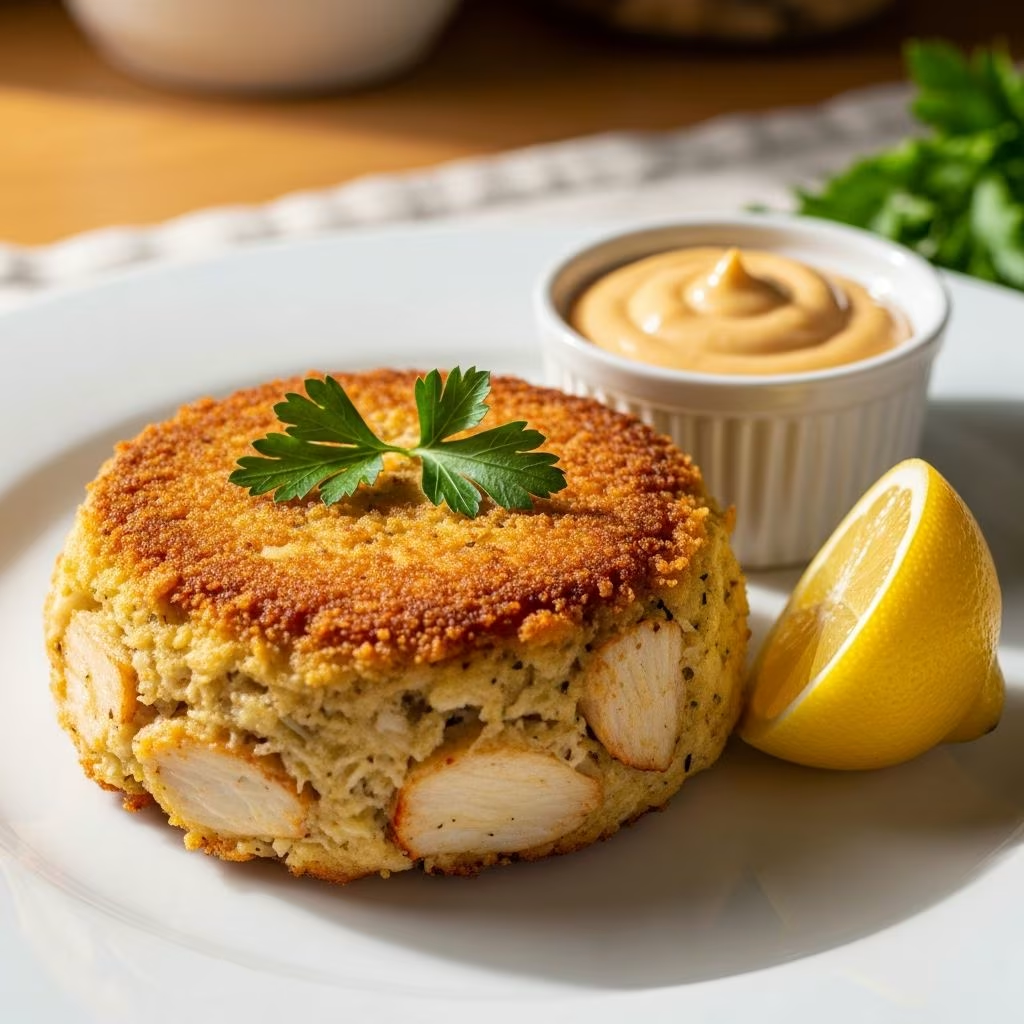
The presentation and texture of baked crab cakes begin with proper shaping. Using a one-third cup measuring scoop or similar portioning tool creates uniform-sized cakes that bake evenly. Rather than flattening these portions, which would compress valuable lumps and create a dense interior, mounding the mixture onto buttered baking sheets maintains the natural shape that reflects the quality of ingredients within.
Spacing cakes at least two inches apart on the baking sheet permits heat circulation around each cake, promoting even cooking and browning. A small piece of butter placed atop each cake before baking adds richness to the exterior while promoting golden-brown coloration during the baking process.
Baking Methods and Temperature Control
Oven Preparation and Initial Baking
Preheating the oven to 450 degrees Fahrenheit creates an environment hot enough to develop exterior texture while cooking the interior through. This relatively high temperature is intentional—it promotes browning and crust formation that contrasts with the tender interior, creating dimensional sensory experience.
Removing refrigerated crab cakes from cold storage immediately before baking ensures they experience maximum temperature differential, which promotes rapid surface setting and browning. Transfer to the center oven rack allows heat circulation from all directions, resulting in more uniform cooking than placement on lower racks.
Duration and Doneness Assessment
Baking typically requires eight to ten minutes until the cakes are cooked through. The exact duration depends on oven characteristics and cake size, so visual inspection and internal temperature verification provide better indicators of doneness than strict timing. The interior should reach a temperature of 160 degrees Fahrenheit, indicating that any foodborne pathogens have been eliminated.
Optional Broiling for Enhanced Exterior
For those preferring a more deeply browned, slightly crisped exterior, a final broiling step delivers excellent results. Two minutes under the broiler on high heat, applied after the initial baking period concludes, creates attractive golden-brown coloration and textural contrast. This step requires monitoring to prevent excessive charring, but when executed properly, it provides restaurant-quality visual appeal.
Common Challenges and Solutions
| Challenge | Cause | Solution |
|---|---|---|
| Cakes falling apart during handling | Insufficient binding or mixture too warm | Extend refrigeration time and ensure mixture is adequately chilled before shaping |
| Dense, heavy texture | Overmixing or excessive binder | Use gentle folding motion and measure binding ingredients carefully |
| Bland flavor profile | Over-reliance on filler ingredients | Use high-quality crab meat and reduce filler proportions |
| Uneven browning | Inconsistent oven temperature or cake positioning | Use oven thermometer and ensure adequate spacing between cakes |
| Exterior browning while interior remains cold | Oven temperature too high or baking time insufficient | Maintain 450°F and bake full eight to ten minutes before broiling |
Serving and Accompaniment Suggestions
Freshly baked crab cakes are best enjoyed immediately after cooling slightly, when the exterior remains crispy while the interior stays moist and tender. Serving temperature significantly impacts the eating experience—piping hot cakes allow flavors to resonate fully, while those that have cooled considerably lose some aromatic impact.
Accompaniments should complement rather than overwhelm the primary ingredient. Fresh lemon wedges provide brightness, while aioli-based sauces offer richness without masking subtle flavors. Simple remoulade preparations with minimal spicing allow the crab to remain the focal point of each bite.
Frequently Asked Questions
Can I freeze baked crab cakes for later consumption?
Yes, baked crab cakes freeze effectively for up to three months when properly wrapped. Freeze them individually on a baking sheet before transferring to freezer containers, which prevents clumping. Reheat in a 350-degree oven for approximately ten minutes until warmed through.
What distinguishes baked crab cakes from pan-fried versions?
Baked crab cakes require less added fat and often develop less brown exterior than pan-fried preparations, though optional broiling can achieve similar coloration. Baking permits less precise control over browning but offers more consistent interior cooking and reduced oil content.
How do I select between different crab meat grades?
Jumbo lump provides the best texture and appearance, though it costs more than other grades. Claw meat offers stronger flavor at a lower price point. For optimal results, use jumbo lump exclusively rather than mixing grades.
Is it necessary to use Old Bay seasoning?
While traditional, Old Bay is optional. The natural crab flavor is sufficient on its own, and some prefer preparations relying solely on lemon, mustard, and subtle salt to showcase the primary ingredient.
References
- Sugar Spun Run — Maryland Crab Cake Recipe. Accessed April 2026. https://sugarspunrun.com/maryland-crab-cake-recipe/
- Crab Cakes | Sally’s Baking Recipes — YouTube. https://www.youtube.com/watch?v=LMjcghsQHUI
- Chesapeake Bay Program: Blue Crab Overview — United States Environmental Protection Agency. https://www.chesapeakebay.net/what/programs/blue-crab