Egg salad represents one of the most adaptable and satisfying dishes in the culinary repertoire. Whether you’re seeking a quick weekday lunch, preparing for a gathering, or looking to repurpose leftover eggs, egg salad offers endless possibilities for customization and enjoyment. This comprehensive guide explores the fundamentals of egg salad preparation, presents multiple recipe variations, and provides practical insights for achieving restaurant-quality results in your own kitchen.
The Foundation: Understanding Core Components
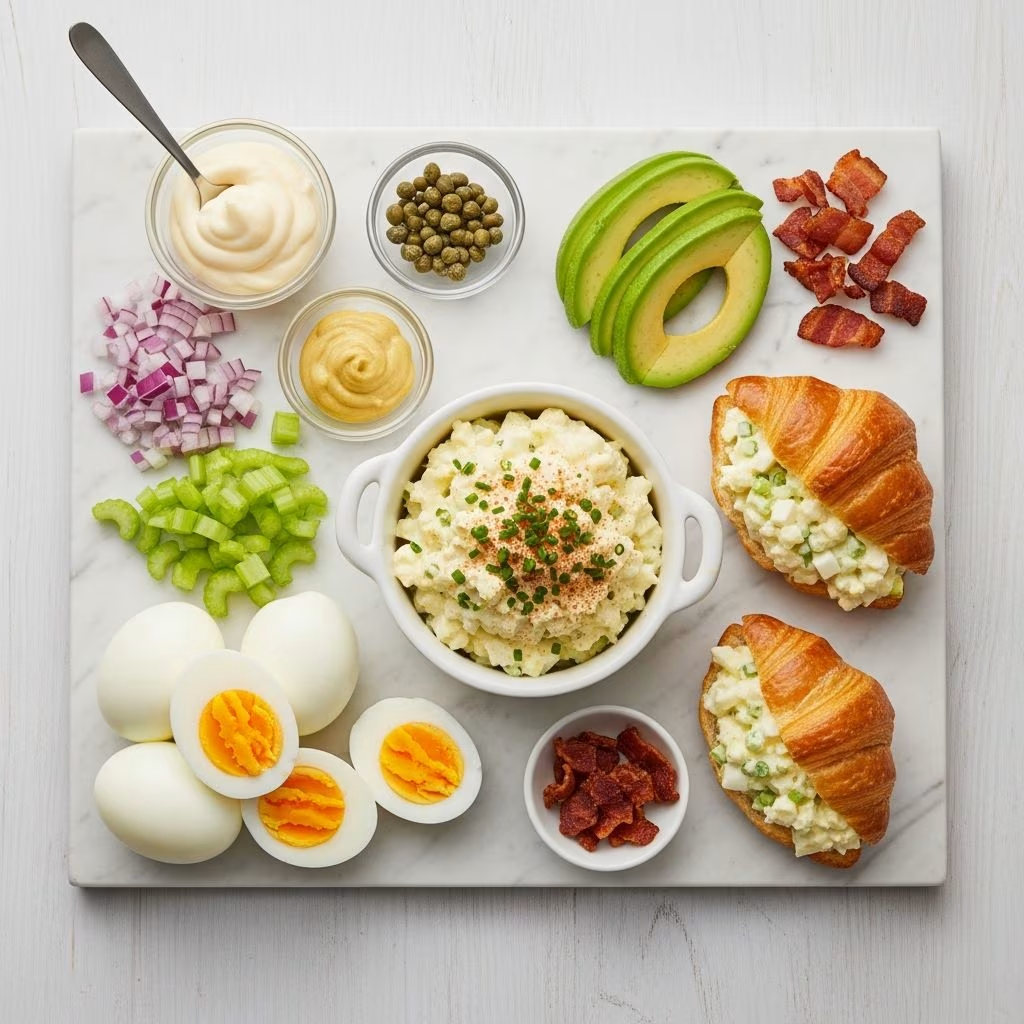
Successful egg salad begins with understanding the role of each ingredient. While recipes vary, the fundamental building blocks remain consistent across most preparations. The foundation starts with hard-boiled eggs, which provide protein, texture, and the primary flavor base. The binding agent—typically mayonnaise—creates the creamy foundation that transforms individual components into a cohesive mixture. Mustard introduces depth and tang, while fresh herbs and aromatics add brightness and complexity to the final dish.
Essential Ingredients Explained
- Hard-boiled eggs: The star ingredient providing protein and texture. The number varies from 6 to 12 eggs depending on yield and serving size preferences.
- Mayonnaise: Creates richness and binds ingredients together. Quantity ranges from ¼ cup for lighter versions to ½ cup for creamier preparations.
- Mustard varieties: Yellow mustard offers bright, straightforward flavor, while Dijon mustard adds sophistication and peppery notes. Flavored mustards provide creative alternatives.
- Fresh herbs: Dill, chives, and parsley brighten the mixture and add aromatic complexity beyond basic flavors.
- Aromatics: Red onion and celery provide textural contrast and fresh flavor notes that prevent the salad from becoming one-dimensional.
- Acidic components: Lemon juice, white vinegar, or pickle juice add brightness and balance richness from the mayonnaise base.
Mastering the Fundamental Recipe
The classical approach to egg salad preparation follows a straightforward methodology that serves as the foundation for more elaborate variations. Understanding this basic technique ensures consistent, delicious results that form the basis for experimentation.
Step-by-Step Preparation Guide
- Begin by hard-boiling eight to twelve eggs until the yolks are completely set. Cool them immediately in ice water to halt cooking and ease the peeling process.
- Peel the cooled eggs and chop them into appropriately sized pieces. Some prefer chunky pieces for textural appeal, while others prefer finer chopping for smoother consistency.
- Combine mayonnaise, mustard, lemon juice or vinegar, salt, and pepper in a separate bowl. Whisk these components thoroughly to create a homogeneous dressing base.
- Add finely chopped red onion, celery, and fresh herbs to the dressing mixture, ensuring even distribution throughout.
- Gently fold in the chopped eggs, combining carefully to maintain desired texture without over-mixing.
- Refrigerate for at least twenty minutes before serving, allowing flavors to meld and the mixture to achieve optimal consistency.
Exploring Texture Variations
One subtle yet impactful technique involves manipulating egg consistency to achieve different textural outcomes. The mashing method produces particularly creamy results by breaking down egg yolks into a smooth paste before incorporating white portions. This approach creates an almost mousse-like consistency that appeals to those preferring creamier preparations.
The Mashing Technique
For extra-creamy egg salad, separate hard-boiled egg yolks from whites after cooling. Mash yolks with mayonnaise, mustard, and seasonings using a fork until completely smooth. Once yolks reach a creamy consistency, fold in finely chopped egg whites along with remaining ingredients. This method produces luxurious texture while maintaining the identity of individual ingredients.
Creative Flavor Profiles and Mix-Ins
Beyond the classical version, egg salad welcomes numerous creative additions that transform the basic recipe into unique preparations. These variations maintain the essential character of egg salad while introducing novel flavor dimensions.
Pickled and Brined Elements
Incorporating dill pickle relish adds briny complexity and subtle sweetness to the mixture. Alternatively, use pickle juice as a portion of the acidic element, creating a more pronounced pickled flavor throughout. This approach particularly appeals to those who enjoy deviled egg variations.
Protein Enhancement Options
While eggs provide substantial protein, additional proteins create heartier preparations. Crispy bacon adds smoky depth and textural contrast. Shredded rotisserie chicken increases volume and creates a lighter texture profile. Cooked shrimp introduces subtle seafood notes for more sophisticated preparations. When adding supplementary proteins, increase dressing proportions accordingly to maintain appropriate moisture and binding.
Herb and Spice Variations
Beyond traditional dill and chives, consider fresh parsley for milder herbal notes, tarragon for sophisticated complexity, or basil for Mediterranean-inspired variations. Paprika adds color and subtle smokiness, while cayenne pepper introduces gentle heat for those preferring spicier preparations. Garlic powder provides savory depth without overwhelming other flavors.
Serving Suggestions and Presentation Ideas
Egg salad’s versatility extends to service options, making it suitable for various occasions and meal formats.
Classic Sandwich Preparation
The traditional sandwich remains the most popular preparation method. Layer egg salad generously between slices of bread—whether classic white, whole wheat, sourdough, or croissants. Toasted varieties create pleasant contrast with creamy filling. Add crisp lettuce, fresh tomato, or cucumber slices for additional texture and nutrition.
Alternative Serving Methods
- Lettuce wraps: Replace bread with crisp lettuce leaves for lower-carbohydrate options that maintain satisfying texture contrasts.
- Cracker pairings: Serve alongside sturdy crackers for elegant presentations suitable for gatherings or light meals.
- Vegetable accompaniments: Scoop onto cucumber slices, bell pepper boats, or celery sticks for creative, nutritious presentations.
- Mixed green salads: Serve over fresh greens as a composed salad with substantial protein content.
- Pinwheel wraps: Spread on tortillas with greens and vegetables before rolling and slicing for portable, bite-sized portions.
Storage and Make-Ahead Strategies
Egg salad’s make-ahead qualities make it ideal for meal preparation and advance planning. Properly stored, prepared egg salad maintains quality for three to four days in the refrigerator when kept in an airtight container. The flavors actually improve slightly as components meld during storage. For longer storage, prepare the base components separately and combine shortly before serving to maintain optimal texture and freshness.
Customization Framework
Understanding egg salad as a template rather than a rigid formula encourages creative exploration. The basic methodology remains consistent while individual components adapt to personal preferences and available ingredients. Those preferring lighter preparations can reduce mayonnaise and increase fresh herbs. Those seeking richer versions can incorporate additional mayo or add cream cheese for increased depth.
Flavor Profile Matrix
| Flavor Direction | Key Ingredients | Supporting Elements |
|---|---|---|
| Classic | Eggs, mayo, yellow mustard | Dill, chives, red onion |
| Dill Pickle | Eggs, mayo, Dijon mustard | Dill pickle relish, pickle juice |
| Mediterranean | Eggs, mayo, Dijon mustard | Fresh basil, sun-dried tomato, red onion |
| Smoky | Eggs, mayo, mustard | Bacon, paprika, cayenne |
| Seafood Fusion | Eggs, mayo, Dijon mustard | Cooked shrimp, Old Bay seasoning, celery |
Common Questions About Egg Salad
Frequently Asked Questions
How long does homemade egg salad last? Properly stored in an airtight container, egg salad remains fresh for three to four days in the refrigerator. The mayo-based composition provides some preservation benefits, though eggs should still be consumed within this timeframe for safety.
Can egg salad be frozen? Freezing is generally not recommended because the mayonnaise-based mixture separates and becomes watery upon thawing. Prepare egg salad fresh or freeze only the hard-boiled eggs separately for later use.
What’s the best bread for egg salad sandwiches? Sturdy options like sourdough, croissants, or toasted varieties hold the filling without becoming soggy. Whole wheat bread provides nutritional benefits while maintaining structural integrity. Brioche or soft white bread works for more delicate presentations.
How can I make egg salad less mayonnaise-heavy? Reduce mayo quantity and increase yogurt or Greek yogurt for creaminess with lighter texture. Add more fresh herbs and vegetables to increase volume without relying solely on mayo for binding and flavor.
Can egg salad accommodate dietary restrictions? Mayo-free versions substitute avocado or tahini for creaminess. Egg-free adaptations use chickpeas or white beans as base. Vegan options combine silken tofu with cashew cream and varied seasonings for similar flavor profiles.
Nutritional Considerations
Eggs provide complete protein containing all essential amino acids, making egg salad a nutrient-dense option. A typical serving contains approximately 250-350 calories depending on mayonnaise quantity and additional ingredients. The protein content ranges from 15-20 grams per serving, making this preparation particularly satisfying for lunch applications. While mayonnaise contributes fat, these are primarily from oils rather than saturated fat, though portion awareness remains important for calorie-conscious individuals.
Professional Tips for Superior Results
Achieving consistently excellent egg salad involves several technical considerations. First, ensure eggs cool completely before chopping—warm eggs create inconsistent texture. Second, reserve a small amount of dressing to adjust consistency after combining all ingredients, as eggs absorb moisture differently depending on size and cooking time. Third, taste before serving rather than relying solely on recipe measurements, as salt requirements vary based on ingredient brands and personal preference. Finally, let the finished salad rest refrigerated for at least twenty minutes to allow flavors to develop fully before serving.
Egg salad remains a timeless preparation that rewards both simplicity and creativity. Whether prepared exactly as written or customized with personal preferences, this versatile dish provides satisfying, protein-packed meals suitable for any occasion. By understanding fundamental techniques and ingredient interactions, home cooks can confidently create variations that align with specific preferences while maintaining the essence of this beloved classic.
References
- Best Egg Salad Recipe — Love and Lemons. 2024. https://www.loveandlemons.com/egg-salad/
- Best Egg Salad Recipe — Natasha’s Kitchen. 2024. https://natashaskitchen.com/egg-salad-recipe/
- Best Egg Salad Recipe — The Pioneer Woman. 2024. https://www.thepioneerwoman.com/food-cooking/recipes/a42663769/egg-salad-recipe/
- How To Make The Best Smooth and Creamy Deli-Style Egg Salad — Sip and Feast. 2024. https://www.sipandfeast.com/egg-salad/
- The Best Egg Salad Recipe — Spend With Pennies. 2024. https://www.spendwithpennies.com/best-egg-salad-recipe/