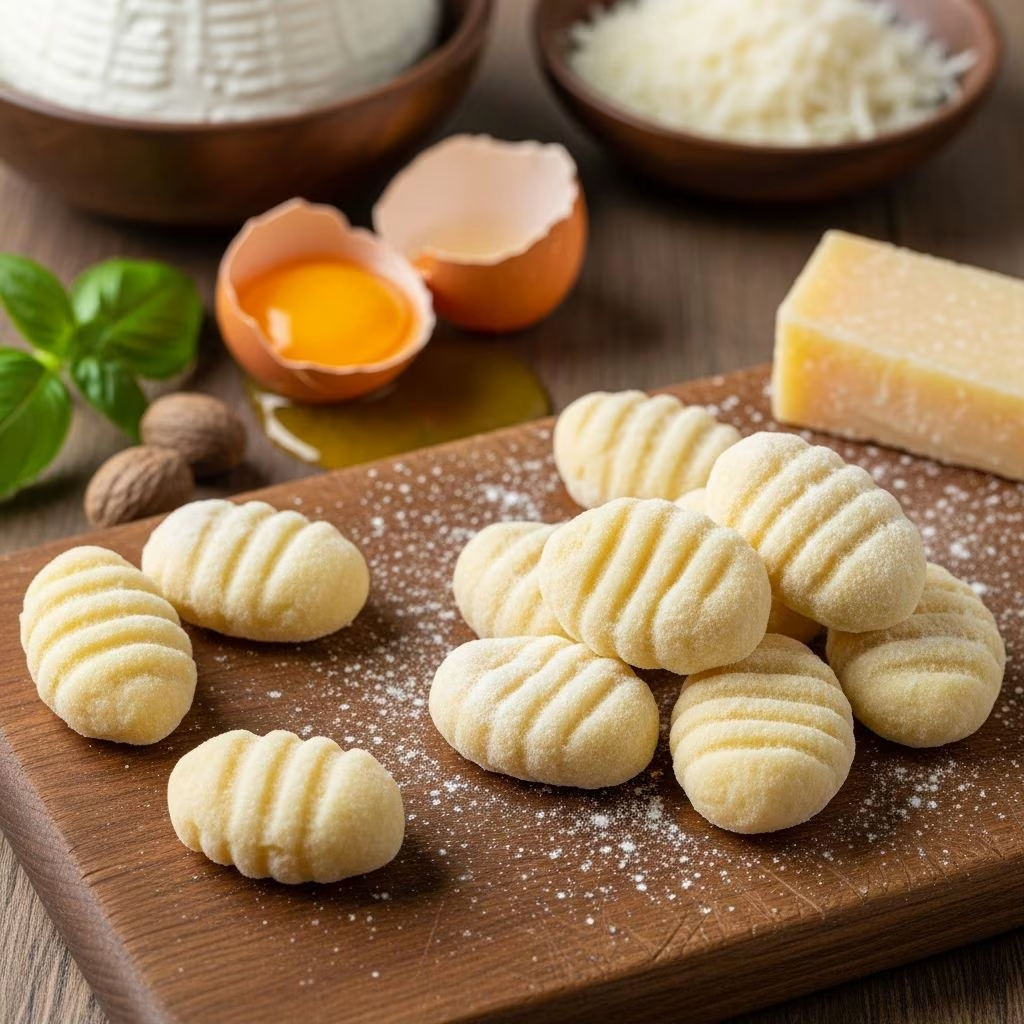
Ricotta gnocchi represents one of the most accessible forms of fresh pasta available to home cooks. Unlike their potato-based counterparts, which demand specific starch varieties and careful handling, ricotta gnocchi offers a more forgiving foundation that comes together in under thirty minutes. The resulting dumplings possess a distinctly lighter texture—ethereal pillows that absorb sauce rather than compete with it. This combination of accessibility and elegance has made ricotta gnocchi a staple in Italian cuisine for generations, and it remains equally accessible to contemporary home kitchens.
Understanding Your Ricotta Selection
The foundation of successful ricotta gnocchi begins with proper ricotta selection, as this single ingredient determines whether your final product achieves cloud-like texture or dense consistency. Not all ricotta varieties perform identically in gnocchi preparation. The distinction lies between traditional lumpy ricotta and the smooth, spreadable varieties marketed under different names. Traditional full-fat ricotta, which maintains visible curds when scooped, contains the optimal moisture balance for gnocchi production. This texture indicates proper whey drainage during the ricotta-making process, creating a dough that holds together without excessive flour addition.
Spreadable ricotta, while convenient for other culinary applications, introduces complications in gnocchi preparation. This product contains significantly more moisture and possesses a homogenized texture that yields overly wet dough. The challenge intensifies because excessive flour addition becomes necessary to achieve workable consistency, ultimately producing tough, dense gnocchi rather than tender pillows. If spreadable ricotta is unavoidably used, it requires pre-treatment through drainage in paper towel-lined colanders for extended periods, sometimes overnight, to remove excess liquid before measurement and incorporation.
Regional variations in ricotta quality and texture exist across different areas, influenced by local production methods and available milk sources. Whole milk ricotta provides superior results compared to lower-fat alternatives, as the increased fat content contributes to richness and helps bind ingredients effectively. Some Italian cooks prefer goat’s milk ricotta for its distinctive tang, though this represents a matter of personal preference rather than technical necessity.
Essential Ingredients Beyond Ricotta
While ricotta comprises the primary component, several supporting ingredients create structural integrity and flavor development. Eggs function as binding agents, connecting ricotta particles and flour into cohesive dough. A single large egg typically suffices for standard portions, though recipes sometimes incorporate an additional yolk to enhance binding power and create silkier texture.
Freshly grated Parmesan cheese serves a dual purpose in gnocchi construction. Beyond flavor contribution, Parmesan acts as what some experienced cooks describe as “cheese glue”—a structural reinforcement that prevents dough fragility and protects gnocchi from disintegrating during cooking if dough consistency falls short of perfection. Pre-packaged grated Parmesan, while convenient, contains anti-caking agents that interfere with dough development, making fresh grating essential.
All-purpose or tipo 00 flour provides the dry component necessary to balance ricotta’s inherent moisture. Self-rising flour introduces problematic leavening agents that cause gnocchi to puff excessively and disintegrate during cooking—a discovery made through painful experimentation by many home cooks. The flour quantity varies based on ricotta moisture content; recipes typically begin with three-quarters cup, with flexibility to add additional flour in small increments if dough remains excessively sticky. Exceeding one cup total flour produces the undesirable tough texture mentioned previously.
Salt and freshly ground pepper provide essential seasoning, though restraint prevents overpowering delicate flavors. These components blend thoroughly into the base mixture rather than serving as surface additions.
Dough Development and Preparation Techniques
The mixing process diverges significantly from traditional bread or pasta dough preparation. Ricotta gnocchi dough intentionally maintains a sticky, somewhat shaggy consistency throughout mixing and handling. This texture, while appearing unpromising, proves essential for achieving the desired light, pillowy final product.
Begin by combining ricotta, egg, yolk (if using), Parmesan, salt, and pepper in a large mixing bowl. Using a wooden spoon or firm rubber spatula, blend these ingredients thoroughly until relatively smooth, occasionally smearing the mixture against the bowl’s side to assist in breaking down ricotta lumps. This preliminary stage requires adequate elbow grease but avoids vigorous mixing that would develop excessive gluten.
Introduce flour gradually, beginning with three-quarters cup, mixing gently until the dough reaches shaggy, lumpy consistency. At this stage, the dough should hold together when gathered but remain quite sticky to the touch. If extreme stickiness prevents manageable handling, add flour one tablespoon at a time, but resist exceeding one cup total, as the dough cannot be kneaded like traditional pasta dough without developing toughness.
The shaggy texture proves advantageous during shaping stages. Transfer the sticky mixture to a lightly floured work surface. Using floured hands and a bench scraper or knife, divide the dough into manageable portions. Form each section into a rope approximately three-quarters inch in diameter, using flour generously on the work surface and hands to prevent sticking. Cut the rope into three-quarter inch pieces using a lightly floured knife.
Traditional Italian technique involves rolling individual gnocchi pieces against a fork’s tines to create characteristic ridges, though this step remains optional for home cooks prioritizing simplicity. The ridges function primarily as visual markers of authenticity and can slightly enhance sauce adhesion.
Cooking Methods and Timing
Ricotta gnocchi require minimal cooking time compared to potato varieties. Bring a large pot of well-salted water to vigorous boil before adding gnocchi in batches that allow individual pieces to move freely. The water should return to boiling within thirty seconds after gnocchi addition. Fresh ricotta gnocchi typically float to the surface within one to two minutes of entering water, indicating doneness. Continue cooking for an additional thirty seconds after floating to ensure complete preparation, then remove using a slotted spoon and transfer to sauce.
Alternatively, some cooks employ a technique where gnocchi cook directly in the sauce pan with butter or oil. This method reduces required cookware and creates sauce integration during cooking. First, cook gnocchi in salted boiling water as described, then transfer directly to a pan containing warm sauce or butter preparation.
Complementary Sauce Pairings
The delicate nature of ricotta gnocchi accommodates diverse sauce selections. Creamy mushroom preparations showcase the gnocchi’s subtle flavor while adding earthy depth. Begin with finely chopped onion, minced garlic, and thyme sprigs in butter over high heat, then add sliced mushrooms and cook until softened, approximately five minutes. Deglaze the pan with dry wine, allowing it to reduce almost completely, then introduce stock and heavy cream, simmering gently until the sauce reaches desired consistency.
Lighter preparations featuring fresh lemon juice, zest, and Parmesan create spring-inspired options that maintain the gnocchi’s delicate character. Blending ricotta with lemon juice, olive oil, Parmesan, and Italian seasoning creates a sauce base that can incorporate fresh peas for color and textural variety.
Buttery tomato sauces provide classic simplicity, allowing gnocchi texture to remain prominent without competing with heavy flavors. Red sauces emphasize the pillowy nature of properly prepared ricotta gnocchi, making this pairing particularly popular for showcasing gnocchi quality.
Common Challenges and Solutions
| Challenge | Likely Cause | Solution |
|---|---|---|
| Gnocchi disintegrate during cooking | Excessive flour or overmixing | Use accurate flour measurement and mix gently; incorporate additional Parmesan for binding |
| Dough too sticky to handle | Wet ricotta or insufficient flour | Drain ricotta thoroughly; add flour incrementally, working with heavily floured hands and surfaces |
| Dense, heavy gnocchi texture | Self-rising flour or excessive mixing | Verify flour type; minimize mixing and avoid kneading; maintain shaggy dough consistency |
| Gnocchi don’t float to surface | Dough may be too dense or insufficiently cooked | Check cooking time; floating typically indicates readiness within 1-2 minutes |
Ingredient Quality Considerations
Beyond basic selection, ingredient quality substantially influences final results. Full-fat ricotta from reputable producers contains proper moisture balance and develops superior flavor compared to mass-produced alternatives. Local cheese shops or Italian markets frequently stock higher-quality ricotta than supermarket offerings. Freshly grated Parmesan purchased from quality sources develops flavor complexity that pre-packaged varieties cannot match, measurably improving the finished dish.
Eggs from pastured or free-range sources occasionally produce richer binding, though conventional eggs perform adequately for gnocchi preparation. The flour used influences final texture; tipo 00 flour produces marginally softer results than all-purpose varieties, though both remain acceptable.
Storage and Make-Ahead Options
Uncooked ricotta gnocchi can be frozen on lined baking sheets for several hours, then transferred to freezer containers for up to three months. Cooking frozen gnocchi requires only modest additional time; they typically float and finish cooking within three to four minutes. This make-ahead option allows convenient meal preparation when entertaining or managing busy schedules.
Cooked gnocchi stores less successfully than uncooked versions, as the delicate texture deteriorates during refrigeration and reheating. Fresh preparation shortly before serving yields optimal results.
Frequently Asked Questions
Can I substitute other cheeses for Parmesan?
Pecorino Romano provides similar binding properties and adds sharper flavor. Grana Padano works identically to Parmesan. Avoid soft cheeses that don’t contribute structural support.
What if I don’t have fresh eggs?
Pasteurized eggs work adequately, though the dough may require slightly more flour due to varying moisture content. Avoid powdered eggs, which produce inferior texture.
Can I make this recipe dairy-free?
Dairy-free ricotta alternatives exist but produce considerably different texture and binding characteristics. Traditional ricotta gnocchi relies fundamentally on dairy properties for proper development.
How do I prevent gnocchi from becoming gummy?
Avoid overcooking by monitoring for the floating indicator; gummy texture typically results from extended water contact rather than cooking method.
Can I prepare gnocchi dough in advance?
Prepared dough keeps refrigerated for several hours, though longer storage allows excess moisture to accumulate. Shaping and freezing provides better long-term storage than keeping dough prepared.
References
- Easy ricotta gnocchi with creamy mushroom sauce — RecipeTin Eats. Accessed April 2026. https://www.recipetineats.com/easy-ricotta-gnocchi-with-creamy-mushroom-sauce/
- Soft Ricotta Gnocchi Recipe — An Italian in my Kitchen. Accessed April 2026. https://anitalianinmykitchen.com/ricotta-gnocchi/
- Creamy Lemon Ricotta Gnocchi — Eat Well with Sari. Accessed April 2026. https://eatwellwithsari.com/recipes/creamy-lemon-ricotta-gnocchi/