There’s nothing quite like the satisfaction of pulling juicy, golden-brown pork chops from the oven, ready to grace your dinner table. This cooking method transforms simple cuts of pork into a mouthwatering centerpiece that’s versatile enough for everyday meals or special occasions. Whether you’re a novice cook or a seasoned home chef, mastering oven-baked pork chops opens up endless culinary possibilities with minimal effort.
Baking pork chops in the oven ensures even cooking, locks in moisture, and allows flavors to meld beautifully without constant stovetop attention. In this detailed guide, we’ll explore everything from selecting the best cuts to achieving that irresistible sear, complete with seasoning ideas, cooking times, and troubleshooting advice. Get ready to elevate your pork game!
Why Choose Oven Baking for Pork Chops?
Oven baking stands out as a superior method for pork chops for several compelling reasons. First, it promotes uniform heat distribution, reducing the risk of overcooking the exterior while leaving the interior raw—a common pitfall with pan-frying. According to the USDA, pork should reach an internal temperature of 145°F (63°C) for safe consumption, followed by a 3-minute rest, which baking effortlessly achieves.
Additionally, this hands-off approach frees you to prepare sides like roasted vegetables or garlic mashed potatoes. It’s energy-efficient for batches, perfect for feeding a crowd, and minimizes oil splatter, keeping your kitchen cleaner. Environmentally, baking uses less energy than prolonged stovetop simmering, aligning with sustainable cooking practices.
Selecting the Ideal Pork Chops
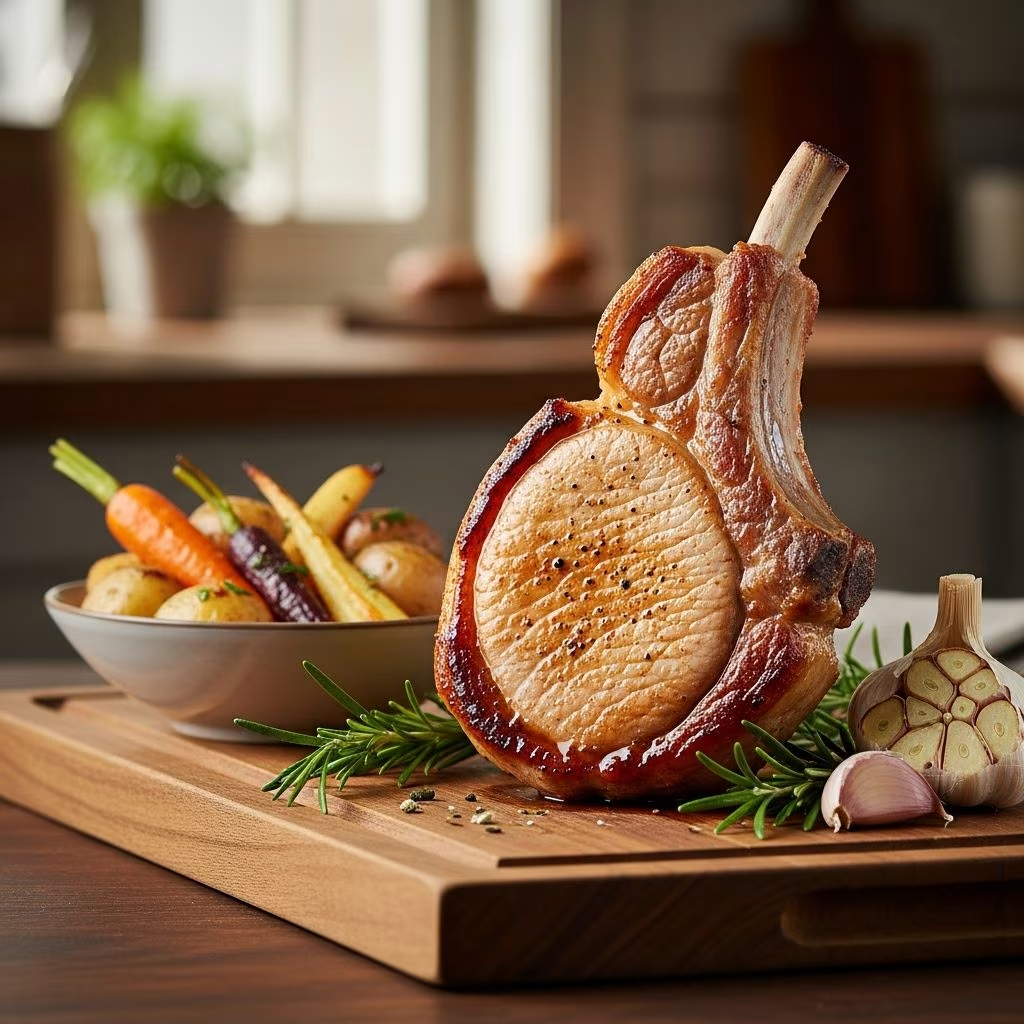
The foundation of great baked pork chops lies in quality meat. Opt for bone-in chops about 1 to 1.5 inches thick; the bone helps retain moisture and adds depth of flavor during cooking. Look for rib or loin chops with a nice marbling of fat—visible white streaks that melt and tenderize the meat.
Avoid overly thin cuts, as they dry out quickly. Fresh pork should have a pinkish hue, firm texture, and no off odors. When shopping, check for labels like ‘center-cut’ for consistent thickness. For the best results, source from local butchers or farms where pork is raised without unnecessary hormones.
- Bone-in vs. Boneless: Bone-in offers superior flavor and juiciness; boneless cooks faster but needs extra care.
- Thickness Guide: 1-inch for quick meals; 1.5-inch for gourmet presentations.
- Freshness Check: Press the meat—it should spring back, not feel sticky.
Essential Ingredients for Flavorful Results
Great baked pork chops rely on a harmonious blend of seasonings and marinades. Start with a simple base: olive oil, salt, black pepper, garlic powder, and paprika for that classic savory profile. For herbaceous notes, incorporate dried thyme or rosemary.
Elevate with a wet marinade using soy sauce, Dijon mustard, honey, and apple cider vinegar for a sweet-tangy glaze. Fresh ingredients like minced garlic, lemon zest, or chopped onions infuse brightness. Dairy touches like a yogurt-based rub tenderize while adding creaminess.
| Ingredient | Quantity (4 chops) | Purpose |
|---|---|---|
| Olive oil | 2 tbsp | Moisture and browning |
| Salt & Pepper | 1 tsp each | Base seasoning |
| Garlic powder | 1 tsp | Umami depth |
| Paprika | 1 tsp | Color and smokiness |
| Honey (optional) | 1 tbsp | Caramelization |
Step-by-Step Guide to Baking Success
Preparation takes just minutes, with cooking times varying by thickness. Pat chops dry with paper towels to promote a crisp exterior. Preheat your oven to 400°F (200°C) for optimal searing.
- Season Generously: Rub both sides with oil and spices. Let sit 15-30 minutes at room temp for even cooking.
- Sear for Crust: Heat a cast-iron skillet with oil over medium-high; sear 2-3 minutes per side until golden.
- Transfer to Oven: Place skillet in oven or move to a baking sheet. Bake 8-12 minutes, checking at 145°F internal temp.
- Rest and Serve: Tent with foil for 5 minutes—juices redistribute for supreme tenderness.
Use a meat thermometer for precision; guesswork leads to dry meat. For thicker cuts, extend time by 2-3 minutes.
Pro Tips for Juicy, Tender Pork Chops
Juiciness is paramount. Brine chops in saltwater (1/4 cup salt per quart water) for 30 minutes beforehand—it alters protein structure to hold moisture. Avoid overcooking; remove at 140°F as carryover heat finishes the job.
Choose the right pan: cast-iron retains heat superbly. For extra moisture, add broth or apples to the pan. Post-bake, a pat of butter melts into perfection. Experiment with reverse sear—low oven first, then broil for crust.
Creative Variations to Try
Customize your baked pork chops for variety. For Honey Garlic Glaze, whisk honey, soy, garlic, and ginger; brush during last 5 minutes. Parmesan-Crusted chops get a coating of breadcrumbs, cheese, and herbs for crunch.
Go BBQ-Style with a dry rub of brown sugar, chili powder, and cumin, finished with sauce. Apple Cider Marinade pairs fall spices like cinnamon with onions for autumn vibes. For heat, add cayenne or sriracha to the base mix. International twists include Italian herbs or Mexican adobo.
- Asian-Inspired: Sesame oil, ginger, green onions.
- Mediterranean: Oregano, feta crumble post-bake.
- Sweet & Spicy: Maple syrup with chipotle.
Perfect Pairings: Sides and Sauces
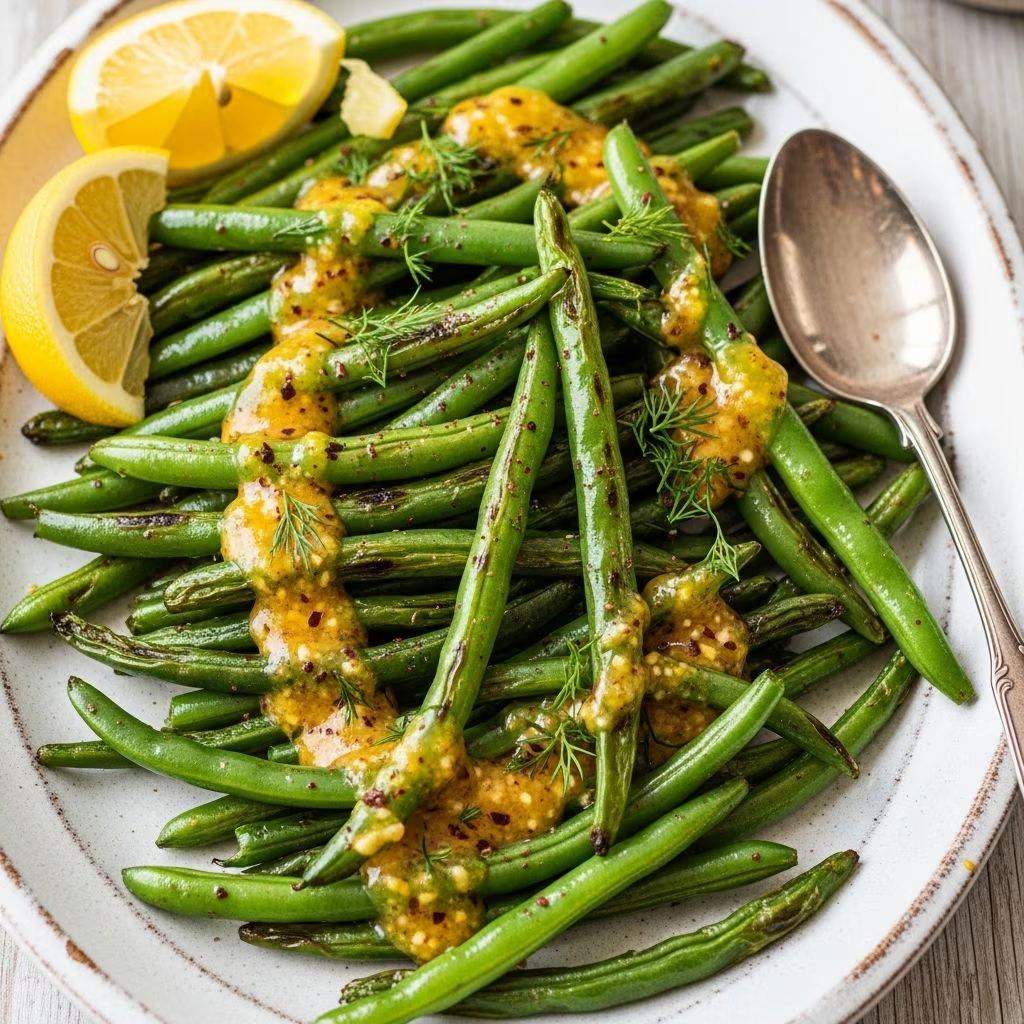
Complement your pork with roasted Brussels sprouts, sweet potato wedges, or green beans almondine. Starch options like wild rice pilaf or creamy polenta soak up pan juices. For sauces, whip up a quick pan gravy with drippings, flour, and stock, or a fresh chimichurri with parsley, garlic, and vinegar.
Wine pairings: Crisp whites like Sauvignon Blanc cut richness; lighter reds like Pinot Noir enhance earthiness.
Storing and Reheating Leftovers
Store cooled chops in airtight containers for up to 4 days in the fridge or 3 months frozen. Reheat gently in a 300°F oven with broth to prevent drying—microwaving is a last resort. Slice for sandwiches or salads to repurpose.
Nutritional Profile and Health Considerations
A 4-oz baked pork chop offers about 25g protein, 10g fat, and 200 calories, making it a lean, satiating choice. It’s rich in B vitamins, zinc, and selenium for immune support. Per USDA data, choose loin cuts for lower fat. Balance with veggies for complete meals; watch sodium in seasonings.
Frequently Asked Questions
Can I use frozen pork chops?
Thaw fully in fridge first for even cooking; baking from frozen adds 50% time and risks uneven texture.
How do I know when they’re done?
Instant-read thermometer at 145°F in thickest part, no pink juices.
Are boneless chops as good?
Yes, but brine them; they cook 2-3 minutes faster.
Can I make this gluten-free?
Absolutely—use tamari instead of soy and cornstarch slurry for gravy.
What if I don’t have a meat thermometer?
Check for clear juices and slight firmness when pressed; err on underdone.
Common Mistakes and How to Avoid Them
Top errors include skipping the brine (dry meat), high oven temps (toughens), and no rest (lost juices). Thin chops overcook fast—adjust times. Skipping sear means bland exterior. Always dry meat pre-seasoning for adhesion.
- Pat dry: Essential for browning.
- Room temp: Prevents steaming.
- Don’t flip obsessively: Let sear.
With these insights, your oven-baked pork chops will rival any restaurant. Experiment confidently, trust your thermometer, and enjoy the fruits of simple, delicious home cooking.
References
- Safe Minimum Internal Temperature Chart — USDA Food Safety and Inspection Service. 2023-05-26. https://www.fsis.usda.gov/food-safety/safe-food-handling-and-preparation/food-safety-basics/safe-temperature-chart
- Pork Cooking: Times, Temperatures & Safety — National Pork Board. 2024-02-15. https://pork.org/pork-cooking-times-temperatures/
- Nutrient Content of Pork Chops — USDA FoodData Central. 2023-11-01. https://fdc.nal.usda.gov/fdc-app.html#/food-details/167820/nutrients
- Brining Basics for Juicier Meat — Serious Eats. 2022-08-10. https://www.seriouseats.com/what-is-brining-and-should-i-do-it-science-of-brining