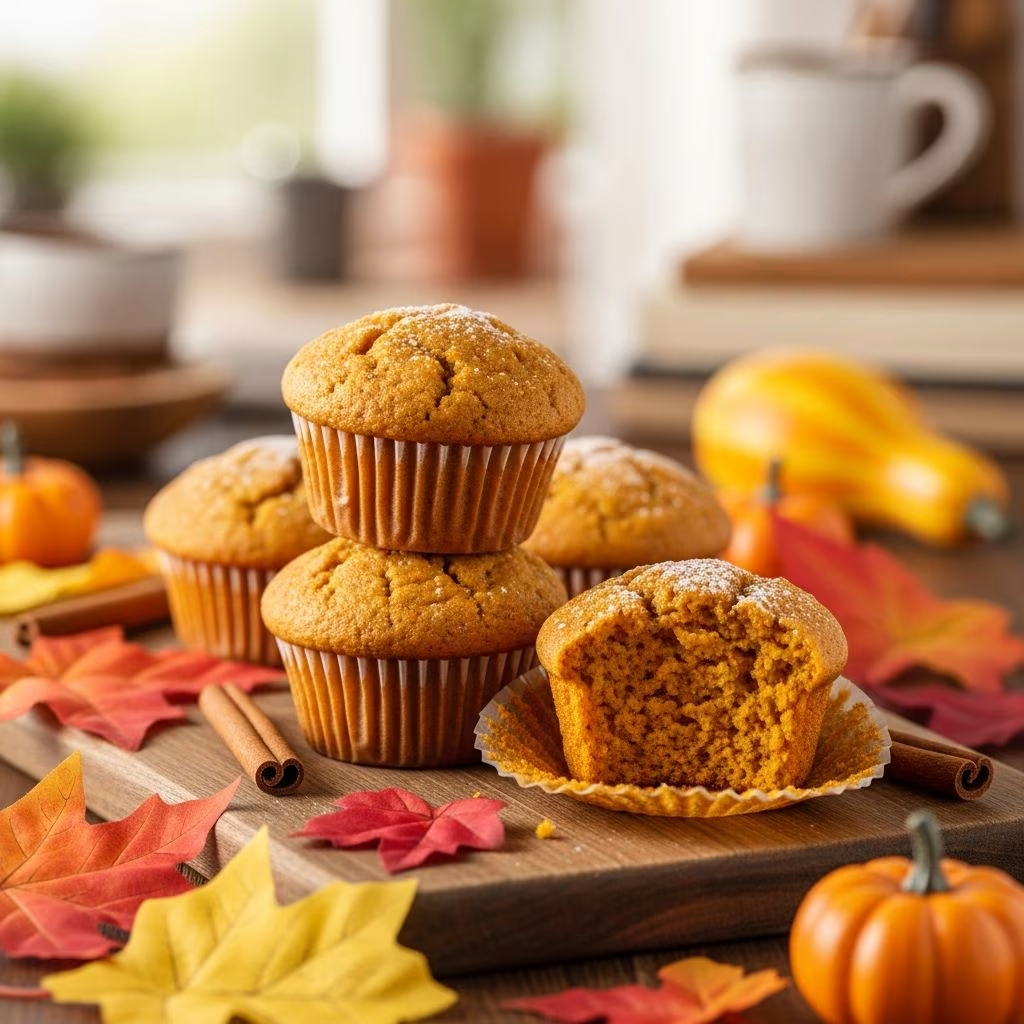
When the cooler months arrive, nothing captures the essence of the season quite like freshly baked pumpkin muffins. These beloved treats combine warm spices, natural sweetness, and the comforting appeal of pumpkin puree into portable pastries that work equally well for breakfast, afternoon snacks, or dessert. The versatility of pumpkin muffins makes them a staple in many households during fall and winter, and their straightforward preparation means both experienced bakers and kitchen novices can achieve excellent results.
Understanding the Ingredient Foundation
Creating exceptional pumpkin muffins begins with selecting quality ingredients that work harmoniously together. The foundation typically rests on a combination of wet and dry components, each playing a specific role in achieving the desired texture and flavor profile.
Wet Ingredients and Their Functions
The wet ingredient mixture forms the base structure of your muffins. Begin by combining granulated or brown sugar with vegetable oil—this combination creates moisture and tender crumb structure. Brown sugar adds subtle depth and richness compared to white sugar, contributing to a more complex flavor profile. Eggs serve as both a binding agent and a leavening component, helping the batter rise and creating structural integrity. Pumpkin puree adds moisture, natural sweetness, and the characteristic orange hue that defines these muffins.
For additional moisture and tenderness, many recipes incorporate buttermilk or milk. Buttermilk’s acidity interacts with baking soda to create lift, resulting in lighter, airier muffins. If buttermilk isn’t available, regular milk mixed with lemon juice or vinegar creates a suitable substitute.
Spice Blend Essentials
The warming spices distinguish pumpkin muffins from standard cake varieties. Cinnamon provides the predominant warm flavor note that most people associate with pumpkin baked goods. Ground ginger adds sharpness and complexity without overwhelming the palate. Nutmeg contributes earthiness and subtle sweetness, while allspice ties the blend together with its multifaceted flavor profile.
These spices should be fresh and fragrant—old spices lose potency and fail to deliver the intended taste impact. Store spices in airtight containers away from direct light and heat to maintain their aromatic compounds for extended periods.
Dry Components and Structure
All-purpose flour provides the structural backbone, creating the muffin’s crumb. Baking soda and baking powder work together to ensure proper rise and light texture. Baking soda requires an acid (such as buttermilk) to activate, while baking powder works independently. Using both creates multiple rising opportunities throughout the baking process.
A pinch of salt enhances overall flavor and balances sweetness, a technique crucial in all baking applications.
Step-by-Step Preparation Method
Initial Mixing Phase
Begin by preheating your oven to 350 degrees Fahrenheit, ensuring it reaches the proper temperature before baking commences. Line your muffin tin with paper liners or apply baking spray to prevent sticking and simplify cleanup.
In a large mixing bowl, whisk together your sugar, oil, eggs, and liquid dairy component. This initial whisking step thoroughly combines these ingredients and incorporates air, which contributes to muffin rise and lightness. The vigorous whisking should take approximately one to two minutes.
Incorporating Flavor Elements
Add your spice blend to the wet ingredients, continuing to whisk until evenly distributed. This ensures spices distribute uniformly throughout the batter, preventing concentrated pockets of flavor or missed areas without adequate seasoning.
Introduce baking soda, baking powder, and vanilla extract next, whisking briefly to combine. Then fold in your pumpkin puree, mixing just until incorporated. The pumpkin puree tends to thicken the batter slightly and should be gently combined to avoid overdeveloping gluten.
Combining Dry Ingredients
Using a large spoon or spatula rather than an electric mixer, gently fold in your flour. Overmixing at this stage develops gluten strands, resulting in dense, tough muffins rather than tender, crumbly ones. Mix only until no flour streaks remain visible—the batter should appear slightly lumpy.
Distribute the batter evenly among prepared muffin cups, filling each approximately two-thirds to three-quarters full. Overfilling causes muffins to overflow and bake unevenly, while underfilling produces dense, flat results.
Creating Textured Toppings
A streusel topping adds visual appeal and textural contrast to finished muffins. In a separate small bowl, combine brown sugar, all-purpose flour, cinnamon, and quick-cooking oats. Cut cold butter into small pieces and work it into the dry mixture using a fork or your fingertips until the texture resembles coarse breadcrumbs. This distributes fat throughout the topping, creating pockets that become crispy during baking.
Sprinkle this streusel mixture generously over each filled muffin cup before baking. Chopped nuts such as walnuts, pecans, or almonds can be scattered over the topping, adding crunch and nutritional value. The nuts toast slightly during baking, intensifying their flavor.
Baking Techniques for Perfect Results
Temperature and Timing Considerations
Bake in a preheated 350-degree Fahrenheit oven for 30 to 35 minutes. The precise timing depends on several factors including your specific oven’s characteristics, whether you’re using standard or mini muffin tins, and the thickness of your batter. Standard muffins typically require the full 35 minutes, while mini muffins need approximately 20 to 25 minutes.
Muffins are done when a toothpick inserted into the center of a muffin emerges clean or with just a few moist crumbs attached. The tops should appear golden brown and feel slightly firm when gently pressed.
Oven Variations and Adjustments
Every oven bakes differently due to variations in heating elements, insulation, and air circulation. If your muffins brown too quickly on top before the centers cook through, reduce the oven temperature by 25 degrees and increase baking time by five to ten minutes. Conversely, if your muffins bake too slowly or remain pale, increase temperature slightly.
Positioning your muffin tin in the middle oven rack ensures even heat distribution. Rotating the tin halfway through baking can help if your oven has hot spots.
Yield Variations and Pan Selection
This recipe produces either six large muffins or twelve standard muffins, depending on your pan selection and desired final size. Large muffin tins create impressive, bakery-style muffins ideal for special occasions or when serving guests. Standard muffin tins produce individual portions perfect for weekday breakfasts or lunchbox inclusions.
Mini muffin tins yield approximately 24 to 36 miniature muffins—perfect for parties, gifts, or portion control. Mini muffins require reduced baking time, typically 18 to 22 minutes at the same 350-degree temperature.
| Pan Type | Yield | Baking Time | Best Use |
|---|---|---|---|
| Large (6-cup) | 6 extra-large muffins | 35-40 minutes | Special occasions, brunch entertaining |
| Standard (12-cup) | 12 regular muffins | 30-35 minutes | Daily breakfasts, packed lunches |
| Mini (24-36 cup) | 24-36 tiny muffins | 18-22 minutes | Parties, gifting, portion control |
Storage and Serving Suggestions
Short-Term Storage
Freshly baked muffins taste best consumed within one to two days of baking. Store cooled muffins in an airtight container at room temperature, where they retain moisture and prevent staleness. The tops may remain slightly moist and tender for 24 hours after baking.
These muffins require no reheating before consumption—they taste equally delicious at room temperature as when warm from the oven.
Extended Storage and Freezing
Pumpkin muffins freeze exceptionally well, maintaining quality for up to three months. Allow muffins to cool completely before wrapping individually in plastic wrap or aluminum foil. Place wrapped muffins in freezer bags for additional protection against freezer burn.
Thaw frozen muffins at room temperature for approximately one to two hours, or heat gently in a 300-degree oven for 10 to 15 minutes for a freshly-baked sensation.
Common Questions About Pumpkin Muffin Baking
What happens if I don’t have buttermilk?
Create a buttermilk substitute by combining one tablespoon of lemon juice or white vinegar with one cup of regular milk. Allow the mixture to sit for five minutes before using, allowing the acid to sour the milk and create a similar chemical reaction.
Can I use canned pumpkin pie filling instead of pure pumpkin puree?
Pumpkin pie filling contains added sugar and spices, which would alter your recipe’s flavor balance and sweetness levels. Pure pumpkin puree gives you control over seasoning and sweetness, producing superior results.
How can I make these muffins less sweet?
Reduce the sugar quantity by one-quarter cup while maintaining all other ingredients. The reduced sweetness allows the pumpkin and spice flavors to shine more prominently.
Are these muffins suitable for dietary restrictions?
You can substitute all-purpose flour with whole wheat flour, using approximately 80 percent whole wheat and 20 percent all-purpose flour to maintain adequate rising. For oil reduction, applesauce can replace half the oil while maintaining moist texture.
Ingredient Substitution Guide
Understanding how to modify this recipe helps you adapt it to dietary preferences or ingredient availability. When substituting oil, consider that different oils affect flavor—coconut oil adds subtle sweetness, while neutral oils disappear into the background. Reduce quantities slightly as oil substitutes like applesauce contain water content.
For egg substitutions, use commercial egg replacers according to package directions, or combine two tablespoons of ground flaxseed with six tablespoons of water per egg, allowing the mixture to sit for five minutes before incorporating.
Nut selections remain flexible—walnuts, pecans, almonds, or sunflower seeds work equally well, depending on your preference and any nut allergies in your household.
Flavor Enhancement Strategies
Vanilla extract amplifies overall flavor perception and adds subtle depth. Some bakers include a splash of almond extract or orange zest to create unique variations. A tablespoon of molasses adds richness and deeper color without noticeably changing the spice profile.
Cream cheese frosting transforms these muffins into dessert-appropriate treats, while a simple vanilla glaze adds sophisticated elegance for gift-giving.
These pumpkin muffins represent the perfect balance of familiar comfort and delightful indulgence, delivering consistent excellence whether you’re a novice baker or experienced kitchen professional.
References
- The Science of Baking Soda and Baking Powder — King Arthur Baking Company. Accessed April 2026. https://www.kingarthurbaking.com/learn/articles/baking-soda-vs-baking-powder
- Pumpkin Puree Nutrition and Uses — United States Department of Agriculture (USDA). https://www.usda.gov
- Best Pumpkin Muffins — The Southern Lady Cooks. https://thesouthernladycooks.com/best-pumpkin-muffins/
- Food Storage Guidelines for Home Freezing — University of Minnesota Extension. https://www.extension.umn.edu/food-safety
- Understanding Muffin Chemistry and Texture — America’s Test Kitchen. https://www.americastestkitchen.com