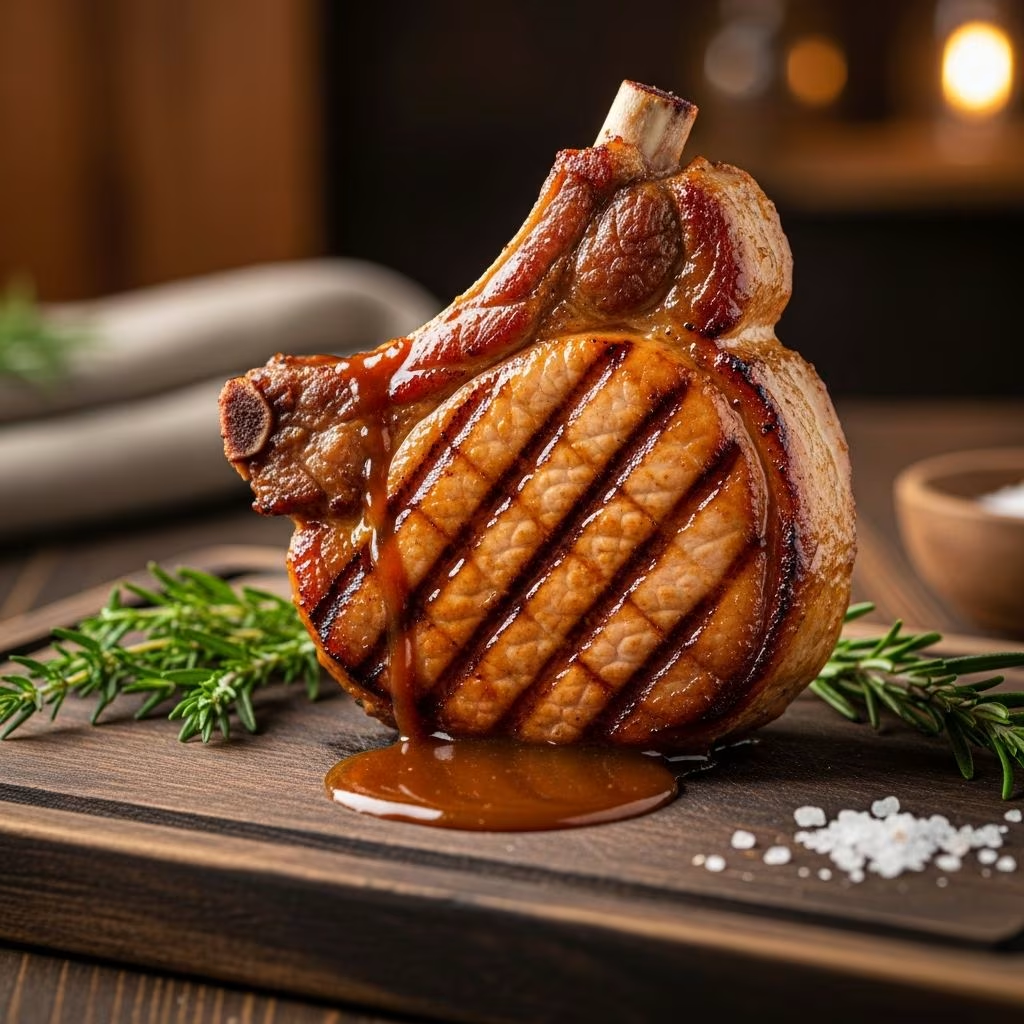
Creating a memorable pork chop dish requires more than simply searing meat and adding sauce. The foundation lies in understanding how sweetness, acidity, and savoury elements work together to build complexity on the palate. A properly executed caramel glaze transforms ordinary pork chops into a sophisticated dinner that rivals restaurant preparations, yet remains achievable in a home kitchen within minutes.
Understanding the Caramel Glaze Foundation
The backbone of any successful caramel glaze combines sweetening agents with acidic components to achieve balance. Light brown sugar serves as the primary sweetener, providing subtle molasses undertones that develop into a deeper caramel character as the glaze reduces. The inclusion of acidic elements—whether apple cider vinegar, soy sauce, or similar ingredients—prevents the final sauce from becoming cloying while adding complexity.
Beyond sugar and acid, umami-rich additions create layers of savoury depth. Fish sauce, Worcestershire sauce, and soy sauce contribute fermented, complex notes that elevate a simple glaze into something memorable. These ingredients work synergistically: the sweetness balances the saltiness, the acid cuts through richness, and the umami anchors all flavours together.
Essential Ingredients for Maximum Impact
The Sweetener
Light brown sugar works optimally because it dissolves smoothly into a glaze while imparting subtle caramel notes. Unlike white sugar, which produces a sharper sweetness, brown sugar’s molasses content adds warmth and depth. A typical glaze uses approximately one-third cup of brown sugar combined with acidic and savoury components.
Acidic Components
Apple cider vinegar, with its fruity undertones, provides brightness without harshness. Soy sauce contributes saltiness alongside acidity, while Worcestershire sauce adds tangy complexity with hints of anchovy and spice. These elements prevent the glaze from tasting one-dimensional and help it adhere to the meat’s surface as it reduces.
Savoury Depth
Dijon mustard contributes both tanginess and a subtle peppery note, while crushed garlic cloves add pungency that mellows during cooking. These ingredients should be whisked thoroughly into the glaze base to ensure even distribution before the mixture hits the hot pan.
Pork Chop Selection and Preparation
The quality of your finished dish begins with selecting the right cut and size. Boneless pork loin chops, approximately five ounces and three-quarters inch thick, provide the ideal surface-to-thickness ratio. This thickness allows sufficient time to develop a golden crust while maintaining a tender, juicy interior.
Temperature management proves crucial before cooking. Bringing pork chops closer to room temperature relaxes the muscle fibres, promoting more even cooking throughout. Allow chops to sit at room temperature for fifteen to twenty minutes before they enter the pan.
Seasoning the meat separately from the glaze builds flavour complexity. A dry rub combining smoked paprika, garlic powder, salt, and black pepper creates textural contrast against the glossy glaze. The paprika contributes subtle smokiness, while the garlic powder intensifies the dish’s savoury character.
The Searing Process: Building Colour and Texture
Achieving a proper sear requires sufficient heat and minimal crowding. Heat your pan to medium-high temperature with a light drizzle of olive oil until it shimmers. The pork chops should sizzle immediately upon contact—if they don’t, your pan requires additional heating.
Cook each side for approximately three minutes, resisting the urge to move them excessively. This patience allows the Maillard reaction to occur, creating a golden-brown crust that adds textural contrast and concentrated flavour. The rendered fat from the pork itself enhances this process and contributes to the final sauce.
After the initial sear on both flat sides, stand the chops upright to render the fat cap. This step, lasting several minutes, prevents the meat from curling and ensures the fat develops colour. If the fat strip appears particularly thick, score it lightly with a sharp knife to encourage even rendering.
Crafting the Glaze: Technique and Timing
Once the pork reaches near-doneness, remove it from the pan and reduce the heat to medium. This temperature adjustment prevents the glaze from reducing too rapidly or burning. Add unsalted butter to the pan first, allowing it to foam and develop a slightly nutty aroma.
Whisk your prepared glaze mixture briefly before pouring it into the butter. The whisking ensures ingredients remain well-combined before heat causes them to separate. Pour the mixture steadily while stirring, allowing it to incorporate with the residual fond and rendered pork fat in the pan.
Simmer the glaze for four to five minutes, stirring occasionally, until it thickens to a thin caramel consistency. The glaze should coat the back of a spoon but still flow slightly when tilted. This stage requires attention: too little time leaves the glaze thin, while too much cooking produces an overly thick, bitter result.
Return the pork chops to the pan along with their resting juices—these accumulated juices contain concentrated meat flavour that shouldn’t go to waste. Toss the chops to coat thoroughly in the glaze, then simmer for an additional thirty seconds to re-thicken the mixture around the meat.
Achieving Professional Results at Home
Temperature Control Throughout
Pork chops reach safe consumption at one hundred forty-five degrees Fahrenheit internally. Using an instant-read thermometer ensures accuracy and prevents overcooking, which results in dry, tough meat. The residual heat from the pan continues cooking the meat after removal, so removing chops when they register one hundred forty degrees allows carryover cooking to complete the process.
The Importance of Resting
Allowing cooked pork to rest for several minutes after glazing permits the muscle fibres to relax and reabsorb juices. This resting period, typically five minutes, ensures each bite remains juicy rather than dry and stringy.
Layering Flavours
The combination of seasoning salt, paprika, and garlic powder on raw meat provides foundational flavour. The glaze’s sweetness, acidity, and umami add secondary layers. The butter creates a glossy finish with subtle savoury richness. These distinct elements, when properly executed, create a complex taste experience rather than a one-note sweetness.
Complementary Sides and Serving Suggestions
Caramel-glazed pork chops pair beautifully with sides that either contrast or complement the sweet-savoury glaze. Acidic vegetables such as sautéed spinach with garlic or steamed broccoli provide textural contrast and nutritional balance. Creamy sides like mashed cauliflower or buttered rice absorb the remaining glaze without competing for attention.
For a more refined presentation, serve the pork alongside roasted root vegetables such as carrots or parsnips, which echo the glaze’s caramel character while maintaining their own distinct identity.
Troubleshooting Common Issues
| Problem | Cause | Solution |
|---|---|---|
| Glaze too thin | Insufficient reduction time | Simmer an additional two to three minutes over medium heat |
| Glaze too thick or burnt | Excessive heat or reduction time | Add water one tablespoon at a time to thin; lower heat immediately |
| Pork tough or dry | Overcooking or insufficient resting | Remove at one hundred forty degrees; rest five minutes minimum |
| Chops curl during cooking | Thick fat cap unexpanded | Score the fat cap before cooking; cook fat-side-up briefly |
| Glaze sliding off meat | Insufficient glaze viscosity when plating | Ensure glaze reaches proper caramel consistency before adding pork |
Frequently Asked Questions
Can I prepare the glaze in advance?
Yes. Combine all dry and liquid glaze ingredients in a small container and refrigerate up to three days. Whisk before using to recombine any separated elements. This advance preparation reduces cooking time significantly on busy weeknights.
What if I don’t have apple cider vinegar?
Red wine vinegar or white vinegar works adequately, though apple cider vinegar’s fruity notes add specific character. Adjust quantities slightly if substituting, as different vinegars possess varying acidity levels.
How thick should the pork chops be?
Three-quarters inch thickness provides optimal balance between crust development and interior tenderness. Thinner chops cook too quickly and may dry out, while thicker cuts require longer cooking times that can oversaturate the glaze.
Can I use bone-in pork chops instead?
Absolutely. Bone-in chops require approximately one to two additional minutes of cooking time. The bone adds flavour to the glaze and provides visual appeal for plating.
Is fish sauce essential for the glaze?
Fish sauce provides distinctive umami depth, but alternatives exist. Soy sauce alone, combined with Worcestershire sauce and a small amount of anchovy paste if available, creates similar complexity.
References
- Brown Sugar Glazed Pork Chops — Don’t Go Bacon My Heart. 2024. https://www.dontgobaconmyheart.co.uk/brown-sugar-glazed-pork-chops/
- Caramel-Glazed Pork Chops — American Made Grills. 2024. https://americanmadegrills.com/blogs/recipes/caramel-glazed-pork-chops
- Food Safety: Safe Internal Temperatures — U.S. Department of Agriculture. 2024. https://www.fsis.usda.gov/food-safety/safe-food-handling-and-preparation/food-safety-basics/safe-internal-temperatures