Understanding This Versatile Pastry Creation
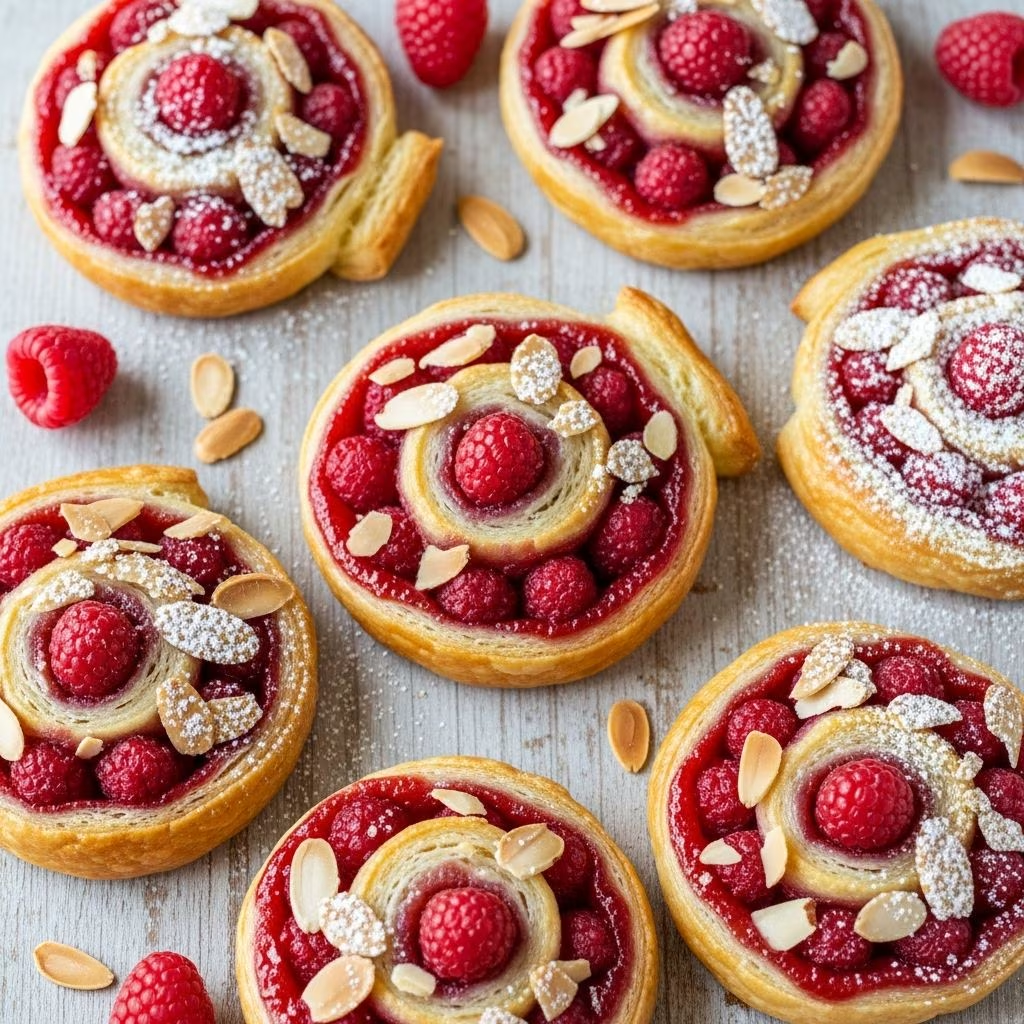
Pastry swirls represent one of the most visually striking yet surprisingly accessible desserts in the home baker’s repertoire. These elegant spirals combine the delicate layers of pastry with the bright tartness of fruit and the subtle earthiness of nuts, creating a treat that appears far more complicated than its preparation suggests. Whether you’re entertaining guests, contributing to a holiday gathering, or simply treating yourself to something special, these pastry pinwheels deliver both aesthetic appeal and genuine flavor complexity.
The beauty of this dessert lies in its versatility. The basic technique remains consistent, yet infinite variations emerge through ingredient substitutions and creative presentations. From traditional French tea service accompaniments to modern brunch displays, these pastries adapt seamlessly to any occasion or flavor preference.
Essential Ingredients and Their Roles
Creating successful pastry swirls requires understanding how each component contributes to the final product. Rather than simply mixing ingredients, recognizing their individual purposes leads to superior results and greater confidence in the kitchen.
The Foundation: Pastry Selection
Puff pastry serves as the structural foundation for these pastries. This laminated dough creates the characteristic flaky, crispy texture through alternating layers of butter and flour. You have two primary options: frozen commercial puff pastry or homemade versions. Commercial varieties offer convenience and consistent results, requiring only thawing before use. A standard 17.3-ounce box typically contains two sheets, with each sheet yielding approximately twelve individual pinwheels. Homemade puff pastry, while more time-intensive, provides superior flavor and allows complete control over ingredients, particularly important for those avoiding specific additives or preferring organic components.
The Filling Foundation: Quality Jam Selection
Raspberry jam forms the fruity base of your filling. Superior results emerge from selecting high-quality preserves with genuine fruit content rather than heavily processed alternatives. Whole-fruit jams provide superior flavor and texture compared to smooth varieties, though personal preference ultimately guides your choice. Consider seeking out small-batch or artisanal jams from local producers, which often feature richer, more complex berry flavors than mass-market options. The jam serves multiple functions: it provides moisture to prevent dryness, contributes brightness and acidity to balance richness, and creates those appealing red spirals visible when sliced.
The Nutty Component: Almond Paste and Ground Almonds
Almond paste or finely ground almonds add textural interest and sophisticated flavor depth. Almond paste, made from ground almonds mixed with sugar and sometimes binding agents, offers convenience and consistent texture. Alternatively, toasting whole almonds before grinding them yourself produces superior flavor through the development of complex roasted notes. The process of toasting activates enzymes within the nuts, intensifying their naturally sweet profile and adding subtle complexity that raw almonds cannot provide. Whether using prepared almond paste or fresh ground almonds, this component prevents the filling from becoming merely fruity, instead creating a more nuanced flavor profile that keeps palates engaged.
Supporting Ingredients
Eggs bind and enrich the pastry, while water creates an egg wash that promotes browning and gives the finished pastries an appealing shine. Sugar sprinkled over the egg wash caramelizes during baking, creating a subtle sweet crust that adds textural contrast. Some recipes incorporate vanilla extract or other flavorings, though these remain optional depending on your preferences.
Preparation Techniques for Success
Pre-Baking Organization
Success begins before heat enters the equation. Thaw your puff pastry according to package instructions, typically requiring several hours at room temperature. Never rush this process, as partially thawed pastry becomes difficult to handle and may tear. While pastry thaws, prepare your workspace: line baking sheets with parchment paper, measure and organize all filling ingredients, and ensure your oven rack positions allow for even heat circulation.
Pastry Preparation and Rolling
Once thawed, place the pastry sheet on a lightly floured work surface. Using a rolling pin, gently extend the pastry to approximately 10 by 12 inches, working from the center outward to maintain even thickness. Avoid applying excessive pressure, which deflates the natural layers and compromises the final texture. A light hand produces superior puff and crispness.
Strategic Filling Application
Spread jam evenly across the pastry surface, leaving approximately one inch of bare pastry along one long edge. This border prevents filling from squeezing out during rolling and ensures a proper seal. Distribute almonds or almond paste uniformly over the jam layer. Inconsistent distribution results in some bites being filling-heavy while others taste predominantly of pastry.
Rolling and Slicing Methodology
Beginning from the long edge closest to you, roll the pastry tightly using a jelly-roll technique. The reserved one-inch border seals the roll when the final rotation brings it into contact with the dough. Once rolled, allow the log to rest briefly before slicing to prevent filling from leaking during cutting. Using a sharp knife, create one-inch slices, wiping the blade between cuts to maintain clean edges. Cleaner cuts produce more attractive spirals and prevent crushing the delicate layers.
Baking and Finishing
Temperature and Timing Considerations
Preheat your oven to 400°F, ensuring it reaches full temperature before pastries enter. This high heat is essential for proper puffing and browning. Bake prepared pastries for 18 to 20 minutes until they achieve a light golden-brown color and visible puffing. The pastry should feel crisp when removed from the oven, though it will continue firming as it cools.
Egg Wash Application
Before baking, brush pastry swirls with prepared egg wash using a soft brush or pastry feather. This thin coating promotes even browning and creates an appetizing shine. Sprinkle granulated sugar over the egg wash for additional visual appeal and a subtle sweet crunch that contrasts with the soft filling.
Cooling and Serving
Allow pastries to cool on wire racks before serving. They are best enjoyed slightly warm, when the pastry remains crisp but the filling has not yet completely solidified. This temperature range maximizes flavor perception and creates the ideal textural contrast between crispy exterior and tender filling.
Variations and Creative Adaptations
| Variation | Key Modifications | Flavor Profile |
|---|---|---|
| Blackberry-Pistachio | Substitute blackberry jam and toasted ground pistachios | More robust, slightly earthy |
| Strawberry-Hazelnut | Use strawberry preserves and roasted hazelnut spread | Lighter, more delicate sweetness |
| Mixed Berry-Walnut | Combine berry jams and finely chopped toasted walnuts | Complex, deeper nutty notes |
| Apricot-Almond | Replace raspberry with quality apricot preserves | Subtle, sophisticated fruitiness |
| Vanilla Bean-Almond | Add vanilla bean paste to filling before spreading | Enhanced aromatic quality |
Storage and Make-Ahead Strategy
These pastries maintain quality for up to three days when stored in airtight containers at room temperature. For longer storage, freeze unbaked rolled logs for up to three months. When ready to bake, slice while still frozen and add 2-3 minutes to baking time, or allow the log to thaw slightly before slicing for easier cuts.
Alternatively, bake the pastries fully and freeze them for up to two months. Reheat in a 300°F oven for 5-7 minutes to restore pastry crispness before serving. This make-ahead approach proves invaluable for entertaining, allowing you to prepare components in advance and simply finish baking shortly before guests arrive.
Professional Tips for Exceptional Results
- Temperature Control: Work with pastry that remains cool to the touch. Warm pastry becomes sticky and difficult to handle. Refrigerate between steps if necessary.
- Jam Consistency: Use preserves rather than jam if available, as they contain fewer seeds and spread more evenly. Warm jam briefly if it seems too stiff to spread smoothly.
- Almond Preparation: Toasting almonds before grinding intensifies flavor dramatically. Toast until fragrant but not darkened, as burnt almonds create bitter notes.
- Pastry Handling: Minimize handling and folding of the pastry, as this compresses the delicate layers and reduces puffing potential.
- Even Baking: Rotate baking sheets halfway through cooking for consistent browning, particularly if your oven has hot spots.
- Knife Sharpness: A truly sharp knife produces cleaner cuts than sawing motions. A serrated bread knife works beautifully for slicing rolled logs.
Frequently Asked Questions
Can I prepare the pastry swirls a day in advance?
Yes. After slicing but before baking, arrange pastries on parchment-lined baking sheets, cover loosely with plastic wrap, and refrigerate for up to 24 hours. Bake directly from the refrigerator, adding 1-2 minutes to the baking time. This advance preparation actually improves results by allowing gluten to relax, producing even more tender pastries.
What should I do if my pastry cracks during rolling?
Small cracks are usually cosmetic and will seal during baking. For larger tears, gently press the dough together and continue rolling. If a section tears extensively, you can patch it with a small piece of dough from the edge. The pastry will still puff and brown normally despite these minor imperfections.
How do I prevent filling from leaking out during baking?
Ensure you leave that crucial one-inch border without filling, roll tightly to create good contact between layers, and don’t overfill. Using jam rather than very runny preserves also helps prevent leakage. If leakage occurs, it doesn’t affect taste, only appearance.
Can I use other nuts besides almonds?
Absolutely. Pecans, walnuts, hazelnuts, and pistachios all work beautifully. Toast them similarly and grind to a consistency matching almond texture. Different nuts create entirely different flavor profiles, allowing personalization based on preference.
Is there a way to make these gluten-free?
Yes, by using quality gluten-free puff pastry sheets, now widely available. The technique remains identical, though gluten-free pastry may require slightly different handling due to altered dough structure. Follow your specific pastry brand’s thawing and handling instructions.
Nutritional Considerations
Each pastry typically contains between 140-160 calories, depending on size and filling quantity. The primary caloric sources are the butter in puff pastry and the sugar in both jam and almond paste. These pastries provide modest amounts of protein from almonds and eggs, along with fiber from almonds and fruit. While not health-focused foods, they represent reasonable portion-controlled indulgences suitable for occasional treats or special occasions.
Serving Suggestions and Occasions
These elegant pastries enhance numerous occasions. Serve at morning tea gatherings alongside coffee or tea, present at holiday brunch buffets, include in dessert sampler platters, or package individually as gifts. The visual appeal makes them photograph beautifully, ideal for social media sharing or decorative presentation. The relatively small size allows guests to enjoy them without excessive indulgence, making them perfect finger-food options for cocktail parties or dessert receptions.
Conclusion: Accessible Elegance in Your Kitchen
Creating impressive pastry swirls requires no specialized equipment or advanced techniques, merely attention to detail and quality ingredients. The combination of crispy, buttery pastry with bright fruit and nutty depth delivers sophisticated flavor that belies the straightforward preparation. Whether you’re a beginner baker seeking confidence-building projects or an experienced cook exploring new presentations, these pastries reward your efforts with beautiful results and genuine deliciousness. Once mastered, the basic technique opens possibilities for infinite variations, ensuring these pastries remain interesting and relevant across seasons and occasions.
References
- Puff Pastry in Baking: Science and Technique — King Arthur Baking Company. 2024. https://www.kingarthurbaking.com/learn/puff-pastry
- Nut Roasting and Flavor Development — University of California Agriculture and Natural Resources. 2023. https://anrstaff.ucdavis.edu/nut-roasting-flavor
- Food Safety Guidelines for Home Baking — USDA Food Safety and Inspection Service. 2024. https://www.fsis.usda.gov/food-safety/safe-food-handling-and-preparation
- Baking Temperature and Heat Transfer in Ovens — International Association of Culinary Professionals. 2023. https://www.iacp.com/resources/baking-science