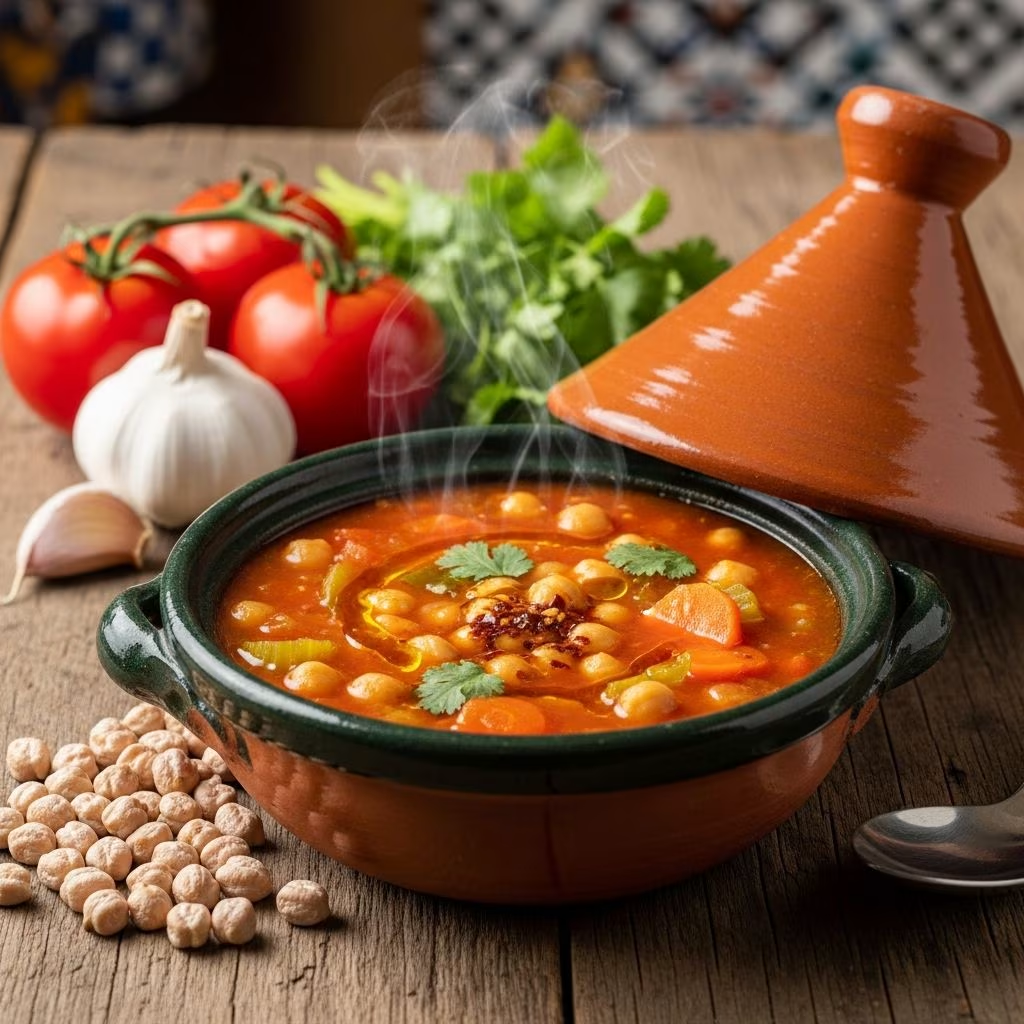
Lablabi represents far more than a simple soup in Tunisian culture—it embodies the essence of North African comfort food that has sustained communities for generations. This humble yet sophisticated dish demonstrates how minimal ingredients, when combined with proper technique and respect for tradition, can produce exceptional culinary results. The dish serves as a testament to Tunisian kitchen wisdom, where the interplay between elemental components creates layers of flavor that far exceed what the ingredient list might suggest.
The beauty of lablabi lies in its accessibility and versatility. Whether prepared as a quick weekday meal or elevated for special occasions, this chickpea-based creation adapts to available resources while maintaining its essential character. Street vendors throughout Tunisia serve steaming bowls of lablabi to workers beginning their day, making it as much a cultural institution as a recipe.
The Foundation: Essential Ingredients Explained
Creating authentic lablabi begins with understanding the role each component plays in the final dish. The ingredient list appears deceptively simple, yet each element serves a specific purpose in building the soup’s complex flavor profile.
Chickpeas: The Soul of the Dish
Dried chickpeas form the backbone of traditional lablabi preparation. These legumes require overnight soaking to achieve proper hydration before cooking, a step that cannot be rushed without compromising texture and flavor development. Approximately one pound of dried chickpeas, once cooked, produces the creamy base that defines this soup. The cooking liquid itself becomes integral to the final product, carrying dissolved starches and proteins that create the characteristic texture.
Some contemporary adaptations employ canned chickpeas for convenience, reducing total preparation time from several hours to under forty minutes. While this modification sacrifices some depth from extended cooking times, the resulting dish remains recognizably authentic and deeply satisfying.
Aromatic Building Blocks
The onion preparation process represents a crucial but often overlooked technique in lablabi construction. Rather than simply softening onions, the traditional method involves slow cooking and deliberate charring. This process transforms ordinary onions into caramelized flavor powerhouses through the Maillard reaction, creating savory, almost meaty undertones that deepen the soup’s complexity.
Garlic and cumin work in concert to establish the aromatic foundation. Ground cumin contributes warm, nutty notes that characterize Tunisian cuisine, while garlic provides pungent aromatics that become mellow and sweet through extended cooking. The combination of these elements, enhanced by the charred onions, produces a flavor foundation that seems to contain meat despite the complete absence of animal proteins.
Bright Acidic Elements
Fresh lemon juice serves multiple functions within lablabi. Beyond contributing bright citrus notes, the acid deglazes the pan containing charred onions, extracting caramelized bits that pack enormous flavor. This deglaze liquid becomes part of the soup itself, ensuring no precious flavors are wasted. The acidity also balances the earthiness of chickpeas and the richness of olive oil, creating a well-rounded palate sensation.
Supporting Cast of Ingredients
Extra virgin olive oil provides fat-soluble flavor vehicle and authentic Mediterranean character. Salt amplifies all other flavors while serving as a preservative—approximately two and a half teaspoons distributed strategically throughout cooking achieves proper seasoning without overwhelming. Fresh parsley adds herbaceous brightness and visual appeal, while crushed red pepper introduces optional heat for those desiring additional spice complexity.
Preparation Techniques: Building Flavor Methodically
The cooking sequence matters significantly in lablabi preparation. Understanding the timing and sequence of steps ensures each element develops its intended characteristics.
The Chickpea Cooking Phase
Beginning with soaked, drained chickpeas, the legumes cook in eight cups of fresh water brought to a boil, then reduced to a simmer. This initial phase typically requires 60 to 90 minutes of gentle cooking until chickpeas reach complete tenderness. Partial coverage with a lid prevents excessive evaporation while allowing steam to escape, maintaining proper liquid levels without creating a pressure cooker effect. This unhurried cooking allows chickpeas to absorb water gradually, resulting in creamy interiors while maintaining structural integrity.
The Onion Transformation
While chickpeas cook, the onion mixture requires separate attention. Medium heat combined with olive oil and ground cumin initiates the process, with occasional stirring distributing heat evenly. After approximately five minutes of standard cooking, minced garlic and salt join the mixture, reducing heat to low for an additional ten minutes of gentle cooking. The final phase involves covering the pan completely and continuing to cook for another ten minutes until visible blackening appears on the onion surface—this charring creates the desired caramelization without burning into bitter char.
Integration and Final Seasoning
Once chickpeas achieve proper tenderness, the charred onion mixture transfers to the chickpea pot. The pan used for onions receives fresh lemon juice and vigorous scraping with a spoon, lifting every fragment of caramelized material into the acidic liquid. This flavorful mixture then combines with the chickpeas, along with additional salt and black pepper adjusted to taste. A final ten-minute simmer allows all components to meld and develop unified flavor.
Serving Traditions and Presentation Methods
Traditional Accompaniments
Authentic lablabi presentation incorporates several traditional elements that transform the dish into a complete meal. Rustic, preferably stale bread pieces form the foundation of individual bowls, providing textural contrast and absorbing the flavorful broth. This bread component elevates lablabi from soup to stew, creating a more substantial, satisfying dish than broth alone.
Poached eggs represent the classical protein addition in Tunisia, contributing richness and additional nutrition. The egg cooks separately in boiling water, with the white just set but yolk remaining soft enough to break into the warm soup. Fresh herbs, particularly parsley and cilantro, add herbaceous freshness and visual brightness to finished bowls.
Modern Variations and Adaptations
Contemporary preparations often incorporate harissa paste, a complex blend of chiles and spices that adds both heat and depth. While not universally included in all traditional recipes, harissa has become standard in many modern interpretations, particularly when vegetarian versions replace traditional tuna accompaniments.
Optional toppings expand possibilities for customization: cooked tuna, olives, chopped green onions, and additional drizzles of premium olive oil allow individual diners to adjust final flavor and richness according to preference. Lemon wedges served alongside provide additional acidity for those desiring more citrus brightness.
Ingredient Sourcing and Quality Considerations
| Ingredient | Selection Criteria | Quality Impact |
|---|---|---|
| Chickpeas (Dried) | Uniform size, no discoloration or insect damage | Ensures even cooking and superior final texture |
| Olive Oil | Extra virgin, cold-pressed when possible | Contributes authentic flavor and aromatic complexity |
| Garlic | Fresh, firm bulbs without sprouting | Delivers clean, potent aromatic character |
| Lemon | Thin-skinned, heavy for size, bright color | Maximizes juice yield and tartness precision |
| Cumin | Whole seeds purchased from reputable sources | Ground fresh before use provides superior warmth and aroma |
| Bread | Rustic varieties like sourdough or country loaves | Stale bread absorbs broth more effectively than fresh |
Nutritional Profile and Health Considerations
Lablabi offers substantial nutritional benefits alongside its culinary appeal. Chickpeas provide plant-based protein, fiber, and essential minerals including iron and manganese, making this dish particularly valuable for vegetarian and vegan diets. The combination of chickpeas with bread creates complete protein profiles containing all essential amino acids necessary for human nutrition.
Olive oil contributes monounsaturated fats associated with cardiovascular health benefits in Mediterranean dietary patterns. The fresh herbs and lemon juice provide vitamin C and antioxidant compounds. The overall dish, particularly vegetarian versions without meat-based additions, fits comfortably within contemporary nutritionally-conscious eating approaches while delivering authentic, satisfying flavor.
Troubleshooting Common Preparation Issues
Addressing Texture Problems
Inconsistent chickpea texture typically results from either insufficient soaking or uneven heat during cooking. Ensuring complete water coverage during overnight soaking and maintaining consistent, gentle heat throughout the cooking phase prevents textural inconsistencies. Partially covered pots strike the ideal balance between evaporation control and steam release.
Flavor Development Concerns
Insufficient charring of onions commonly produces underwhelming final flavor. Patience during the onion cooking phase—allowing the full 30 minutes for charring to develop—significantly impacts the finished dish’s depth. Skipping the deglaze process wastes valuable caramelized flavors that specifically create the meaty character appreciated in quality lablabi.
Broth Consistency Management
Overly thin broth results from excessive water or insufficient cooking time. Extended simmering allows chickpeas to release starches that naturally thicken the broth. If broth remains too thin after cooking, mashing a portion of the chickpeas against the pot side contributes additional starch and body.
Frequently Asked Questions
Can I prepare lablabi in advance?
Yes, lablabi actually improves when prepared a day or two ahead, as flavors meld and deepen during refrigeration. Store in airtight containers and gently reheat before serving, adding fresh herbs and bread components fresh at serving time for optimal texture and brightness.
How does lablabi differ from other chickpea soups?
Lablabi’s distinctive character emerges from the specific combination of charred onions, the particular spice blend emphasizing cumin, and the traditional bread and egg presentation. This combination creates a soup/stew hybrid that transcends simple legume preparations.
What are acceptable substitutes for traditional ingredients?
Canned chickpeas substitute acceptably for dried varieties when time constraints exist. Harissa can be replaced with cayenne pepper for simpler heat, though some complexity diminishes. Vegetable broth can replace water if deeper flavor is desired, though purists argue this violates traditional simplicity.
How many people does a typical batch serve?
A recipe using one pound of dried chickpeas typically serves 6 people as a main course, or 8 to 10 as a first course. Canned chickpea versions using two 15-ounce cans appropriately serve 4 as a complete meal.
Cultural Context and Culinary Significance
Lablabi occupies a central position in Tunisian food culture, particularly in urban areas where street vendors maintain thriving lablabi stands serving breakfast to workers and students. This accessibility democratizes sophisticated cuisine, making complex flavor available to all economic classes. The dish represents Tunisian culinary values emphasizing resourcefulness, respect for fundamental ingredients, and the belief that technique transforms simplicity into excellence.
Beyond Tunisia, lablabi appears throughout North Africa with regional variations reflecting local ingredient availability and cultural preferences. The fundamental principles—legumes, bread, warm spices, and bright acidic elements—remain consistent across interpretations, demonstrating the dish’s universal appeal and the wisdom embedded in its basic structure.
References
- Lablabi (Tunisian Chickpea Soup) — Tangled Up In Food. Accessed April 8, 2026. https://www.tangledupinfood.com/lablabi-tunisian-chickpea-soup
- Lablabi – Tunisian Chickpea Soup/Stew — Caroline’s Cooking. Accessed April 8, 2026. https://www.carolinescooking.com/lablabi-tunisian-chickpea-soup-stew/
- Lablabi (Tunisian Chickpea Stew) — The Mediterranean Dish. Accessed April 8, 2026. https://www.themediterraneandish.com/lablabi-tunisian-chickpea-stew/
- Lablabi: The Best Soup in the World — 177 Milk Street. Accessed April 8, 2026. https://www.177milkstreet.com/stories/lablabi-the-best-soup-in-the-world