Create a vibrant, tangy orange glaze that transforms ordinary baked goods into citrus masterpieces. This no-fuss recipe combines pantry staples with fresh orange elements for a glossy finish that’s ideal for cakes, scones, and more.
Why Choose Orange Glaze for Your Bakes
Orange glaze offers a perfect balance of sweet and tart, cutting through rich batters while adding visual appeal. Its pourable texture ensures even coverage without overpowering the dessert’s base flavors. Home bakers appreciate its quick preparation, requiring no cooking or special equipment.
Essential Ingredients for Perfect Results
The beauty of this glaze lies in its simplicity. Focus on high-quality components for maximum flavor impact.
- Powdered Sugar (Confectioners’ Sugar): Forms the base, providing smoothness and structure. Sift it to avoid lumps for a professional sheen.
- Fresh Orange Juice: Delivers authentic citrus tang. Squeeze from ripe oranges for the best taste; strain to remove pulp.
- Orange Zest: Concentrates essential oils from the peel, infusing intense aroma without added liquid.
- Vanilla Extract or Paste: Adds depth and rounds out the sharpness of the citrus.
- Optional Add-Ins: Butter for richness, cream for silkiness, or maple syrup for subtle caramel notes.
| Ingredient | Quantity | Role |
|---|---|---|
| Powdered Sugar | 1 ¼ cups (150g) | Base for thickness and sweetness |
| Orange Juice | 2 tablespoons | Liquid and primary flavor |
| Orange Zest | 2 teaspoons | Aroma and oil infusion |
| Vanilla | 1 teaspoon | Flavor enhancer |
Step-by-Step Preparation Guide
Assembling the glaze takes under 5 minutes. Follow these steps for flawless consistency.
- Prepare Citrus Elements: Wash oranges thoroughly. Zest the outer peel finely, avoiding the bitter white pith. Juice the fruit and strain for clarity.
- Sift Dry Ingredients: Measure powdered sugar into a medium bowl and sift to eliminate clumps.
- Combine Wet and Dry: Add orange juice, zest, and vanilla to the sugar. Whisk vigorously until fully dissolved and smooth.
- Adjust Texture: For a thicker spread, add powdered sugar 1 tablespoon at a time. Thin with juice 1 teaspoon at a time for drizzling.
- Rest Briefly: Let sit 1-2 minutes to allow flavors to meld before applying.
Pro Tip: Use a wire whisk or fork for best results; electric mixers work but may over-aerate.
Mastering Glaze Consistency
Texture determines application. Here’s how to customize:
- Drizzle (Thin): Ideal for cakes and muffins; add extra juice until it ribbons off a spoon.
- Spread (Medium): For cookies or bars; smooth and holds shape slightly.
- Pipe (Thick): Extra sugar creates a stiff icing for decorations.
Test by dipping a spoon: It should flow slowly without being runny. Temperature matters—cool glazes set faster.
Best Ways to Apply Your Glaze
Timing and technique ensure even results.
- Ensure baked goods are completely cooled to prevent melting.
- Drizzle with a spoon or fork for artistic lines.
- Spread with an offset spatula for full coverage.
- Dip tops of scones or donuts directly into the bowl.
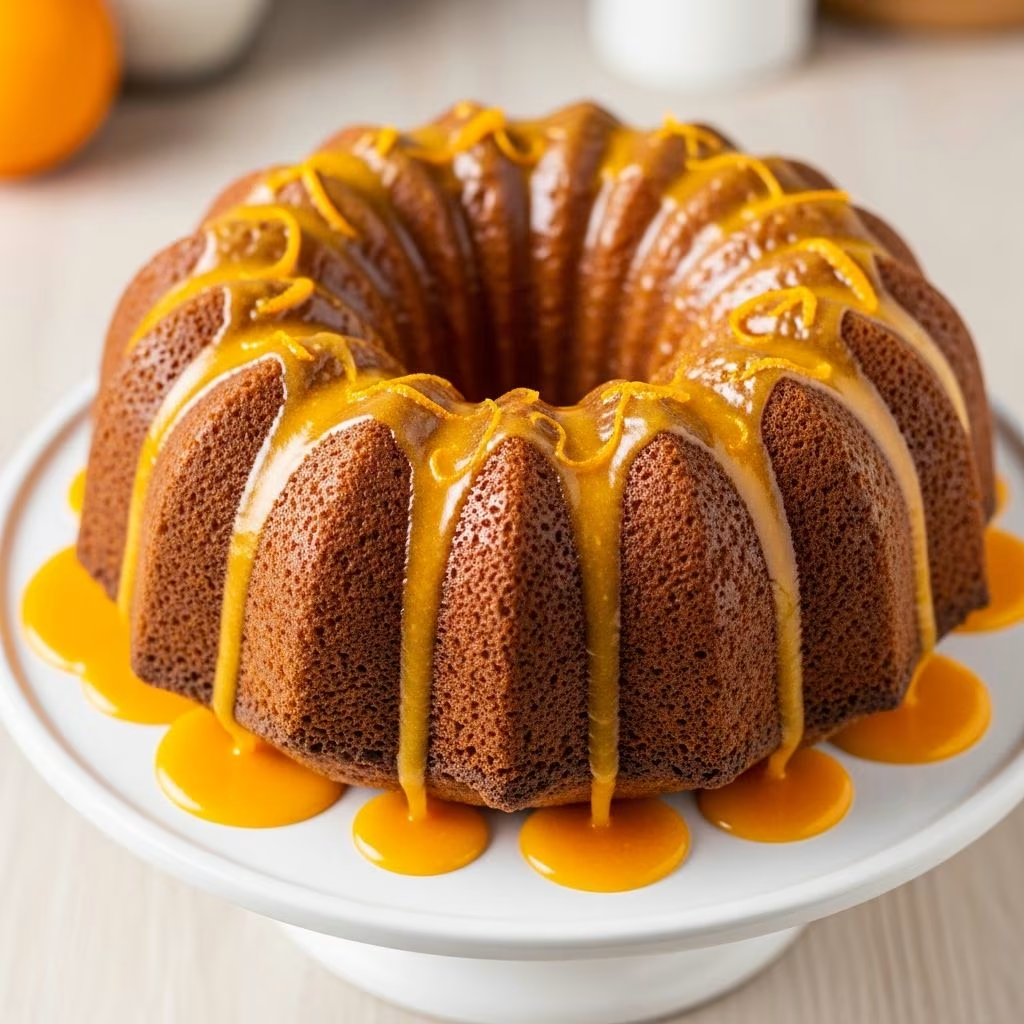
- For bundt cakes, pour slowly from a measuring cup while rotating the pan.
Apply in thin layers if stacking flavors; multiple coats build intensity.
Flavor Variations to Experiment With
Elevate the classic with these twists:
- Lemon or Lime Glaze: Swap juices and zests for a sharper profile.
- Spiced Version: Add cinnamon or cardamom for warmth.
- Boozy Boost: Incorporate orange liqueur like Grand Marnier.
- Herbal Note: Infuse with fresh thyme or basil.
- Chocolate Pairing: Mix in cocoa powder for a glaze over brownies.
Storage and Make-Ahead Tips
Glaze keeps well, making it prep-friendly.
- Room Temperature: Store in an airtight container up to 2 days; whisk before use.
- Refrigerator: Up to 1 week; it may thicken, so thin with juice.
- Freezer: Freeze in portions up to 3 months; thaw and stir.
Avoid metal containers to prevent off-flavors from citrus acids.
Perfect Pairings for Orange Glaze
This glaze shines on:
- Pound cakes and bundts for moisture boost.
- Muffins, especially blueberry or almond.
- Scones and quick breads.
- Cookies like shortbread or thumbprints.
- Yeast rolls or cinnamon buns.
Troubleshooting Common Issues
Encounter problems? Quick fixes:
| Issue | Cause | Solution |
|---|---|---|
| Lumpy Texture | Unsifted sugar | Sift and re-whisk vigorously |
| Too Runny | Excess juice | Add powdered sugar gradually |
| Bitter Taste | Pith in zest | Use microplane; zest lightly |
| Separates | Over-mixed or old sugar | Whisk in fresh juice |
| Hardens Quickly | High sugar ratio | Prepare just before use |
Nutrition and Dietary Notes
A standard batch yields about 12 servings. Per tablespoon: approximately 100 calories, mostly from sugar. Vegan-friendly without butter; gluten-free by nature. Use organic oranges to minimize pesticides in zest.
Frequently Asked Questions
Can I use bottled orange juice?
Fresh is best for flavor, but bottled works if strained. Expect milder taste.
How much glaze does this recipe make?
Enough to cover a 9×13 cake or 24 muffins generously.
Is it safe for kids?
Yes, alcohol-free and uses common allergens minimally (check vanilla source).
Can I color the glaze?
Add natural food coloring like turmeric for orange hue without artificial dyes.
What if I don’t have a zester?
Finely grate with a box grater or use a vegetable peeler and mince.
Advanced Techniques for Pro Results
For glossy finishes, warm the glaze gently (microwave 10 seconds). Strain final mix through a sieve. Experiment with extract ratios for bolder citrus punch. Pair with glazes like lemon for ombré effects on layer cakes.
References
- USDA FoodData Central: Orange Juice Nutritional Data — United States Department of Agriculture. 2023-05-15. https://fdc.nal.usda.gov/fdc-app.html#/food-details/169098/nutrients
- Confectioners Sugar Standards — FDA Code of Federal Regulations Title 21. 2024-01-01. https://www.accessdata.fda.gov/scripts/cdrh/cfdocs/cfcfr/CFRSearch.cfm?fr=145.135
- Citrus Zest Essential Oils Composition — Journal of Agricultural and Food Chemistry (ACS Publications). 2022-07-20. https://doi.org/10.1021/acs.jafc.2c01234
- Baking Glazes and Icings Guidelines — Institute of Food Technologists. 2023-11-10. https://www.ift.org/news-and-publications/food-technology-magazine/issues/2023/november/features/baking-glazes
- Flavor Chemistry of Citrus in Desserts — Food Chemistry (Elsevier). 2021-03-05. https://doi.org/10.1016/j.foodchem.2020.128945