Boxed mac and cheese represents one of the most convenient comfort foods available to home cooks, offering quick meal solutions for busy weeknights and satisfying cravings for creamy pasta dishes. While the basic preparation yields an acceptable result, the foundation of this humble product can be substantially improved through the addition of complementary ingredients and refined cooking techniques. This guide explores practical methods for transforming standard boxed mac and cheese into a more sophisticated dish that rivals homemade versions while maintaining the convenience and affordability that make boxed options appealing.
Understanding the Foundation: Why Boxed Mac and Cheese Benefits from Enhancement
The standard boxed mac and cheese formula consists of pasta and a dehydrated cheese powder packet designed to create an acceptable sauce when combined with butter and milk according to package directions. However, the inherent limitations of this formula present opportunities for improvement. The cheese powder, while flavorful, often lacks the depth, creaminess, and complexity associated with freshly prepared cheese sauces. Additionally, the basic preparation method does not account for individual preferences regarding texture, richness, or additional flavor dimensions that home cooks might desire.
By approaching boxed mac and cheese as a starting point rather than a finished product, cooks can leverage the convenience factor while introducing ingredients that significantly enhance the overall eating experience. This methodology appeals to those seeking restaurant-quality results without investing the time required for completely homemade preparations.
The Creaminess Factor: Strategic Dairy Additions
One of the most effective upgrades involves modifying the dairy components beyond the basic milk and butter specified in package directions. The standard formula often relies on whole milk, which provides adequate moisture but may lack the richness desired for an elevated dish. Substituting or supplementing with alternative dairy products creates a more luxurious sauce with improved mouthfeel and flavor complexity.
Incorporating Cream Cheese for Enhanced Texture
Cream cheese functions as an excellent additive for boxed mac and cheese preparations, contributing both richness and smoothness to the sauce. When approximately one-third of a standard block of cream cheese is added after draining the pasta, it creates a noticeably creamier product while introducing subtle tangy notes that complement the cheese powder. The cream cheese melts readily when combined with hot pasta and the cheese sauce, requiring minimal additional cooking time. This addition prevents the common problem of sauce that becomes grainy or separates during storage, as the emulsifying properties of cream cheese help stabilize the mixture.
Half-and-Half and American Cheese Combinations
Replacing a portion of whole milk with half-and-half or heavy cream produces a sauce with superior richness and coating properties. Half-and-half, which contains approximately eighteen percent fat compared to whole milk’s lower fat content, creates a more luxurious texture without the heaviness that might result from using exclusively heavy cream. Additionally, incorporating sliced American cheese alongside the standard cheese packet provides enhanced creaminess and improved melting properties. American cheese contains emulsifying salts that promote smooth, consistent sauce texture, preventing the broken or separated appearance sometimes associated with aged cheddar varieties.
Flavor Development Through Cheese Variety
While the included cheese packet forms the flavor foundation, supplementing with additional cheese varieties introduces complexity and depth that distinguish elevated preparations from standard versions. Strategic cheese additions need not be expensive or exotic; rather, selections should complement the base powder while contributing distinct characteristics.
Fresh Cheddar Integration
Freshly grated sharp cheddar cheese provides considerably more flavor intensity than pre-shredded varieties, which contain anti-caking agents that affect melting properties and sauce texture. Adding approximately one-third cup of fresh cheddar introduces deeper flavor notes and prevents the somewhat one-dimensional taste associated with powder alone. The superior melting of freshly grated cheese ensures smooth sauce consistency while distributing flavor evenly throughout the dish.
Specialty Cheese Options for Specific Profiles
Depending on desired flavor outcomes, various cheese types can enhance the base preparation. Pepper jack cheese introduces subtle heat and complexity, white cheddar provides a sharper flavor profile, and gruyère offers nutty undertones. These additions need not overwhelm the dish; even modest quantities significantly impact overall flavor without requiring substantial cooking technique modifications.
Seasoning and Flavor Enhancements Beyond the Packet
The dehydrated cheese powder packet provides salt and cheese flavoring, but additional seasonings create dimensional complexity that elevates the preparation beyond basic versions. Strategic seasoning addresses the commonly experienced flatness of standard boxed preparations.
Dry Spice Additions
Garlic powder and onion powder, added in measured quantities, provide aromatic depth without requiring additional fresh ingredient preparation. Approximately one teaspoon of garlic powder combined with one-half teaspoon of onion powder creates noticeable enhancement while remaining subtle enough to complement rather than dominate. Black pepper and sea salt adjustments, added after completing the sauce, allow for personalized flavor calibration based on individual taste preferences and specific cheese varieties used.
Fresh and Prepared Ingredient Inclusions
Certain prepared ingredients integrate seamlessly into boxed mac and cheese, introducing savory complexity with minimal preparation requirements. Pizza sauce combined with pepperoni and Italian sausage creates a distinctly different product that maintains the comfort food essence while offering novelty. Ground beef cooked with diced onions, combined with fire-roasted tomatoes and chili beans, produces a Tex-Mex variation that incorporates protein while introducing complementary flavor profiles.
Textural Variations Through Baking and Topping Techniques
Beyond sauce modification, preparation method adjustments create textural variations that distinguish upgraded preparations from stovetop-only versions. Transitioning from entirely stovetop preparation to combined stovetop and oven methods introduces possibilities for crust formation and ingredient toasting.
Baking for Enhanced Presentation
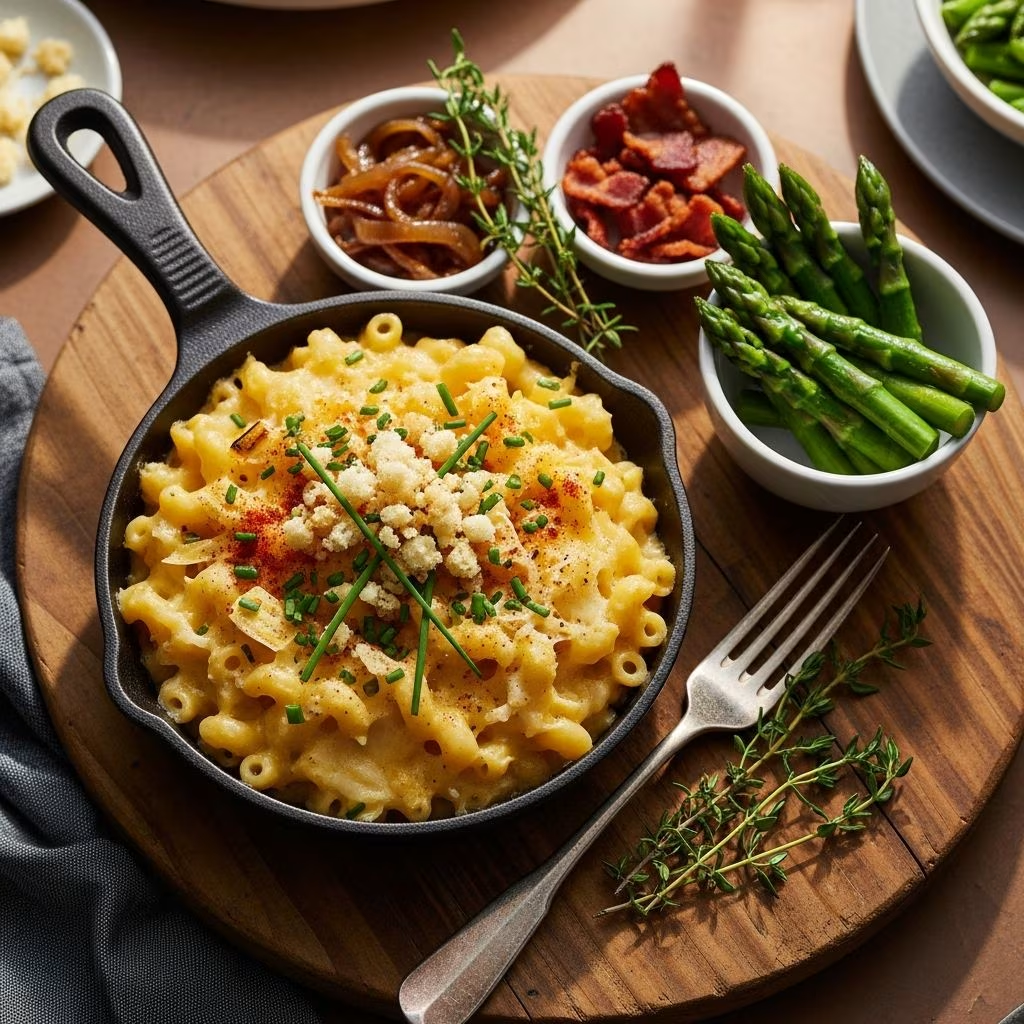
Transferring completed mac and cheese to an oven-safe baking dish and baking at three hundred fifty degrees for approximately five to ten minutes creates a finished appearance and allows for topping additions. A layer of Italian cheese blend sprinkled across the top and melted through brief baking provides textural contrast and visual appeal. This technique works particularly well for meat-inclusive variations where all components require cheese melting to bind ingredients together.
Olive Oil and Pan-Preparation Considerations
Lightly coating baking dishes with olive oil before adding mac and cheese prevents sticking while contributing subtle richness. This preparation step, though minor, affects both ease of serving and final presentation quality. The slight oil coating also facilitates even browning if extended baking times are employed for thicker casserole-style preparations.
Protein Integration Strategies
Incorporating protein elements transforms boxed mac and cheese from a side dish into a more complete meal, addressing nutritional balance while introducing complementary flavors.
Ground Meat Preparations
Browning ground beef or ground sausage and combining with the completed mac and cheese creates a cohesive dish with improved satiety and nutritional profile. These proteins should be fully cooked before combining, with excess fat drained to prevent greasy final results. Approximately one-half pound of ground meat per one to two boxes of pasta provides adequate protein contribution without overwhelming the dish.
Prepared Meat Options
Pre-cooked pepperoni, chicken sausage, and similar convenience meat products integrate quickly without requiring separate cooking steps. These options appeal to those seeking time efficiency while maintaining flavor complexity. The salted, spiced nature of these prepared meats complements cheese-based preparations while requiring no additional seasoning adjustments.
Practical Execution: Step-by-Step Methodology
Successfully executing enhanced boxed mac and cheese requires understanding the logical sequence of preparation steps that maximize ingredient integration and texture development.
Initial Pasta Preparation
Begin by bringing a large quantity of water to a rolling boil and adding pasta directly according to package instructions. This foundational step determines whether noodles achieve appropriate tenderness without becoming mushy or remaining undercooked. Proper pasta preparation forms the textural base upon which all enhancements depend.
Sauce Component Assembly
After draining pasta, return the pot to medium-low heat and begin sauce preparation. Add butter and allow complete melting before introducing dairy components. This sequencing ensures even heat distribution and prevents scorching. Add alternative dairy components gradually while stirring constantly to achieve smooth, lump-free consistency. Incorporate cheese components progressively, ensuring complete melting before adding subsequent additions. Finally, add the included cheese packet and any additional seasonings, stirring thoroughly to distribute flavoring evenly.
Optional Baking and Finishing
For baked preparations, transfer completed stovetop mac and cheese to oiled baking dishes, top with additional cheese or breadcrumb mixtures if desired, and place in a preheated three hundred fifty-degree oven for five to ten minutes until toppings melt and slight browning occurs around edges. This step provides visual appeal and textural variation without requiring substantial additional cooking time.
Addressing Common Preparation Challenges
Understanding potential difficulties and their solutions improves overall preparation success and allows troubleshooting when results diverge from expectations.
Sauce Consistency Concerns
Excessively thick sauces result from insufficient dairy components relative to the quantity of pasta and cheese additions. Adding small quantities of milk gradually while stirring resolves thickness issues without compromising flavor concentration. Conversely, overly thin sauces indicate excessive milk or insufficient cheese components; reducing heat and allowing simmering for several minutes often improves consistency as starches release and thicken the sauce naturally.
Graininess and Texture Issues
Separation or grainy texture, particularly when using aged cheddar varieties exclusively, results from excessive heat or insufficient emulsification. Reducing heat to the lowest setting and using cream cheese or American cheese contributions improves texture significantly. These cheese varieties contain natural emulsifiers that prevent breaking and create smooth, cohesive sauces.
Ingredient Sourcing and Cost Considerations
Upgrading boxed mac and cheese remains economical compared to entirely homemade preparations, particularly when utilizing standard grocery store ingredients without specialty sourcing. Cream cheese, half-and-half, fresh cheddar, and basic seasonings remain widely available at conventional prices. Ground beef, pepperoni, and other protein additions represent modest additional costs while transforming the nutritional profile and satiety factor significantly.
Frequently Asked Questions
Can these techniques be applied to different boxed mac and cheese brands?
Yes, the enhancement techniques apply universally to boxed pasta and cheese products, regardless of brand. Different brands may contain slightly varying sodium levels and cheese powder compositions, but the fundamental enhancement principles remain consistent. Users may adjust seasoning quantities based on personal salt sensitivity and cheese powder intensity.
How far in advance can enhanced mac and cheese be prepared?
Completed preparations can be refrigerated in airtight containers for two to three days. Reheating requires gentle warming on the stovetop over medium-low heat with addition of small milk quantities to restore desired sauce consistency, as pasta absorbs liquid during storage. Freezing is not recommended due to texture changes in both pasta and sauce components.
Are vegetable additions compatible with these enhancement techniques?
Absolutely. Steamed broccoli florets, roasted bell peppers, sautéed mushrooms, and similar vegetables integrate well with enhanced preparations. These additions should be prepared separately and combined after sauce completion to maintain texture and prevent overcooking.
What is the approximate total preparation time for upgraded boxed mac and cheese?
Total preparation time typically ranges from fifteen to twenty minutes for stovetop-only versions, or twenty to thirty minutes when including baking steps. This remains substantially faster than homemade cheese sauce preparations while delivering superior results to basic package directions.
References
- Dairy Council of California – Nutrition Information and Cheese Types — California Milk Advisory Board. Accessed April 2026. https://www.realcaliforniamilk.com
- USDA MyPlate: Grains and Protein Guidelines — United States Department of Agriculture. 2025. https://www.myplate.gov
- Culinary Institute of America – Sauce Preparation Techniques — The Culinary Institute of America. 2024. https://www.ciachef.edu