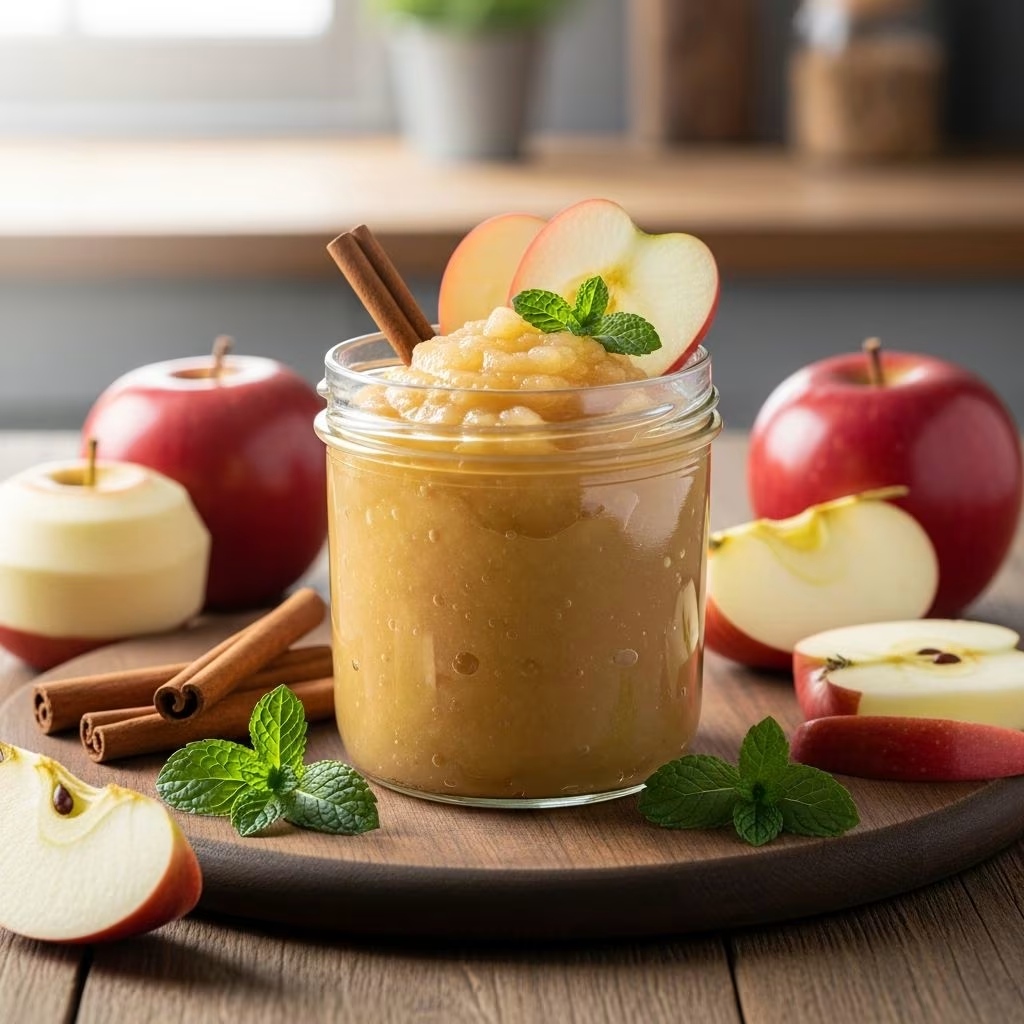
Creating homemade applesauce doesn’t require heat or hours of simmering. This no-cook method leverages the power of a high-speed blender to transform fresh apples into a silky, flavorful puree in mere minutes. Retaining the apples’ natural enzymes and vibrant taste, it’s a superior alternative to store-bought versions loaded with preservatives and added sugars.
Why Choose No-Cook Applesauce?
No-cook applesauce stands out for its simplicity and health benefits. By skipping the stovetop, you preserve heat-sensitive nutrients like vitamin C and antioxidants found in apple skins. It’s naturally sweet from the fruit itself, making it ideal for those avoiding refined sugars. Families appreciate its versatility—from baby food to adult desserts—while minimal cleanup keeps it appealing for busy kitchens.
The process emphasizes fresh, soft apple varieties that blend smoothly without excess liquid, yielding a thick consistency closer to traditional applesauce than watery juice. This approach also reduces energy use and eliminates the risk of overcooking, ensuring consistent results every time.
Perfect Apples for Blending Success
Selecting the right apples is crucial for texture and flavor in no-cook recipes. Opt for softer varieties like Rome, Gala, Fuji, or McIntosh, which break down easily in the blender. These provide a balance of sweetness and tartness without juiciness that could thin the mixture.
- Rome apples: Deep red skins add color and mild tartness; excellent for smooth purees.
- Gala or Fuji: Naturally sweet with crisp yet blendable flesh.
- McIntosh: Soft and juicy, ideal for quick blending but use sparingly to avoid liquidity.
Avoid firm types like Granny Smith unless paired with sweeter ones, as they may require peeling or more blending time. Organic apples are preferable to minimize pesticide exposure, especially since skins are often included for added fiber and phytonutrients.
Essential Tools for No-Cook Preparation
You’ll need minimal equipment to get started. A high-speed blender with a tamper, such as Vitamix or similar models, is non-negotiable for achieving creaminess without chunks. The tamper pushes ingredients into the blades safely.
| Tool | Purpose | Alternatives |
|---|---|---|
| High-speed blender | Creates smooth texture | Food processor (less smooth) |
| Sharp knife | Quartering apples | Apple corer |
| Airtight jars | Storage | Freezer bags |
Prepare by washing apples thoroughly. Quarter them, removing cores and seeds, but keep skins on for nutrition and color unless a lighter shade is desired.
Step-by-Step No-Cook Applesauce Recipe
This base recipe serves 4-6 and takes under 10 minutes. Scale up as needed.
Ingredients
- 4-6 medium soft apples (about 2 pounds), quartered and cored
- Optional: 1-2 tablespoons water or lemon juice for blending ease
- Optional: 1 teaspoon cinnamon for warmth
Instructions
- Wash apples well. Cut into quarters, discarding cores and seeds. No peeling required.
- Load pieces into blender. Add minimal water or lemon juice if apples are dry.
- Blend on high, using tamper to push down. Process 1-2 minutes until velvety smooth.
- Taste and stir in cinnamon if using. Transfer to jars.
Yield: About 4 cups. Nutrition per serving (1/2 cup): Roughly 60 calories, 15g carbs, 3g fiber—naturally vegan and gluten-free.
Flavor Variations to Elevate Your Applesauce
Customize beyond basics for exciting twists.
- Tropical twist: Add pineapple chunks and a pinch of ginger for zing.
- Berry boost: Blend in frozen mixed berries post-apples for antioxidants.
- Spiced delight: Incorporate nutmeg, vanilla extract, or cardamom.
- Green version: Mix in spinach or kale for hidden veggies, undetectable in taste.
Experiment with apple blends: half tart, half sweet for complexity. These additions keep it sugar-free while enhancing appeal for picky eaters.
Storage and Freezing Tips
Fresh no-cook applesauce lasts 7-10 days in the fridge in airtight containers. For longer storage, freeze in portions up to 3 months. Thaw overnight in fridge; stir before serving. Avoid refreezing to maintain quality.
- Fridge: Glass jars prevent staining.
- Freezer: Ice cube trays for baby portions, then transfer to bags.
- Tip: Lemon juice extends freshness by preventing oxidation.
Health Advantages of Raw Applesauce
Blending raw apples maximizes retention of soluble fiber (pectin), aiding digestion and blood sugar control. Skins contribute insoluble fiber for gut health. Raw form preserves enzymes and vitamins lost in cooking, making it a superfood snack. Studies from USDA highlight apples’ role in heart health due to polyphenols.
Ideal for babies (6+ months), as the no-cook method avoids sugar spikes. It’s also low-FODMAP in moderation for sensitive diets.
Stovetop Applesauce: A Cooked Alternative
For variety, try a quick stovetop method. Chop 10 cups apples, add lemon juice, water, and cinnamon stick. Simmer 10-20 minutes until tender, then mash or puree. Skins optional—blend for smoothness. Stores similarly but develops deeper flavors.
Instant Pot Shortcut for Cooked Versions
Pressure cook chopped apples with water and cinnamon for 10 minutes. Natural release, then blend. Faster than stovetop with hands-off convenience.
Common Mistakes and Fixes
- Too watery: Use less juicy apples; no excess water.
- Lumpy texture: Blend longer or strain.
- Browning: Add lemon juice immediately.
- Not sweet enough: Choose riper fruit or add dates.
Creative Uses Beyond the Bowl
Versatile no-cook applesauce shines in:
- Baking: Substitute for oil in muffins.
- Smoothies: Thickener with yogurt.
- Sauces: Base for pork glazes.
- Desserts: Topping for oatmeal or ice cream.
Frequently Asked Questions (FAQs)
Can I make no-cook applesauce without a high-speed blender?
Possible with food processor, but expect chunkier results. Strain for smoothness.
Is it safe to eat raw applesauce with skins?
Yes, if apples are washed. Organic preferred; skins add fiber.
How much sugar is in this recipe?
None added—natural fruit sugars only, about 10g per serving.
Can I freeze it in cubes for babies?
Absolutely; perfect portion size for Jaroudi-style baby food.
What if my blender overheats?
Work in batches; let cool between.
Nutritional Breakdown Table
| Nutrient (per 1/2 cup) | Amount | % Daily Value |
|---|---|---|
| Calories | 60 | 3% |
| Fiber | 3g | 10% |
| Vitamin C | 5mg | 6% |
| Potassium | 150mg | 3% |
Sources: Based on USDA data for raw apples.
References
- No-Cook Homemade Applesauce {Video} — Nutrition Refined. 2023. https://nutritionrefined.com/homemade-applesauce-no-cook/
- Easy No-Waste Applesauce, Skins On and Unsweetened — Zero Waste Chef. 2023-11-13. https://zerowastechef.com/2023/11/13/easy-quick-no-waste-applesauce-skins-on/
- No Cook Applesauce + Baby Jaroudi — YouTube (The Jaroudi Family). Accessed 2026. https://www.youtube.com/watch?v=g1kWrabJ89k
- 5-Minute Homemade (No-Cook) APPLESAUCE | 1 Ingredient — YouTube (NutritionRefined). Accessed 2026. https://www.youtube.com/watch?v=teyklEuVWTg
- Freezer Applesauce — Wholefully. Accessed 2026. https://wholefully.com/no-cook-freezer-applesauce/
- Homemade Unsweetened Cinnamon Applesauce — Jessica Levinson. Accessed 2026. https://jessicalevinson.com/homemade-unsweetened-applesauce/
- National Nutrient Database for Standard Reference — USDA FoodData Central. Updated 2023. https://fdc.nal.usda.gov/