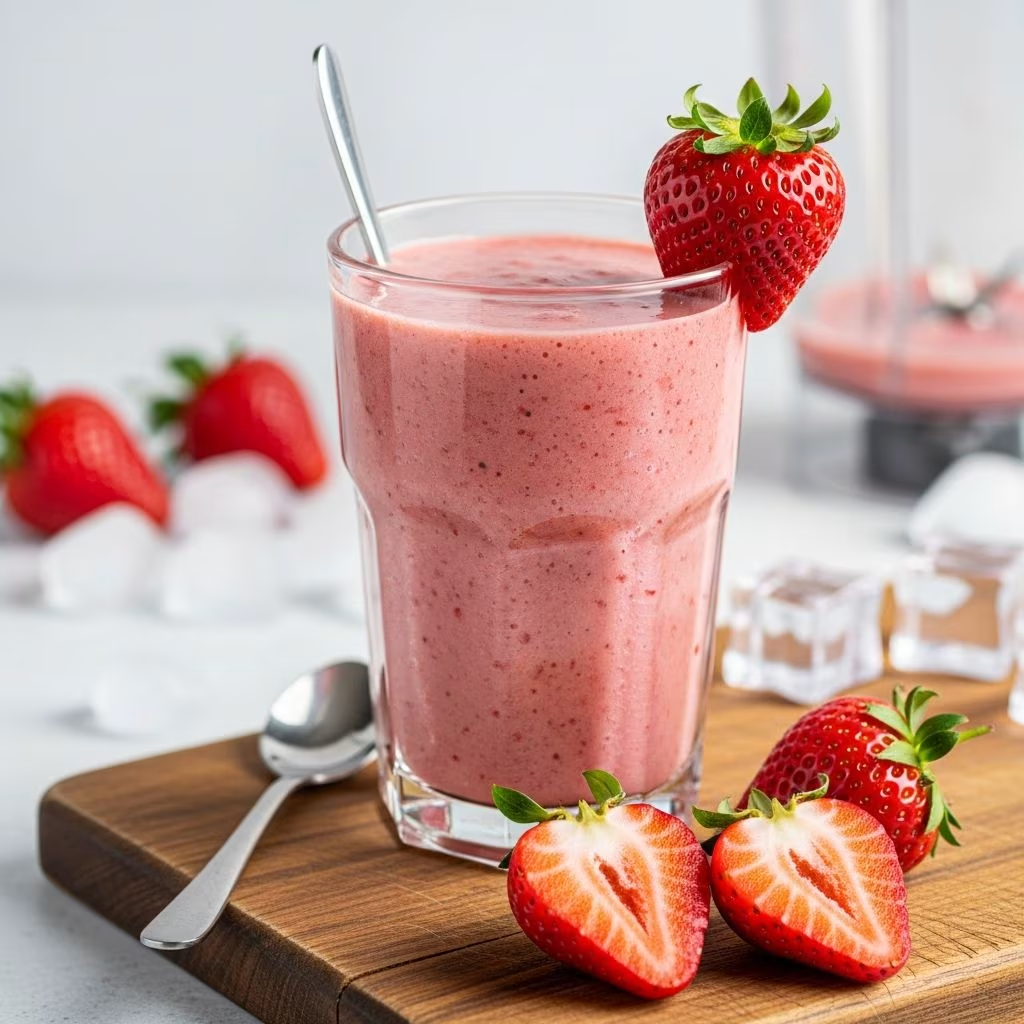
Smoothies have become a staple in modern kitchens, offering a convenient way to consume fresh fruit while delivering essential nutrients and satisfying flavors. Among the most popular varieties is the strawberry smoothie, a drink that combines the natural sweetness of ripe berries with creamy dairy elements to create a beverage that feels indulgent yet remains nutritionally sound. This guide explores everything you need to know about creating a delicious strawberry smoothie at home, from ingredient selection to blending techniques and creative variations.
Understanding the Foundation: Why Strawberry Smoothies Matter
Strawberry smoothies represent more than just a tasty treat; they offer a practical approach to incorporating fresh produce into your daily routine. The combination of fruit, dairy, and optional sweeteners creates a drink that appeals to both health-conscious individuals and those seeking comfort in a glass. Whether consumed as a breakfast option, post-workout recovery drink, or afternoon refreshment, strawberry smoothies provide versatility that few other beverages can match.
The enduring popularity of this simple blend stems from its accessibility and adaptability. Fresh strawberries paired with yogurt and milk creates a naturally creamy texture without requiring exotic ingredients, making it feasible for home preparation regardless of kitchen complexity or skill level. Additionally, the relatively quick preparation time—typically under five minutes—fits seamlessly into busy schedules.
Essential Ingredients and Their Roles
Fresh Strawberries: The Star Component
The foundation of any quality strawberry smoothie begins with selecting appropriate berries. Fresh, ripe strawberries provide natural sweetness and vibrant flavor while contributing fiber, vitamin C, and antioxidants. When choosing strawberries, look for firm berries with bright red coloring and intact hulls. Approximately eight to ten medium strawberries (roughly one and one-half cups) provide sufficient fruit base for a standard smoothie serving.
For optimal preparation, rinse strawberries thoroughly under cool running water and remove the green stems before blending. If fresh berries are unavailable or out of season, frozen strawberries work equally well and require no thawing before blending. Frozen options often provide consistent sweetness and can actually create a thicker, more luxurious texture compared to fresh alternatives.
Yogurt: Creating the Creamy Base
Plain yogurt serves as the primary component for achieving the smoothie’s characteristic creamy consistency. A half-cup of plain yogurt (approximately 115 grams) contributes protein, probiotics, and beneficial bacteria while adding smoothness without introducing unwanted flavors. Plain varieties work best, as flavored yogurts may introduce competing tastes or excessive sugar. Unsweetened Greek yogurt offers increased protein content, making it an excellent choice for those prioritizing nutritional density.
Milk: The Blending Medium
Milk acts as the liquid component that achieves desired consistency and ensures proper blending. Traditional choices include skim milk, whole milk, or low-fat varieties, though alternatives like almond milk, oat milk, or coconut milk accommodate dietary preferences and lactose sensitivities. Approximately half a cup of milk provides sufficient liquid without creating an overly thin beverage. Adjust quantities based on personal preference for texture—additional milk creates a thinner consistency, while reducing liquid produces a thicker drink.
Sweetener: Optional Enhancement
Many recipes incorporate sweetener to enhance flavor complexity. Standard options include granulated sugar, honey, agave nectar, or natural sweetening agents. Between two and three tablespoons of sugar accommodate most palates, though this can be adjusted based on strawberry ripeness. Exceptionally ripe, sweet strawberries may require minimal or no additional sweetening, while less flavorful berries benefit from greater sweetener addition. This flexibility allows personalization based on available ingredients and taste preferences.
Vanilla Extract: The Flavor Amplifier
Vanilla extract contributes subtle flavor complexity and depth without overwhelming the strawberry taste. Two teaspoons of vanilla extract provide noticeable enhancement without making the smoothie taste like a dessert. This ingredient rounds out the flavor profile and creates a more sophisticated beverage experience.
Ice: The Texture Enhancer
Crushed ice adds body to the smoothie while reducing temperature and creating a refreshing quality. Approximately one cup of crushed ice (roughly six ice cubes) produces a beverage with excellent chilling properties and pleasant texture. Using pre-crushed ice or crushing cubes before blending prevents strain on your blender and ensures even distribution throughout the drink.
The Blending Process: Technique and Execution
Preparation and Assembly
Begin by washing and hulling fresh strawberries thoroughly. Remove any damaged areas or bruised portions. If using frozen strawberries, there is no need to thaw them before blending—they will blend effectively and actually contribute to the final smoothie’s consistency.
When assembling ingredients in your blender, add them in a logical sequence to facilitate smooth blending. Start by adding liquid (milk) to prevent fruit and other ingredients from sticking to the blender bottom. Follow with strawberries, yogurt, and any sweetener. Add vanilla extract and top with crushed ice as the final layer.
Blending Mechanics
Secure the blender lid firmly before starting. Select the high-speed setting and blend for approximately thirty to sixty seconds. The mixture should transition from visible fruit chunks to a completely homogeneous, creamy consistency. If pieces of strawberry remain visible or the texture seems grainy, continue blending in five-second increments until achieving the desired smoothness.
Many blenders benefit from occasional pausing and side scraping during blending. This ensures that ingredients pressed against the blender walls receive adequate mixing. If your blender seems to struggle, it may be because ice is packed too densely—crushing it more finely can help resolve this issue.
Taste Testing and Adjustment
Once blending reaches completion, taste the smoothie. Assess whether sweetness levels meet expectations and whether texture matches preferences. If the beverage tastes too thick, add milk in quarter-cup increments and blend briefly. If it seems too thin, add a small handful of additional ice and blend again. This tasting and adjustment phase ensures your smoothie meets personal specifications.
Ingredient Variations and Customization Options
| Ingredient Category | Standard Option | Alternative Choices |
|---|---|---|
| Fruit Base | Fresh strawberries | Frozen strawberries, mixed berries, banana addition |
| Dairy Component | Plain yogurt | Greek yogurt, cottage cheese, coconut yogurt |
| Liquid | Skim milk | Almond milk, oat milk, coconut milk, water |
| Sweetener | Granulated sugar | Honey, maple syrup, agave, stevia |
| Protein Boost | None | Protein powder, chia seeds, hemp seeds |
Vegan Adaptations
Creating a vegan version simply requires substituting yogurt with coconut yogurt or another plant-based alternative, and choosing non-dairy milk options. The fundamental technique and flavor profile remain identical; only the ingredient sources change to accommodate dietary restrictions.
Protein Enhancement
For those seeking increased protein content, consider incorporating protein powder, chia seeds, hemp seeds, or even cottage cheese. These additions maintain the smoothie’s essential character while amplifying nutritional density. When adding protein powder, reduce milk quantity slightly to prevent excessive thinning, as powders absorb liquid during blending.
Advanced Flavor Combinations
Beyond the classic recipe, numerous variations expand possibilities. Adding a frozen banana creates greater creaminess and natural sweetness. Incorporating fresh mint provides refreshing complexity. A small handful of spinach or kale adds nutritional value without significantly altering taste. Nut butters introduce richness and extended satiety. Experimenting with these additions allows development of signature smoothie variations personalized to individual preferences.
Serving Suggestions and Presentation
Pour your completed smoothie immediately into glasses to preserve optimal temperature and texture. Serve right away while the beverage retains its cold, refreshing quality. The smoothie can be accompanied by fresh strawberry slices placed on top or whole berries served on the side for visual appeal and additional flavor.
For special occasions, consider creative presentations like smoothie bowls—thicker smoothies topped with granola, coconut flakes, additional berries, or nut butters. These presentations elevate the simple smoothie into a more substantial breakfast or dessert option.
Storage and Make-Ahead Considerations
Strawberry smoothies are best consumed immediately after preparation. However, if advance preparation is necessary, the blended smoothie can be refrigerated in an airtight container for up to twenty-four hours. Before serving, shake the container vigorously to redistribute any separated components, and consider adding additional ice before drinking.
Alternatively, prepare ingredient combinations in advance by portioning strawberries, yogurt, and other components into freezer-safe bags or containers. These pre-portioned combinations can be blended rapidly with milk and ice when ready to consume, significantly reducing preparation time on busy mornings.
Nutritional Benefits and Health Considerations
Strawberry smoothies offer substantial nutritional value. Strawberries provide vitamin C, supporting immune function, and contain antioxidants that combat cellular stress. Yogurt contributes probiotics beneficial for digestive health and gut microbiome balance. Milk provides calcium and vitamin D, supporting bone health. Together, these components create a beverage that satisfies both taste preferences and nutritional requirements.
The balanced macronutrient profile makes smoothies suitable for various dietary goals. The combination of fruit carbohydrates, dairy protein, and optional additions creates a satisfying option whether consumed as breakfast, post-workout recovery, or afternoon snack.
Common Questions About Strawberry Smoothies
What type of blender works best?
Any standard blender successfully creates strawberry smoothies. High-powered blenders complete blending faster and achieve smoother consistency, but conventional models work equally well—simply blend slightly longer if needed.
Can I make this smoothie without fresh fruit?
Absolutely. Frozen strawberries produce excellent results and often provide superior consistency compared to fresh berries. Frozen options eliminate thawing steps and maintain nutritional integrity.
Is this smoothie suitable for children?
Yes. The naturally sweet strawberry base, combined with mild dairy flavors, appeals to most children. Adjusting sweetener levels accommodates various taste preferences within families.
How can I reduce sugar content?
Select the ripest, sweetest strawberries available, reducing or eliminating added sugar. Use unsweetened yogurt and milk options. Consider sugar-free sweetening alternatives like stevia or erythritol if additional sweetness is desired.
Does blending affect nutritional content?
Blending does not significantly diminish nutritional value. While some fiber structure changes through blending, overall vitamin, mineral, and antioxidant content remains intact, and the beverage may actually enhance nutrient absorption compared to consuming whole fruit for some individuals.
Conclusion: Creating Your Perfect Smoothie Experience
The strawberry smoothie represents an accessible, enjoyable approach to consuming nutrient-dense foods within a format that satisfies cravings for something special. With straightforward ingredients, minimal preparation requirements, and endless customization possibilities, this beverage accommodates nearly any dietary preference or lifestyle requirement. Whether you prepare it for quiet morning reflection or as a refreshing afternoon break, the strawberry smoothie delivers consistent satisfaction and nutritional benefit in every sip.
References
- Strawberry Cottage Cheese Smoothie Recipe — The Cooking Foodie. Accessed April 10, 2026. https://www.youtube.com/watch?v=gLFOI6PTvBU
- Healthy Strawberry Smoothie — Little Vienna. Accessed April 10, 2026. https://www.lilvienna.com/healthy-strawberry-smoothie/
- How to Make Strawberry Smoothies — Allrecipes. Accessed April 10, 2026. https://www.youtube.com/watch?v=Us3UmRENMhk