Hot mulled wine, known as glühwein in German traditions, transforms simple red wine into a fragrant, soul-soothing beverage by gently infusing it with spices, citrus, and a touch of sweetness. This drink has warmed hands and hearts for centuries, especially during cold weather festivities. Whether you’re hosting a holiday party or seeking a relaxing evening ritual, mastering mulled wine opens a world of cozy indulgence. In this guide, we’ll explore its origins, essential ingredients, foolproof preparation methods, creative twists, and expert serving ideas to elevate your experience.
The Rich Heritage of Mulled Wine
Mulled wine’s story traces back to ancient Rome, where spiced wines were heated with honey and spices for medicinal purposes, believed to aid digestion and circulation. By the Middle Ages, it spread across Europe, becoming a staple at Christmas markets in Germany, Austria, and Scandinavia. The name ‘glühwein’ derives from ‘glühend,’ meaning glowing, due to its steaming heat and radiant spices. Today, variations appear worldwide, from Scandinavian vin chaud to British wassail, each region adding local flair like Nordic aquavit or Italian limoncello.
This beverage’s appeal lies in its simplicity and adaptability. It uses affordable pantry staples yet delivers complex flavors—warm cinnamon, pungent cloves, bright orange zest, and deep red wine notes. Importantly, never boil the wine to preserve alcohol content and delicate aromas; a gentle simmer is key.
Core Ingredients for Authentic Flavor
Building a great mulled wine starts with quality components. Here’s a breakdown of must-haves and their roles:
- Red Wine: Choose a dry, medium-bodied variety like Merlot, Cabernet Sauvignon, or Zinfandel. Avoid expensive bottles—cooking mellows tannins. One 750ml bottle serves 4-6 glasses.
- Citrus Elements: Fresh orange slices or zest provide brightness and acidity. Juice adds depth; stud slices with cloves for infusion.
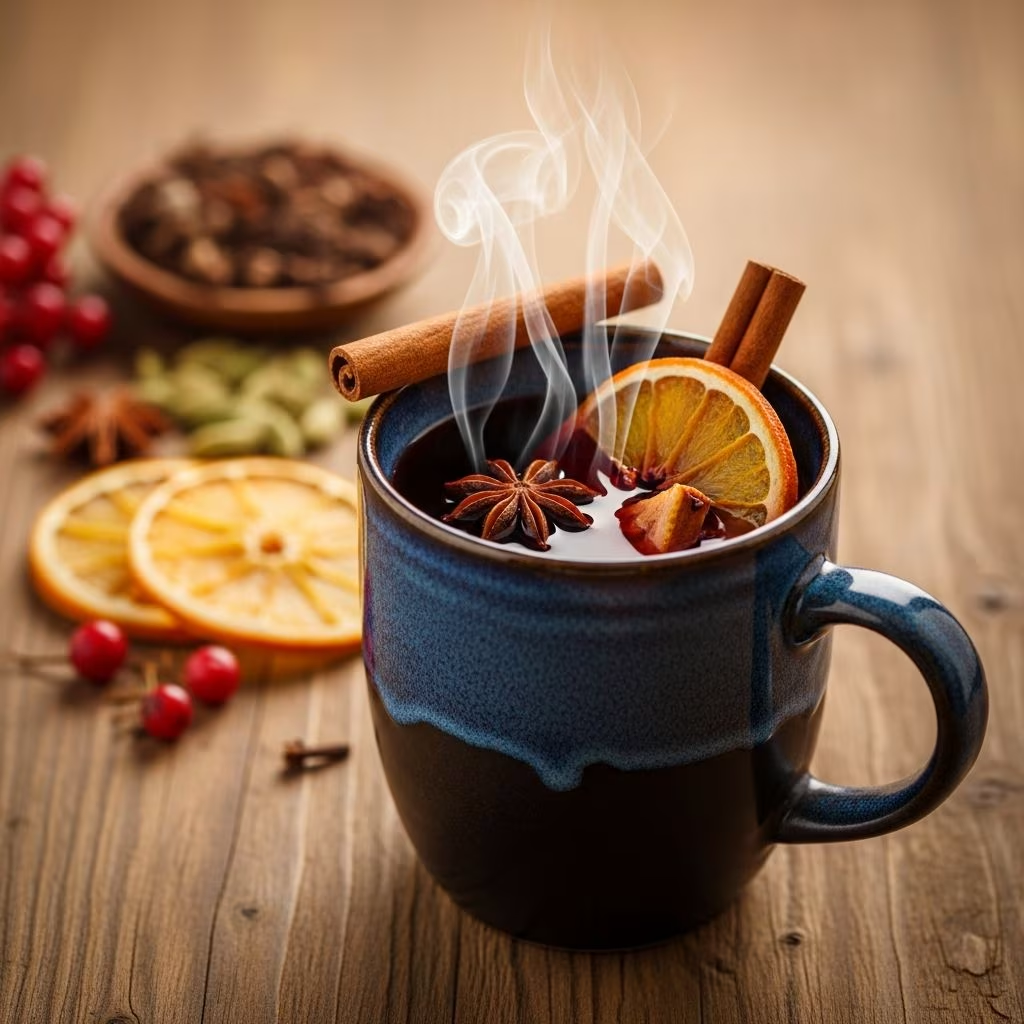
- Spices: Whole cinnamon sticks (2-3), 6-10 cloves, and 2-3 star anise pods deliver warmth without overpowering. Fresh ginger or cardamom pods enhance complexity.
- Sweetener: Honey, sugar, or maple syrup balances acidity. Start with 1/4 cup and adjust; apple cider offers fruity subtlety.
- Fortifier: Brandy, rum, or orange liqueur (1/4-1/2 cup) boosts warmth and aroma. Add post-simmer to retain potency.
Pro tip: Use whole spices for easy straining and pure infusion. Fresh ingredients ensure vibrant taste over pre-ground powders.
Classic Stovetop Mulled Wine Recipe
This straightforward method yields 6 servings in under 30 minutes. It’s forgiving for beginners yet scalable for crowds.
Ingredients
- 1 bottle (750ml) dry red wine
- 1/4 cup honey or sugar
- 1 orange, sliced (plus zest from half)
- 2 cinnamon sticks
- 8 whole cloves
- 2 star anise
- 1/4 cup brandy
- Optional: 1-inch fresh ginger, sliced
Step-by-Step Directions
- Combine wine, sweetener, orange slices/zest, and spices in a large saucepan.
- Heat over medium until steaming and just below simmer (about 170°F)—do not boil.
- Reduce to low, cover, and infuse 15-20 minutes, stirring occasionally.
- Strain through a fine mesh sieve into a heatproof pitcher.
- Stir in brandy. Taste and sweeten if needed.
- Serve immediately in mugs with garnishes.
Total time: 25 minutes. Prep: 5 minutes. This base allows personalization—add vanilla extract for nutty depth.
Slow Cooker and Instant Pot Variations
For hands-off prep, appliances shine. They maintain steady low heat, ideal for parties.
Slow Cooker Method
Add all ingredients except brandy to a 3-4 quart crockpot. Cook on low 30-60 minutes until hot. Stir in brandy before serving. Keep on ‘warm’ for hours—perfect for open houses. Serves 8-10 with doubled wine.
Instant Pot Adaptation
Sauté water/sugar first to dissolve, add aromatics and juice, then wine on low sauté or slow cook. Vent carefully to avoid pressure buildup. Yields consistent results in 10-15 minutes.
Both methods prevent overcooking, preserving alcohol (evaporates above 172°F).
Flavor Twists and Non-Alcoholic Options
Customize for preferences or diets. Here’s a comparison:
| Variation | Key Additions/Substitutions | Best For |
|---|---|---|
| White Mulled Wine | Riesling or white blend; lemon instead of orange; elderflower liqueur | Spring gatherings, lighter palate |
| Fruity Boost | Apple cider, cranberries, pomegranate juice | Holidays, kids’ version base |
| Spicy Kick | Fresh ginger, black peppercorns, chili flakes | Cold nights, bold tastes |
| Non-Alcoholic | Dark grape juice, black tea, or cranberry juice; extra spices | All ages, sober events |
| Coffee Infusion | Replace half wine with hot coffee; aged rum | After-dinner digestif |
Non-alcoholic versions mimic depth with strong black tea or dealcoholized wine. Scale spices up 20% for bolder non-boozy profiles.
Pairing and Serving Suggestions
Mulled wine pairs beautifully with rich foods that cut its sweetness:
- Cheese Board: Aged cheddar, blue cheese, brie—contrasts spice warmth.
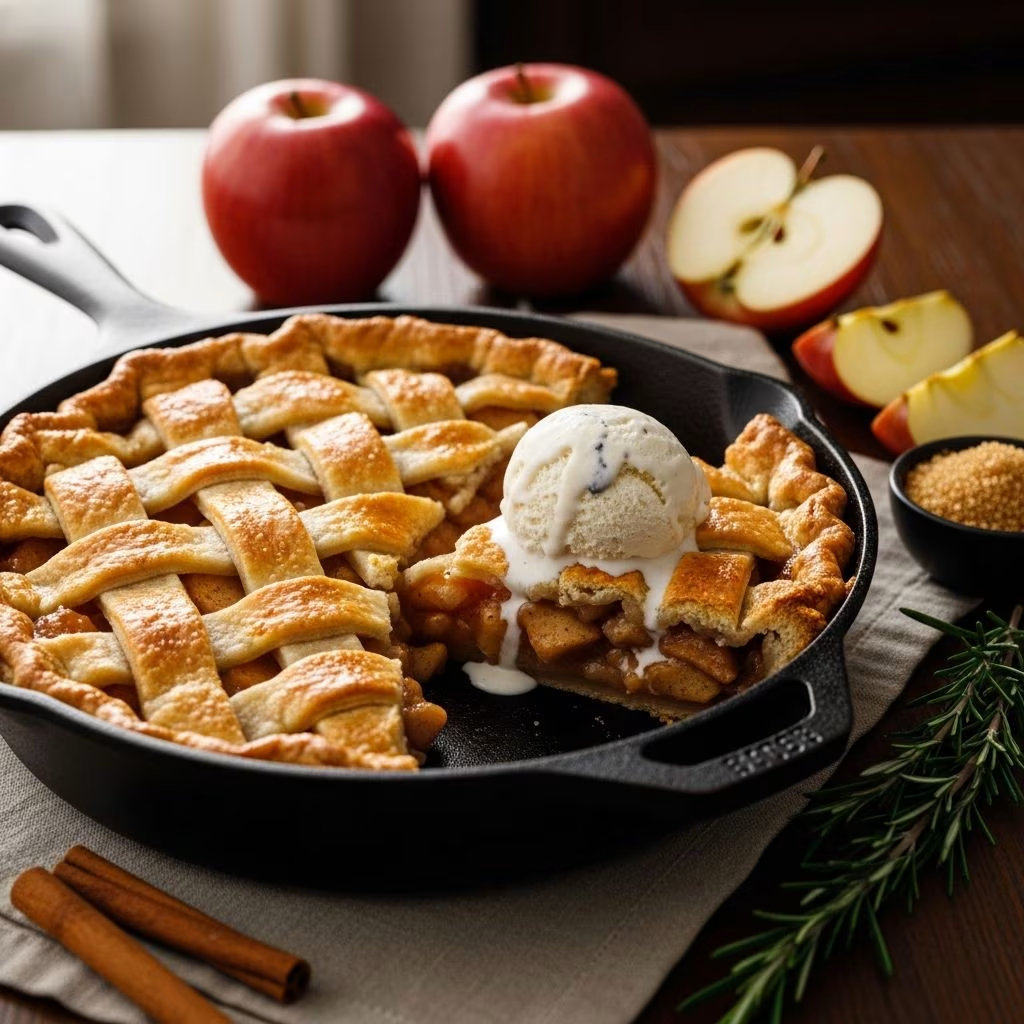
- Desserts: Gingerbread, apple strudel, chocolate truffles amplify cinnamon notes.
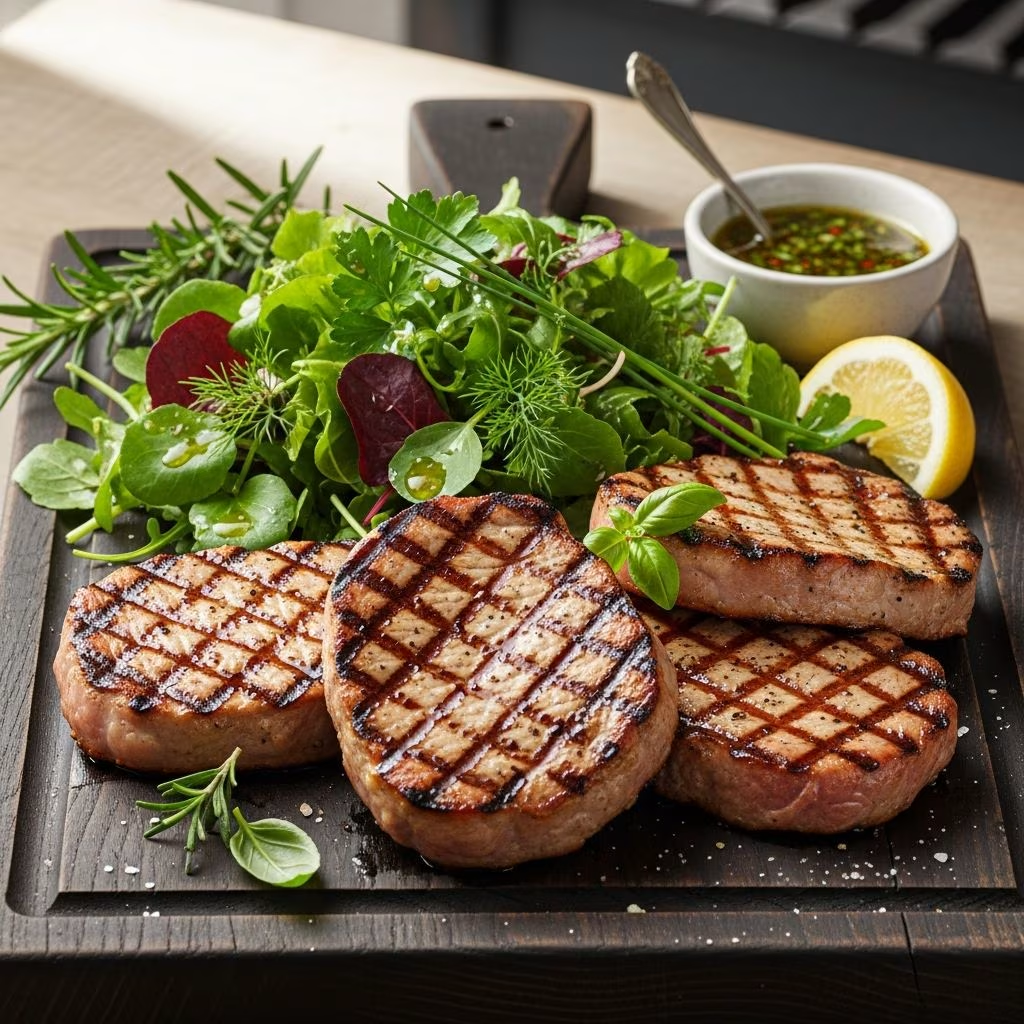
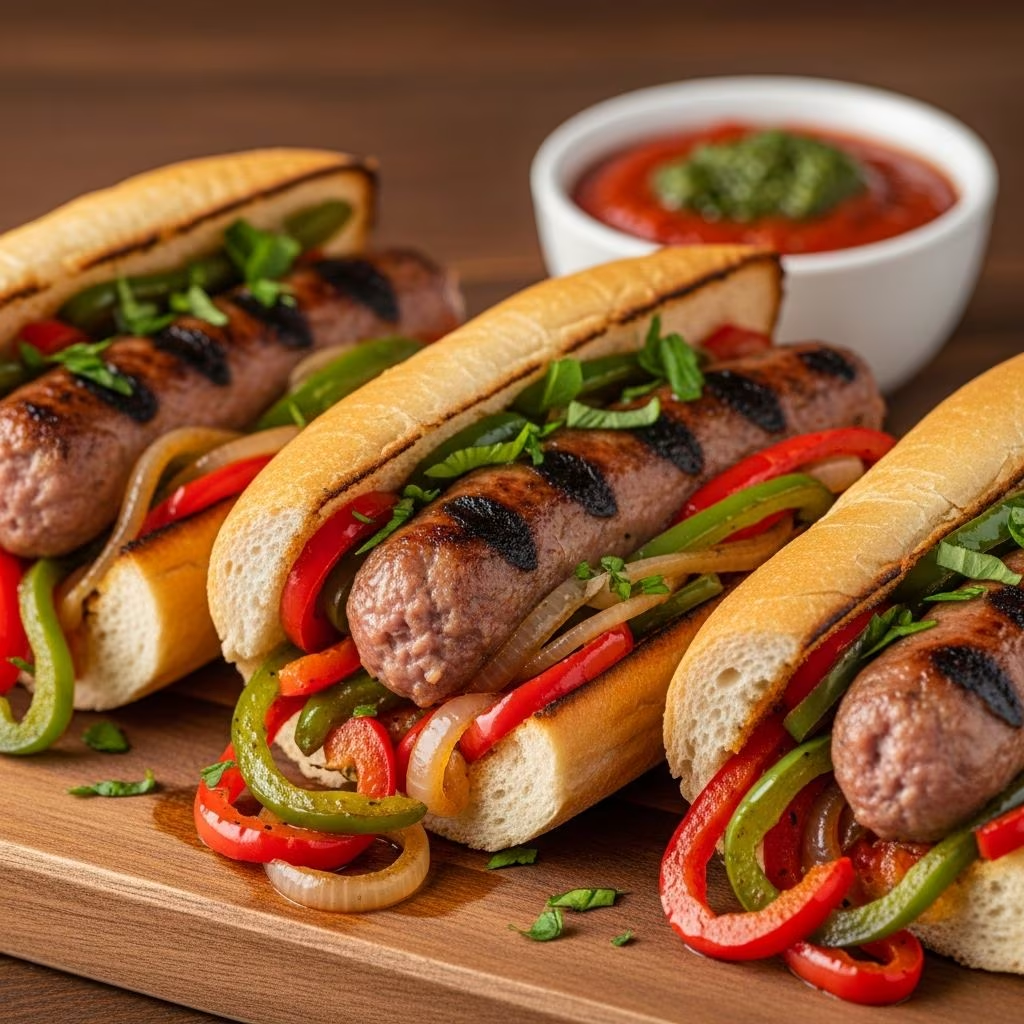
- Savory Bites: Roasted nuts, sausages, or stilton enhance earthiness.
Serve in heatproof mugs or glasses with handles. Garnish with cinnamon sticks, orange twists, or cranberries for visual pop. Rim mugs with sugar-spice mix for flair. For parties, ladle from a slow cooker with self-serve garnishes.
Storage: Refrigerate strained leftovers up to 3 days. Reheat gently on stovetop; refresh with extra spices or brandy. Freezes well for 1 month—thaw and warm slowly.
Common Pitfalls and Pro Tips
Avoid these mistakes for perfection:
- Boiling: Kills alcohol and muddles flavors—simmer only.
- Over-Spicing: Taste midway; remove early if intense.
- Cheap Wine: Use drinkable table wine; sulfite-heavy bottles turn bitter.
- Reheating Losses: Add almond extract or citrus post-reheat for revival.
Batch for 20+ by multiplying ingredients, using two pots. Vegan? Opt for cane sugar and confirm wine fining agents.
Frequently Asked Questions
Can I make mulled wine ahead?
Yes—prepare up to straining, refrigerate, then reheat gently. Add fortifier fresh.
How long does it last?
3 days chilled; spices fade after. Freeze for longer storage.
What’s the best wine type?
Dry reds like Merlot or Grenache; fruity yet not oaky.
Is mulled wine healthy?
In moderation, antioxidants from wine and spices offer benefits, but alcohol limits virtues.
Can I use white wine?
Absolutely—lighter, citrus-forward version for variety.
Nutritional Snapshot (Per 6oz Serving)
Classic recipe: ~150 calories, 12g carbs, 0g fat/protein. Varies with sweetener/fortifier.
References
- Hot Mulled Wine Recipe — Nielsen-Massey Vanillas. Accessed 2026. https://nielsenmassey.com/recipes/hot-mulled-wine/
- Simple & Spiced Mulled Wine — Tasty Thrifty Timely. Accessed 2026. https://tastythriftytimely.com/simple-spiced-mulled-wine-to-cuddle-up-with/
- Mulled Wine Recipe — Gimme Some Oven. Accessed 2026. https://www.gimmesomeoven.com/mulled-wine-recipe/
- Best Mulled Wine Recipe — Delish. Accessed 2026. https://www.delish.com/cooking/recipe-ideas/a23364385/mulled-wine-recipe/
- Gluhwein – Easy Mulled Wine Recipe — Spice Cravings. Accessed 2026. https://spicecravings.com/easy-mulled-wine-gluhwein-recipe
- Mulled Wine Recipe {The BEST!} — WellPlated.com. Accessed 2026. https://www.wellplated.com/spiced-wine/
- The Only MULLED WINE Recipe You’ll Ever Need! — YouTube (Video). Accessed 2026. https://www.youtube.com/watch?v=ZFHx7CldJLA