Understanding the Appeal of Spiced Coleslaw
Coleslaw has long been a staple accompaniment to outdoor barbecues, picnics, and casual dining occasions. The traditional version offers a refreshing crunch and tangy flavor that complements grilled meats and smoky dishes. However, elevating coleslaw with warm spices creates a more complex and memorable dish that appeals to adventurous palates. The combination of creamy mayonnaise-based dressing with carefully selected spices transforms this humble side dish into something truly exceptional.
The beauty of spiced coleslaw lies in its versatility. Unlike many other side dishes, coleslaw can be prepared ahead of time, making it ideal for meal preparation and entertaining. The flavors actually improve as the vegetables marinate in the dressing, allowing the spices to infuse throughout the dish and create deeper, more integrated flavors.
Selecting Your Fresh Vegetables
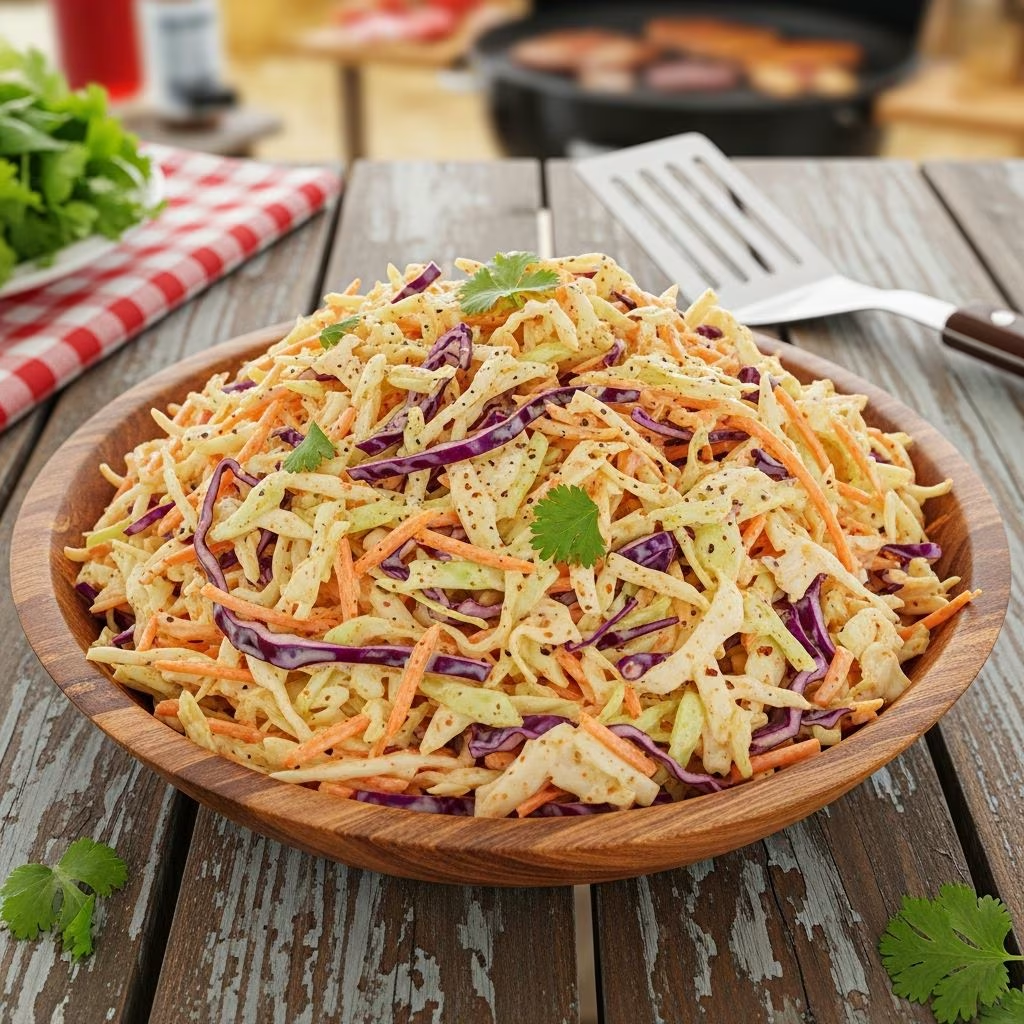
The foundation of any excellent coleslaw begins with quality vegetables. The primary ingredient should be fresh cabbage, which provides the characteristic crisp texture that makes this dish so appealing. Both green and red cabbage work well, though green cabbage is more commonly used and offers a milder flavor profile. Red cabbage adds visual interest and a slightly earthier taste.
Beyond cabbage, the vegetable component typically includes:
- Carrots – These add natural sweetness, color variation, and nutritional value. Freshly shredded carrots are preferable to pre-packaged versions, as they maintain better texture and flavor.
- White or red onions – Onions contribute a sharp, pungent element that balances the creaminess of the dressing. Thinly slicing onions prevents them from overpowering the dish.
- Hot peppers – Jalapeños are the classic choice, though habaneros offer considerably more heat for those who prefer spicier preparations.
Shredding vegetables by hand using a box grater or food processor produces superior results compared to chopping with a knife. Shredding creates uniform pieces that distribute dressing more evenly and maintain consistent texture throughout the dish. For those without proper shredding equipment, a sharp chef’s knife can be used to finely mince vegetables, though the texture will differ slightly.
Crafting the Spiced Dressing
The dressing represents the soul of any coleslaw recipe. A well-balanced dressing should harmonize creamy, tangy, sweet, and spicy elements into a cohesive whole. Mayonnaise serves as the creamy base, providing richness and binding the ingredients together. The typical ratio calls for three-quarters of a cup of quality mayonnaise, though this can be adjusted based on personal preference and desired consistency.
Acidic components are essential for brightening flavors and preventing the dressing from becoming too heavy. White wine vinegar or apple cider vinegar adds tang and helps preserve the vegetables’ crispness. Two to three tablespoons of vinegar is standard, though the exact amount depends on how pronounced you want the acidic notes to be.
Sweetness should be introduced thoughtfully to balance the other flavors rather than create a dessert-like side dish. One tablespoon of sugar typically suffices, dissolving easily when whisked with other ingredients. Some cooks prefer using honey for a more sophisticated sweetness with subtle floral notes.
The spice profile distinguishes creamy spiced coleslaw from conventional versions. Horseradish is a key component, providing sharp, peppery heat that awakens the palate. Hot prepared horseradish offers more intensity than milder varieties. Chili powder contributes warmth and complexity, with homemade blends offering superior depth compared to commercial versions. Celery seeds add a subtle herbaceous note and slight bitterness that prevents the dressing from becoming cloying.
The Dressing Assembly Process
Proper technique when preparing the dressing ensures even distribution of flavors and smooth texture. Begin by combining mayonnaise, vinegar, horseradish, sugar, and celery seeds in a separate bowl—never mix the dressing directly with the vegetables, as this can lead to uneven coating and soggy spots.
Whisking all dressing ingredients together thoroughly incorporates air and helps emulsify the mixture. This process takes approximately one to two minutes and transforms separated ingredients into a unified, creamy sauce. After initial whisking, taste the dressing and adjust seasonings according to preference. If the dressing tastes too mild, additional horseradish or chili powder can be incorporated. If excessive heat develops, a touch more mayonnaise can temper the spiciness.
Bringing Components Together
Once the dressing reaches the desired flavor profile, it should be poured over the shredded vegetables in the large mixing bowl. The mixing process requires attention to ensure even distribution without mashing or bruising the vegetables. Using sturdy spoons or tongs to gently fold and turn the mixture ensures every vegetable piece receives proper coating.
The goal is achieving a uniform appearance where no dry vegetable pieces remain visible and no excess dressing pools at the bottom of the bowl. This typically requires three to five minutes of gentle mixing. Over-mixing can lead to vegetable breakdown and undesirable texture changes.
Flavor Development Through Resting
Unlike some dishes that are best served immediately, coleslaw actually improves when allowed to rest before serving. Refrigerating the prepared coleslaw for a minimum of two hours permits the vegetables to gradually soften while maintaining their essential crispness. During this resting period, flavors meld together, creating a more integrated and sophisticated taste profile.
The extended refrigeration also allows the dressing to fully penetrate the vegetables, ensuring consistent flavor throughout each bite. If preparing coleslaw the evening before serving, it will taste even better, as overnight resting permits maximum flavor development. However, coleslaw should be consumed within three to five days, as extended storage can lead to vegetable degradation and flavor deterioration.
Customization and Variation Options
While the classic recipe provides an excellent foundation, numerous variations accommodate different taste preferences and dietary requirements. Some cooks incorporate grated apples for added sweetness and texture contrast. Others include dried fruits like raisins or cranberries, which provide bursts of concentrated sweetness.
For those seeking additional spice intensity, extra jalapeños or habaneros can be added during vegetable preparation. Alternatively, additional chili powder, cayenne pepper, or ground cumin can be mixed into the dressing. Some recipes incorporate mustard powder or prepared Dijon mustard for additional depth and complexity.
Non-traditional additions might include crumbled feta cheese for saltiness and tanginess, or fresh cilantro for herbaceous notes. A small handful of sunflower seeds or pumpkin seeds adds textural contrast and nutritional benefits. These modifications should be introduced gradually to maintain balance and prevent the dish from becoming overwrought with flavors.
Serving Suggestions and Pairings
Creamy spiced coleslaw pairs exceptionally well with smoked meats including pulled pork, brisket, and ribs. The creamy dressing and cool temperature provide pleasant contrast to warm, fatty meat dishes. The spices complement smoky flavors without overwhelming them.
Beyond traditional barbecue settings, this coleslaw works well alongside grilled chicken, fish tacos, and pulled chicken sandwiches. The bright, spiced flavors cut through rich proteins and refresh the palate between bites. Coleslaw also serves as an excellent topping for hot dogs, burgers, and other casual fare.
For non-meat applications, coleslaw functions as a standalone salad course or vegetable side dish. Vegetarian diners particularly appreciate versions incorporating dried fruits, nuts, and flavorful dressings that don’t rely on meat-based accompaniments for satisfaction.
Storage and Make-Ahead Strategies
Coleslaw’s make-ahead nature makes it ideal for busy cooks and event planners. The dish can be prepared one to two days in advance and stored in airtight containers in the refrigerator. However, separating the dressing from vegetables if preparing more than one day ahead preserves vegetable crispness more effectively than combining them immediately.
This strategy involves preparing shredded vegetables in one container and dressing in another, combining them only a few hours before serving. This approach permits flexibility if guests request freshness adjustments or variations. It also prevents vegetable deterioration that can occur with extended exposure to acidic dressing.
Scaling Recipes for Different Occasions
One significant advantage of coleslaw recipes is their scalability. The ingredient ratios remain consistent whether preparing a small family side dish or large quantities for gatherings. For double or triple batches, maintain the same proportions while multiplying ingredient quantities.
When scaling up significantly, prepare multiple separate batches rather than attempting to mix enormous quantities in single bowls. This prevents uneven mixing and maintains consistent quality throughout. Batches can be combined after individual mixing ensures proper distribution.
Troubleshooting Common Issues
If coleslaw becomes excessively watery, the vegetables likely released excess moisture during storage. Straining the mixture and adding extra dressing components can restore balance. If dressing separates or appears broken, whisking in a small amount of mayonnaise can re-emulsify the mixture.
If the coleslaw tastes overly spicy, incorporating additional mayonnaise, vinegar, or sugar can temper heat while maintaining flavor complexity. Conversely, if the dish tastes bland, additional salt, horseradish, or chili powder can enhance seasoning. Tasting and adjusting seasonings immediately after preparation allows corrections before the dressing fully sets.
Nutritional Considerations
Creamy coleslaw contains significant calories from mayonnaise, though the abundance of vegetables provides fiber and essential nutrients. Using full-fat mayonnaise creates superior texture compared to reduced-fat versions, though portion control remains important for those monitoring caloric intake.
The vegetables contribute vitamins, minerals, and antioxidants. Cabbage offers sulfur compounds with potential health benefits, while carrots provide beta-carotene and other carotenoids. Hot peppers contain capsaicin, a compound associated with anti-inflammatory properties and potential metabolism benefits.
Frequently Asked Questions
Can coleslaw be made without mayonnaise?
Yes, though the texture and richness will differ significantly. Vinegar-based dressings create a lighter, more acidic coleslaw, while oil and vinegar combinations offer a Mediterranean approach. However, the characteristic creaminess that defines this recipe requires some form of emulsified fat.
How long does coleslaw remain fresh?
Properly stored coleslaw maintains quality for three to five days in the refrigerator. After this point, vegetable texture deteriorates and flavors may become harsh or unpleasant.
Can frozen vegetables be used?
Fresh vegetables are strongly preferred for coleslaw, as freezing damages cell structure and compromises the crucial crisp texture. Frozen coleslaw mix particularly suffers from ice crystal formation that destroys structural integrity.
What if prepared horseradish is unavailable?
Fresh horseradish can be grated and mixed with a small amount of vinegar and salt. Alternatively, additional mustard powder or a touch of wasabi can provide similar sharp, peppery notes, though the flavor profile will vary slightly.
Is this coleslaw suitable for meal prep?
Coleslaw serves as excellent meal prep when vegetables and dressing are stored separately. Combining them only one to two days before consumption maintains optimal texture and flavor.
References
- Spicy Creamy Coleslaw Recipe — Chili Pepper Madness. Accessed April 2026. https://www.chilipeppermadness.com/recipes/spicy-creamy-coleslaw/
- The Best Old-Fashioned Creamy Coleslaw — My Homemade Roots. Accessed April 2026. https://myhomemaderoots.com/the-best-old-fashioned-creamy-coleslaw/
- Creole Spiced Coleslaw — Silk Road Diary. Accessed April 2026. https://www.silkroaddiary.com/creole-spiced-coleslaw/
- Spicy Coleslaw Recipe — Nish Kitchen. Accessed April 2026. https://nishkitchen.com/spicy-coleslaw-video/
- Summer Coleslaw Recipe — Little Spice Jar. Accessed April 2026. https://www.littlespicejar.com/summer-classic-coleslaw/