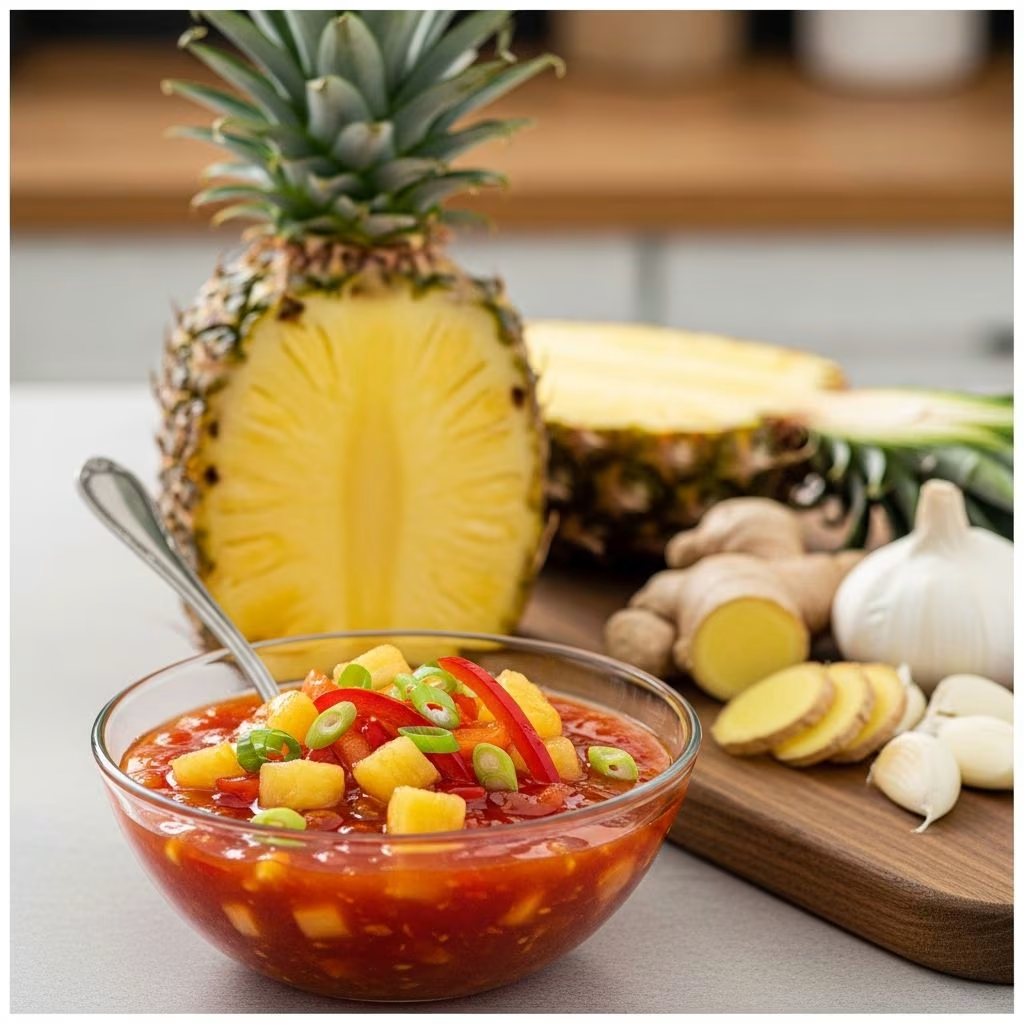
Creating a vibrant, balanced pineapple sweet and sour sauce from scratch is simpler than most home cooks realize. Rather than relying on store-bought versions that often contain preservatives and excess sodium, preparing your own sauce takes only five to ten minutes and requires ingredients you likely already have in your pantry. This homemade approach gives you complete control over sweetness levels, acidity balance, and thickness, allowing you to tailor the sauce precisely to your family’s preferences.
Understanding the Flavor Profile
The appeal of pineapple sweet and sour sauce lies in its harmonious combination of contrasting tastes. The sweetness comes from pineapple juice and brown sugar, while rice vinegar or white vinegar provides the sharp, acidic counterpoint. Salty elements like soy sauce or tamari contribute umami depth, preventing the sauce from becoming one-dimensional. Ketchup rounds out the flavor profile with tomato-based richness and subtle sweetness. When these components come together in the right proportions, you achieve a sauce that enhances protein dishes without overpowering them.
Essential Ingredients Breakdown
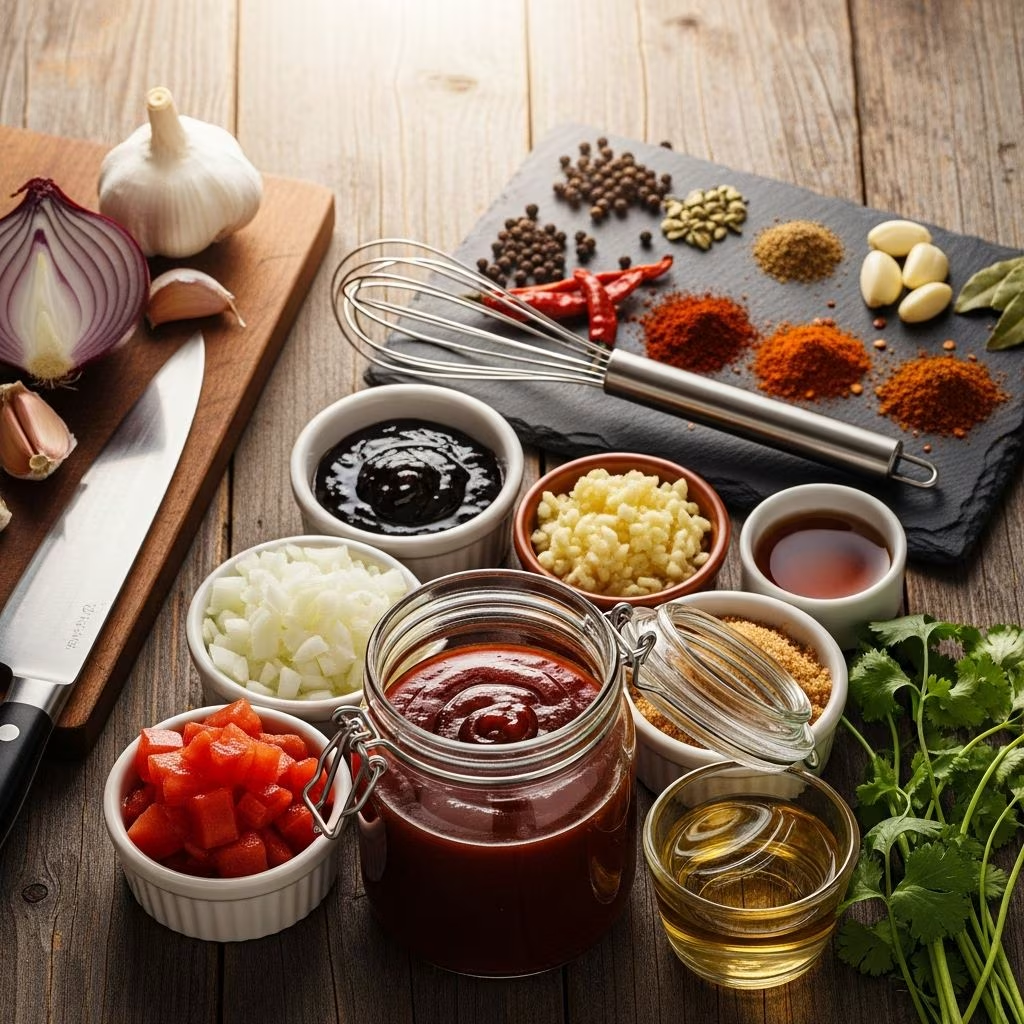
Understanding each ingredient’s role helps you make intelligent substitutions if needed:
- Pineapple juice: Forms the liquid base while adding natural sweetness and tropical flavor complexity. Canned pineapple juice works perfectly and maintains consistent taste year-round.
- Brown sugar: Contributes deeper, caramel-like sweetness compared to white sugar. The molasses content adds subtle complexity to the overall flavor profile.
- Rice vinegar: Delivers the characteristic sour note with a milder, slightly sweeter character than distilled white vinegar. This vinegar is commonly used in Asian cooking and balances sweetness without harsh sharpness.
- Soy sauce or tamari: Introduces savory umami notes that anchor the sauce and prevent excessive sweetness. Tamari offers a gluten-free alternative with comparable depth.
- Ketchup: Adds tomato-based richness, additional sweetness, and helps develop the sauce’s body and texture.
- Cornstarch slurry: Creates the glossy, coating consistency characteristic of quality sweet and sour sauce. Mixing cornstarch with water before adding to hot liquid prevents lumps.
Step-by-Step Preparation Method
The basic technique involves combining acidic and sweet components, bringing them to a boil, then using cornstarch to achieve the desired thickness. Here’s how professionals approach it:
- Measure your pineapple juice, ensuring you have the full amount called for in your recipe. If using canned pineapple chunks, drain thoroughly and reserve the juice.
- In a small bowl, create a cornstarch slurry by mixing cornstarch with cold water until completely smooth. This prevents lumping when the slurry enters hot liquid.
- Combine pineapple juice, vinegar, brown sugar, soy sauce, and ketchup in a medium saucepan. Place over medium heat and bring the mixture to a rolling boil, stirring occasionally.
- Slowly pour the cornstarch slurry into the boiling liquid while stirring constantly. Continue stirring until the sauce thickens noticeably, usually one to two minutes.
- Remove from heat and allow the sauce to cool slightly. It will continue to thicken as it cools.
Controlling Sauce Consistency
The thickness of your finished sauce depends entirely on the cornstarch-to-liquid ratio. For a thin, pourable sauce suitable for drizzling over rice, use one tablespoon of cornstarch dissolved in one tablespoon of water per batch. For a thicker sauce that clings better to food pieces, double the cornstarch amount. Some cooks prefer creating the slurry with a two-to-one ratio of cornstarch to water for maximum thickening power. Remember that sauce continues thickening as it cools, so err slightly on the thinner side if uncertain during cooking.
Flavor Customization Strategies
Once you master the basic formula, numerous customization options become available. If your sauce tastes too sweet, add an extra half-tablespoon of rice vinegar or white vinegar to increase acidity and balance sweetness. For insufficient salty depth, incorporate additional soy sauce in quarter-teaspoon increments until satisfied. Some cooks enhance complexity by adding minced fresh garlic, fresh cilantro, or red pepper flakes. The low-FODMAP variation substitutes tomato paste for ketchup and adjusts proportions for dietary requirements. Experimentation within these parameters helps you develop your signature version.
Storage and Make-Ahead Considerations
Homemade pineapple sweet and sour sauce stores reliably in the refrigerator for up to five days when kept in a covered container. The sauce makes an excellent candidate for batch preparation on weekends, providing ready-made condiment throughout the week. Leftover sauce works equally well served hot over freshly cooked proteins or chilled as a dipping sauce for appetizers. The sauce does not freeze well due to cornstarch’s textural changes during freezing and thawing, so refrigeration is preferable for storage.
Practical Applications for Home Cooks
| Protein Option | Preparation Style | Serving Temperature |
|---|---|---|
| Chicken breasts or thighs | Baked, pan-fried, or air-fried | Hot sauce over hot protein |
| Fish fillets | Baked or pan-seared | Warm sauce drizzled over fish |
| Shrimp | Stir-fried or grilled | Hot sauce tossed with shrimp |
| Pork tenderloin | Roasted or cubed and stir-fried | Hot sauce as finishing coat |
| Vegetable medley | Stir-fried or roasted | Warm or cold as dipping sauce |
The versatility of this sauce extends beyond Asian-inspired dishes. Consider serving it alongside spring rolls, using it as a dipping sauce for chicken tenders, or drizzling it over baked tofu. The sauce complements both simple weeknight meals and more elaborate dinner preparations equally well.
Addressing Common Preparation Questions
Can I use fresh pineapple juice instead of canned?
Absolutely. Fresh pineapple juice creates an excellent sauce with bright, vibrant flavor. However, ensure your fresh juice has been properly strained and cooled before adding to the saucepan. Fresh juice may require slight adjustments to sugar and vinegar quantities since natural sweetness levels vary by pineapple variety and ripeness.
What if my sauce remains too thin after adding the cornstarch slurry?
Create an additional small slurry using one teaspoon cornstarch and one teaspoon water, then slowly incorporate it into the simmering sauce while stirring. Wait one minute between additions to allow the cornstarch to fully activate before assessing thickness again.
Is there a sugar-free version available?
Yes. Replace brown sugar with a suitable sugar alternative in equivalent quantities. Pineapple juice naturally contains sugars, so your sauce will maintain sweetness. Taste and adjust vinegar or soy sauce accordingly, as sugar alternatives may affect the overall balance differently than traditional sugar.
Can I make a larger batch for meal prep?
The recipe scales easily. Simply multiply ingredient quantities by the desired batch number and follow identical cooking procedures. Larger batches may require slightly longer cooking times to reach a full boil, but the thickening process remains consistent.
What causes sauce separation or greasiness?
Separation typically indicates the sauce was exposed to excessive heat after thickening or was stored improperly. Before serving, gently reheat separated sauce over low heat while stirring to recombine components. Adding one-quarter teaspoon of cornstarch mixed with one-quarter teaspoon water can help restore consistency if needed.
Nutritional Considerations
This homemade sauce contains significantly less sodium than commercial varieties, with most recipes containing only one teaspoon of soy sauce per batch. The natural pineapple juice provides vitamin C and beneficial enzymes, though cooking reduces enzyme activity slightly. Brown sugar and pineapple juice contribute carbohydrates that provide quick energy, making this sauce appropriate for active individuals. The sauce contains negligible fat content and no artificial preservatives or colorings, making it suitable for families seeking cleaner ingredient lists.
Troubleshooting Common Issues
If your sauce develops an overly bitter taste, you may have allowed the mixture to boil too vigorously or cooked it too long. Next time, maintain a gentle simmer once you add the cornstarch slurry. A cloudy appearance rather than glossy transparency indicates the cornstarch slurry wasn’t completely smooth before adding to hot liquid. Ensure you dissolve cornstarch completely in cold water and stir thoroughly before incorporating into the sauce. For sauce that tastes too acidic or vinegary, reduce vinegar quantity in future batches or add one-quarter teaspoon sugar and retest.
Elevating Your Sauce Experience
Once you become comfortable with the basic formula, consider experimenting with variations that reflect your culinary interests. Add two tablespoons of freshly minced ginger for warmth and spice, incorporate one-half teaspoon of sesame oil for nutty undertones, or stir in one tablespoon of rice wine for additional complexity. These additions transform the sauce into something distinctly personalized while maintaining the foundational sweet-sour-savory balance that makes the original appealing.
References
- Pineapple Sweet and Sour Sauce — Stuffed At the Gills. 2023-11. https://www.stuffedatthegills.ca/2023/11/pineapple-sweet-and-sour-sauce.html
- Pineapple Sweet & Sour Sauce — The Salted Pepper. https://thesaltedpepper.com/pineapple-sweet-sour-sauce/
- Low FODMAP Pineapple Sweet and Sour Sauce — Lauren Ren Lund. https://laurenrenlund.com/low-fodmap-pineapple-sweet-and-sour-sauce/
- BEST Sweet and Sour Sauce — The Daring Gourmet. https://www.daringgourmet.com/best-sweet-and-sour-sauce/