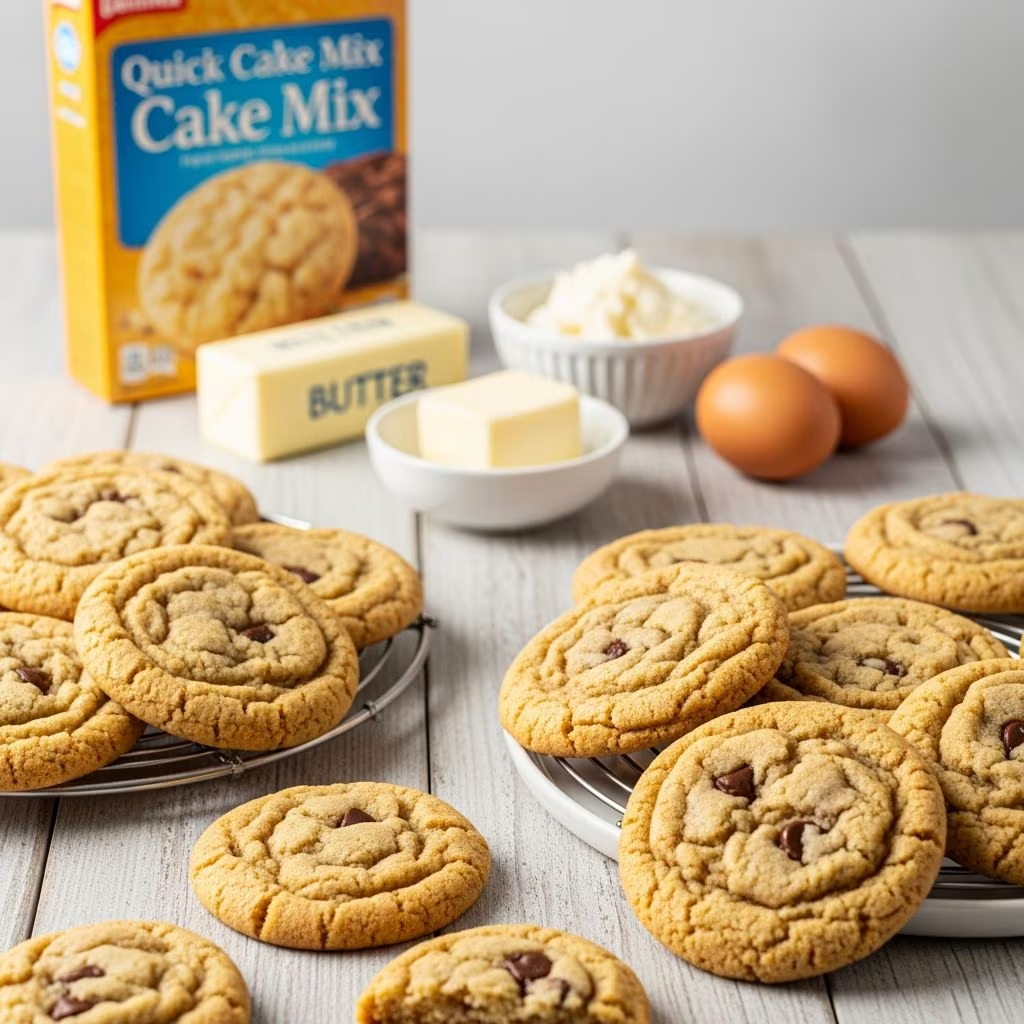
Baking homemade cookies doesn’t always require an extensive ingredient list or hours spent in the kitchen. One of the most ingenious shortcuts in modern home baking is utilizing boxed cake mix to create soft, delicious cookies with minimal effort. This approach combines convenience with customization, allowing both experienced bakers and complete novices to produce impressive results. The beauty of this method lies in its simplicity—just three fundamental components transform into a batch of treats that taste far more complex than their ingredient count suggests.
Understanding the Foundation: Your Three Essential Ingredients
The magic of cake mix cookies begins with understanding how these three basic components work together. Each element plays a specific role in creating the right texture and flavor profile.
Cake Mix Selection
The foundation of your cookie creation starts with choosing a boxed cake mix. This pre-mixed blend contains flour, sugar, leavening agents, and flavorings, eliminating the need to measure and combine multiple dry ingredients separately. A standard box of cake mix, typically weighing 15.25 ounces, provides enough dry ingredients for one batch of cookies. The variety of available flavors—from classic vanilla and chocolate to specialty options—means you can match your cookie flavor to personal preferences or seasonal themes. Some popular choices include yellow cake mix for neutral-flavored cookies that pair well with various mix-ins, chocolate cake mix for rich and indulgent treats, and specialty varieties like strawberry, lemon, or red velvet for unique flavor profiles.
Oil as the Binding Agent
Vegetable oil serves as the fat component that binds the dry cake mix ingredients while creating moisture in the finished cookie. Typically, recipes call for 1/3 cup to 1/2 cup of vegetable oil, depending on the specific recipe and desired texture. Oil distributes more evenly than butter throughout the dough when mixed with dry ingredients, resulting in more uniform cookies. The oil also contributes to the soft, chewy texture that distinguishes these cookies from traditional butter-based varieties. While vegetable oil is the standard choice, some bakers prefer using melted butter for its flavor contribution, though this substitution may slightly alter the final texture.
Eggs for Structure and Moisture
Two large eggs provide the wet ingredients necessary to activate the leavening agents in the cake mix and create proper dough consistency. Eggs bind the flour and oil together, creating a cohesive mixture that holds together during baking. They also contribute to the rise and help establish the cookie’s structure, resulting in cookies that are tender yet sturdy enough to handle without crumbling.
The Basic Method: Step-by-Step Instructions
Creating cake mix cookies follows a straightforward process that requires minimal equipment and expertise.
Preparation Phase
Begin by preheating your oven to 350°F (175°C). While the oven reaches temperature, prepare your baking sheets by lining them with parchment paper or silicone baking mats. This prevents sticking and ensures even browning on the cookie bottoms. Taking these preliminary steps ensures your cookies bake consistently and release easily from the pan.
Mixing the Dough
In a large mixing bowl, combine one box of cake mix with 1/3 to 1/2 cup of vegetable oil and two large eggs. Using an electric mixer or vigorous hand mixing, blend these ingredients until a smooth, cohesive dough forms. The mixture should appear uniform in color and consistency, with no visible dry cake mix remaining. Some bakers find that refrigerating the dough for 15-20 minutes makes it easier to handle, particularly if the dough seems sticky or difficult to portion.
Portioning and Optional Additions
Using a cookie scoop or spoon, drop uniform portions of dough onto your prepared baking sheets, spacing them approximately 2 inches apart to allow for spreading during baking. This is the ideal moment to incorporate optional mix-ins such as chocolate chips, M&Ms, nuts, or candy pieces if desired. Press these additions gently into the dough so they remain embedded during baking.
Baking Process
Place the baking sheets in your preheated oven and bake for 9-11 minutes, or until the cookies appear set on the surface but still maintain a slightly tender center. The exact baking time depends on your oven’s characteristics and the size of your cookie portions. Allow the cookies to cool on the baking sheet for a few minutes before transferring them to a wire rack for complete cooling. This brief resting period allows the cookies to set properly and become less fragile.
Flavor Variations: Creating Signature Combinations
The adaptability of the basic recipe makes it possible to create numerous flavor profiles by simply changing the cake mix variety and adding complementary ingredients.
Chocolate-Based Variations
Chocolate cake mix serves as a versatile base for creating rich, decadent cookies. Combine chocolate cake mix with semi-sweet chocolate chips for double chocolate indulgence. Alternatively, mix chocolate cake mix with peanut butter chips for a classic flavor combination, or add mint-flavored candy pieces for a sophisticated chocolate-mint experience. For a more elegant presentation, drizzle cooled chocolate cookies with white chocolate or add a chocolate glaze before serving.
Fruity and Light Options
Strawberry cake mix creates cookies with natural berry flavor and soft pink coloring. These work beautifully with white chocolate chips or a light glaze. Lemon cake mix produces bright, refreshing cookies that work well with white chocolate or topped with a simple lemon glaze made from powdered sugar and lemon juice. For seasonal appeal, use spice cake mix during autumn months, combining it with chocolate chips or nuts for warming spice notes.
Festive Specialty Combinations
White or vanilla cake mix paired with Christmas-themed M&Ms and colorful sprinkles creates festive holiday treats. Red velvet cake mix combined with white chocolate chips or cream cheese chips produces elegant cookies perfect for special occasions. Funfetti or birthday cake mix naturally includes sprinkles in the mix, making these cookies visually exciting with minimal additional effort—simply roll dough balls in additional sprinkles if desired for extra color and texture.
Creative Mix-In Ideas and Toppers
While the basic three-ingredient recipe is delicious on its own, incorporating additional ingredients allows for personalization and creative expression.
| Mix-In Category | Specific Options | Best Paired With |
|---|---|---|
| Chocolate Products | Semi-sweet chips, dark chocolate chips, chocolate chunks, white chocolate chips | Chocolate, vanilla, or yellow cake mix |
| Candy Pieces | M&Ms, Reese’s pieces, Andes mints, Rolos, crushed candy canes | Matching flavor cake mix or neutral yellow/vanilla |
| Nuts | Chopped walnuts, pecans, macadamia nuts, almonds | Chocolate, spice, or vanilla cake mix |
| Sprinkles & Toppings | Rainbow sprinkles, jimmies, pearl sugar, sanding sugar | White, yellow, or funfetti cake mix |
| Specialty Items | Crushed cookies, toffee bits, butterscotch chips, coconut flakes | Vanilla, caramel, or chocolate cake mix |
Advanced Techniques for Texture Variation
While the basic method produces excellent results, several techniques can modify the final texture and appearance of your cookies.
Creating Crinkled Cookies
For a dramatic, crackled appearance reminiscent of traditional crinkle cookies, roll formed dough balls in powdered sugar before placing them on the baking sheet. During baking, the sugar coating creates distinctive cracks across the cookie surface while the interior remains soft and chewy. This technique works particularly well with chocolate cake mix varieties.
Glazing and Drizzling
After cookies have cooled completely, you can enhance them with glazes or drizzles. A simple glaze made from powdered sugar and milk creates a smooth coating. Melted chocolate works wonderfully for dipping cookie halves. Alternatively, create contrasting flavors by drizzling lemon glaze over lemon cake mix cookies or chocolate drizzle over vanilla-based varieties.
Chilling for Texture Control
Refrigerating dough before baking produces slightly thicker, chewier cookies, as the cold dough spreads less during the initial heating phase. This technique also makes sticky dough easier to handle and portion evenly.
Frequently Asked Questions
Can I use butter instead of vegetable oil?
Yes, melted butter can substitute for vegetable oil on a one-to-one ratio. However, using butter may result in slightly crisper cookies with more pronounced butter flavor, whereas oil produces softer, chewier cookies. Softened rather than melted butter may create a stiffer dough requiring additional mixing effort.
How should I store finished cookies?
Store cooled cookies in an airtight container at room temperature for up to one week. For extended storage, freeze cookies in freezer-safe containers for up to three months. Placing a slice of bread in the storage container helps maintain moisture and prevents cookies from becoming stale.
Can I prepare dough in advance?
Yes, prepared dough can be refrigerated for up to 48 hours or frozen for several months. Allow refrigerated dough to warm slightly before baking if it becomes too firm. Frozen dough can go directly into the oven with slightly extended baking time.
Why are my cookies spreading too thin?
Excessive spreading usually indicates dough that is too warm or contains too much oil relative to dry ingredients. Try refrigerating the dough before baking, using the lower end of the oil measurement range, or ensuring your oven temperature is accurate.
Can I make these cookies without an electric mixer?
Absolutely. Vigorous hand-mixing with a wooden spoon works perfectly well. The process requires more physical effort but produces identical results. Mix until no visible dry cake mix remains and the ingredients appear uniformly combined.
Why This Method Works: The Science Behind the Simplicity
Understanding why this simplified approach produces such excellent cookies reveals the cleverness of the technique. Boxed cake mixes already contain precisely measured flour, sugar, and leavening agents optimized for achieving soft, moist texture. By adding just eggs and oil—the two components that activate and distribute these pre-measured ingredients—you replicate the key elements of cookie structure without the complexity of traditional recipes. The result delivers professional-quality cookies with minimal skill requirement or preparation time.
Perfect Occasions for Cake Mix Cookies
These cookies serve numerous purposes beyond everyday snacking. Their quick preparation makes them ideal for last-minute desserts when unexpected guests arrive. Parents find them perfect for involving children in baking, as the simplified process involves fewer steps and less risk of error. Their versatility makes them suitable for cookie exchanges, bake sales, or homemade gifts when packaged attractively. The endless flavor possibilities mean you can create themed cookies for holidays, parties, or special celebrations without requiring specialized ingredients or techniques.
Conclusion: Simple Excellence in Every Batch
Cake mix cookies represent the perfect intersection of convenience and quality, proving that impressive homemade treats don’t require complicated recipes or extensive ingredient lists. With just three basic components—cake mix, oil, and eggs—you can consistently produce soft, flavorful cookies that rival those from specialty bakeries. The flexibility to experiment with different cake mix flavors and mix-ins means the possibilities for creativity are virtually endless. Whether you’re a busy parent seeking quick desserts, a novice baker building confidence, or an experienced baker appreciating a clever shortcut, this method deserves a permanent place in your baking repertoire.
References
- Cake Mix Cookie Recipes — Betty Crocker. https://www.bettycrocker.com/recipes/dishes/cookie-recipes/cake-mix-cookies
- Cake Mix Cookies (3 Ingredients) — I Heart Naptime. https://www.iheartnaptime.net/cake-mix-cookies/
- Cake Mix Cookies {10 Ways!} — It’s Always Autumn. https://www.itsalwaysautumn.com/cake-mix-cookies.html
- Easy Cookie Recipe Using Any Cake Mix Flavor — TidyMom. https://tidymom.net/cake-mix-cookies/