Scottish shortbread represents one of the world’s most elegant yet simple cookie traditions. With nothing more than butter, sugar, and flour, bakers can create a treat that has delighted generations across Scotland and beyond. This timeless recipe showcases how culinary excellence doesn’t require complexity—just quality ingredients and proper technique.
Understanding the Rich Heritage of Scottish Shortbread
The story of shortbread begins in Scotland during the 1700s, when this delicacy occupied a privileged place in the culinary world.Shortbread cookies originated in Scotland in the 1700s. At that time, they were a luxury recipe reserved for special occasions such as weddings and holidays. The name itself carries significance; it reflects the distinctive baking method that defines these cookies. The name “shortbread” comes from the fact that the dough is “shortened” or made crumbly with the addition of butter.
What began as a celebration dessert has evolved into a year-round favorite, particularly cherished during holiday seasons. The recipe’s fundamental simplicity—requiring only three ingredients—made it accessible to households while maintaining an air of sophistication and indulgence.
The Essential Ingredient Ratio: Finding the Perfect Balance
One of the most important aspects of baking successful shortbread lies in understanding proper ingredient proportions. Professional bakers rely on a time-tested formula that ensures consistent, exceptional results.
Most of my shortbread recipes can be traced back to a root formula adapted from classic Scottish shortbread: 1 part sugar, 2 parts butter, 3 parts flour (by weight). This mathematical approach eliminates guesswork and produces the characteristic tender, crumbly texture that distinguishes authentic shortbread from other cookies.
Different variations of this ratio produce different textural outcomes. There are many different versions of the flour : fat : sugar ratios in shortbread recipes, and how soft, sweet, or buttery the results are varies considerably. Some bakers prefer a richer, more buttery result by reducing flour slightly, while others adjust sweetness based on personal preference.
Butter: The Star Ingredient
Butter quality fundamentally impacts shortbread success. Because butter features prominently in the recipe, used the best butter available – the richer the butter, the better the flavor of the shortbread will be. Room temperature butter (rather than cold) helps ensure proper mixing without overworking the dough.
Many traditional recipes call for salted butter, which adds complexity and depth. However, unsalted butter paired with a pinch of salt offers bakers greater control over the final flavor profile.
Flour and Sugar Components
All-purpose flour provides the structure necessary for these cookies. For gluten-free shortbread, use the same amount of 1 : 1 gluten-free all purpose flour. This accommodation allows those with dietary restrictions to enjoy this classic treat without sacrificing quality.
Granulated sugar contributes sweetness while maintaining the delicate crumb structure. Some variations use icing sugar for a finer texture, though this represents a deviation from traditional Scottish methods.
Step-by-Step Baking Instructions
Preparation and Oven Setup
Begin by preheating your oven to the appropriate temperature. Preheat your oven to 320°F / 160°C (140° fan-assisted) and line an 8-inch square baking pan with parchment paper. This temperature allows the cookies to bake slowly, developing a golden exterior while maintaining a tender interior.
Combining Butter and Sugar
Proper mixing technique separates successful shortbread from disappointing attempts. Make sure the butter is completely at room temperature, then put it in a bowl and use a wooden spoon or spatula to soften it a little. Don’t try to cream it, it’s just to make it more pliable.
This distinction proves crucial: creaming incorporates air into the butter, creating a cake-like texture. Shortbread requires a denser crumb, achieved by gently combining ingredients without excessive aeration. Start by mixing the butter and sugar together, but DO NOT CREAM them.
Incorporating Flour
Sift in the flour and mix it together until the mixture starts to look crumbly. Then ditch the spoon and use your hands to squeeze it together into a smooth dough with no lumps of butter. Hand-mixing at this stage allows tactile control and prevents overdevelopment of gluten, which would create tough cookies.
The final dough should appear smooth yet maintain a slightly crumbly appearance before pressing into the pan. Don’t overwork the dough; stop when it just comes together.
Shaping and Baking
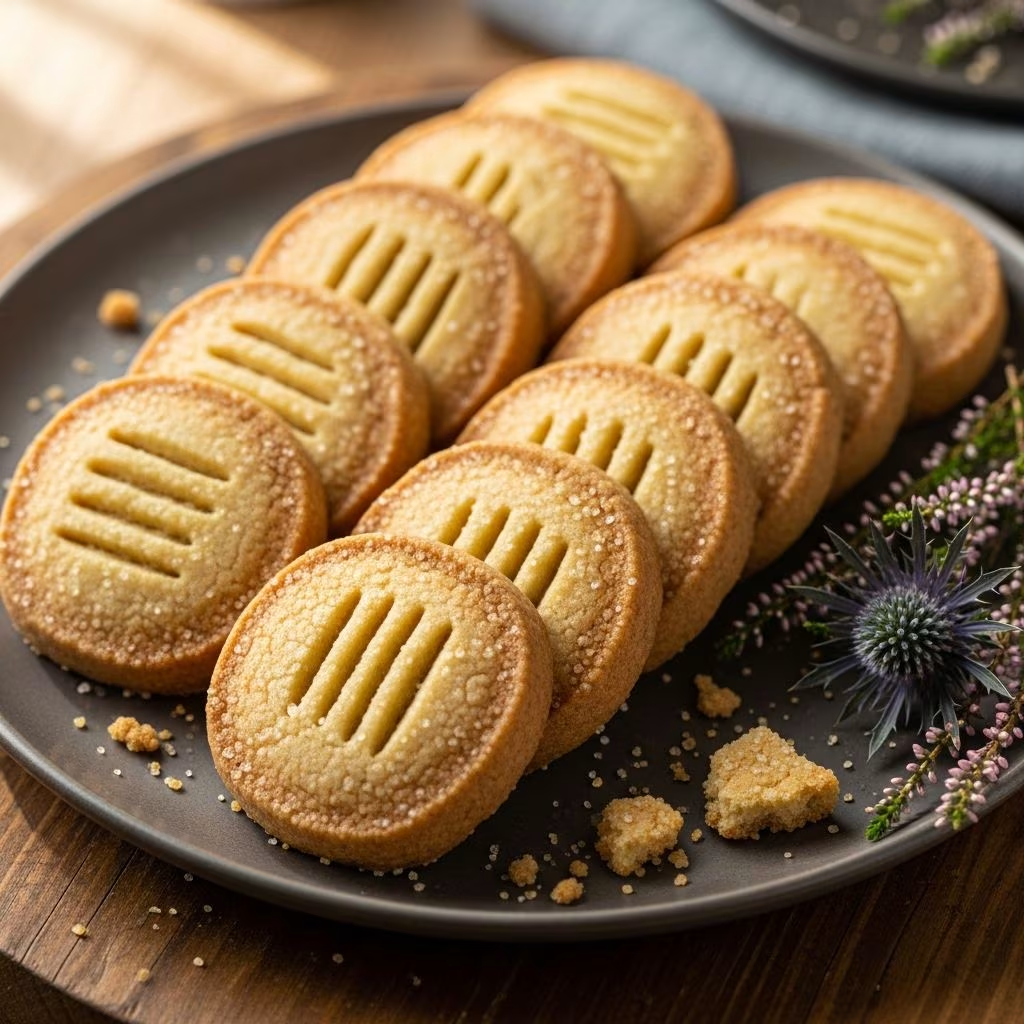
Press the dough evenly into your prepared pan, filling corners and creating a uniform thickness. Some bakers dock (prick) the surface with a fork before baking—this traditional technique helps ensure even baking and creates an attractive presentation.
Bake for approximately 30 minutes, watching for a pale golden color. The cookies should feel set to the touch but not dark brown. By scoring and pricking of the dough we help ensure the perfect texture-golden on the outside and heavenly soft within.
Texture and Technique: Creating the Ideal Crumb
One advanced technique that professional bakers employ involves grating cold butter before mixing. Grating the butter is key, as this technique ensures the butter is evenly distributed throughout the dough, resulting in a uniform and tender crumb. This method produces exceptional texture throughout each cookie.
The goal is achieving a balance between structure and tenderness. Combining flour, sugar, and chilled butter with the baking process we’ve outlined below, we unlock the secret to their indulgent melt-in-your-mouth texture.
Traditional Presentation Methods
While simple cookies work beautifully, shortbread lends itself to elegant presentation. These classic cookies are rich in history and in texture, and they are a staple dessert-table fixture during the holidays. You can bake them in a mold topped with beautiful traditional patterns like thistles, or choose to keep it simple by baking in a pie tin.
Whether you opt for decorative molds featuring Scottish thistles or maintain simplicity with sheet pan baking, the flavor and quality remain paramount.
Ingredient Quality Comparisons
| Ingredient Type | Standard Option | Premium Option | Impact on Result |
|---|---|---|---|
| Butter | Standard Salted Butter | European-style Butter (higher fat content) | Richer flavor and improved texture |
| Sugar | Granulated Sugar | Caster Sugar (finer crystals) | More uniform crumb structure |
| Flour | All-Purpose Flour | Cake Flour (lower protein) | More tender, delicate cookies |
| Salt | Omitted (if using salted butter) | Fine Sea Salt (pinch added) | Enhanced flavor complexity |
Common Questions About Shortbread Baking
Why shouldn’t I cream the butter?
Creaming incorporates air, which creates lift and cake-like texture. Shortbread requires a dense, crumbly structure achieved through minimal mixing and no aeration.
Can I make shortbread with unsalted butter?
Yes. You can use unsalted, which is the norm for baking, but add a good pinch of salt. This gives you control over total sodium content.
What causes shortbread to turn out tough?
Overworking the dough develops gluten, creating tough cookies. Mix only until ingredients combine, then stop immediately.
How long can I store homemade shortbread?
Properly stored in an airtight container, shortbread maintains quality for up to two weeks. The butter content helps preserve freshness.
Can I modify this recipe with flavoring extracts?
Yes, though traditional Scottish shortbread contains no flavoring beyond butter and sugar. A small amount of vanilla extract represents a common adaptation.
Troubleshooting Your Shortbread Results
Understanding potential issues helps improve outcomes. Cookies that crumble excessively during removal indicate insufficient mixing or too much flour. Adding slightly more butter or reducing flour marginally corrects this problem.
Cookies that feel cakey suggest creaming occurred or the oven temperature ran too high. Verify oven calibration and employ the gentle mixing technique described above.
Uneven browning indicates either inconsistent dough thickness or uneven oven temperature. Use an oven thermometer for accuracy and press dough to uniform thickness.
Serving and Storage Recommendations
Serve shortbread at room temperature for optimal flavor and texture. The butter should be soft enough to melt slightly on the tongue while maintaining structural integrity.
Store in layers separated by parchment paper within an airtight container. This prevents moisture absorption and maintains the distinctive crumbly texture.
The Enduring Appeal of Scottish Shortbread
Scottish shortbread endures because it represents culinary perfection through simplicity. All it takes is the perfect combination of butter, sugar, and flour—and you’ll have a delicious, giftable dessert. The recipe proves that exceptional baking doesn’t demand complicated techniques or lengthy ingredient lists.
Whether enjoyed during holiday celebrations or everyday moments, authentic Scottish shortbread continues the tradition begun centuries ago in Scotland. By understanding ingredient ratios, respecting proper technique, and using quality components, any baker can create these timeless treats.
References
- How to Make Shortbread (Easy Scottish Recipe) — Christina’s Cucina. Accessed April 2026. https://www.christinascucina.com/how-to-make-shortbread/
- Traditional Scottish Shortbread Recipe — Bonni Bakery. Accessed April 2026. https://bonnibakery.com/traditional-scottish-shortbread/
- Scottish Shortbread Cookies (better than Walker’s) — Cravings Journal. Accessed April 2026. https://cravingsjournal.com/scottish-shortbread-cookies/
- Scottish Shortbread Cookies – Living The Gourmet — Living The Gourmet. December 2023. https://livingthegourmet.com/2023/12/teatime-scottish-shortbread-cookies-easy-recipe.html
- Traditional Scottish Shortbread Cookies — Scotch & Scones. Accessed April 2026. https://www.scotchandscones.com/homemade-shortbread-cookies/
- Martha Stewart’s Traditional Shortbread — Martha Bakes Recipes. Accessed April 2026. https://www.youtube.com/watch?v=7dsbKgr06EY
- One Shortbread Dough = 20 Recipes! — The View from Great Island. Accessed April 2026. https://theviewfromgreatisland.com/one-cookie-dough-12-ways/