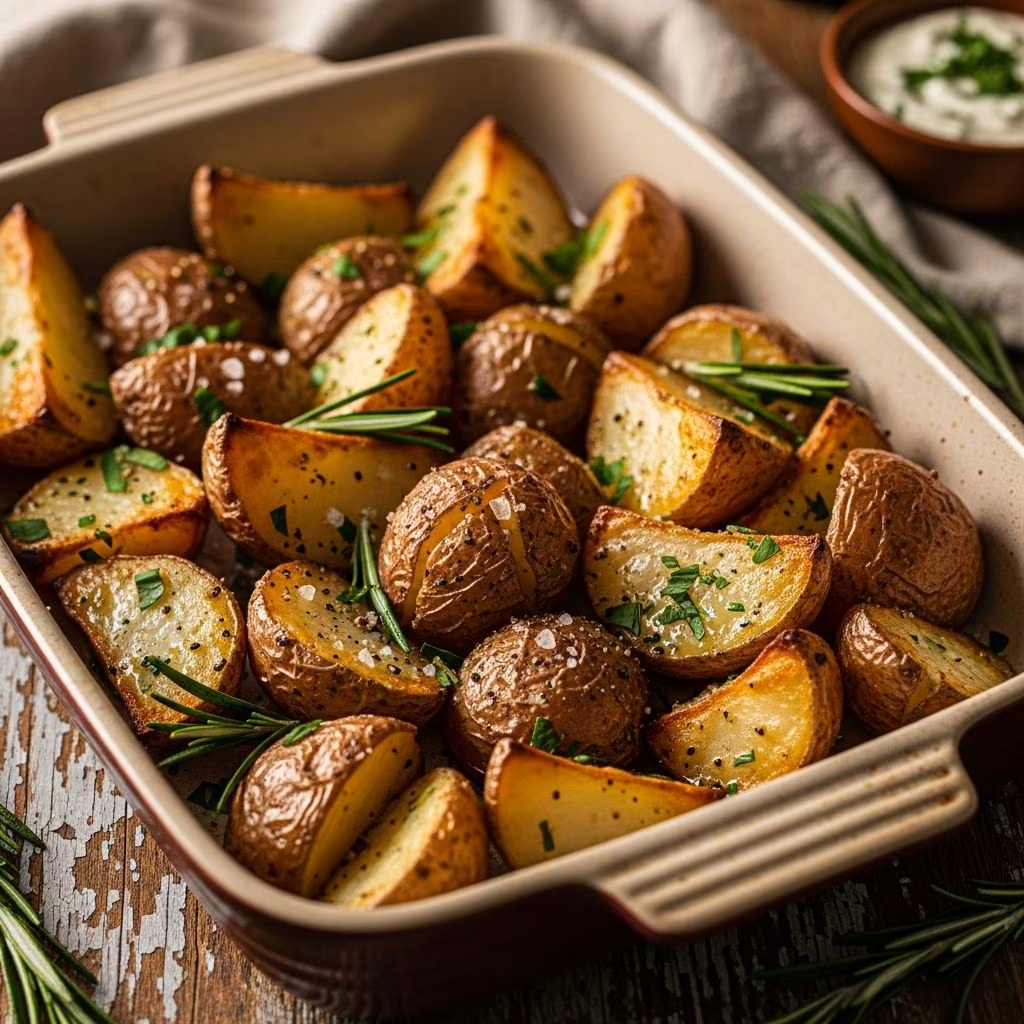
Smashed potatoes represent one of the most versatile and satisfying side dishes you can serve at your dining table. Whether you’re preparing a casual weeknight dinner or hosting a special occasion, understanding the fundamentals of this classic preparation method will elevate your cooking skills significantly. This comprehensive guide explores everything you need to know about selecting, preparing, cooking, and serving smashed potatoes that achieve the ideal balance of crispy exteriors and tender interiors.
Understanding the Foundation: What Makes Smashed Potatoes Special
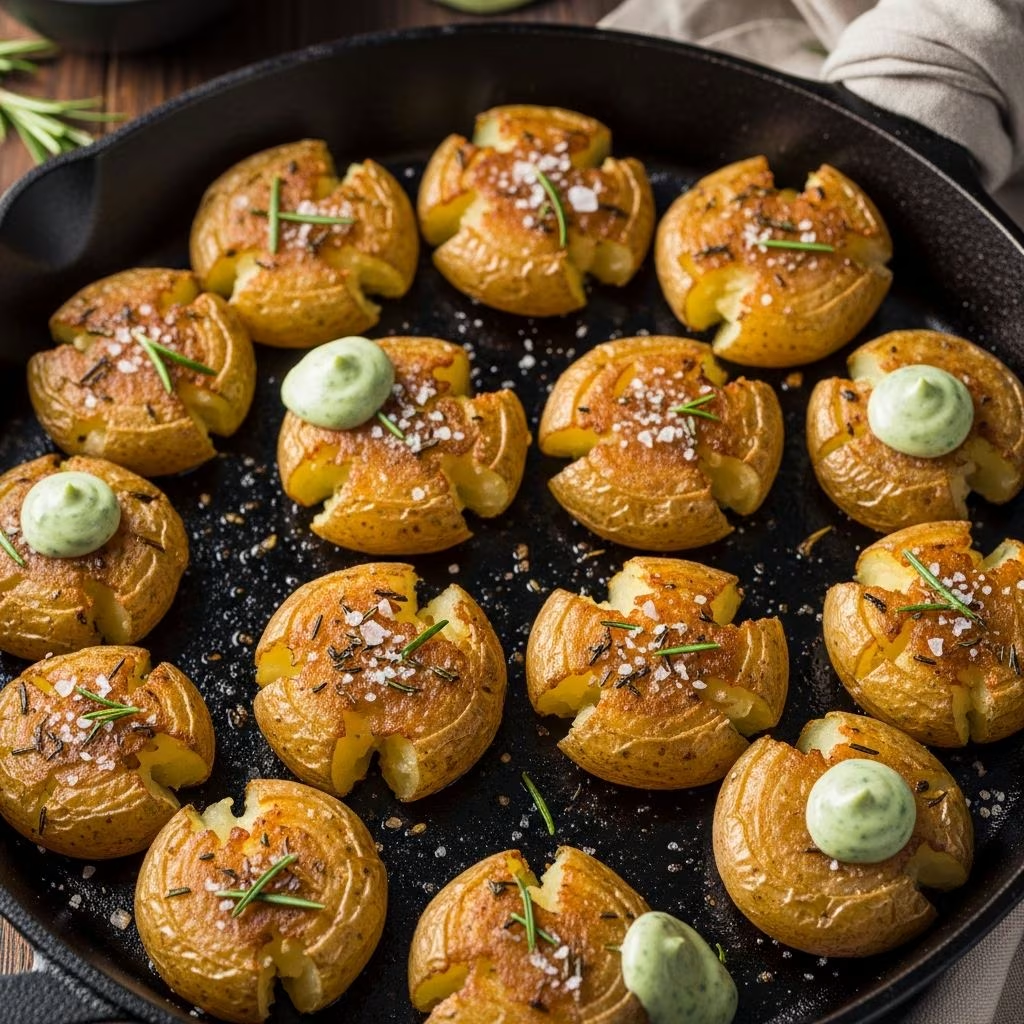
Smashed potatoes differ fundamentally from traditional mashed potatoes in both preparation technique and final texture. Rather than reducing boiled potatoes to a smooth, creamy consistency, smashing involves flattening cooked potatoes while maintaining their structural integrity. This method creates a dish that features a textured surface with crispy, golden-brown edges and a soft, yielding center. The technique transforms simple potatoes into an elegant accompaniment that complements virtually any protein or vegetable dish.
The appeal of smashed potatoes lies in their versatility and the textural contrast they provide. The crispy exterior develops during the roasting process, while the interior retains moisture and creaminess. This duality makes them distinctly different from both traditional mashed potatoes and crispy potato chips, occupying a unique space in the potato preparation repertoire.
Selecting and Preparing Your Potatoes
The foundation of excellent smashed potatoes begins with choosing the right potato variety. Small potatoes, particularly yellow or red varieties, work exceptionally well for this preparation. Their smaller size ensures even cooking and allows you to present individual potato pieces that maintain an attractive presentation. The skin of these smaller potatoes is naturally thin and tender, making it edible and adding nutritional value and visual appeal to the finished dish.
Before cooking, prepare your potatoes by washing them thoroughly under cool running water to remove any dirt or debris. A vegetable brush can help eliminate stubborn soil particles. You want your potatoes clean but don’t need to peel them—the skin contributes to both nutrition and texture. Pat the potatoes dry to prevent excess water during the cooking process.
Essential Ingredients and Their Roles
- Potatoes: Two pounds of small yellow or red potatoes provide the ideal quantity for four to six servings
- Olive oil: Extra-virgin olive oil creates a flavorful base for browning and adds richness to the final dish
- Salt: Both cooking salt in the boiling water and finishing salt enhance flavor development at different stages
- Garlic powder: This aromatic seasoning penetrates throughout the potatoes during roasting
- Fresh herbs: Rosemary, thyme, or oregano add sophisticated flavor complexity
- Butter: Optional but recommended for added richness and an enhanced golden finish
- Black pepper: Freshly ground pepper provides subtle heat and balances the other seasonings
The Cooking Process: Boiling and Preparation
Begin by placing your cleaned potatoes in a large pot and covering them with cold water to a depth of approximately one inch above the potatoes. Add one teaspoon of salt to the water, which seasons the potatoes from within and raises the water’s boiling point slightly, affecting cooking time and texture development.
Bring the water to a full rolling boil over medium-high heat. Maintain a gentle boil rather than a vigorous roil, which can damage the potatoes and create uneven cooking. The potatoes should cook for approximately 15 to 20 minutes, depending on their size and your altitude. The defining moment comes when you can easily pierce a potato with a fork or sharp knife without resistance—this is the fork-tender stage.
Avoid overcooking at this stage, as potatoes that become too soft will fall apart during the smashing process. Conversely, undercooked potatoes won’t flatten properly and won’t develop the desired texture. This balance requires attention but becomes intuitive with practice.
Once the potatoes reach the proper doneness level, carefully drain them in a colander. Allow them to sit undisturbed for several minutes so steam can escape completely. Excess moisture remaining in the potatoes will interfere with browning and crisping during the subsequent roasting phase.
The Smashing Technique: Creating Ideal Texture
While potatoes are cooling slightly from the boiling process, prepare your baking sheets by coating them generously with olive oil. Do not use parchment paper for this preparation, as direct contact between the potato and the oiled baking sheet allows the bottom surface to become exceptionally crispy and develop a beautiful golden crust.
Arrange your slightly cooled potatoes on the oiled baking sheets, spacing them a few inches apart to ensure air circulation and even browning. Using the bottom of a measuring cup, the base of a heavy glass, or a potato masher, press down firmly on each potato. Apply steady, even pressure to flatten each potato to approximately one-quarter inch thickness. Aim for consistency across all potatoes to ensure uniform cooking and browning.
Work deliberately during this process. If a potato begins to crack or crumble around the edges, gently press the fragments back toward the center—they will adhere together during roasting. This gentle handling preserves the rustic character of the dish while maintaining structural integrity.
Seasoning Strategy and Flavor Development
Proper seasoning elevates smashed potatoes from satisfactory to exceptional. After flattening your potatoes, drizzle them generously with olive oil. A light coating helps develop the golden-brown exterior and provides flavor, but be careful not to oversaturate, which can result in greasiness.
Combine your dried herbs—rosemary, thyme, and oregano work beautifully together—with garlic powder, freshly ground black pepper, and coarse sea salt. Sprinkle this herb mixture evenly over each potato. The sea salt provides texture and enhanced flavor compared to fine table salt.
Consider your serving context when selecting seasonings. For formal dinners, refined herb combinations work well. For casual family meals, simpler seasonings allow the potato flavor to shine. You might add grated Parmesan cheese at this stage, or reserve it for after roasting for a more pronounced cheese flavor.
Roasting for Optimal Texture and Color
Preheat your oven to between 425 and 450 degrees Fahrenheit before beginning the roasting process. The exact temperature depends on your oven’s characteristics and how crispy you prefer the finished potatoes. Hotter temperatures create crispier exteriors more rapidly.
Place your prepared potatoes in the preheated oven and allow them to roast undisturbed for approximately 20 to 25 minutes. During this time, the bottoms make contact with the hot sheet pan and begin developing their characteristic golden-brown crust through the Maillard reaction—the chemical process that creates appealing brown colors and complex flavors.
After the initial roasting period, rotate your baking sheets from front to back if your oven has hot spots, which most home ovens do. Continue roasting for an additional 15 to 20 minutes until the potatoes achieve a deep golden-brown color across their entire surface. The total roasting time typically falls between 40 and 45 minutes, though this varies based on your specific oven and potato size.
The potatoes are finished when you notice crispy, caramelized edges and a golden color. Resist the urge to flip the potatoes—this disrupts crust formation on the bottom. If you applied herb-infused butter before roasting, add it during the final five minutes to prevent burning.
Serving and Flavor Enhancement Options
Remove the finished smashed potatoes from the oven and serve immediately while they maintain maximum crispiness. The contrast between the warm, soft interior and the crispy exterior is most pronounced immediately after cooking.
Consider these finishing touches and variations:
- Fresh herb garnishes such as chopped chives, dill, or parsley add color and fresh flavor
- A drizzle of herb-infused oil just before serving enhances richness
- Crumbled cheese such as Asiago or aged cheddar provides umami depth
- Crispy bacon pieces add smokiness and textural contrast
- Caramelized onions contribute sweet, complex flavor notes
- A sprinkle of fleur de sel amplifies salt perception and adds mineral notes
Storage and Reheating Guidelines
Smashed potatoes maintain best quality when consumed immediately, but leftovers can be stored in an airtight container in the refrigerator for up to three days. The crispy texture will soften over time, though the flavor remains pleasant.
Reheat stored smashed potatoes in a 350-degree oven for approximately 10 minutes to partially restore crispness. Avoid microwaving, which tends to create uneven heating and further softens the exterior texture.
Troubleshooting Common Challenges
| Problem | Likely Cause | Solution |
|---|---|---|
| Potatoes remain soft without crisping | Insufficient roasting time or oven temperature too low | Increase oven temperature by 25 degrees and extend roasting time by 10 minutes |
| Potatoes burn before interior cooks | Oven temperature too high or excessive oil application | Reduce oven temperature by 25 degrees and use less oil coating |
| Potatoes fall apart during smashing | Potatoes overcooked during boiling stage | Boil potatoes for slightly shorter duration to maintain structural integrity |
| Bottom remains pale without browning | Insufficient oil on baking sheet or potatoes separated from sheet | Use more generous olive oil coating and ensure direct potato contact with sheet |
Frequently Asked Questions
Can I prepare smashed potatoes in advance?
You can boil and smash potatoes several hours ahead, then refrigerate them on oiled baking sheets. Roast them shortly before serving to maintain optimal texture and temperature.
What potato varieties work best?
Small red or yellow potatoes provide ideal texture and appearance. Russet potatoes have higher starch content and may become too fluffy. Fingerling potatoes also work well for their appealing presentation.
Can I make these without oil?
While possible, olive oil is essential for developing the crispy exterior and golden-brown color. The fat content enables the Maillard reaction that creates appealing browning and complex flavors.
How do I prevent potatoes from sticking to the sheet?
Use parchment paper underneath oiled baking sheets, or ensure generous oil coating on the sheet itself. Do not use parchment paper directly—it prevents crust formation on the bottom.
What’s the best way to reheat leftovers?
Reheat in a 350-degree oven for 10 minutes to partially restore crispness. Microwaving softens the exterior and creates uneven heating.
Conclusion: Mastering This Versatile Dish
Creating perfectly crispy smashed potatoes combines straightforward technique with attention to detail. By understanding the science behind boiling, smashing, seasoning, and roasting, you can reliably produce restaurant-quality results in your home kitchen. The dish’s versatility allows endless flavor experimentation while the core technique remains consistent. Whether serving at casual family dinners or formal entertaining occasions, smashed potatoes elevate your meal presentation and satisfy diverse palates. With practice, you’ll develop intuition about timing and heat levels that transforms this simple preparation into a signature dish.
References
- The Cozy Cook – Smashed Potatoes — The Cozy Cook. Accessed April 2026. https://thecozycook.com/smashed-potatoes/
- Love and Lemons – Crispy Smashed Potatoes Recipe — Love and Lemons. Accessed April 2026. https://www.loveandlemons.com/crispy-smashed-potatoes/
- Your Home Based Mom – Crispy Smashed Potatoes Recipe — Your Home Based Mom. Accessed April 2026. https://www.yourhomebasedmom.com/smashed-potatoes/
- RecipeTin Eats – Ultra Crispy Smashed Potatoes — RecipeTin Eats. Accessed April 2026. https://www.recipetineats.com/crispy-smashed-potatoes/
- Giangi’s Kitchen – Smashed Potatoes Recipe — Giangi’s Kitchen. Accessed April 2026. https://www.giangiskitchen.com/smashed-potatoes/