Understanding Meyer Lemons and Their Culinary Magic
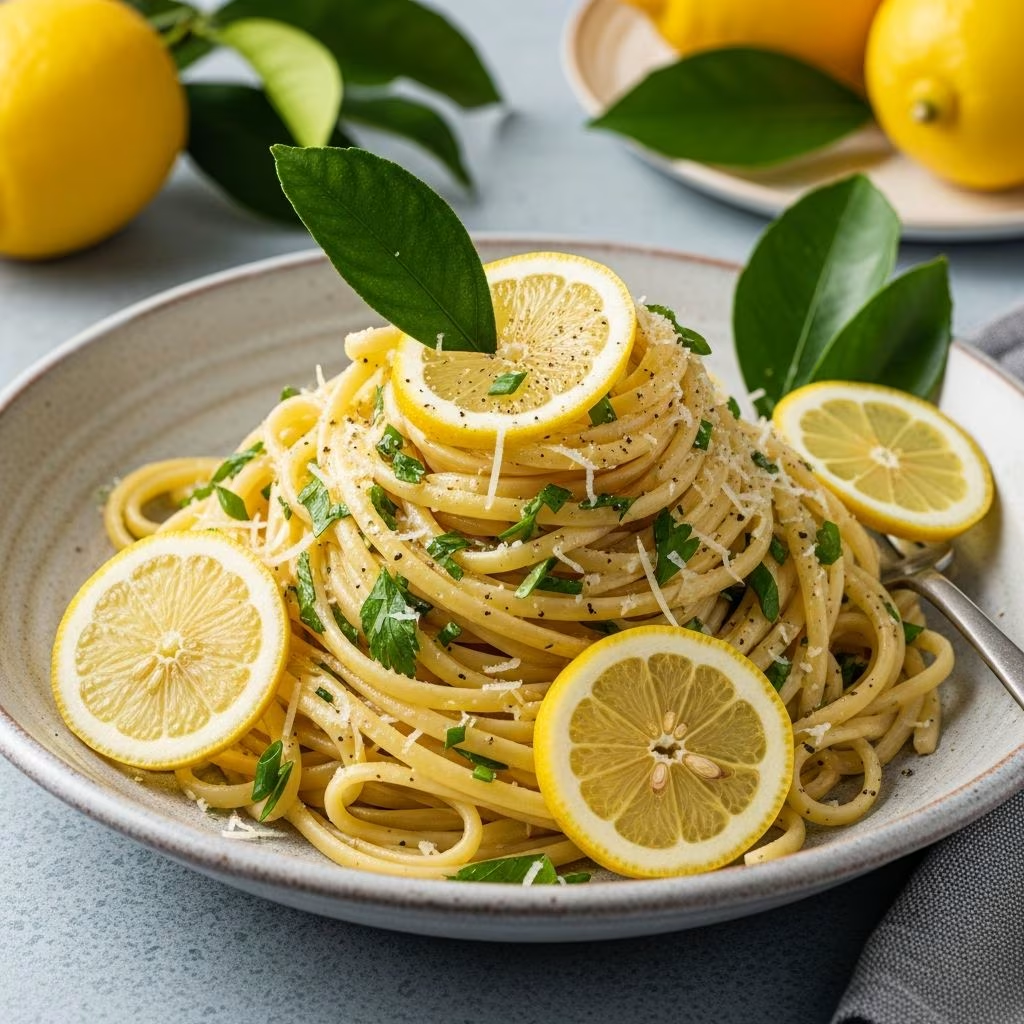
Meyer lemons represent a distinctive variety of citrus fruit that occupies a special place in modern cuisine. These lemons are smaller and rounder than their Eureka or Lisbon counterparts, with a thin, delicate skin that transitions from pale yellow to golden hues as they ripen. What makes Meyer lemons particularly prized by chefs and home cooks alike is their unique flavor profile—they offer a harmonious balance between tartness and natural sweetness that regular lemons cannot replicate. This characteristic sweetness, combined with their aromatic qualities, makes them exceptionally well-suited for pasta dishes where the citrus becomes the primary flavor component rather than merely a supporting ingredient.
The origin of Meyer lemons traces back to China, where they were cultivated for centuries before being introduced to California in the early twentieth century. They thrive in warmer climates and typically reach peak season during winter months, making them an ideal choice for creating bright, uplifting dishes during cooler weather. The juice of Meyer lemons contains approximately forty percent more citric acid than regular lemons, yet the fruit’s natural sugar content creates a more rounded, less harsh acidic presence on the palate. This botanical advantage transforms ordinary pasta preparations into something extraordinary, elevating simple dishes through superior flavor depth and complexity.
Selecting Quality Ingredients for Your Pasta Foundation
Creating an exceptional Meyer lemon linguine begins with thoughtful ingredient selection. The foundation of this dish relies on just a handful of components, each contributing essential qualities to the final result. Every element matters because this style of preparation emphasizes simplicity and purity of flavor, allowing premium ingredients to shine without unnecessary complication.
- Pasta: Choose high-quality dried linguine made from durum wheat. Look for bronze-cut varieties that have a rougher texture, allowing sauces to adhere more effectively than smooth, commercially-produced alternatives.
- Meyer Lemons: Select fruit that feels heavy for its size, indicating juice content. The skin should yield slightly to gentle pressure but not feel soft or damaged. Avoid any specimens with blemishes or hard spots.
- Butter: Unsalted butter provides the richest, cleanest flavor. European-style butter with higher fat content creates a more luxurious sauce than standard American varieties.
- Heavy Cream: Full-fat cream creates the silky texture that defines this dish. Heavy whipping cream with at least thirty-six percent butterfat ensures proper emulsification with the lemon juice.
- Fresh Herbs: Dill, parsley, or chives work beautifully. Select herbs with vibrant color and aromatic fragrance, using them as close to preparation time as possible.
- Aromatics: Fresh garlic cloves, sliced thinly, provide foundational flavor without overwhelming the delicate lemon notes. Ground fennel seeds add subtle complexity and warmth.
Preparation Techniques That Transform Your Components
Success with Meyer lemon linguine depends heavily on proper preparation of ingredients before cooking begins. Taking time to prepare components methodically ensures smooth execution and optimal flavor development during the cooking process.
Processing the Meyer Lemons
Begin by thoroughly washing two Meyer lemons under cool running water, gently rubbing the surface to remove any dirt or debris. Using a microplane or fine grater, carefully extract the zest from both fruits, being mindful to capture only the thin yellow layer and avoiding the bitter white pith beneath. Set the zest aside in a small bowl. Next, trim the top and bottom from each lemon and carefully slice them into thin discs, roughly one-quarter inch thick. Remove any visible seeds and roughly chop these slices into small, irregular pieces resembling pebbles. This chopped lemon preparation serves a distinct purpose—the thin skin pieces dissolve into the sauce, creating authentic texture and releasing essential oils that elevate the dish. Reserve the remaining Meyer lemon as a wedge for serving alongside the finished pasta, allowing guests to adjust acidity to their preference.
Preparing Supporting Ingredients
Peel six large garlic cloves and slice them thinly, aiming for uniform thickness to ensure even cooking. In a small bowl, lightly toast one teaspoon of fennel seeds in a dry pan for approximately one minute, then coarsely grind them using a mortar and pestle or spice grinder. Measure heavy cream into a liquid measuring cup and have it readily available. Roughly chop fresh dill leaves, keeping them separate from the tender stems, which can be added to the cooking sauce. Reserve approximately half of the chopped dill for garnishing the finished plates. Fill a large pot with approximately six quarts of water, adding about two tablespoons of kosher salt—the water should taste noticeably salty, similar to seawater.
The Cooking Process: Building Layers of Flavor
Proper execution of the cooking sequence ensures that all components reach completion simultaneously, creating a cohesive, balanced dish where flavors have developed fully without any element being overcooked.
Initiating the Pasta
Bring the salted water to a rolling boil over high heat. Once the water maintains a vigorous rolling boil, add one pound of linguine, stirring immediately and continuously for the first minute to prevent sticking. Continue cooking, stirring occasionally, until the pasta reaches al dente consistency—tender with a slight resistance when bitten. This typically requires eight to ten minutes, though timing varies based on pasta thickness and specific brand. Before draining, reserve one full cup of the starchy cooking water in a separate container. This liquid serves as a critical ingredient, helping to emulsify the sauce and adjust its consistency. Drain the pasta thoroughly but do not rinse it, as the residual starch helps bind the sauce components.
Developing the Sauce Foundation
While the pasta cooks, begin preparing the sauce. In a large skillet or Dutch oven, melt three tablespoons of unsalted butter over medium-low heat. Add the thinly sliced garlic and season lightly with salt, stirring constantly for approximately two minutes until the garlic becomes soft and fragrant without browning. Browning the garlic would introduce unwanted bitterness that conflicts with the delicate lemon flavor. Add the chopped Meyer lemon pieces and ground fennel seeds, stirring to combine evenly. Season again with a pinch of salt and cook over medium-low heat, stirring occasionally, for three to five minutes. During this time, the lemon pieces gradually soften as the acid and heat work together, while the fennel seeds disperse their warming, slightly licorice-like essence throughout the mixture. The goal is softness without mushiness—the lemon pieces should break down but retain some structural integrity.
Finishing the Sauce
Pour the heavy cream into the skillet and increase the heat to medium. Bring the mixture to a gentle simmer, stirring occasionally to ensure even heating. Once simmering, add the drained linguine and toss thoroughly using tongs, ensuring every strand contacts the creamy sauce. Pour approximately half a cup of the reserved pasta cooking water into the skillet and toss again, combining everything evenly. The starch from this liquid begins emulsifying with the cream and fat, creating a velvety sauce that clings to the pasta. Continue cooking and tossing frequently for three to five minutes, observing as the sauce gradually thickens while still maintaining a slight fluidity—it should pool slightly at the bottom of the skillet rather than appearing dry. If additional sauce is desired, add more pasta water incrementally, tossing and continuing to cook until the desired consistency is achieved.
Final Assembly and Flavor Refinement
Remove the skillet from heat and taste the preparation for seasoning. Add salt and freshly cracked black pepper to taste, keeping in mind that bold seasoning is appropriate given the delicate lemon flavor. Stir in the reserved dill, setting aside some of the chopped herb for garnishing individual servings. Divide the pasta evenly among serving bowls or plates, ensuring each portion receives adequate sauce. Top each serving with the remaining dill and a grinding of black pepper. Present the reserved Meyer lemon wedges alongside each plate, allowing diners to add additional bright flavor if desired. A drizzle of premium olive oil across the top of each portion adds richness and introduces subtle peppery notes that complement the citrus.
Variations and Adaptations
Lighter Interpretations
For those preferring reduced-fat preparations, substitute half the heavy cream with pasta cooking water or chicken broth. The sauce will be lighter but still silky, as the pasta starch provides adequate emulsification. This version suits spring and summer dining when richness feels excessive.
Protein Additions
Sautéed shrimp, pan-seared scallops, or grilled chicken breast complements Meyer lemon linguine beautifully. Add proteins to the skillet during the final tossing stage, ensuring they warm through without overcooking.
Textural Elements
Toasted breadcrumbs mixed with lemon zest and fresh parsley create pleasing crunch. Alternatively, toasted pine nuts or panko breadcrumbs scattered across the finished dish introduce contrasting texture that balances the creamy sauce.
Serving Suggestions and Complementary Pairings
Meyer lemon linguine functions successfully as either a main course or as an elegant side dish accompanying roasted fish or poultry. The brightness of the lemon makes it particularly suitable for spring menus or lighter dining occasions. Pair this pasta with chilled white wines such as Pinot Grigio, Sauvignon Blanc, or Vermentino, which share the citrus-forward flavor profile and enhance the overall dining experience. Crusty bread for soaking remaining sauce and a simple green salad with vinaigrette provide pleasant accompaniments that round out the meal without overwhelming the delicate pasta course.
Storage and Make-Ahead Considerations
While this dish is best consumed immediately after preparation when flavors are brightest and texture is optimal, leftovers store adequately in an airtight container in the refrigerator for up to two days. Reheat gently over low heat on the stovetop, adding a splash of pasta water or cream to restore the sauce’s silky consistency. The pasta will absorb sauce as it sits, so stored portions may require additional liquid to reach the original texture. Freezing is not recommended, as cream-based sauces separate and become grainy when thawed.
Troubleshooting Common Challenges
If the sauce appears broken or separated, remove the skillet from heat and whisk in a splash of cold pasta water or cream while stirring vigorously—the mixture should emulsify and return to smoothness. If the sauce seems too thin after cooking, increase heat to medium and continue cooking and tossing, allowing excess moisture to evaporate and the sauce to concentrate. Conversely, if the sauce becomes too thick, add pasta water one tablespoon at a time, stirring between additions until the desired consistency is achieved. Should the lemon flavor seem too intense, add a small amount of cream or butter to mellow the acidity without eliminating its brightness.
Why Meyer Lemon Linguine Deserves a Place in Your Cooking Rotation
This elegant preparation demonstrates how minimalist cooking—when executed with care and quality ingredients—can produce dishes of considerable sophistication. The Meyer lemon linguine requires minimal active cooking time while delivering impressive flavor complexity. This makes it ideal for weeknight entertaining when you wish to present polished, restaurant-quality cuisine without spending hours in the kitchen. The recipe adapts easily to seasonal availability and personal preferences, accepting variations while maintaining its essential character. Most importantly, this dish celebrates the extraordinary qualities of Meyer lemons, transforming a single exceptional ingredient into the star of an unforgettable culinary experience.
References
- Creamy Meyer Lemon Pasta – Recipe — Schullo All Natural Foods. Accessed April 2026. https://schullo.com/creamy-meyer-lemon-pasta-recipe-2/
- Meyer Lemon Pasta — Gastronomer’s Guide. March 2012. https://www.gastronomersguide.com/2012/03/meyer-lemon-pasta.html
- Creamy Linguine Pasta al Limone from Campania — The Pasta Project. Accessed April 2026. https://www.the-pasta-project.com/creamy-linguine-pasta-al-limone/