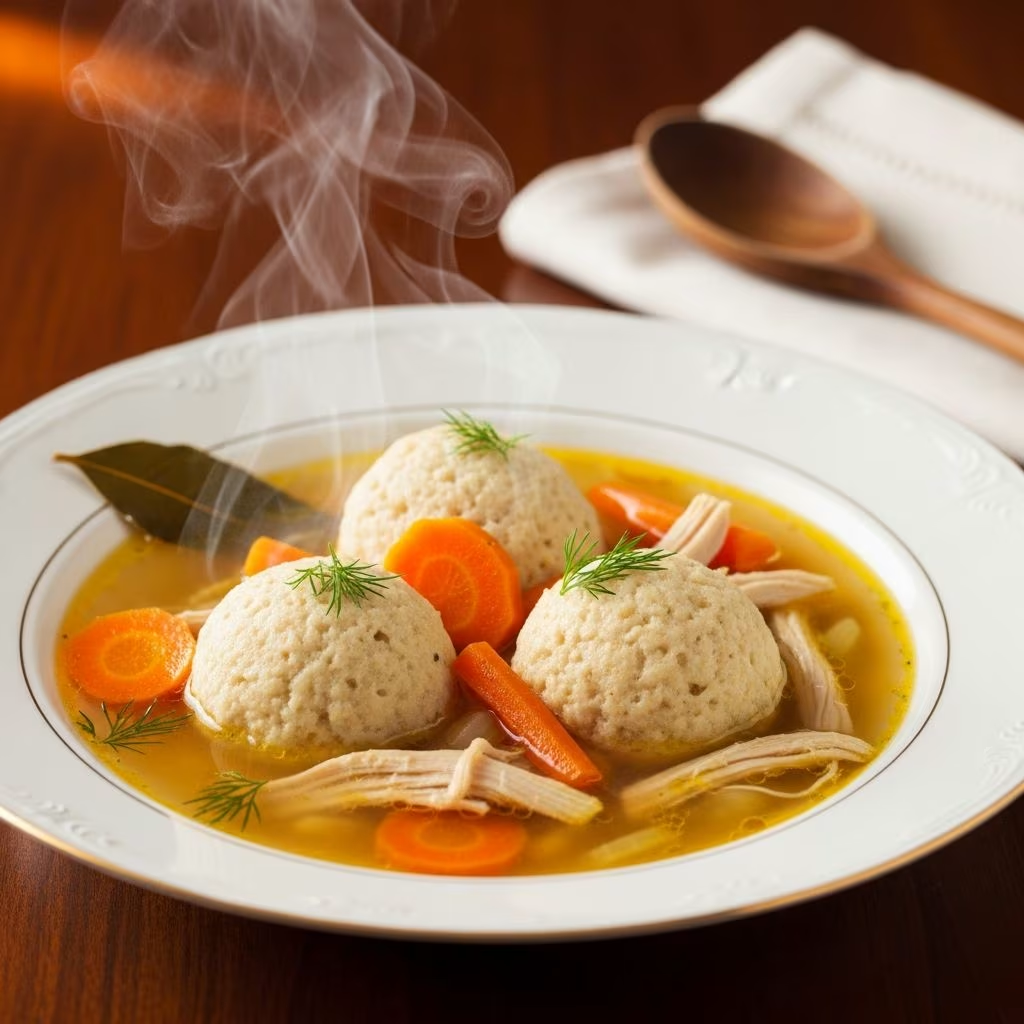
Matzo ball soup represents one of the most cherished dishes in Jewish culinary tradition, often referred to as “Jewish penicillin” for its comforting and nourishing properties. This beloved dish combines simple ingredients with time-honored techniques to create a meal that has been passed down through generations of families. Whether you’re preparing this dish for Passover celebrations or simply craving a warm, satisfying soup, understanding the fundamentals of matzo ball preparation will help you achieve professional-quality results in your own kitchen.
Understanding the Core Components of This Classic Dish
Matzo ball soup consists of two primary elements: the light, pillowy dumplings that give the dish its character, and the flavorful broth that brings everything together. Each component requires careful attention to detail and proper technique to achieve the desired outcome. The matzo balls themselves are made from a simple mixture of pantry staples, yet their preparation demands precision and patience.
Essential Ingredients and Their Roles
Creating authentic matzo ball soup requires understanding what each ingredient contributes to the final dish. The foundation begins with matzo meal, which serves as the binding agent that gives structure to the dumplings.
- Matzo Meal: This ground matzo product forms the base of the dumplings and determines their texture. Quality matters significantly, as finer matzo meal typically produces more tender balls.
- Eggs: These provide binding power and richness to the mixture. The number of eggs impacts both the texture and how well the dumplings hold together during cooking.
- Fat Component: Whether using oil, butter, or schmaltz (rendered chicken fat), this ingredient contributes moisture and flavor. Schmaltz is traditionally preferred for its distinctive richness.
- Aromatics: Minced onions and fresh parsley add depth and complexity to the dumplings, elevating them beyond simple starches.
- Seasonings: Salt and pepper provide essential flavor balance throughout the mixture.
- Broth: Whether vegetable or chicken-based, quality broth serves as the cooking medium and flavor foundation. Homemade broth produces superior results compared to commercial alternatives.
Step-by-Step Preparation Process
Creating the Dough Foundation
The first stage of preparation involves combining your dry ingredients with the wet components. Begin by breaking matzo crackers into small pieces and soaking them in water until they reach a soft consistency. This step, which typically takes only a few minutes, ensures that the matzo properly absorbs moisture and integrates well with the other ingredients.
After soaking, drain any excess water from the matzo pieces. The goal is achieving a damp consistency rather than a soggy mixture. Heat your chosen fat in a skillet and add the drained matzo, stirring continuously until the pieces begin to brown slightly and dry out. This toasting step develops flavor and helps create a better texture in the final product.
Combining and Testing
Once your toasted matzo has cooled slightly, remove it from heat and incorporate your beaten eggs, minced onions, fresh parsley, and appropriate seasonings. Stir these components together thoroughly, ensuring even distribution. Gradually add matzo meal to the mixture, stirring gently until the ingredients just hold together. It’s crucial not to add too much matzo meal at this stage, as excess meal will result in dense, heavy dumplings.
Before proceeding with rolling all your dumplings, perform a critical test. Form one dumpling approximately two inches in diameter and place it in boiling salted water. This test ball should rise to the surface and remain intact. If it breaks apart or sinks, your mixture needs more binding power. Add another beaten egg and retest. This simple procedure prevents the disappointment of discovering texture problems after rolling all your dumplings.
Rolling and Cooking the Dumplings
Once you’ve achieved the correct consistency, carefully roll the remaining mixture into two-inch balls. Use a light touch during this process—overworking the dough compresses the mixture and creates dense dumplings instead of the desired light, airy texture. Place the formed balls on a plate or baking sheet. They can be cooked immediately or refrigerated for up to one day before cooking.
Bring your broth to a gentle simmer in a large pot. Carefully add the matzo balls, working in batches if necessary to avoid overcrowding, which can interfere with even cooking. Allow them to simmer for approximately 20 to 30 minutes. They’re finished cooking when they rise to the surface and are cooked through completely.
Ingredient Quality and Selection Guidelines
Choosing the Right Fat
The fat component significantly impacts the flavor profile of your matzo balls. Schmaltz, or rendered chicken fat, is the traditional choice and produces the most authentic results. This ingredient imparts a distinctive richness that vegetable oil or butter cannot replicate. You can find frozen schmaltz in the kosher section of most grocery stores, or request it from your local butcher. If you prepare homemade chicken broth, save the rendered fat that accumulates on the surface for use in your matzo balls.
Broth Selection and Preparation
The quality of your broth directly influences the final dish. Homemade chicken or vegetable broth produces noticeably superior results compared to canned varieties. If making broth from scratch, plan ahead, as this requires several hours of simmering. For those with limited time, look for high-quality commercial broths with minimal additives and sodium.
Common Challenges and Solutions
| Issue | Cause | Solution |
|---|---|---|
| Dense, Heavy Dumplings | Too much matzo meal or overworking the mixture | Use less matzo meal and handle gently. Test your consistency before rolling all dumplings |
| Dumplings Break Apart During Cooking | Insufficient binding or dumplings too loosely formed | Add more beaten egg to mixture and roll dumplings more firmly |
| Dumplings Don’t Rise to Surface | Mixture too dense or broth temperature too low | Ensure broth maintains a gentle simmer and check mixture consistency with test dumpling |
| Bland Flavor | Inadequate seasoning or poor quality broth | Taste broth before adding dumplings and adjust seasonings. Consider using homemade broth |
Variations and Adaptations
While traditional recipes follow a standard formula, several variations exist based on family preferences and regional traditions. Some recipes incorporate additional herbs such as dill or chives into the dumpling mixture. Others add finely minced vegetables like carrots or celery for extra nutrition and flavor complexity.
For those following dietary restrictions, the recipe adapts well to different requirements. Vegetable broth creates a vegetarian-friendly version while maintaining excellent flavor. Gluten-free matzo meal serves those with celiac disease or gluten sensitivity, though the texture may differ slightly from traditional versions.
Nutritional Considerations
Matzo ball soup offers several nutritional benefits. The broth provides hydration and minerals, particularly if made from bone-based stock. Eggs contribute protein and choline, supporting various bodily functions. The dish’s warm, comforting nature makes it particularly appealing during colder months or when recovering from illness, though it works well year-round as a satisfying meal component.
Serving and Storage Guidelines
Serve matzo ball soup hot in individual bowls, ensuring each serving includes several dumplings and generous portions of flavorful broth. The soup pairs well with simple accompaniments such as fresh bread or a light salad. Leftovers store well in the refrigerator for up to three days in an airtight container. The soup also freezes successfully for up to three months, making it convenient for preparing ahead or batch cooking.
Frequently Asked Questions
Can I make matzo balls in advance?
Yes, you can refrigerate formed matzo balls for up to one day before cooking. This makes the recipe convenient for entertaining or meal preparation. Simply keep them covered on a baking sheet or plate until ready to cook.
What’s the difference between fluffy and dense matzo balls?
Fluffy matzo balls result from using more fat, fewer matzo meals, and gentle handling. Dense versions come from more matzo meal and heavier working of the dough. The test dumpling method helps you achieve your preferred texture.
Can I substitute the fat component?
While you can use vegetable oil or butter, schmaltz produces the most authentic flavor. If schmaltz isn’t available, rendered goose fat or high-quality butter provides acceptable alternatives with their own distinctive characteristics.
How do I know when matzo balls are fully cooked?
Properly cooked matzo balls rise to the surface of the broth and feel firm when tested with a fork. They should cook through in 20 to 30 minutes depending on size. The interior should be light and fluffy rather than dense.
Is homemade broth necessary?
While homemade broth produces superior results, quality commercial broths work well if time is limited. Look for options with fewer additives and lower sodium content for best results.
Historical and Cultural Significance
Matzo ball soup holds deep cultural and historical importance in Jewish cuisine and family traditions. The dish appears prominently in Passover celebrations and holiday gatherings, representing continuity and family connection across generations. Many families consider their particular version of this recipe a treasured heirloom, passed down with pride and often associated with beloved family members who perfected their technique over decades of practice.
Tips for Perfect Results Every Time
- Always perform a test dumpling before rolling the complete batch to verify consistency
- Use high-quality ingredients, particularly the fat component and broth
- Handle the mixture gently to maintain the light texture of finished dumplings
- Maintain a gentle simmer rather than a rolling boil when cooking dumplings
- Don’t overcrowd the pot, which interferes with even cooking
- Consider making broth from scratch for superior flavor and control over ingredients
- Allow the dough mixture to rest if time permits, which can improve texture
Mastering matzo ball soup takes practice, but the combination of simple ingredients and straightforward techniques makes it an achievable goal for home cooks of any skill level. With attention to detail and proper technique, you can create this classic dish that will satisfy your family and honor culinary traditions.
References
- Love and Olive Oil — Grandma’s Matzo Ball Soup — Love and Olive Oil. 2017. https://www.loveandoliveoil.com/2017/02/grandmas-matzo-ball-soup.html
- PantryLink Recipes — Oma’s Fabulous Matzo Ball Soup — PantryLink. https://pantrylink.app/recipes/omas-fabulous-matzo-ball-soup