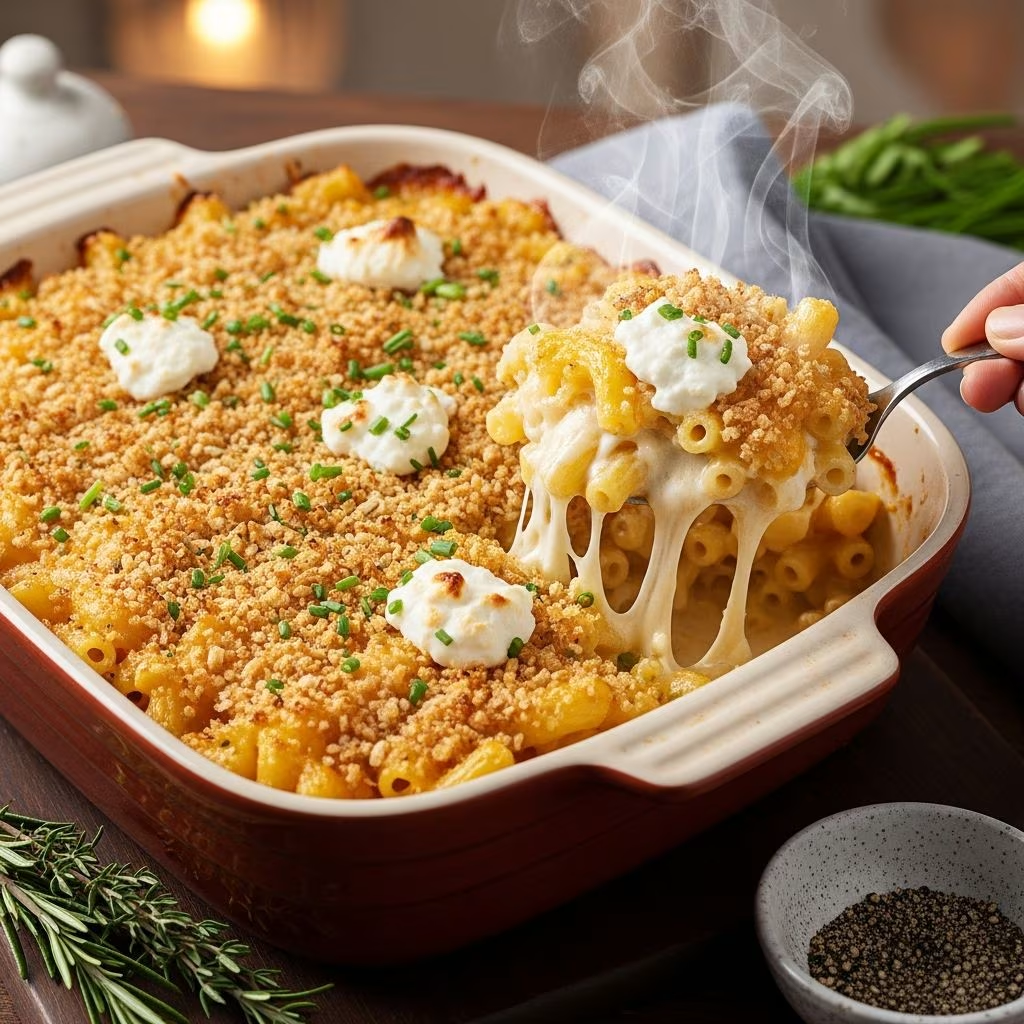
Comfort food reaches new heights when you combine traditional macaroni with the richness of cottage cheese and the tanginess of sour cream. This baked casserole dish transforms simple ingredients into a satisfying dinner that appeals to both children and adults. The combination of dairy products creates a creamy texture that clings to each piece of pasta, delivering flavor in every bite.
Why Cottage Cheese and Sour Cream Elevate Your Mac and Cheese
Traditional mac and cheese relies heavily on a roux-based cheese sauce or pure melted cheese for its creamy texture. When you incorporate cottage cheese and sour cream, you introduce additional moisture and richness without requiring extensive sauce preparation. Cottage cheese provides a smooth base while adding protein to the dish, making it more substantial. The sour cream contributes a subtle tang that balances the sharpness of cheddar cheese, creating a more complex flavor profile than straightforward cheese sauces.
These dairy components also offer practical advantages. They reduce the risk of the casserole becoming dry during baking, which can happen with traditional recipes. The moisture from these ingredients helps maintain a creamy consistency even after the dish sits for a few minutes before serving.
Essential Ingredients for Success
Building this dish requires quality components that work together harmoniously. Here are the key ingredients you’ll need:
- Pasta: Use 12 ounces of elbow macaroni or a similar bite-sized pasta shape. The small size allows the cheese sauce to coat each piece effectively.
- Cheddar Cheese: Select 8 ounces of sharp cheddar, preferably freshly shredded rather than pre-shredded varieties, which contain anti-caking agents that affect melting.
- Cottage Cheese: Low-fat small-curd cottage cheese works best, totaling 16 ounces. The small curds blend more smoothly into the final dish.
- Sour Cream: Use 8 ounces of reduced-fat sour cream or plain yogurt for a lighter version without sacrificing creaminess.
- Milk: Half a cup of 2% milk helps achieve the desired consistency and prevents the casserole from becoming too thick.
- Parmesan Cheese: A quarter cup of grated parmesan adds depth and a subtle nuttiness.
- Seasonings: Salt and black pepper are essential for enhancing all the flavors present.
Step-by-Step Preparation Method
Preparing the Pasta
Begin by preheating your oven to 375 degrees Fahrenheit. This temperature ensures even cooking without burning the edges of your casserole. While the oven heats, cook your pasta according to the package directions. Most elbow macaroni requires about 8-10 minutes of boiling. Drain the cooked pasta thoroughly but do not rinse it, as the starch helps the sauce adhere better to each piece.
Creating the Cheese Base
In a large mixing bowl, combine all remaining ingredients except the pasta. Start by adding the cottage cheese, sour cream, shredded cheddar cheese, and parmesan. Pour in the milk and add your salt and pepper. Mix these components thoroughly until they form a uniform, creamy mixture. This step is crucial because it ensures the seasoning distributes evenly throughout the casserole.
Assembling and Baking
Spray a 1.5-quart casserole dish with cooking spray to prevent sticking. Add the drained pasta to the cheese mixture and stir gently but thoroughly, coating every piece with the creamy sauce. Transfer the combined mixture into your prepared dish and spread it evenly.
Bake uncovered for 30 minutes. The casserole is ready when it reaches a bubbly state and appears hot throughout. Some browning on top edges is normal and adds visual appeal. Remove the dish from the oven and stir the contents before serving to redistribute the cheese sauce evenly.
Timing and Temperature Guidelines
| Task | Time Required | Temperature |
|---|---|---|
| Preparation and assembly | 15 minutes | Room temperature |
| Baking time | 30 minutes | 375°F |
| Total active time | 45 minutes | — |
Serving and Storage Recommendations
Serve this casserole immediately while it maintains its optimal creamy texture and warmth. The dish pairs well with simple green salads, steamed vegetables, or crusty bread for soaking up any extra sauce. A serving size of one to one-and-a-half cups provides a satisfying portion as a main course or a generous side dish.
Leftover mac and cheese stores well in the refrigerator for up to four days when kept in an airtight container. Reheat gently in the microwave, adding a splash of milk to restore the creamy consistency. Some home cooks prefer reheating in a conventional oven at 325 degrees for more even warmth without drying out the edges.
Popular Variations and Customizations
Textured Toppings
Many cooks enhance the final dish by adding textured elements. Bread crumbs tossed with melted butter create a crispy top layer that provides textural contrast. Alternatively, crushed crackers mixed with a small amount of cheddar cheese deliver a more substantial crunch. Apply these toppings during the last 10 minutes of baking to prevent excessive browning.
Flavor Enhancements
Red pepper flakes sprinkled over individual servings introduce subtle heat that complements the richness of the cheese. Garlic powder and onion powder mixed into the cottage cheese mixture before baking add savory depth. Some regional variations include a beaten egg stirred into the cheese mixture, which creates additional binding and richness.
Cheese Combinations
While sharp cheddar remains the standard choice, you can experiment with combinations. Mixing sharp and mild cheddar provides balanced flavor without overwhelming intensity. Gruyère cheese adds nuttiness, while extra sharp varieties deliver bolder taste for those who prefer pronounced cheese flavors.
Frequently Asked Questions
Can I use full-fat cottage cheese instead of low-fat?
Yes, full-fat cottage cheese works equally well and may produce an even creamier result. The recipe adapts to different fat levels, though full-fat versions contain slightly more calories and richness per serving.
What type of pasta works best?
Elbow macaroni is traditional, but any bite-sized pasta shape succeeds in this dish. Ditalini, small shells, or penne all work well. Avoid long noodles like spaghetti, which don’t coat evenly with the cheese sauce.
Should I shred my own cheese?
Freshly shredded cheese melts more smoothly than pre-shredded varieties, which contain anti-caking additives that can make the sauce slightly grainy. However, pre-shredded cheese is acceptable if that’s what you have available.
Can I prepare this dish in advance?
Yes, you can assemble the casserole up to 24 hours ahead. Cover it tightly with plastic wrap or foil and refrigerate. Add approximately 5-10 minutes to the baking time if cooking from a cold state.
How do I prevent a dry casserole?
The combination of cottage cheese and sour cream naturally provides sufficient moisture. If your casserole appears dry during baking, add a few tablespoons of milk and stir gently. This adjustment ensures the creamy texture persists throughout cooking.
Can I freeze this recipe?
Yes, the cooked casserole freezes well for up to three months. Cool it completely, then wrap it tightly in plastic wrap followed by foil. Thaw in the refrigerator overnight before reheating. Alternatively, freeze the uncooked casserole for baking later, extending the baking time by 15-20 minutes.
Why This Recipe Delivers Consistent Results
The method succeeds because it eliminates steps that often cause complications in traditional mac and cheese recipes. There’s no roux to burn or lump, no need to temper cheese to precise temperatures, and no complex layering technique required. The cottage cheese provides natural creaminess while the sour cream adds moisture and subtle tang. The result is a casserole that comes together quickly and reliably produces satisfying, creamy results.
The 375-degree oven temperature represents an ideal balance. It’s hot enough to thoroughly warm all components and create light browning on top, yet not so intense that the edges burn before the center finishes cooking. The 30-minute baking window provides sufficient time for the casserole to reach the proper heat level without requiring careful monitoring.
Nutritional Considerations
This recipe includes protein from both the cheese and cottage cheese components, making it more substantial than simple pasta dishes. The dairy provides calcium and other essential minerals. Using reduced-fat sour cream and low-fat cottage cheese creates a lighter version while maintaining creamy texture. Each serving delivers approximately 8-12 grams of protein, making this a relatively protein-dense comfort food choice.
The use of sharp cheddar means you need less cheese to achieve robust flavor, potentially reducing overall fat content compared to recipes requiring larger quantities of milder cheese varieties.
Making This Dish Part of Your Routine
The simplicity of this recipe makes it ideal for regular family meals. Because the ingredient list remains short and the preparation straightforward, you can pull together this casserole with pantry staples on busy evenings. The dish satisfies comfort food cravings while providing more nutritional balance than many alternative options.
Whether you’re preparing dinner for a weeknight family meal or bringing a dish to a potluck gathering, this creamy baked mac and cheese consistently delivers results that please diverse palates. The combination of cottage cheese and sour cream distinguishes this version from standard recipes, making it worthy of regular rotation in your meal planning.
References
- Nutrition and Food Sciences — United States Department of Agriculture (USDA). Accessed April 2026. https://fdc.nal.usda.gov/
- Cheese Selection and Melting Properties — Wisconsin Cheese. 2024. https://wisconsincheese.com/
- Food Safety and Storage Guidelines — United States Food and Drug Administration (FDA). 2024. https://www.fda.gov/food
- Baking Temperatures and Food Safety — National Center for Home Food Preservation. 2024. https://nchfp.uga.edu/
- Dairy Product Selection for Cooking — International Dairy Foods Association. 2024. https://www.idfa.org/