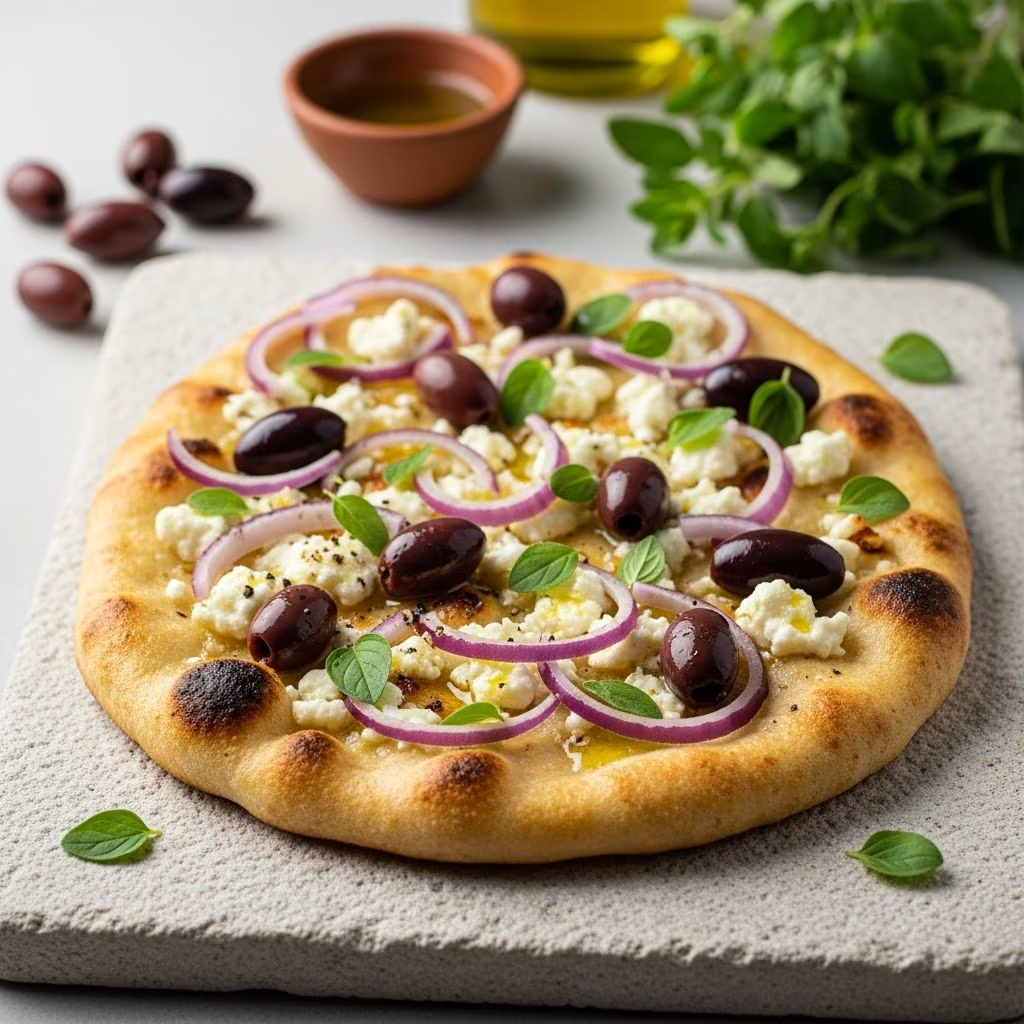
Plakopsy flatbread stands as a testament to the enduring simplicity of Mediterranean baking traditions. This unpretentious bread, with its golden crust and tender interior, has graced tables from ancient times to today. Far from the complexity of modern loaves, Plakopsy relies on just a handful of ingredients and minimal effort, yet delivers profound flavor. Whether you’re a baking novice or a seasoned home cook, this guide unlocks the secrets to creating your own batch of this rustic treasure.
The Timeless Origins of Plakopsy
Rooted in the sun-drenched lands of ancient Greece, Plakopsy—meaning ‘baked flat’—emerged as a staple for shepherds, farmers, and everyday folk. Historical records from classical antiquity describe similar flatbreads cooked on hot stones or in simple clay ovens. Unlike leavened breads that required hours of rising, Plakopsy offered quick nourishment, making it ideal for nomadic lifestyles or hasty meals.
Archaeological findings, such as those from Minoan Crete, reveal early versions baked with barley flour and olive oil, staples of the Greek diet. Over centuries, it evolved but retained its core identity: thin, crisp-edged rounds that paired perfectly with olives, cheeses, and fresh herbs. Today, it echoes those origins while adapting to contemporary kitchens, bridging past and present with every bite.
Essential Ingredients for Authentic Flavor
Plakopsy’s beauty lies in its brevity. You’ll need:
- Flour: All-purpose or a mix of bread flour for chewiness (about 2 cups).
- Warm Water: Activates the yeast gently (3/4 cup).
- Yeast: Instant or active dry (1 teaspoon) for subtle lift.
- Olive Oil: Extra-virgin for richness and crispiness (2 tablespoons, plus extra for brushing).
- Salt: Sea salt to enhance flavors (1 teaspoon).
- Optional Add-Ins: Herbs like oregano or nigella seeds for a regional twist.
These pantry basics ensure accessibility. Opt for high-quality olive oil, as its fruity notes shine through the crust. For a gluten-free version, experiment with almond or chickpea flour blends, though texture may vary.
Step-by-Step Guide to Baking Plakopsy
Preparation takes under 30 minutes, with a short rise and quick bake. Preheat your oven to 450°F with a baking stone or inverted sheet for that authentic stone-oven char.
- Mix the Dough: In a large bowl, combine flour, yeast, and salt. Stir in warm water and olive oil until a shaggy dough forms. Knead on a floured surface for 5 minutes until smooth.
- First Rise: Cover and let rest in a warm spot for 20-30 minutes. The dough will puff slightly, developing air pockets for texture.
- Shape the Rounds: Divide into 4-6 balls. Roll each into 8-inch circles, about 1/4-inch thick. Brush lightly with oil and sprinkle with salt or seeds.
- Bake to Perfection: Transfer to hot stone. Bake 8-12 minutes until puffed and golden. Cool briefly on a rack.
Pro Tip: For extra crispiness, finish under the broiler for 1 minute. Watch closely to avoid burning.
Mastering Texture and Troubleshooting Common Issues
Achieving the ideal balance of crunch and chew defines great Plakopsy. High heat creates steam inside, yielding a pocket-like interior perfect for stuffing. If dough sticks, dust with semolina. Dense bread? Ensure water is not too hot—aim for 100-110°F to protect yeast.
| Issue | Cause | Solution |
|---|---|---|
| Dough too sticky | Excess water | Add flour 1 tbsp at a time |
| Flat, unleavened texture | Dead yeast or cold rise | Test yeast in water; use warm spot |
| Pale crust | Low oven temp | Preheat fully; use convection |
| Tough bread | Over-kneading | Knead gently, just until smooth |
With practice, you’ll nail the puffy, blistered look every time.
Creative Ways to Serve and Enjoy Plakopsy
Versatility is Plakopsy’s superpower. Serve warm as a side to grilled meats, or layer with tzatziki, feta, and tomatoes for gyros. Dip into hummus or baba ganoush for meze platters. Sweet versions with honey and walnuts make delightful breakfast treats.
- Savory: Top with spinach, onion, and cheese for spanakopita-inspired pies.
- Street Food Style: Stuff with souvlaki skewers and yogurt sauce.
- Brunch Twist: Avocado, eggs, and dukkah for a modern fusion.
- Picnic Essential: Roll-ups with cured meats and greens.
Store extras in airtight bags for 2 days or freeze for a month. Reheat in a skillet for revived crispness.
Health Benefits and Nutritional Profile
Plakopsy aligns with the Mediterranean diet’s heart-healthy ethos. Whole grain versions boost fiber, aiding digestion. Olive oil provides monounsaturated fats that support cardiovascular health, per USDA guidelines. One serving (1 flatbread) offers roughly 200 calories, 5g protein, and minimal sugar.
Customize for dietary needs: Use spelt flour for ancient authenticity or reduce oil for lighter fare. Pairing with veggies and lean proteins keeps meals balanced.
Variations from Around the Mediterranean
While Greek at heart, Plakopsy has cousins worldwide. Turkish pide adds meat toppings; Lebanese manakish sprinkles za’atar. In Italy, piadina offers a folded sandwich vibe. Experiment by infusing dough with garlic or rolling ultra-thin for cracker-like crisps.
For a vegan upgrade, swap honey toppings for date syrup. Seasonal herbs like rosemary elevate summer bakes.
Advanced Techniques for Baking Enthusiasts
Elevate your game with a sourdough starter instead of commercial yeast for tangy depth—ferment overnight. Wood-fired ovens mimic ancient methods; simulate at home with a pizza stone and high smoke point oil. Score dough before baking for decorative bubbles.
Batch baking? Double the recipe and freeze shaped discs, baking from frozen with 2 extra minutes.
Pairing Suggestions: Wine and Beyond
Complement Plakopsy’s earthiness with Assyrtiko white wine from Santorini—its minerality cuts richness. Reds like Xinomavro pair with meaty toppings. Non-alcoholic? Sparkling water with lemon evokes Greek tavernas.
FAQs
What makes Plakopsy different from pita?
Plakopsy is yeast-leavened for puffiness, while pita relies on steam pockets. Both are flat but Plakopsy has a chewier bite.
Can I make it without an oven?
Yes! Cook on a hot cast-iron skillet over medium-high heat, 3-4 minutes per side.
How long does homemade Plakopsy last?
Fresh: 2 days at room temp. Refrigerated: 5 days. Freeze up to 1 month.
Is it suitable for beginners?
Absolutely—no proofing or kneading marathons required.
Gluten-free options?
Try a 1:1 gluten-free blend with xanthan gum; add extra oil for binding.
Why Plakopsy Deserves a Spot in Your Repertoire
In a world of artisanal sourdoughs and no-knead wonders, Plakopsy reminds us that great bread needn’t be fussy. Its quick prep, bold flavors, and endless adaptability make it a weeknight hero or party showstopper. Embrace this slice of history—bake a batch and taste the Mediterranean.
References
- Barley in Ancient Mediterranean Diets — Archaeological Institute of America. 2023-05-15. https://www.archaeological.org/publication/barley-mediterranean
- Mediterranean Diet and Olive Oil Benefits — USDA Agricultural Research Service. 2024-02-10. https://www.ars.usda.gov/research/publications/med-diet-olive
- Ancient Greek Baking Techniques — British Museum. 2022-11-20. https://www.britishmuseum.org/collection/greek-baking
- Yeast Fermentation Standards — American Society for Microbiology. 2025-01-08. https://asm.org/yeast-standards