Garlic mashed potatoes represent one of the most versatile and universally appreciated side dishes in modern cuisine. This humble preparation elevates simple starch into a rich, aromatic accompaniment that pairs beautifully with virtually any protein-based main course. Whether you’re preparing a weeknight family dinner or hosting a formal holiday gathering, mastering this classic dish provides confidence and reliability in the kitchen.
Understanding the Foundation: Selecting Quality Ingredients
The success of any garlic mashed potato recipe begins with thoughtful ingredient selection. Each component contributes meaningfully to the final texture, flavor profile, and overall eating experience.
Choosing the Right Potato Variety
Not all potatoes perform equally when transformed into mashed form. Yukon Gold potatoes have emerged as the preferred choice among culinary professionals and home cooks alike. These varieties contain moderate starch content combined with natural buttery flavor, creating an inherently creamy consistency without requiring excessive dairy additions. Their golden hue also contributes visual appeal to the finished dish.
Russet potatoes present an alternative option, particularly for those preferring a fluffier, lighter texture. Red potatoes, with their waxy composition, work well for cooks who enjoy maintaining some structural integrity and slight firmness within the mashed form. The decision ultimately depends on personal texture preferences and the specific application within your menu.
Garlic Preparation: Fresh Versus Roasted
The garlic component deserves particular attention, as it fundamentally determines the flavor intensity and character of your finished dish. Two primary methods exist for incorporating garlic:
- Fresh garlic cooked with potatoes: Adding peeled garlic cloves directly to the boiling water alongside potatoes creates a milder, more integrated garlic presence. This approach requires less advance planning and fewer steps.
- Roasted garlic for deeper flavor: Roasting whole garlic heads at 400°F for approximately 40-45 minutes produces soft, caramelized cloves with complex, sweet undertones. This method requires advance preparation but delivers significantly more sophisticated flavor dimensions.
Dairy Components and Their Roles
The creamy texture associated with exceptional mashed potatoes depends critically on dairy selection and preparation. Whole milk provides a lighter base, while heavy cream or half-and-half creates richer, more luxurious results. Butter contributes essential flavor and mouthfeel, while sour cream adds pleasant tanginess that balances richness and enhances overall complexity.
Fundamental Preparation Techniques
Cooking Potatoes to Optimal Tenderness
Proper potato cooking establishes the texture foundation for your entire dish. Begin by peeling and cutting potatoes into uniform pieces approximately 1.5 inches in size. Consistent sizing ensures even cooking throughout the batch, preventing situations where some pieces remain firm while others become mushy and waterlogged.
Place cut potatoes in a large pot and cover completely with cold water, adding salt to the cooking medium. Bringing water to a boil over high heat, then reducing to medium-low for simmering, typically requires 15-20 minutes until potatoes achieve fork-tender consistency. The critical distinction involves recognizing when potatoes have softened sufficiently without disintegrating. Properly cooked potatoes should collapse easily when pressed but retain structural integrity.
Creating the Infused Cream Mixture
While potatoes cook, prepare your dairy base by warming milk, butter, and garlic together in a separate saucepan over medium heat. This step accomplishes multiple objectives simultaneously: it warms all components to match the hot potatoes (preventing temperature shock that affects texture), it begins cooking fresh garlic gently into the cream, and it creates an aromatics-infused medium that distributes flavor evenly throughout.
The Mashing Process
Draining cooked potatoes thoroughly removes excess moisture that could create gluey, dense results. Some experienced cooks return drained potatoes to the pot briefly over low heat, stirring to evaporate additional surface moisture. This extra step produces noticeably lighter, fluffier final texture.
Pour the warm cream mixture over drained potatoes and begin mashing using a traditional potato masher or wooden spoon. Achieving smooth consistency without over-working the potatoes requires gentle, deliberate pressure rather than aggressive grinding. Over-mashing ruptures starch cells, releasing excessive starches that create undesirable paste-like texture.
Flavor Enhancement and Customization
Seasoning Strategy
Salt deserves prominent attention during the mashing stage. Garlic mashed potatoes can taste disappointingly bland without adequate salt, as sodium enhances flavor perception and allows other ingredients to shine more vibrantly. Begin with conservative amounts and adjust gradually, tasting as you go. Ground black pepper introduces subtle spice without overwhelming delicate flavors.
Elevating Your Base Recipe
Once you master the fundamental technique, numerous creative variations expand your repertoire:
- Sharp cheddar cheese stirred into the warm potato base creates savory depth
- Fresh herbs including chives, parsley, dill, or rosemary add brightness and complexity
- Crispy bacon pieces provide textural contrast and smoky undertones
- Sautéed leeks or caramelized onions introduce sweetness and umami richness
- Roasted garlic mashed with fresh garlic powder creates multilayered garlic flavor
Serving Suggestions and Presentation
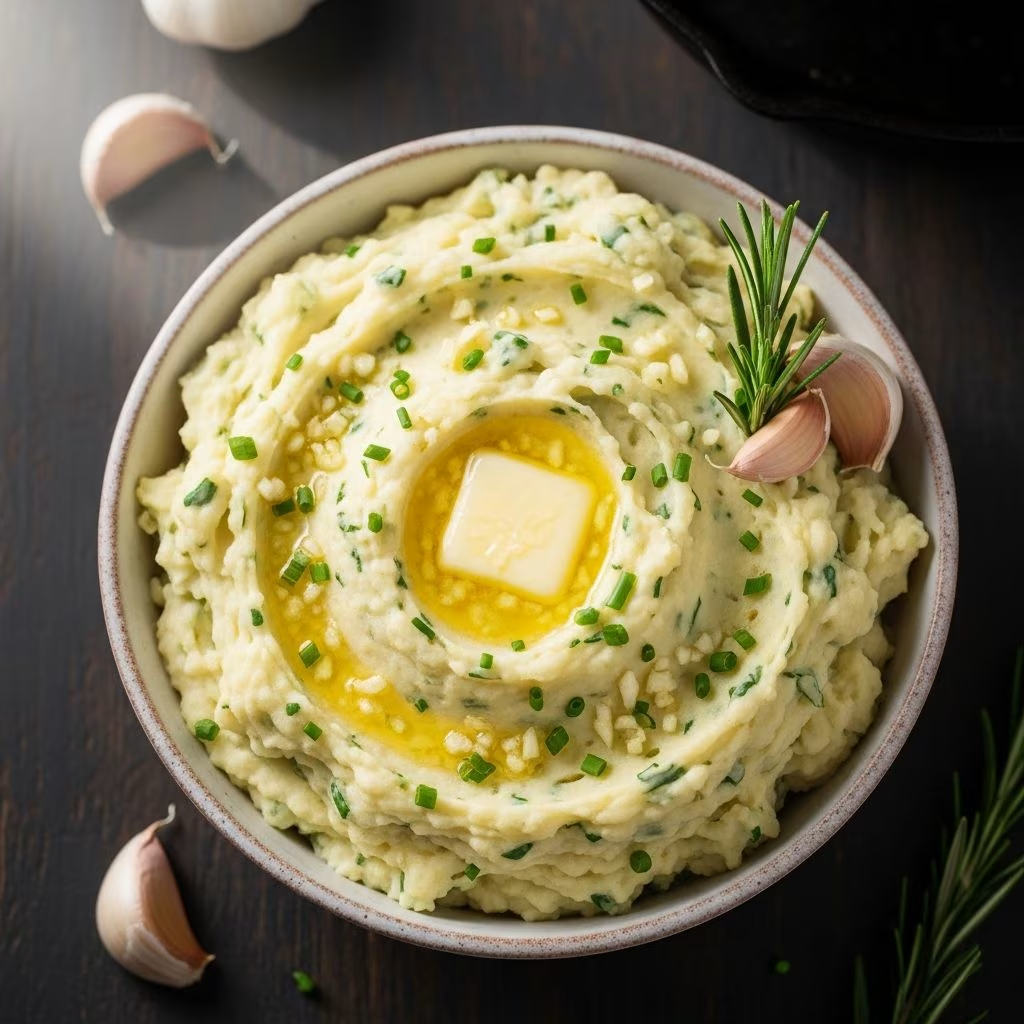
The versatility of garlic mashed potatoes extends to plating and presentation strategies. A traditional approach involves mounding the potatoes on serving plates with a small well in the center, topped with melted butter and fresh chives. More elaborate presentations incorporate crispy bacon bits, sautéed mushrooms, or caramelized onions arranged artfully across the surface.
For family-style service, transfer mashed potatoes to an attractive serving bowl, creating slight texture variations across the surface with the back of a spoon. This rustic presentation suggests homemade care and appealing informality that enhances the dining experience.
Common Challenges and Solutions
| Challenge | Cause | Solution |
|---|---|---|
| Lumpy texture | Insufficient mashing or cold dairy added to hot potatoes | Use warm cream and milk; mash more thoroughly but avoid over-working |
| Gluey consistency | Over-mashing ruptures starch cells | Use lighter touch; consider using ricer for smoother results without over-working |
| Bland flavor | Inadequate seasoning | Season generously during cooking and mashing stages; taste frequently |
| Watery potatoes | Insufficient drainage or excess moisture in potatoes | Drain thoroughly; briefly warm cooked potatoes over low heat to evaporate surface moisture |
| Grainy texture | Excess starch from old potatoes or overcooking | Use fresh potatoes; cook only until fork-tender, not mushy |
Make-Ahead and Storage Considerations
Garlic mashed potatoes can be prepared several hours in advance, making them ideal for entertaining situations. Store covered in the refrigerator until needed, then reheat gently over low heat, adding small amounts of warm milk or cream to restore creamy consistency if needed. Alternatively, transfer cold mashed potatoes to a baking dish, smooth the surface, and reheat at 350°F for approximately 20-25 minutes until warmed through and lightly browned on top.
For extended storage, freeze portions in freezer bags or containers for up to three months. Thaw overnight in the refrigerator before reheating, adding additional dairy as necessary to compensate for moisture loss during freezing.
Equipment and Tools
While a traditional potato masher accomplishes the basic mashing function, several alternatives provide varied texture results. A ricer produces exceptionally smooth, lump-free consistency by forcing potatoes through small perforations. A food mill creates similar results with slightly less effort. A hand mixer provides quick, consistent results but risks over-working the potatoes if used on high speed for extended periods. Most experienced cooks prefer the controlled precision of a manual masher or ricer, allowing direct tactile feedback during preparation.
Nutritional Considerations
Garlic mashed potatoes provide substantial carbohydrates from potatoes, fat from butter and cream, and various micronutrients including vitamin C, potassium, and manganese. Garlic contributes minimal calories while providing potential health-promoting compounds studied for cardiovascular and immune support. The dairy components deliver calcium and protein. Portion sizes at typical dinner service represent reasonable nutritional contributions without excessive caloric density, particularly when prepared with moderate dairy additions.
Frequently Asked Questions
Can I prepare garlic mashed potatoes without dairy?
Yes, though results differ significantly. Substitute dairy with vegetable or chicken broth, olive oil, or cashew cream for creaminess. The resulting texture will be lighter and less luxurious but still satisfying and flavorful.
How do I prevent my mashed potatoes from becoming gluey?
Avoid over-mashing, which ruptures starch cells. Use warm dairy components to prevent temperature shock. Some cooks prefer using a ricer instead of a masher for consistently smooth results without risk of over-working.
What’s the best way to reheat leftover mashed potatoes?
Warm gently over low heat, stirring frequently and adding small amounts of warm milk or cream. Alternatively, transfer to a baking dish, cover with foil, and reheat at 350°F for 20-25 minutes.
Can fresh garlic and roasted garlic be combined?
Absolutely. Combining cooking methods creates multilayered garlic flavor with both bright fresh notes and deep roasted undertones, resulting in more complex, sophisticated taste profiles.
How far in advance can I prepare garlic mashed potatoes?
Prepare up to 8 hours ahead, storing covered in the refrigerator. Reheat gently before serving, adding warm dairy as needed to restore creamy consistency.
Conclusion
Mastering garlic mashed potatoes represents an achievable goal for cooks of all skill levels. By understanding ingredient selection, fundamental techniques, and flavor development strategies, anyone can consistently produce restaurant-quality results at home. Whether you prefer subtle garlic whispers or bold aromatic declarations, customization options accommodate diverse palates and preferences. This reliable, adaptable dish deserves permanent status in your regular cooking rotation, providing comfort and sophistication for any occasion.
References
- Garlic Mashed Potatoes Recipe — Preppy Kitchen. Accessed April 2026. https://preppykitchen.com/garlic-mashed-potatoes/
- Salt and Lavender Easy Garlic Mashed Potatoes — Salt & Lavender. Accessed April 2026. https://www.saltandlavender.com/easy-garlic-mashed-potatoes/