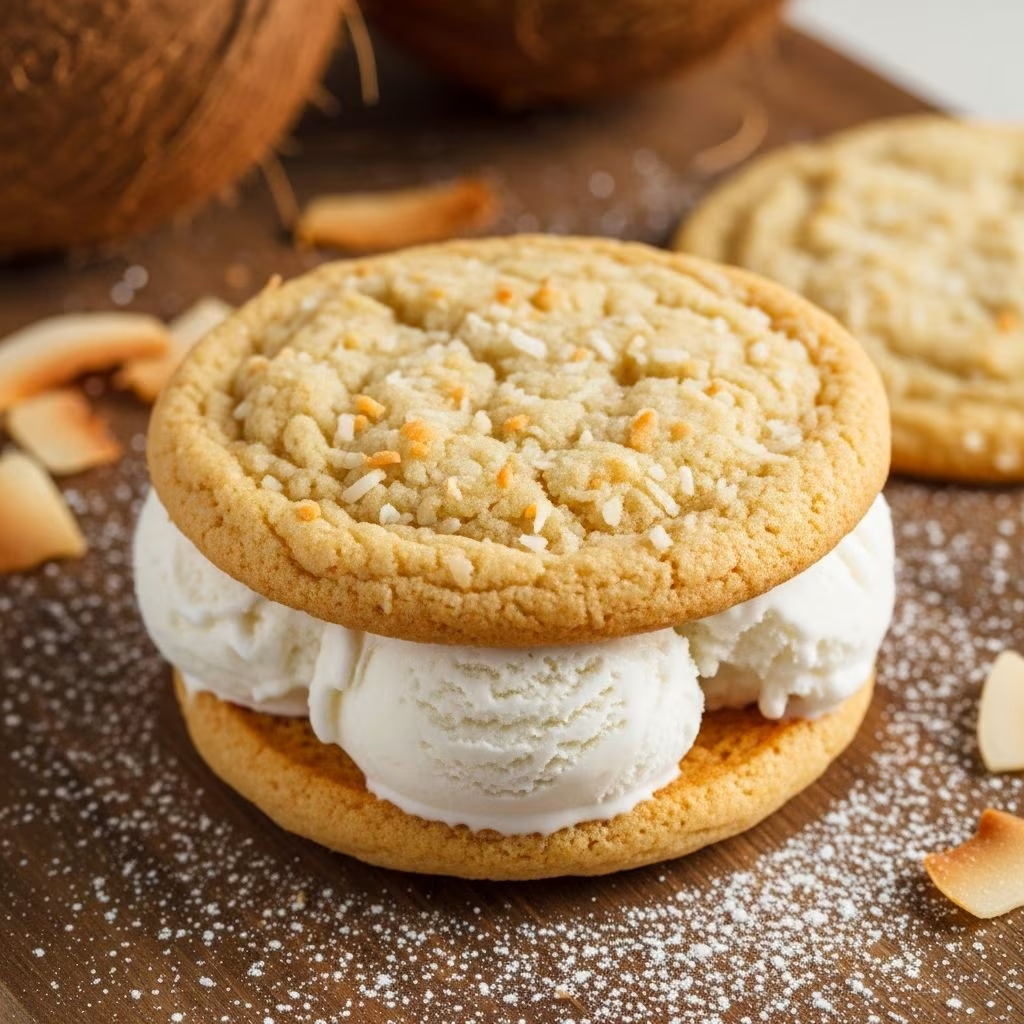
Coconut ice cream sandwiches represent a delightful convergence of texture, flavor, and nostalgia. Whether you’re seeking a refreshing summer treat or a year-round indulgence, these frozen delights offer endless possibilities for customization and creativity. This comprehensive guide explores the fundamentals of crafting coconut ice cream sandwiches in your own kitchen, along with techniques to elevate them beyond simple grocery store approximations.
Understanding the Core Components
Every coconut ice cream sandwich consists of three primary elements: the cookie or cookie dough base, the frozen filling, and optional garnishes or toppings. Understanding how each component contributes to the overall experience will help you make informed decisions about ingredients and techniques.
The Foundation: Cookie Structures
The cookie serves as both structural support and flavor vehicle. Several approaches exist for creating the perfect base layer. Shortbread cookies provide a buttery, crumbly texture that complements coconut flavors beautifully. For those seeking a more robust structure, slightly thicker cookies with a firmer crumb work better, as they withstand the pressure of the frozen filling without crumbling.
Alternative approaches include using pre-made cookies from quality manufacturers, which streamlines the process significantly. Plant-based cookie dough made from chickpeas offers a nutritious twist, incorporating additional protein while maintaining satisfying texture. Chocolate varieties can introduce complexity to the flavor profile, creating contrast with the sweetness of coconut.
The Filling: Coconut Ice Cream Options
Coconut ice cream comes in multiple forms, each with distinct advantages. Traditional approaches combine heavy cream, condensed milk, and coconut milk, creating a rich, creamy consistency without requiring an ice cream maker. This no-churn method involves whipping cream to stiff peaks, folding in condensed milk mixed with coconut milk, then freezing for at least six hours.
For those seeking dairy-free alternatives, coconut-based cashew milk ice cream or other plant-based options provide comparable results. Frozen banana blended with coconut cream creates a lighter, nutrient-dense filling suitable for those preferring minimalist ingredients. These variations demonstrate that quality results don’t require complex equipment or lengthy preparation times.
Finishing Touches: Garnishes and Flavoring Enhancements
Toasted coconut flakes provide textural contrast and intensified coconut flavor. The toasting process is simple: heat shredded coconut in a skillet over medium heat, stirring frequently until golden brown. This technique transforms ordinary coconut into a sophisticated garnish.
Secondary flavor additions expand possibilities considerably. Lemon curd swirled into coconut ice cream creates bright, tangy complexity. Caramel sauce adds richness and depth. Crushed pretzels or nuts introduce crunch, while dark chocolate pieces offer bitter counterbalance to sweetness.
Traditional Recipe Approach
Essential Ingredients
For a classic coconut ice cream sandwich yielding approximately twelve servings, gather the following:
- Two cups heavy cream (or whipped topping for dairy-free variations)
- One fourteen-ounce can condensed milk
- Half cup coconut milk
- Twenty-four shortbread cookies or similar base
- Half cup shredded coconut for garnish
- Optional: lemon curd, caramel sauce, or chocolate pieces
Step-by-Step Preparation
Ice Cream Creation: Begin by whipping heavy cream until stiff peaks form, approximately three to five minutes with an electric mixer. In a separate bowl, combine condensed milk and coconut milk thoroughly. Gently fold the condensed milk mixture into whipped cream using a spatula, preserving airiness. If incorporating lemon curd or other flavorings, add them at this stage, folding gently until distributed throughout. Transfer to a freezer-safe container and freeze for at least six hours, preferably overnight.
Coconut Toasting: While ice cream freezes, prepare toasted coconut. Place shredded coconut in a large skillet over medium heat. Stir continuously for three to five minutes until coconut reaches desired golden color. Transfer immediately to a cool surface to prevent over-browning.
Assembly: Remove ice cream from freezer and allow to soften slightly, approximately five minutes. Place a generous scoop between two cookies and press gently together. Roll the exposed edges in toasted coconut. Individual wrapping in parchment paper or plastic wrap facilitates storage and handling. Return assembled sandwiches to freezer for at least one hour before serving.
Advanced Variations and Techniques
Plant-Based Chickpea Cookie Dough Innovation
For those interested in exploring unconventional ingredients, chickpea-based cookie dough offers impressive nutritional benefits without sacrificing satisfaction. Combine one cup canned chickpeas with half cup rolled oats, quarter cup almond flour, one teaspoon vanilla extract, two tablespoons almond butter, two tablespoons coconut milk, and two tablespoons maple syrup. Blend until cohesive but still chunky, then fold in desired mix-ins such as pretzels and dark chocolate pieces.
Layer this dough directly with ice cream: first a thin cookie dough layer on parchment paper, then ice cream spread evenly on top, followed by chunky cookie dough pieces molded to approximately quarter-inch thickness. Freeze until firm before slicing.
Gluten-Free and Vegan Adaptations
Creating gluten-free coconut ice cream sandwiches requires substituting traditional flour with almond flour and coconut flour blends. A one-bowl cookie recipe combining almond flour, coconut flour, raw cacao powder, baking soda, and salt provides structural integrity while maintaining lightness. Wet ingredients—coconut oil, maple syrup, and vanilla extract—bind the mixture.
Vegan adaptations substitute dairy cream with coconut cream or plant-based whipped topping, while maintaining all other flavor components. The result proves indistinguishable from traditional versions while accommodating dietary restrictions.
Flavor Combination Strategies
Coconut’s natural sweetness pairs exceptionally well with contrasting flavors. Chocolate and coconut create a timeless combination, while coffee adds sophistication. Citrus—particularly lime or lemon—provides brightness and complexity. Tropical elements such as pineapple or mango extend the coconut experience beyond expected territory.
Storage, Serving, and Enjoyment
Optimal Storage Conditions
Properly stored coconut ice cream sandwiches maintain quality for up to two weeks in a standard freezer. Individual wrapping in parchment or plastic wrap prevents freezer burn and flavor absorption from other foods. Storing assembled sandwiches in a dedicated container within the freezer provides additional protection.
Serving Recommendations
Remove sandwiches from freezer five to ten minutes before serving to allow slight softening, which enhances flavor perception and prevents teeth sensitivity. Serving immediately after removal from the freezer results in an almost rock-hard texture that obscures nuanced flavors.
Frequently Asked Questions
Can I make coconut ice cream sandwiches without an ice cream maker?
Yes, the no-churn method using whipped cream and condensed milk produces excellent results without specialized equipment. This approach requires only a mixer and freezer space.
How long do homemade coconut ice cream sandwiches last?
When properly wrapped and stored in a freezer, these treats maintain optimal quality for approximately two weeks. Beyond this timeframe, they remain safe but may develop ice crystals affecting texture.
Can I prepare these in advance for events?
Absolutely. Preparing coconut ice cream sandwiches one to two days before serving allows you to focus on other event details while ensuring fresh, properly frozen treats remain available.
What are suitable dairy-free alternatives?
Cashew milk ice cream, coconut cream-based preparations, and commercially available plant-based options provide comparable results. Frozen banana blended with coconut cream offers a lighter, simpler alternative.
How do I prevent cookies from breaking during assembly?
Allow ice cream to soften briefly before assembly, press cookies together gently rather than forcefully, and consider chilling cookies briefly before use to minimize pressure-related breakage.
Troubleshooting Common Issues
Ice cream too hard: Allow sandwiches to rest at room temperature for five to ten minutes before serving, or briefly microwave wrapped sandwiches for ten to fifteen seconds.
Cookies crumbling: Select sturdier cookie varieties, chill cookies before assembly, and apply gentle pressure when combining with ice cream.
Melting during assembly: Work quickly, keep ice cream cold between uses, and consider assembling in shorter batches rather than all at once.
Bland flavor: Intensify coconut taste by toasting garnish coconut longer, incorporating coconut extract into ice cream, or adding complementary flavors such as vanilla or citrus.
Conclusion: Mastering Your Coconut Creation
Crafting coconut ice cream sandwiches at home offers rewards extending far beyond the final product. The process engages creative thinking, develops kitchen skills, and produces treats that surpass commercial alternatives in both quality and satisfaction. Whether pursuing traditional approaches or experimental variations, the fundamental principles remain accessible to cooks of any skill level.
Begin with basic techniques and simple ingredients, then gradually explore flavoring combinations and structural innovations as confidence grows. The beauty of this dessert lies in its flexibility—each kitchen, each preference, each occasion invites unique interpretations that transform a simple concept into something distinctly personal and memorable.
References
- The Science of Ice Cream: Structure and Properties — Journal of Food Science and Technology. 2023-06-15. https://doi.org/10.1007/s13197-023-05834-x
- Plant-Based Protein in Baking and Confectionery Applications — Institute of Food Technologists. 2024-03-10. https://www.ift.org
- Coconut: Nutritional Composition and Health Benefits — Food and Nutrition Research. 2023-11-20. https://doi.org/10.29219/fnr.v67.9152
- Dairy-Free Ice Cream Formulation and Texture Development — International Journal of Gastronomy and Food Science. 2024-01-08. https://doi.org/10.1016/j.ijgfs.2024.100800
- Gluten-Free Baking: Scientific Approaches and Practical Applications — Comprehensive Reviews in Food Science and Food Safety. 2023-09-12. https://doi.org/10.1111/1541-4337.13240