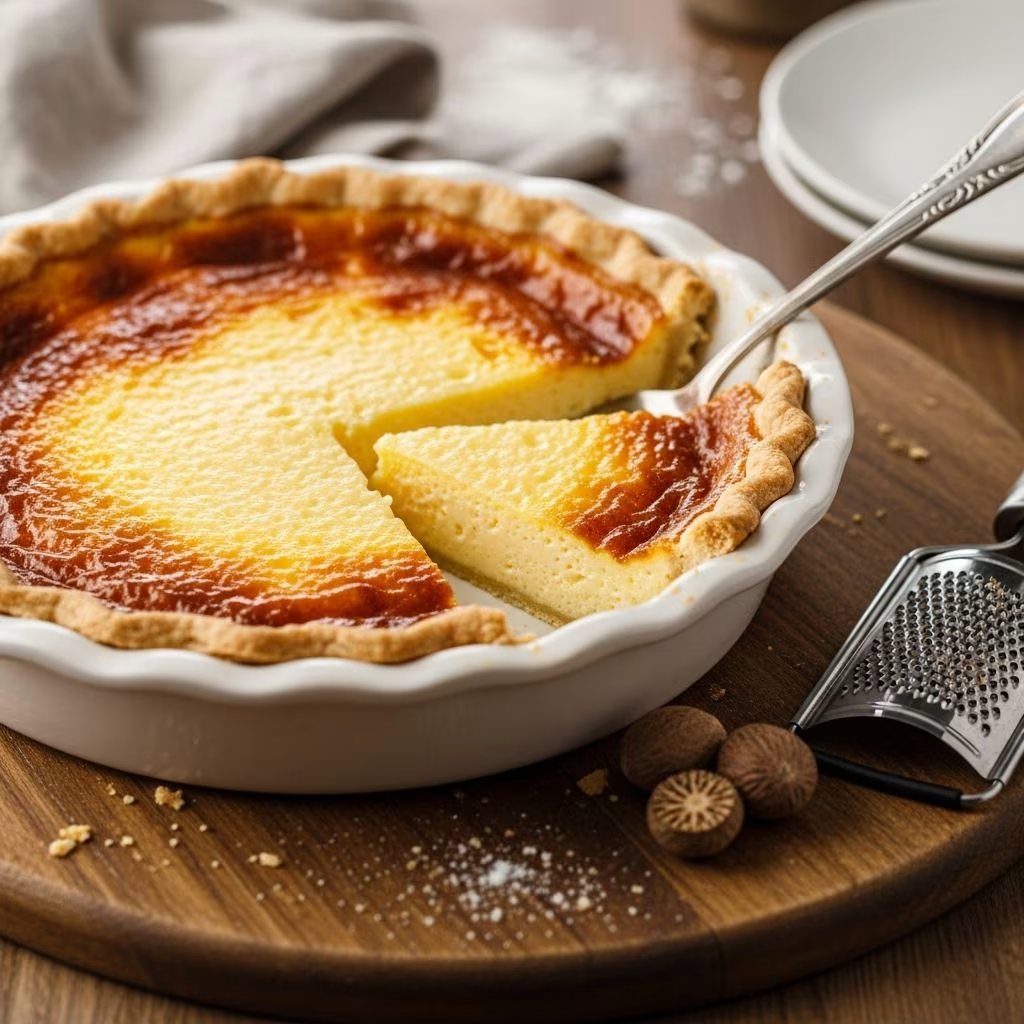
Egg custard pie represents one of the most cherished desserts in American culinary tradition. This timeless treat combines a delicate, creamy custard filling with a flaky pie crust, creating a dessert that appeals to both seasoned bakers and beginners alike. The appeal of this pie lies in its simplicity—using basic pantry staples to create something truly special. Unlike more complex desserts that require extensive techniques or exotic ingredients, a proper egg custard pie can be mastered by anyone willing to follow the fundamental principles of custard preparation.
What makes this dessert particularly meaningful is its connection to family heritage and tradition. Passed down through generations, recipes for egg custard pie often carry personal significance, representing Sunday dinners, holiday gatherings, and cherished memories. The beauty of this classic preparation is that it transcends culinary trends, remaining relevant across decades and cultures while maintaining its essential character.
Understanding Your Core Ingredients
Creating an excellent egg custard pie begins with selecting high-quality ingredients. Each component plays a crucial role in determining the final texture, flavor, and appearance of your pie.
Choosing Quality Eggs
Eggs form the foundation of your custard filling, influencing both taste and visual appeal. The quality of eggs you select will directly impact your finished pie. When shopping for eggs, prioritize fresh, high-quality options. Look for labels indicating pasture-raised or free-range eggs, as these typically offer superior flavor and richer color compared to conventional eggs. Free-range eggs contain higher levels of natural pigments that create a more vibrant, appealing custard color. The freshness of your eggs matters significantly—fresher eggs will produce a smoother, more cohesive custard consistency.
For optimal results, allow eggs to reach room temperature before mixing them into your custard base. Room-temperature eggs blend more smoothly with other ingredients and create a more uniform filling. If you forget to bring eggs to room temperature, you can place them in warm water for several minutes before use.
Selecting the Right Dairy
The dairy component of your custard determines its richness and mouthfeel. Traditional recipes typically use whole milk as the primary liquid ingredient. However, variations exist in dairy selection, and understanding these options helps you customize your pie to personal preferences.
Whole milk provides a balanced approach, delivering enough fat content for richness while maintaining a lighter texture. For a more luxurious pie, combining whole milk with heavy cream produces an intensely rich and creamy filling that many prefer. Some bakers achieve excellent results using evaporated milk, which concentrates the dairy flavor and creates a thicker custard consistency. Even skim milk can produce satisfactory results, though the pie will have a lighter, less indulgent texture. Choose based on your desired outcome and dietary preferences.
The temperature of milk requires careful attention. Some traditional recipes recommend scalding milk—heating it just below the boiling point (approximately 212 degrees Fahrenheit). This technique, while optional, can improve the overall texture and stability of your custard. If you choose to scald milk, ensure it cools completely before adding eggs, preventing accidental scrambling.
Sugar and Seasoning Balance
Sugar sweetens the custard and influences both texture and browning during baking. Standard recipes typically use between three-quarters cup and one cup of granulated sugar, though some recipes include flour as a thickening agent, allowing for different sugar ratios. Salt enhances flavor complexity, while vanilla extract provides aromatic depth. Ground nutmeg offers the distinctive spice note characteristic of traditional custard pies—this ingredient transforms the dessert from merely sweet to fully dimensional in flavor.
Preparing Your Pie Foundation
The pie crust serves as the container for your delicate custard, requiring proper preparation to prevent sogginess and ensure structural integrity.
Crust Protection Technique
Before adding your custard filling, protect the pie crust from absorbing excess moisture. Brush the interior surface of your crust with egg white using a pastry brush. This creates a moisture barrier that prevents the crust from becoming soggy during the baking process. A slightly beaten egg white works perfectly—it seals the crust while remaining thin enough not to add unwanted texture.
Some recipes recommend blind baking your crust—partially baking it for ten minutes before adding the custard filling. This technique further protects against sogginess and ensures the crust reaches full doneness. If you blind bake, reduce the final baking time accordingly.
Freezing and Chilling
Whether using homemade or store-bought pie dough, freezing the prepared crust for at least fifteen minutes (or longer if time permits) strengthens the gluten structure and prevents the crust from shrinking during baking. Cold dough also creates a flakier, more tender crust. After filling your pie, resist the urge to bake immediately—allowing the filled pie to rest in the refrigerator for fifteen to thirty minutes helps the crust relax and settle.
Mastering Custard Preparation
The custard filling technique determines whether your pie achieves the desired silky-smooth texture or develops unwanted graininess.
Combining Ingredients Properly
Begin by whisking together eggs, sugar, salt, and vanilla in a medium bowl until thoroughly combined. Whisk carefully but avoid incorporating excess air—over-whipping can introduce bubbles that create an undesirable texture. The mixture should appear uniform, with no visible egg white or yolk particles remaining.
Next, add your cooled milk (if scalded) or room-temperature milk directly to the egg mixture, whisking until completely incorporated. If using cream along with milk, add this at the same stage. Some recipes suggest straining the custard mixture through a fine mesh before pouring into the crust—this refinement removes any remaining egg particles and creates an exceptionally smooth filling.
Temperature Control During Baking
Temperature management throughout the baking process separates successful custard pies from those with texture problems. Most recipes recommend preheating your oven to 400 degrees Fahrenheit, then reducing heat to 325 degrees after the initial baking period. This staged approach allows the crust to brown adequately while preventing the custard from cooking too quickly and developing a rubbery, separated texture.
The baking time typically ranges from forty to fifty-five minutes, depending on your oven and pie depth. The pie is done when a knife inserted near the center comes out clean or nearly clean—a slight jiggle in the very center indicates perfectly cooked custard that will continue setting as it cools.
Baking Temperature and Timing Variations
| Temperature Schedule | Duration | Baking Stage |
|---|---|---|
| 400°F (204°C) | 10-15 minutes | Initial crust browning |
| 325°F (163°C) | 40-50 minutes | Custard setting |
Preventative Measures and Troubleshooting
Understanding common challenges helps you achieve consistent results.
Preventing Soggy Crusts
Soggy crusts result from moisture absorption. The egg white barrier provides excellent protection, but blind baking offers additional insurance. If you notice crust edges browning excessively, cover them with foil or use a pie shield during the final baking stages.
Avoiding Grainy or Separated Custard
Grainy texture typically indicates overcooking or excessively high temperatures. Never add hot milk to eggs—always cool scalded milk before combining. Monitor your oven temperature closely, using an oven thermometer if yours tends to run hot. When scalded milk is absolutely necessary to cool before mixing, allow adequate time; rushing this step can compromise your custard.
Addressing Crust Shrinkage
Pie crusts shrink when dough isn’t properly chilled before baking. Ensure your prepared crust freezes for at least fifteen minutes. If edges slide down during blind baking, gently push them back up using a spoon while still hot.
Frequently Asked Questions
Is scalding milk essential?
Scalding milk is optional for modern recipes. While traditional methods emphasize this step, contemporary kitchens can skip it without negative results. Scalding was historically important for food safety and texture stability; today’s pasteurized milk achieves similar results without the extra step.
Can I use evaporated milk instead of fresh milk?
Yes. Evaporated milk concentrates dairy solids, creating a thicker, richer custard. If substituting evaporated milk, you may need less of it (approximately 1.5 cups rather than 2.5 cups). The resulting pie will have more intense dairy flavor and creamier texture.
Should I use a homemade or store-bought crust?
Both options work successfully. High-quality store-bought frozen crusts provide excellent results with minimal effort. Homemade crusts offer control over ingredients and superior flavor but require additional time and skill. Choose based on your comfort level and available time.
How do I know when the custard is fully cooked?
Insert a knife near the center—it should come out clean or nearly clean. A slight jiggle in the very center indicates perfect doneness; the residual heat will continue cooking the custard as it cools. Overbaking results in a rubbery texture, while underbaking creates a runny filling.
Can I make this pie ahead of time?
Yes. Egg custard pie stores well in the refrigerator for three to four days. Cover it loosely with plastic wrap or aluminum foil to prevent it from absorbing refrigerator odors. Reheat gently before serving if desired, or enjoy it chilled.
Storage and Serving Recommendations
Proper storage extends the life of your custard pie. Always refrigerate after serving, as the egg-based filling requires cool temperatures for food safety. Cover the pie loosely to prevent it from absorbing flavors from surrounding foods. Properly stored custard pie maintains quality for three to four days.
Serve custard pie at room temperature or chilled, depending on preference. Many people enjoy it slightly warm, just an hour or two after baking, when the custard remains creamy and the crust is still somewhat crispy. Others prefer it chilled, which brings out the custard’s subtle flavors and provides a more refreshing eating experience on warm days.
Variations and Customizations
While traditional egg custard pie follows established patterns, creativity allows for personalization. Add a splash of bourbon or rum for sophisticated depth. Experiment with different spice combinations—ground cinnamon alone or combined with nutmeg offers warm spice notes. Some bakers add a tablespoon of flour to their filling for slightly thicker consistency. These adjustments maintain the essential character of the dessert while reflecting personal preferences.
Conclusion: Mastering a Timeless Classic
Creating a perfect egg custard pie requires understanding fundamental baking principles and respecting the time-tested techniques that define this classic dessert. By selecting quality ingredients, properly preparing your crust, carefully managing temperatures, and following proven methods, you’ll create a pie worthy of family tradition and cherished memories. This straightforward yet elegant dessert deserves its place at your table for generations to come.
References
- Food Safety Guidelines for Egg-Containing Dishes — U.S. Department of Agriculture Food Safety and Inspection Service. 2024. https://www.fsis.usda.gov/food-safety/safe-food-handling-and-preparation/eggs
- Temperature Control in Baking and Food Preparation — National Center for Home Food Preservation, University of Georgia. 2023. https://nchfp.uga.edu/
- Culinary Techniques: Custard Preparation and Baking Science — King Arthur Baking Company Educational Resources. 2024. https://www.kingarthurbaking.com/learn/articles/custard-pie
- Pastry and Pie Crust Best Practices — America’s Test Kitchen. 2023. https://www.americastestkitchen.com/
- Egg Selection and Quality Standards — USDA Agricultural Marketing Service. 2024. https://www.ams.usda.gov/