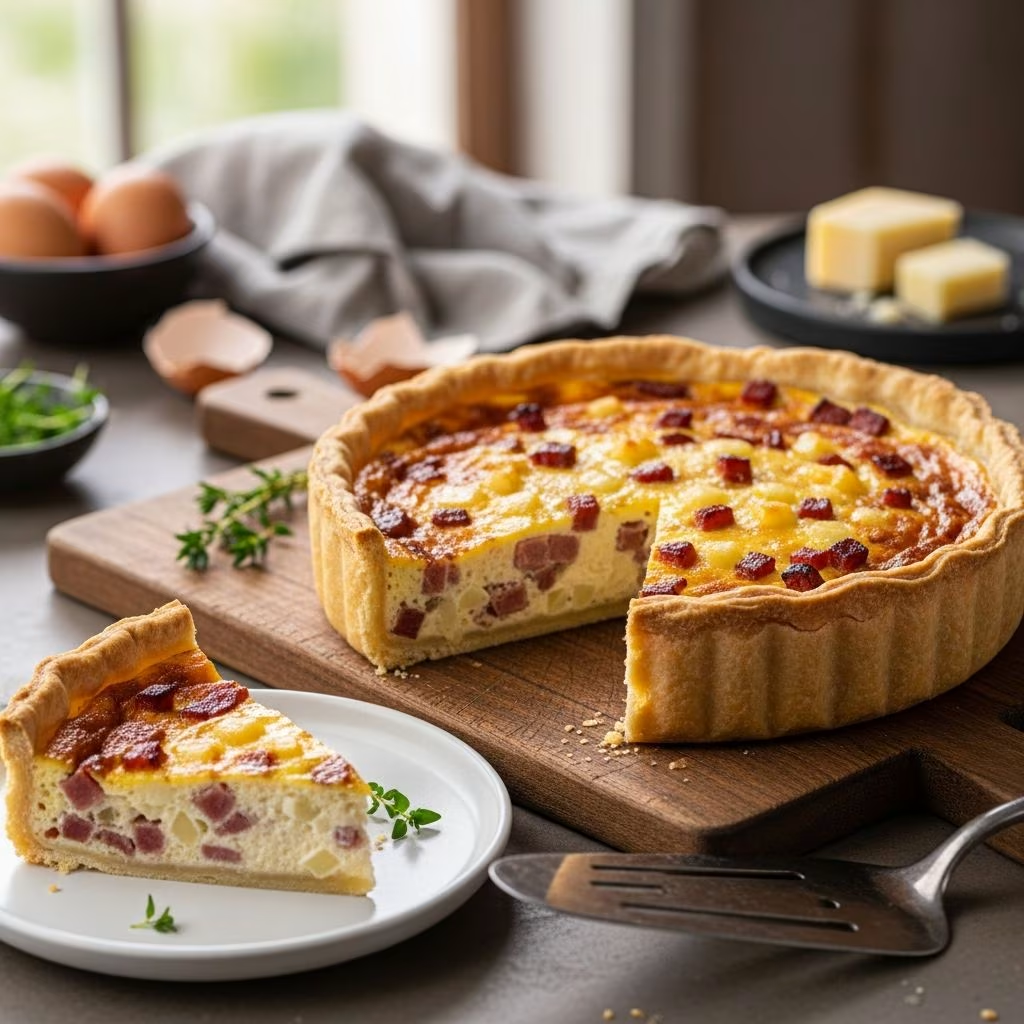
Quiche Lorraine stands as one of the most beloved savory pies in culinary history, combining a buttery crust with a velvety egg custard filled with bacon and cheese. This dish originated in France and has become a staple for brunches, lunches, and dinners around the globe. Its appeal lies in the harmonious blend of crispy bacon, nutty cheese, and a creamy filling that sets perfectly when baked.
The Origins and Evolution of Quiche Lorraine
Quiche Lorraine traces its roots to the Lorraine region of France, where it emerged as a simple peasant dish using local ingredients like eggs, cream, and smoked bacon. Over time, it gained popularity in the United States during the 1950s and 1960s, evolving into a sophisticated brunch favorite. Traditional versions stuck to bacon and custard without vegetables or additional cheeses, preserving its pure, rustic flavor profile. Modern adaptations, however, often incorporate onions, shallots, or different cheeses while honoring the classic formula.
Historians note that the name “quiche” derives from the German word “kuchen,” meaning cake, reflecting the influence of Lorraine’s proximity to Germany. By the mid-20th century, it appeared in American cookbooks, cementing its status as an elegant yet accessible recipe suitable for any occasion.
Essential Ingredients for Authentic Flavor
Creating a standout Quiche Lorraine starts with high-quality ingredients. The foundation is a flaky pie crust, which can be homemade or store-bought for convenience. Key components include:
- Bacon: About 8 slices, cooked until crispy and crumbled. It provides smoky depth and texture.
- Cheese: Gruyère or Swiss (1-1.5 cups shredded), with options for Parmesan or cheddar for added layers of flavor.
- Eggs and Dairy: 4-6 large eggs whisked with heavy cream or a cream-milk mix (1.5-2 cups total) for a custardy base.
- Aromatics: Diced onion or finely chopped shallot (1/2 to 1 medium), sautéed for sweetness.
- Seasonings: Nutmeg, salt, pepper, and sometimes cayenne for subtle warmth.
Freshly grated cheese melts better and intensifies flavor compared to pre-shredded varieties, which contain anti-caking agents. Opt for thick-cut bacon to ensure it stays crisp after baking.
Step-by-Step Preparation Method
Mastering Quiche Lorraine requires attention to technique, particularly par-baking the crust to prevent sogginess. Here’s a reliable process yielding 8-12 servings, ready in about 1.5 hours.
- Prepare the Crust: Line a 9-inch pie plate with dough. Place parchment paper inside and fill with pie weights, dry beans, or rice. Bake at 350°F (175°C) for 8-10 minutes until lightly set. Remove weights and bake 5 more minutes.
- Cook the Bacon: Fry 8 slices in a skillet over medium heat until crisp, about 8 minutes. Drain on paper towels, chop, and reserve 1-2 tablespoons of fat.
- Sauté Aromatics: In the same skillet, cook diced onion or shallot in bacon fat for 2-4 minutes until softened and translucent. This step builds flavor depth.
- Assemble the Filling: Scatter half the shredded cheese (e.g., Gruyère and cheddar) on the crust bottom, followed by bacon and onions. Whisk eggs, cream, milk, nutmeg, salt, and pepper together. Pour slowly over the fillings to distribute evenly.
- Top and Bake: Sprinkle remaining cheese (like Parmesan) on top. Bake at 350°F for 45-60 minutes until the center is set but slightly jiggly and the top is golden. Tent with foil if browning too fast. Cool 10-15 minutes before slicing.
This method ensures a crisp crust and creamy interior. Total prep: 15-20 minutes; cook: 60 minutes.
Pro Tips for Quiche Perfection
Elevate your Quiche Lorraine with these expert techniques:
- Blind Baking is Key: Always par-bake to avoid a soggy bottom, a common pitfall.
- Temperature Control: Use room-temperature eggs and dairy for smoother whisking and even baking.
- Spice Evenly: Stir the custard gently while pouring to prevent clumping.
- Resting Matters: Let it cool to allow the custard to firm up, making clean slices easier.
- Make-Ahead: Assemble up to 24 hours ahead, refrigerate, and bake fresh.
For a fluffier texture, some recipes incorporate a touch of nutmeg, which enhances the dairy’s richness without overpowering. If substituting ham for bacon, dice it finely for even distribution.
Variations to Suit Every Palate
While purists stick to the original, creative twists keep Quiche Lorraine exciting. Here’s a comparison of popular adaptations:
| Variation | Key Changes | Best For |
|---|---|---|
| Classic | Bacon, Gruyère, onion, no veggies | Traditional brunch |
| Three-Cheese | Cheddar, Swiss, Parmesan | Cheese lovers |
| Vegetarian | Spinach or mushrooms instead of bacon | Meat-free meals |
| Caramelized Onion | Extra onions with brown sugar | Sweet-savory balance |
| Mini Quiches | Baked in muffin tins | Parties/appetizers |
These options maintain the dish’s essence while accommodating dietary needs or flavor preferences. For instance, adding garlic alongside onions introduces a savory lift.
Perfect Pairings and Serving Suggestions
Quiche Lorraine shines when paired thoughtfully. Serve warm or at room temperature with:
- Fresh green salads like arugula with vinaigrette for contrast.
- Fruit sides such as berries or melon to brighten the richness.
- Crusty bread or croissants for a full brunch spread.
- Sparkling wine or mimosa for celebrations.
It’s versatile for breakfast, lunch, or potlucks, slicing neatly into wedges. Refrigerate leftovers up to 3 days; reheat at 325°F for 15 minutes.
Common Mistakes and How to Avoid Them
Home cooks often encounter issues like a watery filling or cracked top. Prevent these by:
- Not Overfilling: Leave room for the custard to rise.
- Checking Doneness: A knife inserted near the edge should come out clean; center jiggles slightly.
- Quality Dairy: Heavy cream yields superior creaminess over milk alone.
- Cooling Properly: Rushing cuts leads to messy slices.
Overbaking causes rubbery eggs—aim for just-set custard.
Nutrition and Dietary Considerations
A slice (1/12th) typically offers around 300-400 calories, with protein from eggs and bacon, fats from cheese and cream, and minimal carbs from the crust. It’s naturally gluten-containing but can be adapted with gluten-free crusts. High in cholesterol, so enjoy in moderation as part of a balanced diet.
Frequently Asked Questions (FAQs)
Can I use store-bought crust?
Yes, it’s a time-saver and works well if par-baked properly.
What’s the best cheese substitute?
Swiss for Gruyère; it melts similarly with mild nuttiness.
How do I know when it’s done?
The edges are set, center jiggles lightly, and temperature reaches 160°F internally.
Can I freeze Quiche Lorraine?
Bake fully, cool, wrap tightly, and freeze up to 2 months. Thaw and reheat at 350°F.
Why is my quiche soggy?
Likely skipped blind baking—always par-bake the crust.
Quiche Lorraine remains a timeless recipe that rewards practice with its crowd-pleasing results. Experiment confidently within its classic framework for endless enjoyment.
References
- Quiche Lorraine Recipe – Tastes Better From Scratch — Tastes Better From Scratch. 2023-01-15. https://tastesbetterfromscratch.com/quiche-lorraine/
- Easy Quiche Lorraine Recipe | Delicious & Easy Brunch Idea — Jo Cooks (Joanna Cismaru). 2022-05-10. https://www.youtube.com/watch?v=T0x6rW1wyQ0
- Best Quiche Lorraine Recipe — Delish. 2024-03-20. https://www.delish.com/cooking/recipe-ideas/a58388/quiche-lorraine-recipe/
- Classic Quiche Lorraine Recipe — The Modern Proper. 2023-11-05. https://themodernproper.com/quiche-lorraine
- 12 Best Quiche Lorraine Recipes You Need to Try — Cooklist. 2024-02-14. https://cooklist.com/recipes/article/12-best-quiche-lorraine-recipes-you-need-to-try