Pumpkin seeds represent one of autumn’s most versatile and satisfying snacking options. Whether you’re carving jack-o’-lanterns, preparing for a harvest celebration, or simply seeking a nutritious treat, honey roasted pumpkin seeds deliver exceptional flavor with minimal effort. This comprehensive guide walks you through everything needed to create restaurant-quality roasted seeds in your own kitchen.
Understanding Your Starting Point: Fresh Pumpkin Seeds
The foundation of exceptional roasted seeds begins with proper seed selection and preparation. You can source pumpkin seeds directly from fresh pumpkins you carve yourself, or purchase pre-cleaned raw seeds from grocery stores. When extracting seeds from whole pumpkins, separate them from the stringy pulp and flesh thoroughly. Rinsing your seeds under cool water removes remaining pumpkin material, ensuring cleaner roasting results.
The drying phase proves essential for achieving optimal texture. After washing, spread your seeds on clean kitchen towels or paper towels and allow them to air dry completely. This typically requires five to ten minutes but may extend longer if seeds retain significant moisture. Thoroughly dry seeds roast more evenly and develop superior crispness compared to those with residual dampness.
Seed quantity flexibility represents another advantage of this recipe format. Whether you have one cup or multiple cups of seeds, the same techniques and flavor proportions apply. Simply adjust your ingredient measurements proportionally to accommodate your available seed quantity.
Essential Ingredients and Flavor Building Blocks
Creating honey roasted pumpkin seeds requires surprisingly few components, making this an accessible recipe for cooks of all skill levels. Each ingredient serves a specific purpose in developing the final flavor profile and texture.
The Core Ingredients
- Raw Pumpkin Seeds: These form your recipe’s foundation, providing natural nutrition and nutty flavor that intensifies through roasting
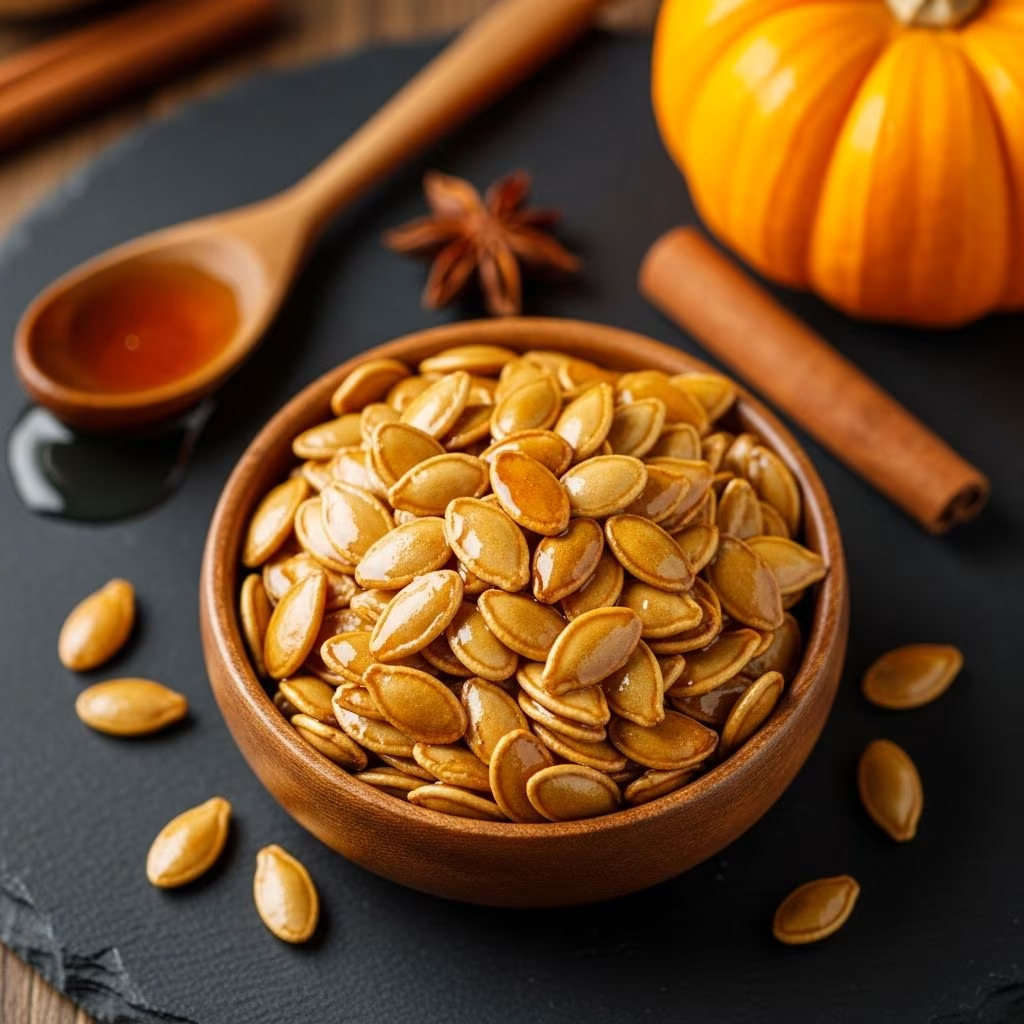
- Honey: This sweetener caramelizes during cooking, creating a glossy coating and developing complex sweetness
- Butter: Adds richness and facilitates even distribution of honey across all seeds
- Olive Oil: Prevents sticking and promotes even heat distribution throughout the roasting process
- Salt: Enhances sweetness perception and balances flavors with savory notes
Optional Flavor Enhancements
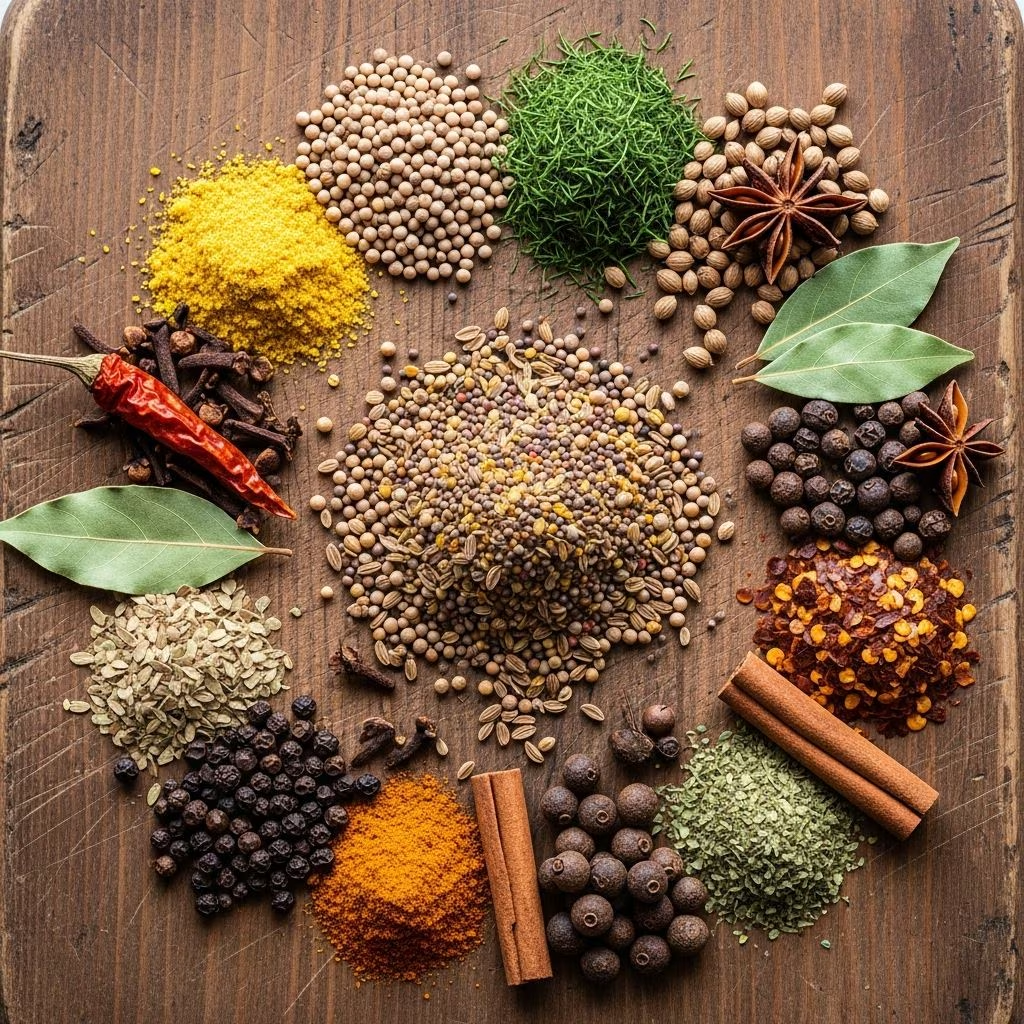
While the basic combination delivers satisfying results, numerous additions can customize your seeds to match personal preferences. Cinnamon adds warm spice notes, complementing honey’s sweetness beautifully. Pumpkin pie spice provides more complex seasoning with nutmeg, ginger, and clove undertones. For those preferring heat, chipotle chili powder or cayenne pepper create an intriguing sweet-and-spicy balance. Smoked paprika introduces subtle smokiness without overwhelming delicate pumpkin seed flavors.
Step-by-Step Preparation and Roasting Instructions
Beginning Your Roasting Journey
Start by preheating your oven to 325 degrees Fahrenheit. This moderate temperature prevents burning while allowing seeds to develop deep, caramelized exteriors. While your oven reaches temperature, ensure your pumpkin seeds are completely dry and ready for cooking.
In a large bowl, combine your dried pumpkin seeds with a small amount of olive oil, typically around half a tablespoon for every cup of seeds. This light coating facilitates even heat distribution and prevents seeds from sticking together during roasting. If incorporating spices, add them now and mix thoroughly until all seeds receive even seasoning distribution.
Creating Your Honey Coating
In a small saucepan, combine honey and butter over medium heat. Warm these ingredients just until the butter melts and the mixture becomes fluid, taking care not to let it bubble excessively or scorch. Some recipes suggest adding a pinch of salt to this mixture, which enhances overall flavor complexity. Once combined, remove from heat and let cool slightly so the mixture is warm but manageable when mixed with seeds.
Combining Elements for Optimal Flavor
Transfer your oil-coated seeds to a large mixing bowl and pour the warm honey-butter mixture over them. Using a rubber spatula or wooden spoon, stir continuously until every seed receives thorough coating. This step requires patience and attention, ensuring no seed remains uncoated. The mixture will appear glossy and evenly distributed when complete.
The Roasting Phase
Spread your honey-coated seeds in a single layer on a parchment-lined baking sheet. Avoid overcrowding, which prevents even roasting. Place in your preheated oven for twenty to thirty minutes, depending on your oven’s characteristics and desired crispness level. Every ten to fifteen minutes, remove the pan and stir seeds gently but thoroughly, rotating pieces from the pan’s edges to the center. This frequent stirring prevents burning and ensures uniform caramelization.
Your seeds are finished roasting when they develop a deep golden-brown color and emit a rich, toasted aroma. Test doneness by biting into a cooled seed—it should snap cleanly rather than remaining soft or chewy in the center.
Flavor Customization: Creating Your Signature Version
The basic honey roasted seed recipe serves as an excellent foundation for countless variations. Consider your personal taste preferences and experiment with different combinations to discover your favorite preparation.
Sweet and Warming Spice Variations
Cinnamon and nutmeg create comforting autumn flavors that pair beautifully with honey’s natural sweetness. Brown sugar mixed with your honey coating adds caramel notes and deeper sweetness. Vanilla extract stirred into your honey mixture creates subtle complexity without overwhelming other flavors.
Savory and Heat-Forward Options
Smoked salt, cayenne pepper, and chili powder transform your seeds into sophisticated savory snacks. Garlic powder and onion powder create umami-rich seasonings for those preferring less sweetness. Cumin adds earthy warmth that complements honey surprisingly well.
Premium Ingredient Modifications
Substituting coconut oil for butter creates dairy-free versions while adding subtle coconut undertones. Raw honey varieties with distinctive flavor profiles—such as wildflower or acacia honey—contribute unique character. Sea salt varieties, particularly fleur de sel or Maldon salt, add mineral complexity and textural interest when sprinkled on cooling seeds.
Storage, Shelf Life, and Making Ahead
Proper storage ensures your homemade honey roasted seeds maintain peak quality and freshness. Once completely cooled, store seeds in airtight containers at room temperature for up to one week. Uncovered storage works adequately for shorter timeframes but accelerates staleness in humid environments.
For extended storage, refrigeration can preserve quality for two to three weeks, though seeds may absorb refrigerator odors if not properly sealed. Freezing is possible for up to three months, though texture may become slightly softer upon thawing.
Many people prepare honey roasted seeds in advance for gatherings or gift-giving. Making seeds two to three days ahead allows flavors to meld and settle while maintaining freshness. Package cooled seeds in decorative containers or bags for thoughtful homemade gifts that friends and family genuinely appreciate.
Nutritional Considerations and Health Benefits
Pumpkin seeds bring substantial nutritional value to your snacking routine. These seeds contain plant-based proteins, healthy fats, magnesium, zinc, and various antioxidants. While honey roasting adds calories and sugar compared to plain roasted seeds, the overall nutritional profile remains respectable for occasional snacking or entertaining purposes.
For those monitoring sugar intake, reducing honey quantities slightly still delivers satisfying flavor while decreasing overall sugar content. Using alternative sweeteners like maple syrup creates different flavor profiles while potentially reducing refined sugar.
Serving Suggestions and Entertaining Applications
Honey roasted pumpkin seeds work beautifully as standalone snacks enjoyed straight from the container. They also complement fall entertaining perfectly when served in decorative bowls alongside other seasonal treats. Consider combining them with dried cranberries, nuts, and dark chocolate chips for custom snack mixes.
These seeds add textural interest and nutrition when sprinkled over salads, particularly autumn green salads with roasted vegetables and vinaigrette dressings. They contribute delightful crunch to grain bowls, yogurt parfaits, and baked goods like muffins or granola.
Troubleshooting Common Challenges
Addressing Burning and Uneven Roasting
Seeds that brown too quickly indicate your oven temperature may run hot. Reduce temperature by twenty-five degrees and extend roasting time accordingly. Stirring more frequently—every five to ten minutes—prevents burning in hot spots. Always use parchment paper to prevent direct pan contact.
Managing Sticky or Clumped Results
Excessive honey coating causes seeds to clump together as they cool. Use precisely measured honey quantities and ensure even distribution during mixing. Stirring several times as seeds cool prevents large clumps from forming.
Achieving Desired Crispness
Softer seeds require reduced roasting time, while tougher results need extended cooking. Temperature and seed size both affect roasting duration, so monitor your first batch closely to determine optimal timing for your specific oven and seed size preferences.
Equipment and Tools for Success
You need minimal equipment to create excellent honey roasted seeds. Mixing bowls, measuring spoons, a baking sheet, and parchment paper represent the basic essentials. A rubber spatula prevents scratches when stirring and facilitates smooth mixing. A kitchen towel aids in seed drying, while an oven thermometer ensures accurate baking temperatures.
Frequently Asked Questions About Honey Roasted Pumpkin Seeds
- Can I use pre-cleaned store-bought pumpkin seeds?
- Yes, absolutely. Pre-cleaned seeds work excellently and save preparation time. You may skip the washing and drying steps if using pre-cleaned varieties, though drying any residual moisture still improves results.
- What honey type works best for this recipe?
- Any honey variety produces good results. Raw honey, wildflower honey, and clover honey all work well. Choose based on personal preference for flavor intensity.
- Can I make these seeds without butter?
- Yes, use additional olive oil to replace butter. Coconut oil also works as a substitute, creating slightly different flavor characteristics.
- How do I prevent seeds from burning?
- Stir frequently during roasting, use parchment paper, and consider lowering your oven temperature slightly if you notice excessive browning.
- Are these seeds suitable for people with nut allergies?
- Yes, pumpkin seeds are technically not tree nuts. However, always verify no cross-contamination occurred during processing if serving to people with severe allergies.
- Can I double or triple this recipe?
- Absolutely. Simply multiply all ingredient quantities proportionally and monitor roasting time, which may increase slightly with larger batches.
Conclusion: Enjoying Your Homemade Creation
Creating honey roasted pumpkin seeds at home delivers satisfaction that far exceeds the modest effort required. From carving pumpkins to enjoying your finished product, this recipe transforms a seasonal ingredient into a versatile treat suitable for countless occasions. Whether you’re seeking a healthy snack, planning an entertaining spread, or creating gifts, homemade honey roasted pumpkin seeds impress consistently with their combination of crispy texture, complex sweetness, and nutty undertones.
References
- Nutritional Properties of Pumpkin Seeds — National Institutes of Health. 2024. https://www.ncbi.nlm.nih.gov/
- Honey: Composition and Health Benefits — Food and Chemical Toxicology, Elsevier. 2023. https://www.sciencedirect.com/
- Safe Food Storage Guidelines — U.S. Department of Agriculture Food Safety and Inspection Service. 2024. https://www.fsis.usda.gov/
- Antioxidants in Roasted Seeds — Journal of Agricultural and Food Chemistry. 2023. https://pubs.acs.org/doi/10.1021/acs.jafc.3c00000