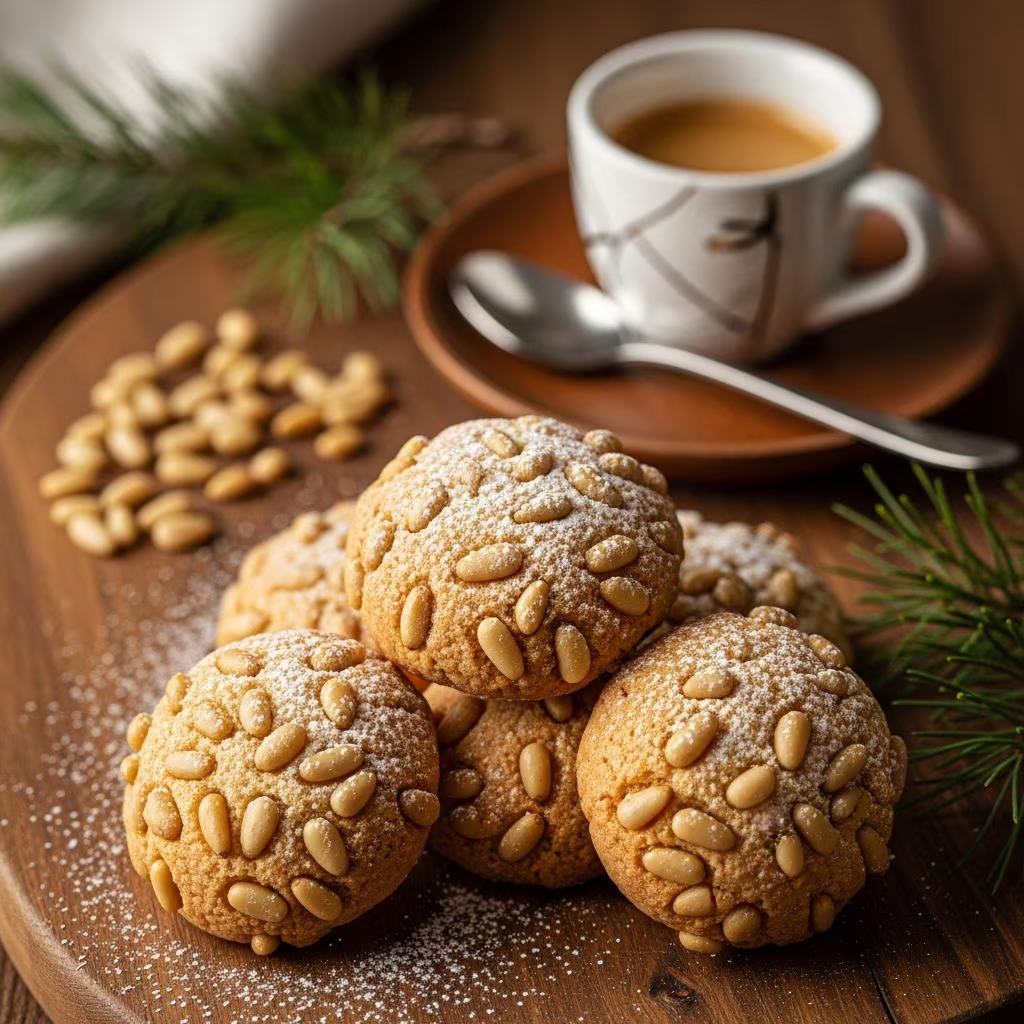
Pignoli cookies represent one of the most cherished traditions in Italian-American baking, combining simplicity with sophistication in every bite. These delicate confections have graced holiday tables and bakery displays for generations, earning their place as a beloved classic that connects families to their culinary heritage. The beauty of pignoli cookies lies in their minimalist ingredient list and the remarkable transformation that occurs when these humble components come together in the oven.
Understanding the Origins and Cultural Significance
The roots of pignoli cookies stretch back to Sicily, where skilled bakers developed recipes using the abundant almond crops of the Mediterranean region. These cookies embody the essence of Italian confectionery tradition, showcasing how limited ingredients can create extraordinary flavor profiles. The name “pignoli” comes directly from the Italian word for pine nuts, which form the cookie’s distinctive crown and contribute their characteristic nutty depth to each bite.
What makes pignoli cookies particularly special is their role in connecting Italian immigrants to their homeland during celebrations and special occasions. Many families maintain recipes passed down through generations, each baker adding personal touches while respecting the fundamental character that defines these treats. Today, pignoli cookies occupy an important position in both traditional Italian kitchens and modern American households seeking to explore authentic European dessert techniques.
Essential Ingredients for Authentic Flavor
Creating successful pignoli cookies begins with understanding each ingredient’s role in the final product. Unlike many cookies that require numerous components, pignoli cookies demonstrate that quality ingredients combined with proper technique can yield exceptional results.
- Almond Paste: The foundation of these cookies, almond paste provides the rich, distinctive flavor and dense texture that distinguishes pignoli from other desserts. This ingredient should be of high quality, preferably containing only ground almonds and minimal added sugar. The amount typically ranges from 7 to 16 ounces depending on the batch size.
- Granulated Sugar: This sweetener balances the almond paste’s intensity while helping create the cookie’s characteristic texture. Most recipes call for approximately one-half to one full cup, adjusted based on personal sweetness preferences.
- Powdered Sugar: Some recipes incorporate powdered sugar for added sweetness and texture modification, while others rely solely on granulated sugar. This ingredient also provides the optional finishing dust that adds visual elegance.
- Egg Whites: Serving as the binding agent, egg whites (typically one to four per batch) create structural integrity while contributing to the desired chewy-yet-crisp texture. The quantity affects the dough’s consistency and final cookie texture.
- Pine Nuts (Pignoli): These prized nuts provide both the functional exterior coating and the signature nutty flavor that defines these cookies. The amount ranges from two-thirds to one and one-half cups, depending on how generously you coat each cookie.
- Optional Flavor Enhancers: Vanilla extract, almond extract, and amaretto liqueur can complement the base flavors, though traditional recipes often omit these additions to let the pure almond and pine nut flavors dominate.
Equipment and Preparation Setup
Success with pignoli cookies begins before mixing ingredients. Proper equipment and workspace organization establish the foundation for smooth preparation and baking. A food processor efficiently combines almond paste with sugars, creating the ideal texture foundation. A stand mixer offers an alternative approach, particularly when processing larger batches or when a food processor isn’t available.
Gathering supplies beforehand prevents interruptions during the crucial mixing and shaping phases. Parchment paper lines baking sheets, preventing sticking and ensuring even browning. Shallow bowls hold both egg whites for dipping and pine nuts for rolling. Cookie scoops or measuring spoons standardize portion sizes, promoting consistent baking results. Having all components ready before beginning the mixing process streamlines workflow and reduces stress during preparation.
Mastering the Mixing Process
The mixing sequence significantly impacts the final cookies’ structure and texture. Beginning with almond paste requires cutting it into slices or crumbling it into manageable pieces before processing. This step facilitates even distribution throughout the mixing bowl and prevents clumping that can result in uneven texture.
Once the almond paste pieces are added to the food processor, incorporate granulated sugar and any additional powdered sugar if desired. Process these components until the mixture resembles wet sand in texture and consistency. This intermediate stage is crucial—over-processing creates a paste that’s too dense, while under-processing leaves lumps that affect the final cookie texture.
In a separate bowl, whisk egg whites until they reach a frothy consistency. This simple step, requiring only about twenty seconds of effort, introduces air into the mixture and creates a lighter dough texture. Add the whisked egg whites to the food processor along with any flour and blend until the ingredients combine thoroughly. The resulting dough should be sticky yet manageable—thick enough to hold shape while remaining soft enough to mold by hand.
Shaping and Coating Techniques
Transforming dough into finished cookies requires attention to proper shaping and coating methods. Pour pine nuts into a wide, shallow bowl, providing adequate space for rolling each dough portion. Using a cookie scoop creates uniform cookies that bake consistently, with most recipes calling for tablespoon-sized portions.
Position each dough ball into the pine nuts and roll to coat thoroughly on all sides, or press gently to coat just the top surface depending on preference and available nuts. Some bakers prefer completely nut-covered cookies, while others showcase more almond paste visible on the sides. Both approaches produce excellent results—this decision reflects personal aesthetic preference and nut availability.
After rolling in pine nuts, place each cookie on parchment-lined baking sheets and gently pat to flatten slightly. Cookies can be baked immediately or covered with plastic wrap and refrigerated overnight. This flexibility accommodates busy schedules and allows batch baking across multiple days if desired.
Achieving Perfect Baking Results
Oven temperature proves critical for developing the signature pignoli cookie texture. Most recipes recommend preheating to 325 to 350 degrees Fahrenheit, with 325 degrees producing slightly more controlled browning. Positioning the baking sheet on the center oven rack ensures even heat distribution and prevents burning on the bottom or edges.
Baking duration typically ranges from 12 to 22 minutes, with variations depending on oven characteristics and desired texture. The ideal endpoint occurs when cookies display pale coloring with golden-brown edges while remaining slightly soft in the center. This seemingly underdone appearance indicates perfect doneness—the centers continue setting as cookies cool, eventually developing the characteristic chewy interior with crispy exterior.
Checking cookies at the two-thirds bake time mark prevents over-baking, which can result in dry, crumbly texture instead of the desired chewy consistency. Some ovens run hotter than others, making individual adjustment necessary for optimal results. Remove cookies from the oven when edges turn golden brown and centers appear just barely set.
Cooling and Storage Guidelines
The cooling process continues the texture development begun in the oven. Leaving cookies on baking sheets for approximately 10 minutes allows carryover cooking to complete while cookies remain warm enough to move gently. This resting period prevents breakage that can occur if cookies transfer too quickly to cooling racks.
After cooling completely, pignoli cookies store well in airtight containers for up to one week at room temperature. Optional powdered sugar dusting added before serving provides visual appeal and additional sweetness. For extended storage, freeze cooled cookies in freezer-safe containers for up to three months, thawing at room temperature before serving.
Troubleshooting Common Baking Challenges
| Problem | Likely Cause | Solution |
|---|---|---|
| Pine nuts sliding off during baking | Dough too wet or nuts pressed insufficiently | Reduce egg white quantity or pat cookies more firmly before baking |
| Dry, crumbly cookies | Over-baking or excessive processing | Reduce bake time or check oven temperature accuracy |
| Flat, spread-out cookies | Over-mixed dough or oven temperature too high | Mix less thoroughly or lower oven temperature slightly |
| Underbaked, raw-appearing center | Insufficient baking time or low oven temperature | Increase bake time by 2-3 minutes or verify oven temperature with thermometer |
| Pale, unbrowned cookies | Low oven temperature or removed too early | Increase oven temperature by 10 degrees or extend baking time |
Exploring Flavor Variations and Personal Touches
While traditional pignoli cookies showcase pure almond and pine nut flavors, creative bakers can experiment with complementary additions. Almond extract intensifies the almond paste flavor, while vanilla extract adds subtle complexity. Amaretto liqueur introduces Italian almond liqueur notes that enhance the sophisticated character without overwhelming the base flavors.
Some bakers incorporate small amounts of citrus zest—lemon or orange—to brighten the flavor profile and add modern appeal. Others dust finished cookies with cinnamon sugar or include a light sprinkle of sea salt to contrast the sweetness and enhance overall flavor perception. These variations honor the recipe’s traditional foundation while acknowledging contemporary taste preferences.
Frequently Asked Questions
Can I substitute almond paste with another ingredient?
Almond paste is essential to authentic pignoli cookies and doesn’t have a direct substitute that produces identical results. However, almond flour combined with confectioners’ sugar and egg whites can create a similar texture, though the flavor will be less pronounced than traditional recipes.
What if I can’t find pine nuts?
While pine nuts are traditional, some bakers use sliced almonds or crushed pistachios as alternatives. These substitutions change the final flavor profile but still produce enjoyable cookies. Stick with the original recipe if possible for authentic results.
How far in advance can I prepare pignoli cookies?
Dough can be made several days ahead and frozen, though it should not be frozen in ball form. Instead, freeze the mixed dough flat, then thaw completely before shaping, coating, and baking. This approach maximizes convenience while maintaining optimal texture.
Why are my cookies spreading too much during baking?
Excessive spreading typically indicates either over-mixing the dough or an oven temperature that’s too high. Reduce mixing time and verify oven temperature with a separate thermometer to identify and correct the issue.
Can I make pignoli cookies gluten-free?
Yes, by substituting all-purpose flour with rice flour or almond flour and ensuring all ingredients are certified gluten-free. The cookies will have a slightly different texture but remain delicious for those with gluten sensitivities.
Serving Suggestions and Presentation Ideas
Pignoli cookies shine as elegant additions to holiday dessert platters, Italian dinner conclusions, or special occasion celebrations. Their rustic appearance combined with sophisticated flavor makes them appropriate for both casual family gatherings and formal entertaining. Arrange cookies on tiered cake stands, place them in decorative boxes as gifts, or serve alongside espresso for traditional Italian hospitality.
The cookies’ versatility extends to diverse serving occasions. During holiday seasons, they complement festive gatherings with their celebratory appearance and flavor. At everyday moments, a single pignoli cookie with afternoon coffee provides indulgent comfort. Their long shelf life makes them suitable for preparing ahead for upcoming events, reducing day-of stress and allowing time for other preparations.
References
- How To Make Italian Pignoli Cookies — The Clever Carrot. 2022-12-15. https://www.theclevercarrot.com/2022/12/soft-chewy-pignoli-cookies/