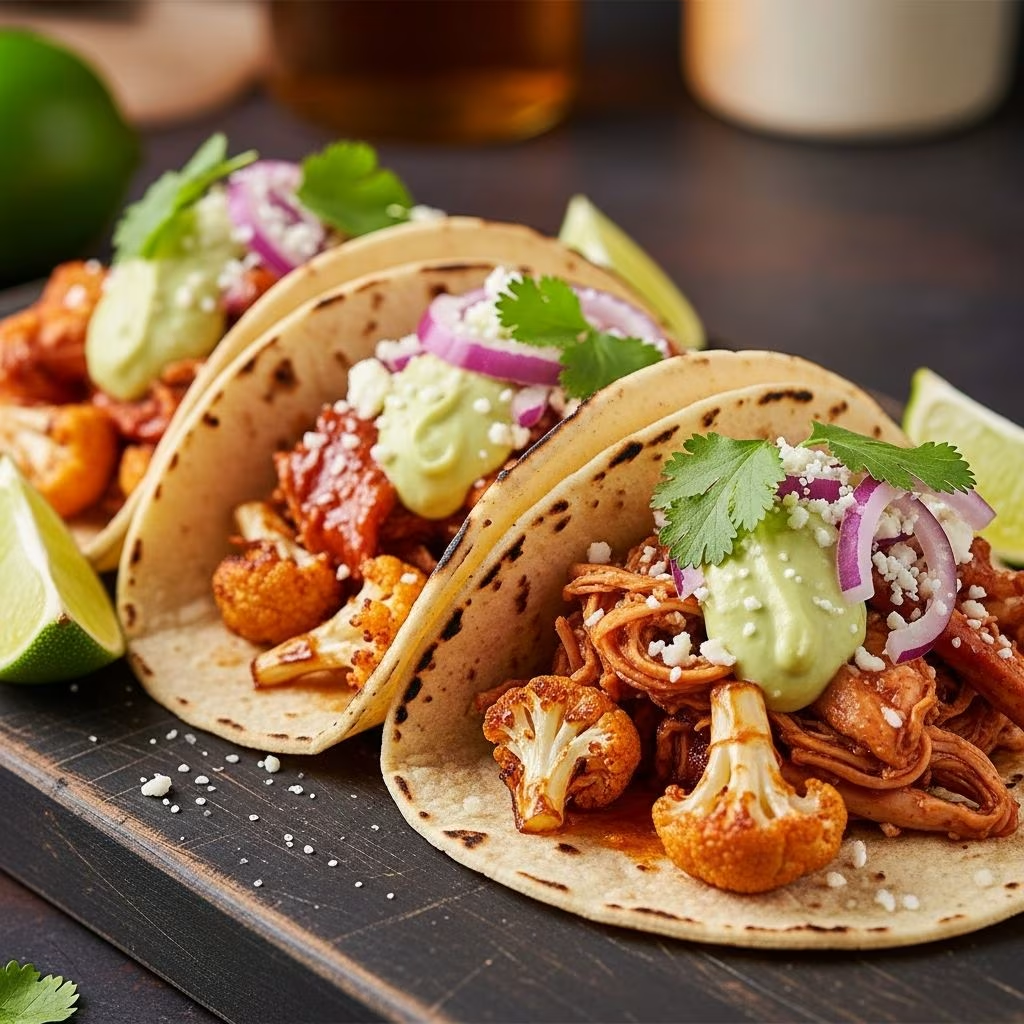
When it comes to weeknight dinners that feel impressive yet remain approachable, few dishes rival the appeal of chipotle-seasoned tacos filled with tender chicken and charred cauliflower. This dish represents a wonderful intersection of bold Mexican-inspired flavors, wholesome ingredients, and straightforward preparation techniques. The combination of smoky spices, roasted vegetables, and tangy accompaniments creates a memorable eating experience that satisfies both nutritional needs and cravings for intense, layered flavors.
The beauty of this particular taco preparation lies in its versatility and the efficiency of the roasting method. By cooking both the protein and vegetables simultaneously on separate baking sheets, you maximize your oven space and minimize active cooking time. This approach transforms simple ingredients into something that tastes like you spent hours in the kitchen, when in reality, the hands-on effort remains minimal.
Understanding the Core Flavor Profile
At the heart of these tacos sits the distinctive chipotle pepper, which derives its character from smoked jalapeños preserved in adobo sauce. This sauce provides the foundation for an incredibly complex flavor base that includes elements of smokiness, heat, and subtle sweetness. Understanding this ingredient transforms your approach to building the dish, as it serves as both marinade and flavor anchor for the entire composition.
The adobo sauce that accompanies canned chipotle peppers contains tomatoes, vinegar, and spices that amplify the smokiness while contributing acidity and depth. Rather than viewing the sauce as merely a liquid carrier for the peppers themselves, recognizing its independent value encourages you to use it generously throughout your preparation.
Preparing Your Proteins and Vegetables
Success with this recipe begins with thoughtful ingredient selection and preparation. Chicken thigh fillets provide superior flavor and texture compared to breast meat, as their higher fat content resists drying out during roasting. Trim visible excess fat but preserve some marbling for moisture and taste development during cooking.
Cauliflower florets require attention to size consistency, as uniform pieces ensure even roasting and charring. Cut larger florets into quarters or halves so that all pieces achieve that desirable crispy exterior while maintaining a tender interior. This attention to size creates textural contrast that elevates the eating experience.
The Marinade Foundation
Begin by combining your prepared chipotle peppers with reserved adobo sauce, maple syrup, minced garlic, and extra virgin olive oil in a substantial bowl. The maple syrup serves a crucial function by balancing the heat and providing subtle caramelization during the roasting process. Garlic adds pungent aromatics that deepen when exposed to dry heat, intensifying its savory qualities.
Divide this aromatic mixture between two portions, using one to coat the chicken and reserving the other for the cauliflower. This separation ensures even distribution of the marinade while allowing each component to develop its own character. The chicken absorbs the flavors while releasing its own juices that mingle with the chipotle base, while the cauliflower develops crispy, charred edges as the moisture evaporates.
Roasting Technique and Timing
Preheat your oven to 218°C (approximately 425°F), a temperature that provides sufficient heat to achieve browning and caramelization without requiring extended cooking times. Line two separate baking sheets with non-stick parchment paper to prevent sticking and facilitate cleanup.
Arrange your marinated chicken and cauliflower on their respective sheets, ensuring they occupy a single layer without overlap. Overcrowding creates steam rather than the dry heat necessary for proper roasting and browning. Season both components with sea salt and cracked black pepper before placing in the oven.
The roasting window typically spans 20 minutes, though precise timing depends on your oven’s characteristics and the size of your chicken pieces and cauliflower florets. Look for visual cues: the cauliflower should display golden-brown coloring with slightly charred edges, while the chicken should reach 75°C internal temperature and show no signs of pink at the thickest point. The adobo-based marinade transforms into a thickened glaze that clings to the proteins and vegetables, creating an intensely flavored exterior.
Constructing the Supporting Cast
While your proteins and vegetables roast, prepare the complementary components that transform simple roasted items into complete, balanced tacos. Small corn tortillas provide an authentic base and can be lightly toasted to enhance their corn flavor and create structural integrity that resists sogginess.
The Lime-Infused Yogurt Sauce
Combine full-fat Greek yogurt with fresh lime juice, sea salt, and cracked black pepper in a small bowl. This simple three-ingredient sauce (or four, if you count the pepper separately) creates a cool, tangy counterpoint to the smoky, spicy roasted components. The yogurt provides creaminess and richness while the lime juice adds brightness and a subtle acidic lift that prevents the overall dish from feeling heavy.
The yogurt’s protein content also increases the nutritional profile of the finished tacos, transforming them from side dish-adjacent to a substantial meal capable of satisfying even robust appetites. Mix these elements just before serving to prevent the mixture from becoming overly thin.
Fresh Vegetable Components
Finely shred purple cabbage to create a crisp slaw that provides textural contrast and visual appeal. Raw cabbage maintains its crunch throughout the eating experience, offering structural opposition to the soft roasted vegetables and tender chicken. The purple variety provides visual drama and contains beneficial phytonutrients that contribute to the dish’s nutritional profile.
Fresh coriander (cilantro) sprigs introduce herbaceous notes that bridge the gap between the smoky roasted elements and the bright acidic accompaniments. Rough-chop the coriander rather than mincing it finely, preserving its leafy structure and allowing diners to experience its full flavor impact.
Pickled red onions add sharp, tangy elements that cut through richness and stimulate the palate. These can be prepared ahead of time by slicing thin rings of red onion and submerging them in a simple mixture of vinegar, sugar, and salt. The pickling process mellows the raw onion’s harshness while concentrating its natural sweetness.
Assembly and Serving Strategy
Warm your tortillas just before assembling tacos, either by direct heat or wrapped in a damp kitchen towel to steam gently. Distribute the shredded purple cabbage as your foundation, creating an insulating layer between the warm tortilla and your other toppings. This approach prevents the tortilla from becoming overly saturated while keeping vegetables cool and crisp.
Layer the roasted chicken and cauliflower over the cabbage, then drizzle generously with the lime yogurt sauce. The sauce acts as both flavor enhancer and binder, helping components adhere to one another and preventing filling from escaping during consumption.
Top with fresh coriander and pickled onion rings, then serve immediately with lime wedges for additional brightness and citrus intensity according to individual preference. This strategy preserves the temperature differential between warm and cool components while allowing diners to customize their tacos to personal taste preferences.
Nutritional Considerations and Dietary Adaptations
This taco preparation offers substantial protein from both the chicken and yogurt sauce components, making it suitable for individuals seeking balanced macronutrient distribution. The roasted cauliflower provides fiber and essential vitamins while remaining relatively low in calories, allowing for generous portions without excessive energy intake.
For plant-based diners, substitute chicken with additional cauliflower florets or incorporate roasted chickpeas that have been coated in the same chipotle mixture. The key lies in ensuring sufficient protein through alternative sources while maintaining the smoky, spiced character that defines the dish.
Those managing sodium intake can reduce the salt in the yogurt sauce and pickled onions, relying on the adobo sauce for inherent seasoning. Similarly, individuals seeking reduced heat can use fewer chipotle peppers or substitute a portion of the adobo sauce with tomato paste for smoky flavor without intense spice.
Storage and Make-Ahead Guidance
The roasted chicken and cauliflower maintain quality for up to three days when stored in airtight containers in the refrigerator. Prepare them ahead for busy weeknights, then simply reheat gently before assembly. The yogurt sauce and pickled onions also benefit from advance preparation, with yogurt sauce remaining fresh for several days and pickled onions improving in flavor as they sit.
Assemble tacos fresh rather than preparing them in advance, as this preserves textural contrast and prevents the tortillas from becoming soggy. This approach works well for meal prep strategies where components are prepared in advance but final assembly occurs at serving time.
Flavor Development Techniques
The combination of roasting with a flavorful marinade creates what chefs call the Maillard reaction, a chemical process that generates hundreds of complex flavor compounds when proteins and sugars interact at high temperatures. The maple syrup in your chipotle mixture contributes sugars that participate in this reaction, creating deeper, more sophisticated flavors than marinade alone would provide.
Toasting the corn tortillas enhances their inherent corn flavor through similar chemical processes, transforming them from neutral vehicles into flavor contributors. Even this small step significantly impacts the final dish’s overall character.
Frequently Asked Questions
Can I use boneless, skinless chicken breasts instead of thighs?
While possible, chicken breasts require more attention to prevent drying. If using breasts, reduce roasting time to approximately 15-18 minutes and monitor internal temperature carefully, removing them from the oven the moment they reach 75°C. Consider slicing thicker breasts in half horizontally before marinating to encourage faster, more even cooking.
What if I cannot locate fresh coriander?
Flat-leaf parsley provides a milder herbal note that works in a pinch, though the flavor profile will shift. Alternatively, increase other fresh elements like lime wedges or reserve cilantro entirely in favor of additional pickled onions for acidity and punch.
How far in advance can I prepare the yogurt sauce?
The lime yogurt sauce maintains quality for up to four days when refrigerated in a covered container. Prepare it up to a week ahead for convenience, though its texture may thin slightly over time as whey separates from the yogurt solids.
Are these tacos suitable for meal prepping?
Yes, with the caveat that assembly should occur shortly before eating. Portion roasted components, yogurt sauce, and fresh vegetables separately, then combine at serving time. This approach preserves textural contrast and prevents tortillas from becoming soggy.
Can I make a large batch for entertaining?
Absolutely. Double or triple the recipe and roast components on multiple baking sheets simultaneously. Arrange all roasted elements on a large platter with yogurt sauce in a separate bowl and fresh vegetables in individual small bowls, allowing guests to customize their tacos to preference.
References
- High-Protein Recipes: Chipotle Chicken and Cauliflower Tacos — Patient.info. 2024. https://patient.info/recipes/high-protein-recipes/chipotle-chicken-and-cauliflower-tacos