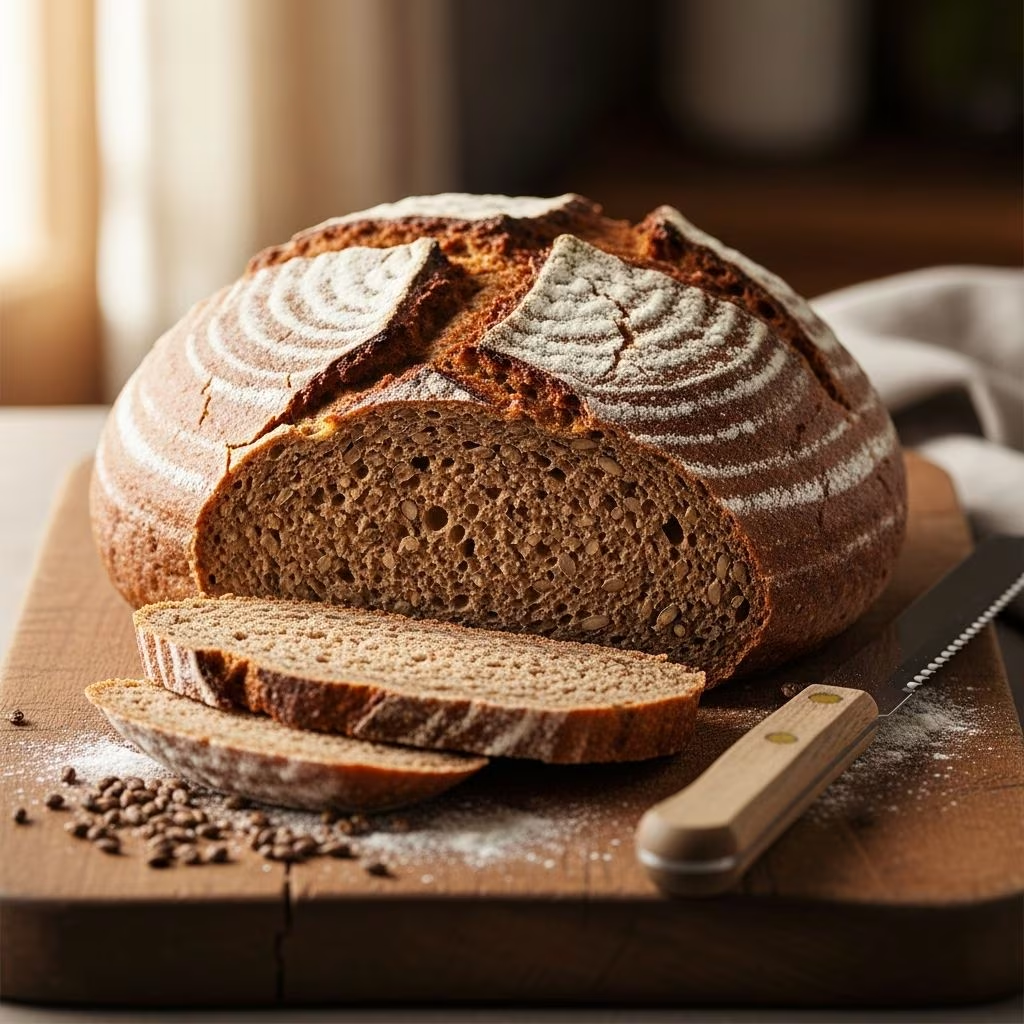
Dark, dense, and distinctly flavorful, pumpernickel bread stands out as a timeless favorite among bread enthusiasts. Its signature deep color comes from rye flour combined with cocoa powder, while molasses lends a subtle sweetness that balances the earthy notes. This bread is not just a side; it’s a versatile base for sandwiches, a companion to creamy butters, or even a standalone treat toasted with cheese. Baking it at home allows full control over ingredients, ensuring freshness and customization to your taste.
The Allure of Pumpernickel: History and Appeal
Pumpernickel originated in Germany, where traditional versions were slowly baked for extended periods to develop their robust flavor. Modern adaptations, like those using loaf pans, make it accessible for everyday bakers while preserving the essence. The bread’s chewiness stems from high rye content, which creates a tighter crumb structure compared to wheat-based loaves. Its popularity in steakhouses highlights its pairing with rich meats and spreads, evoking a sense of indulgence.
What draws people to pumpernickel is its nutritional profile too. Rye flour provides more fiber and protein than refined white flour, supporting digestive health and satiety. The addition of molasses introduces iron and antioxidants, making each slice more nourishing.
Essential Ingredients for Authentic Flavor
Creating pumpernickel requires a thoughtful blend of flours and flavor enhancers. Here’s a breakdown of key components:
- Rye Flour: The backbone, typically medium or dark rye for nuttiness and density. It absorbs more water, yielding a moist crumb.
- All-Purpose or Bread Flour: Balances the rye for structure and rise. About 50-60% of total flour keeps the loaf tender.
- Molasses: Imparts sweetness and color. Unsulfured varieties work best for clean flavor without bitterness.
- Cocoa Powder: Unsweetened, adds depth without chocolate taste. 1-2 tablespoons per loaf enhances the dark hue.
- Yeast and Salt: Instant yeast for quick activation; salt tempers the dough’s fermentation.
- Liquids: Warm water or coffee for hydration; oil or butter for softness.
For a standard two-loaf recipe, scale up proportionally. Optional add-ins like caraway seeds or coffee intensify authenticity.
Step-by-Step Baking Guide
Baking pumpernickel is straightforward, involving mixing, kneading, rising, and baking. Patience with rising times rewards you with optimal texture.
Prepare Your Workspace
Grease two 9×5-inch loaf pans with oil or butter. This prevents sticking and eases removal. Have a stand mixer with dough hook ready, or prepare a floured surface for hand-kneading.
Mix the Dough
- Combine dry ingredients: 2.5 cups all-purpose flour, 2 cups rye flour, 2 tbsp cocoa, 5 tsp instant yeast, 1 tbsp sugar, 1 tsp salt in a large bowl. Whisk thoroughly.
- Mix wet: 1.5 cups warm water (100-110°F), 0.5 cup molasses, 2 tbsp oil. Stir until molasses dissolves.
- Pour wet into dry, mixing until a shaggy dough forms. Avoid overmixing at this stage.
Knead for Development
Transfer to a floured surface or mixer. Knead 8-10 minutes by hand or 5-8 minutes on low speed until smooth and elastic. The dough will be sticky due to rye; resist adding excess flour. Form into a ball.
First Rise
Place in an oiled bowl, cover with a damp cloth or plastic. Let rise in a warm spot for 1 hour, or until doubled. Rye dough rises slower, so check after 45 minutes.
Shape and Second Rise
Punch down, divide into two. Shape into logs, place in pans. Cover and rise 30-45 minutes until puffy. Brush with egg wash or water for shine; sprinkle oats if desired.
Bake to Perfection
Preheat oven to 375°F. Bake 40-55 minutes until internal temp reaches 200°F and it sounds hollow when tapped. Cool fully on a rack before slicing—up to 2 hours—to set the crumb.
Ingredient Variations and Customizations
Adapt pumpernickel to dietary needs or preferences with these tweaks:
| Variation | Substitution | Effect |
|---|---|---|
| Vegan | Oil for butter; skip egg wash | Maintains moisture without dairy |
| No-Knead | Mix briefly, long rise (2+ hours) | Simpler process, similar texture |
| Gluten-Free | GF flour blend + xanthan gum | Less dense; experiment with ratios |
| Spiced | Add 1 tbsp caraway or fennel | Boosts aroma, traditional twist |
| Sweeter | Increase molasses to 2/3 cup | Steakhouse-style indulgence |
These changes keep the bread’s core identity while broadening appeal.
Troubleshooting Common Issues
Bread baking can falter; here’s how to fix it:
- Dense Loaf: Under-kneaded or insufficient rise. Knead longer next time; ensure warm proofing spot.
- Gummy Crumb: Too much moisture. Measure flour by weight; bake longer if needed.
- Pale Crust: Low oven temp. Use thermometer; tent with foil if over-browning.
- Yeast Failure: Dough doesn’t rise. Test yeast in warm water first; check expiration.
- Cracks: Normal from steam; score tops to control.
Track variables like humidity, which affects hydration in rye doughs.
Storage and Freezing Tips
Fresh pumpernickel lasts 3-5 days at room temp in a paper bag for crust preservation. Refrigerate wrapped for a week, though texture softens. For longer storage, slice and freeze in airtight bags up to 2 months. Thaw at room temp or toast directly. Avoid plastic bags long-term to prevent sogginess.
Delicious Serving Ideas
Elevate your loaf:
- Sandwiches: Pair with corned beef, Swiss, and mustard for reubens.
- Toast: Butter and sea salt, or cream cheese with smoked salmon.
- Accompaniments: Sharp cheddar, liverwurst, or hearty soups.
- Sweet Twist: Top with apple butter or peanut butter.
Its density holds up to wet fillings without sogginess.
Nutrition Breakdown
Per slice (1/12 loaf, approx.): 150-200 calories, 4g protein, 30g carbs, 3g fiber, 4g sugar. Rye boosts B-vitamins; molasses adds minerals. Whole grain versions enhance health benefits.
Frequently Asked Questions
Can I use bread flour instead of all-purpose?
Yes, it improves chew and rise due to higher protein.
Why is my bread so dark?
Cocoa and molasses naturally color it; reduce for lighter hue.
How do I make it without a mixer?
Hand-knead 10 minutes on floured board; persistence yields great results.
Is instant yeast interchangeable with active dry?
Yes, instant works without proofing; use same amount.
Can I add raisins or nuts?
Absolutely—fold in during shaping for textured versions.
Advanced Techniques for Pro Results
For superior crust, bake in a Dutch oven at 450°F initially, then reduce. Steam enhances oven spring. Experiment with coffee in place of water for umami depth. Track dough temp (75-80°F ideal) for consistency.
Scaling recipes: For one loaf, halve ingredients; adjust bake time down 5-10 minutes. High-altitude bakers, reduce yeast by 25% and increase liquid slightly.
References
- Steakhouse-Style Pumpernickel Bread — Bigger Bolder Baking. 2023. https://www.biggerbolderbaking.com/steakhouse-style-pumpernickel-bread/
- Classic Pumpernickel Bread Recipe — King Arthur Baking. 2024-01-15. https://www.kingarthurbaking.com/recipes/classic-pumpernickel-bread-recipe
- Pumpernickel Bread — I Am Baker. 2023-05-20. https://iambaker.net/pumpernickel-bread/
- Pumpernickel Bread — Jessica in the Kitchen. 2022-11-10. https://jessicainthekitchen.com/pumpernickel-bread/
- Easy Oil-Free Pumpernickel Bread — The Vegan 8. 2023. https://thevegan8.com/easy-oil-free-pumpernickel-bread/