Understanding This Iconic Filipino Dish
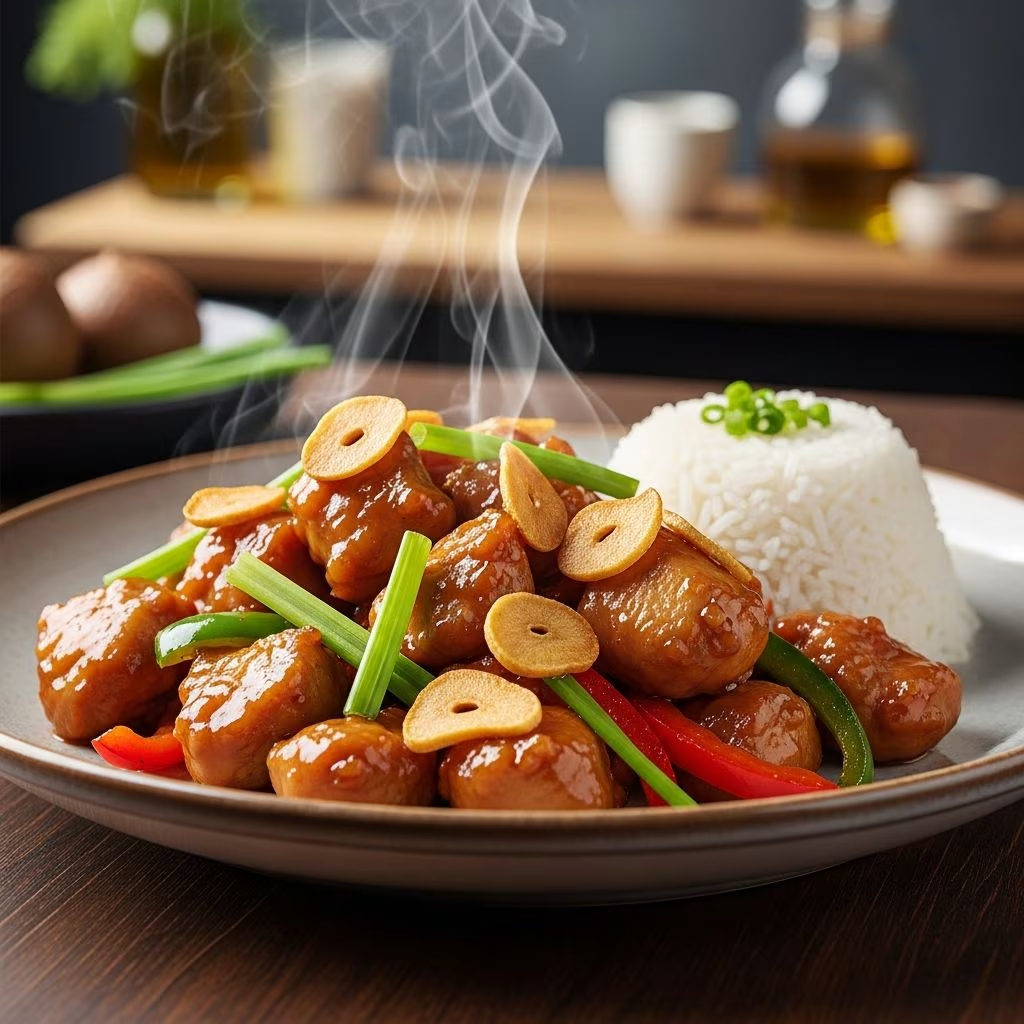
Chicken salpicao represents a beautiful convergence of Spanish and Filipino culinary traditions, creating a dish that has become a staple in Filipino kitchens and restaurants worldwide. This savory stir-fry showcases tender chicken pieces coated in a complex sauce that balances salty, umami-rich flavors with the aromatic punch of garlic. The dish exemplifies Filipino cooking at its finest—simple ingredients transformed into something truly memorable through proper technique and timing.
What makes chicken salpicao particularly appealing is its versatility and speed. Whether you’re preparing a quick weeknight dinner or hosting guests, this dish delivers restaurant-quality results in approximately 20 minutes. The beauty lies not in complicated procedures but in understanding how each component contributes to the final product.
The Foundation: Selecting Your Protein
The choice between chicken breast and chicken thigh significantly impacts your final dish. Chicken breast offers a leaner option that cooks quickly, making it ideal for busy weeknight preparations. However, chicken thigh provides superior moisture retention and develops deeper flavors during cooking. Many Filipino cooks prefer thigh fillets for their ability to remain tender even with slightly longer cooking times.
For this recipe, you’ll need approximately 500 grams of chicken, cut into bite-sized pieces. The uniformity of these pieces ensures even cooking throughout the dish. Avoid cutting the chicken too small, as pieces smaller than half an inch tend to dry out during the high-heat stir-frying process. Aim for approximately one-inch cubes for optimal texture and juiciness.
The Sauce: Building Complex Flavors
The soul of chicken salpicao resides in its multifaceted sauce, which combines several complementary ingredients to create depth and richness. This sauce serves as the binding element that transforms simple chicken into an extraordinary dish.
| Ingredient | Quantity | Purpose in Sauce |
|---|---|---|
| Soy Sauce | 3 tablespoons | Provides umami depth and saltiness |
| Worcestershire Sauce | 1-2 tablespoons | Adds complexity and tangy undertones |
| Oyster Sauce | 1 tablespoon | Enhances umami and contributes slight sweetness |
| Liquid Seasoning | 2 teaspoons | Rounds out flavors and increases overall depth |
| Brown Sugar | 1 tablespoon | Balances salty notes with subtle sweetness |
These ingredients, when combined, create a sauce that clings beautifully to the chicken and reduces into a glossy coating. The interplay between salty, umami-rich components and a touch of sweetness creates a balanced flavor profile that appeals to diverse palates.
The Star Ingredient: Garlic Preparation
Garlic stands as perhaps the most critical ingredient in authentic chicken salpicao, appearing in multiple forms throughout the cooking process. This ingredient transforms from a pungent raw element into layers of flavor complexity through various cooking methods.
Begin with a fresh garlic bulb, yielding approximately 8-10 cloves. Divide your garlic into two portions: one for marinating (3 cloves, minced finely) and one for cooking and garnish (6 cloves, chopped). This dual-stage approach allows you to develop both subtle background notes and prominent aromatic punch in your finished dish.
For the garnish portion, you’ll cook half of the garlic in oil or butter until deeply browned and crispy. This process, called “tempering,” transforms the garlic into small, crunchy bits that provide textural contrast and intense flavor bursts. Remove these carefully with a slotted spoon and reserve on a small plate. The remaining fresh chopped garlic goes into the pan during the stir-frying stage, softening slightly while maintaining its aromatic properties.
Marinating: Building Flavor From the Start
While not absolutely essential, marinating your chicken for 30 minutes to an hour significantly enhances the final result. Combine your chicken pieces with 3 tablespoons of liquid seasoning and the minced garlic in a bowl. This allows the chicken to absorb seasoning throughout, rather than just on the surface. The acidic components in the liquid seasoning begin a gentle tenderizing process, resulting in more succulent meat.
If time constraints prevent marinating, you can proceed directly to cooking. However, even a 15-minute marinade produces noticeable improvement in flavor development.
Step-by-Step Cooking Technique
Preparing Your Aromatics
Heat 1 tablespoon of oil in a large skillet or wok over medium-high heat. Once shimmering, add half of your chopped garlic (approximately 3 cloves) and cook until golden brown, stirring frequently to prevent burning. This stage typically requires 2-3 minutes. Remove the browned garlic and set aside on a paper towel to drain and crisp further. This reserved garlic becomes your finishing garnish.
Searing the Chicken
Increase the heat to medium-high and add your marinated chicken to the same pan. If the chicken seems dry, add 1 tablespoon of butter for enhanced flavor and texture. Stir frequently to ensure the chicken browns evenly on multiple sides. This searing process should take 5-7 minutes. Don’t rush this stage—proper browning develops complex flavors through the Maillard reaction, the chemical process that creates savory depth in cooked foods.
At this stage, the chicken need not be completely cooked through. You’re establishing a foundation of flavor and texture that will be built upon in the next steps.
Building the Sauce
Once your chicken has achieved light browning, reduce the heat to medium. Add your remaining minced garlic (3 cloves) and stir for approximately 30 seconds until fragrant. Immediately follow with your complete sauce ingredients: soy sauce, Worcestershire sauce, oyster sauce, liquid seasoning, and brown sugar. Stir vigorously to ensure every piece of chicken becomes coated with this flavorful mixture.
Final Cooking and Reduction
Continue cooking for 3-5 minutes, stirring occasionally, until the sauce reduces slightly and the chicken reaches full doneness. The sauce should thicken just enough to cling to the chicken rather than pool at the bottom of the pan. This reduction also concentrates the flavors, making them more pronounced in the finished dish.
Optional Additions and Variations
While traditional chicken salpicao remains straightforward, several additions enhance the dish without overshadowing its essential character. Sliced mushrooms, added midway through cooking, contribute earthiness and textural variety. Use about 100-150 grams of your preferred variety—button mushrooms, oyster mushrooms, or shiitake all work well.
Fresh green onions, sliced and added immediately before serving, provide brightness and a subtle onion flavor. Some regional variations incorporate a pinch of black pepper or even a touch of chili flakes for heat, though these remain optional depending on your preference.
Serving Suggestions and Pairings
Chicken salpicao traditionally pairs with steamed white rice, allowing the sauce to coat each grain and create a harmonious bite. However, this versatile dish accommodates various serving styles. Serve it as a standalone appetizer with toothpicks at gatherings—Filipinos often enjoy it as “pulutan,” a flavorful companion to beer or other beverages.
For a more complete meal, consider pairing with steamed vegetables such as broccoli or bok choy. Some creative cooks incorporate it into rice bowls with additional vegetables, or even use it as a filling for soft bread rolls.
Nutritional Profile and Dietary Considerations
A typical serving of chicken salpicao (approximately 1.5 cups) contains roughly 280-300 calories, with approximately 30 grams of protein, 15 grams of fat, and 6 grams of carbohydrates. The dish provides substantial protein for muscle maintenance and repair, along with B vitamins from the chicken.
For those monitoring sodium intake, note that this dish contains approximately 750 milligrams of sodium per serving, primarily from soy sauce and Worcestershire sauce. You can reduce sodium by using low-sodium versions of these condiments or decreasing quantities slightly, though this will moderately impact the dish’s signature umami depth.
Storage and Make-Ahead Tips
Chicken salpicao stores well in an airtight container for up to 3 days in the refrigerator. The flavors actually intensify slightly during storage as components continue marinating together. Reheat gently over medium heat with a splash of water if needed to restore sauce consistency. Avoid using high heat during reheating, which can toughen the chicken.
You can prepare the sauce components in advance and combine them just before cooking, or even marinate the chicken overnight. However, avoid cooking the complete dish more than a few hours ahead, as the chicken gradually becomes drier as it sits.
Frequently Asked Questions
Can I use chicken breast instead of thigh?
Yes, chicken breast works well for this recipe. It cooks faster and provides a leaner option, though it requires careful attention to avoid overcooking. Reduce cooking time by 1-2 minutes compared to thigh.
What if I don’t have Worcestershire sauce?
Liquid seasoning can substitute for Worcestershire sauce in a 1:1 ratio, though the flavor profile will shift slightly. Some cooks use fish sauce or additional soy sauce as alternatives.
How can I make this dish less salty?
Use low-sodium soy sauce, reduce the quantity of liquid seasoning, or balance the saltiness with a bit more brown sugar. Taste and adjust before serving.
Can this recipe be adapted for dietary restrictions?
For gluten-free versions, ensure your Worcestershire sauce and liquid seasoning are certified gluten-free. For lower-carbohydrate versions, simply reduce or eliminate the brown sugar, though this slightly alters the flavor balance.
What’s the best way to achieve crispy garlic?
Cook the garlic in oil or butter over medium heat, stirring frequently. Stop cooking just as the garlic turns golden—continuing too long produces bitter, burnt garlic. Drain immediately on paper towels.
Conclusion: Mastering This Timeless Dish
Chicken salpicao exemplifies how simple, accessible ingredients transform into something genuinely extraordinary through proper technique and understanding. This dish deserves its place in Filipino cuisine not through complicated procedures, but through balanced flavors, proper cooking timing, and respect for each ingredient’s role in the final product.
Whether you’re introducing yourself to Filipino cuisine or returning to a beloved family recipe, chicken salpicao welcomes all skill levels. Practice developing your garlic-tempering technique, master the sauce reduction, and you’ll create restaurant-quality results in your home kitchen within 20 minutes.
References
- Easy Chicken and Mushroom Salpicao — Riverten Kitchen. https://www.rivertenkitchen.com/chicken-mushroom-salpicao.html
- Chicken Salpicao — The Peach Kitchen. https://www.thepeachkitchen.com/2016/11/chicken-salpicao/
- Chicken Salpicao — Pepper.ph. https://pepper.ph/recipes/chicken-salpicao
- CHICKEN SALPICAO Recipe | Ulam Pinoy Recipe — JR Palo, YouTube. https://www.youtube.com/watch?v=IUPetNiIDEk