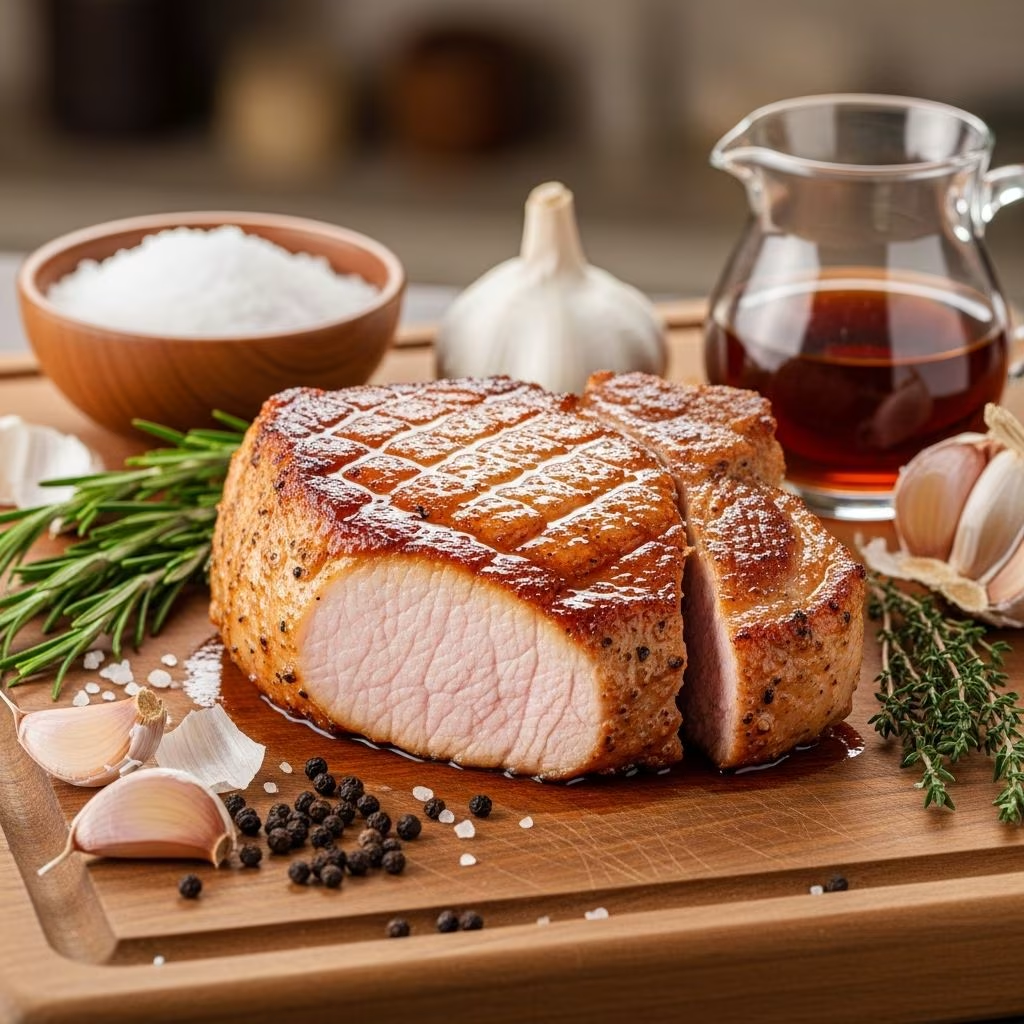
Pork has earned its place as a beloved protein in kitchens worldwide, yet achieving consistently moist and tender results can prove challenging. The solution lies in a time-honored culinary technique that transforms ordinary pork into an exceptionally flavorful and succulent dish. Brining—the practice of submerging meat in a saltwater solution—represents one of the most effective methods for enhancing moisture retention and deepening flavor profiles. This comprehensive guide explores everything you need to know about preparing, executing, and mastering the brining process for pork cuts of all sizes.
Understanding the Brining Process and Its Benefits
Brining operates on a fundamental principle of food science that has been refined over centuries. When pork submerges in a saltwater solution, the salt denatures muscle proteins, enabling them to retain moisture more effectively throughout the cooking process. This molecular transformation prevents the common problem of pork becoming dry and tough, which often occurs when proteins contract excessively during heat exposure.
Beyond moisture retention, brining infuses the meat with flavors that penetrate deep into the muscle tissue. Unlike surface marinades that only affect the outer layers, properly executed brining reaches the interior of the meat, ensuring consistent taste throughout every bite. Additionally, the osmotic action of salt creates an environment where seasonings and aromatic compounds dissolve and absorb more readily, resulting in a more complex and satisfying flavor profile.
The benefits extend to versatility as well. Whether you’re preparing thin-cut pork chops for a weeknight dinner or a substantial pork loin for weekend entertainment, brining provides a safety margin against overcooking. Even if you exceed your target cooking time by a minute or two, the brine’s protective moisture barrier helps maintain the meat’s juiciness and texture.
Essential Components of an Effective Brine Solution
Creating a proper brine requires understanding the role each ingredient plays in the final outcome. The foundation consists of three primary components, each serving a distinct purpose in the brining equation.
Water: The Base Foundation
Water serves as the solvent in which all other ingredients dissolve and combine. Using filtered water produces the cleanest-tasting brine, as tap water may contain minerals or chlorine that could impart unwanted flavors. For most applications, standard room-temperature water works effectively, though some recipes benefit from cooling the brine completely before adding meat.
Salt: The Critical Component
Salt represents the most crucial ingredient in any brine solution. The general guideline recommends using 4 tablespoons of kosher salt per quart of water, though ratios may vary slightly depending on your salt type and personal preference. Kosher salt, with its larger crystal size and lower density compared to table salt, allows for more precise measurement and consistent results. Some cooks prefer specialty salts such as Himalayan pink salt or sea salt, each contributing subtle flavor nuances.
The salt percentage affects both the preservation quality and the osmotic draw that pulls flavors into the meat. Too little salt fails to create the necessary chemical environment, while excessive salt can result in overly salty meat that masks other flavors. Finding the correct balance ensures optimal results.
Sugar: The Flavor Balancer
Brown sugar stands as the traditional choice for pork brining, providing a subtle sweetness that complements the meat’s natural flavors while balancing the saltiness of the solution. Brown sugar contains molasses, which adds depth and complexity beyond what white sugar offers. However, alternatives exist for those seeking different flavor profiles. Maple syrup, honey, or golden monk fruit can replace brown sugar, each introducing distinct characteristics to the final dish.
Building Flavor Through Strategic Ingredient Selection
While salt, sugar, and water form the brine’s foundation, additional ingredients transform a basic solution into a sophisticated flavoring agent. The beauty of brining lies in its customization potential—you can adjust these complementary elements based on your preferences and the final preparation method.
Aromatic Vegetables and Seasonings
Fresh garlic cloves, when crushed or smashed, release their pungent oils into the brine, infusing the pork with savory depth. Using 2-5 cloves depending on your preference level creates noticeable but not overwhelming garlic presence. Bay leaves contribute an earthy, slightly floral note that pairs beautifully with pork. Fresh herb sprigs such as thyme or rosemary introduce woodsy, Mediterranean-inspired flavors. These aromatic elements should be added after the salt and sugar have fully dissolved in the liquid.
Spice Considerations
Black peppercorns add gentle heat and complexity without overpowering the meat. Juniper berries, traditionally used in European brines, provide a subtle pine-like flavor that enhances the pork’s natural taste. Red pepper flakes introduce a warming spiciness that some recipes call for. Ground spices like smoked paprika, onion powder, and garlic powder offer different intensity levels and flavor dimensions.
Liquid Flavor Enhancements
Cider vinegar, used at ¼ cup per batch, adds acidic brightness that cuts through richness and enhances savory notes. Apple juice introduces natural sweetness and mild fruitiness, though experts recommend limiting it to 4 cups maximum in an 8-cup brine to prevent excessive sweetness that might mask savory elements. Wine, beer, or additional fruit juices can replace 3-4 tablespoons of water for unique flavor profiles.
Preparation Methods and Temperature Management
The method you choose for preparing your brine affects both the speed of the process and the final results.
Cold Brine Method
The simplest approach involves combining all ingredients in a large bowl or container with cold water. Stir the mixture until the salt and sugar completely dissolve, which typically requires 30 seconds to one minute of vigorous stirring. This method works perfectly for brines that will be used immediately, and the brine can be made 1-2 days in advance and refrigerated until needed.
Hot Brine Method
For faster preparation, heat 2 cups of water until hot (either stovetop or microwave), then dissolve the salt and sugar in this hot liquid. Once fully dissolved, add 4 cups of cold water to cool the solution rapidly. This method accelerates the brining process while ensuring complete ingredient dissolution. Allow the brine to cool to room temperature before adding pork, or refrigerate until completely cool—approximately one hour.
Determining Proper Brining Duration
Brining time varies depending on the cut and thickness of pork you’re preparing. Understanding these timing guidelines prevents over-brining, which can result in excessively salty meat, or under-brining, which fails to deliver the maximum benefits.
| Pork Cut | Minimum Time | Maximum Time | Notes |
|---|---|---|---|
| Thin Pork Chops (½ inch) | 30 minutes | 1 hour | Thinner cuts require shorter brining periods |
| Standard Pork Chops (¾-1 inch) | 1 hour | 6 hours | Bone-in varieties benefit from longer times |
| Thick Pork Chops (1.5+ inches) | 2-3 hours | Overnight | Allows flavor penetration throughout thickness |
| Pork Tenderloin | 2-3 hours | Overnight | Uniform thickness allows even brining |
| Pork Shoulder/Butt | 4-6 hours | Overnight | Larger cuts benefit from extended brining |
As a general principle, longer brining times deepen flavor development and increase moisture retention, but there exists a point of diminishing returns. Most pork cuts reach optimal results within 6-12 hours of brining. Overnight brining provides convenient timing for meal preparation while allowing flavors to fully develop.
Proper Storage and Container Selection
The container you choose for brining impacts both safety and effectiveness. Food-grade materials are essential—avoid reactive metals like aluminum that may interact with acidic ingredients. Recommended container options include:
- Gallon-sized zip-top bags for space-efficient storage and even brine contact
- Glass or stainless steel bowls with tight-fitting lids for larger quantities
- Dutch ovens or large pots suitable for refrigerator storage
- Specialized brining buckets for smoking applications
Regardless of container type, ensure the pork remains fully submerged in the brine solution throughout the entire brining period. Portions exposed to air may develop bacterial growth or oxidation that affects both safety and quality.
Post-Brining Preparation and Cooking Considerations
Proper handling after brining significantly influences the final cooked results.
Rinsing and Drying
Remove the pork from the brine and rinse thoroughly under cool running water, using your hands or a brush to remove any residual salt or herb particles. Pat the meat completely dry using paper towels—this critical step enables better browning and creates appealing color when cooking. Moisture on the surface prevents proper caramelization and can result in steaming rather than searing.
Seasoning Strategy
Since brined pork already contains salt from the solution, apply additional salt sparingly. Fresh cracked black pepper enhances the crust without overwhelming the delicate flavors developed during brining. Consider the final cooking method when selecting additional seasonings—grilling benefits from slightly more aggressive seasoning, while roasting or pan-searing may require lighter touches.
Cooking Temperature Guidelines
Brined pork maintains its moisture even when cooked slightly past the traditional doneness target. Current food safety standards recommend cooking pork to an internal temperature of 145°F (63°C), with a 3-minute rest period afterward. The brine’s protective moisture barrier provides insurance against drying out, allowing for forgiving cooking windows that reduce anxiety about overcooking.
Troubleshooting Common Brining Challenges
Even experienced cooks occasionally encounter brining issues. Understanding solutions to common problems ensures consistent success.
Excessively Salty Results
If your brined pork tastes overly salty, you likely either used too much salt in the brine solution or brined for an extended period beyond recommendations. Reduce salt quantities in future batches to 3 tablespoons per quart of water, or reduce brining time by 50 percent. Additionally, verify you’re using kosher salt rather than table salt—table salt is denser and more concentrated, so equivalent volumes produce saltier results.
Insufficient Flavor Development
If the pork lacks expected flavor intensity, extend future brining times toward the maximum recommendations for your cut. Ensure you’re using flavorful components like fresh herbs and garlic rather than only salt and sugar. Consider incorporating acidic elements like vinegar or citrus, which enhance flavor perception and penetration.
Mushy Texture
Extended brining beyond 12-24 hours can result in overly soft, mushy texture as the salt continues breaking down muscle fibers. Adhere to recommended maximum times, or reduce salt concentration if you prefer overnight brining for convenience.
Frequently Asked Questions About Pork Brining
Can I reuse brine for multiple batches of pork?
No, discard used brine after each use. Once raw meat has been in contact with the brine solution, it may contain bacteria or pathogens that could compromise food safety if reused.
Does brining work for previously frozen pork?
Yes, but ensure the pork is completely thawed before brining. Partially frozen meat won’t absorb the brine solution evenly, resulting in inconsistent seasoning and moisture retention.
What’s the difference between brining and marinating?
Brining uses salt to denature proteins and enhance moisture retention, while marinating relies on acids and oils to tenderize and flavor the surface. Brining penetrates deep into muscle tissue, while marinades primarily affect outer layers.
Can I brine other meats using the same solution?
Absolutely. Pork brine solutions work wonderfully for chicken, turkey, and even duck. Adjust brining times based on the meat’s size and thickness.
Advanced Brining Techniques for Smoking
For those preparing pork for smoking, specialized brine solutions enhance the final product. Combine 3½ cups water, 1 cup apple juice, ¼ cup kosher salt, ¼ cup maple syrup, 2 tablespoons brown sugar, 1 tablespoon crushed red pepper, 1 tablespoon garlic powder, and 1 tablespoon onion powder. This robust formula provides flavors that complement smoke without becoming overwhelmed by it.
References
- Salt in Cooking: Measurement and Culinary Applications — The Culinary Institute of America. 2023. https://www.ciachef.edu
- Williams Sonoma Basic Pork Brine Recipe — Williams Sonoma, Inc. 2024. https://www.williams-sonoma.com/recipe/basic-pork-brine.html
- How to Brine Pork: Complete Guide with Salt Chart — A Food Centric Life. 2024. https://afoodcentriclife.com/pork-brine/
- Simple Pork Chop Brine Recipe — Two Kooks In The Kitchen. 2024. https://twokooksinthekitchen.com/simple-brine-recipe-for-pork-chops/
- Pork and Poultry Brine for Smoking Meat — The Mountain Kitchen. 2024. https://www.themountainkitchen.com/pork-and-poultry-brine/
- Juicy Brined Pork Chops with Garlic and Sage — Well Seasoned Studio. 2024. https://www.wellseasonedstudio.com/brined-pork-chops/
- USDA Food Safety Guidelines for Pork — U.S. Department of Agriculture Food Safety and Inspection Service. 2024. https://www.fsis.usda.gov/food-safety/safe-food-handling-and-preparation/pork