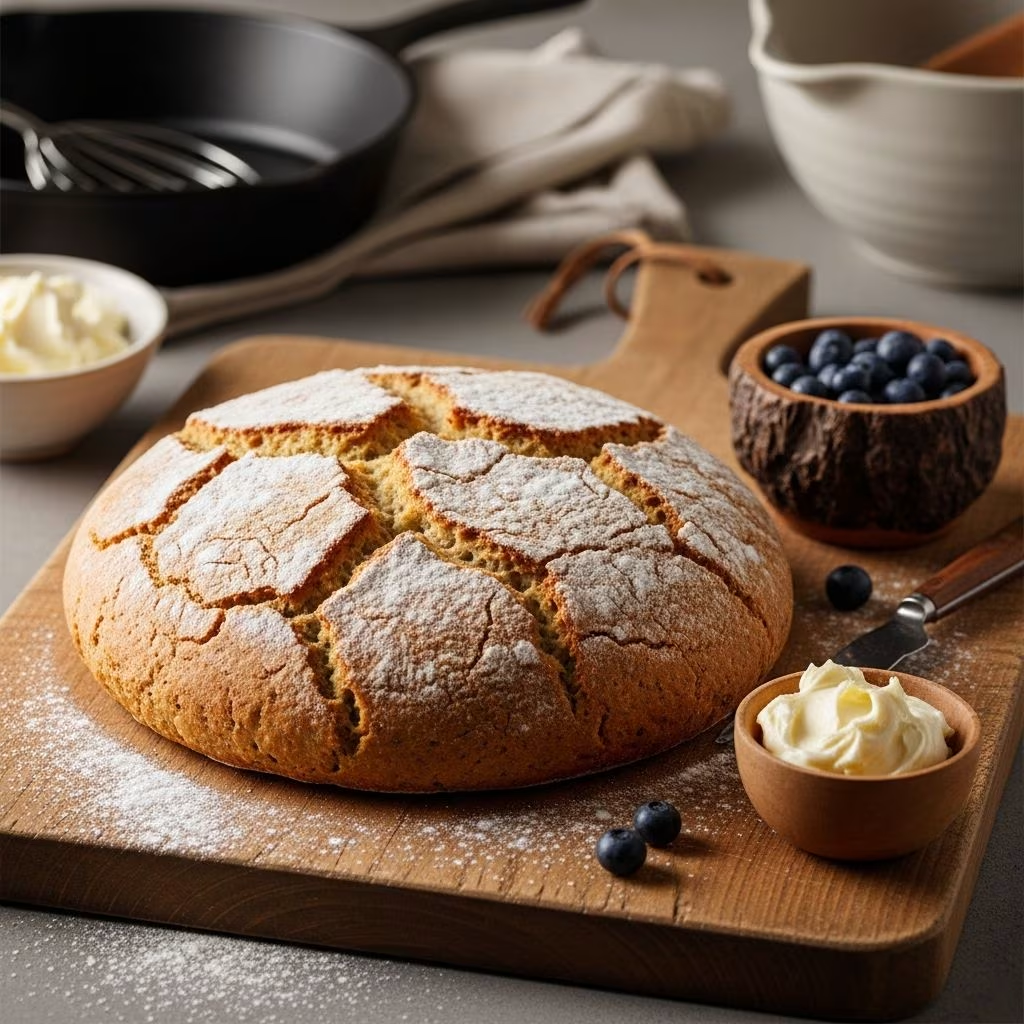
Bannock bread stands as a timeless culinary icon, cherished for its simplicity and adaptability across cultures. This unleavened flatbread, made without yeast, relies on baking powder for a quick rise, making it ideal for home kitchens, campfires, or hasty meals. Originating from Scottish traditions and embraced by Indigenous communities in North America, bannock has evolved into a versatile dish that pairs with soups, stews, or sweet toppings.
The Rich Heritage of Bannock
Bannock traces its roots to Scotland, where it was a rustic oat-based bread cooked on griddles. Scottish explorers and fur traders introduced it to North America in the 18th and 19th centuries. Indigenous peoples, particularly the Métis, adopted and adapted it, incorporating local ingredients like lard or rendering fats for frying. Over time, versions emerged with added sugar, milk, or cheese, transforming it from survival food to comfort staple.
In Canada and the northern U.S., bannock became integral to First Nations cuisine. Chefs like Andrew George Jr. have modernized it while honoring traditions. Today, it’s a symbol of resilience, often fried over open flames during camping or cultural gatherings. Scottish variants remain oat-heavy, emphasizing regional oats for texture.
Essential Ingredients for Authentic Bannock
The beauty of bannock lies in its pantry-friendly components. Core elements include flour, baking powder, salt, a fat like oil or butter, and liquid such as water or milk. Proportions vary by style: traditional recipes use 3-4 cups flour with 2 tablespoons baking powder for lift.
- Flour: All-purpose works universally; some grind oats for a nutty Scottish twist.
- Leavening: Baking powder (1-4 tsp per cup flour) ensures fluffiness without fermentation.
- Fat: Oil, lard, or melted butter (1/4 to 1/2 cup) adds tenderness.
- Liquid: Warm water, milk, or buttermilk (1-2.5 cups) hydrates the dough; soda water adds extra rise.
- Seasonings: Salt (1 tsp), optional sugar for sweetness.
High-quality canola oil or lard yields crisp exteriors. For authenticity, use unbleached flour to mimic historical recipes.
Step-by-Step: Classic Fried Bannock Recipe
This foundational recipe serves 6-8 and takes under 30 minutes. It draws from time-tested methods for a golden, fluffy result.
- Combine 4 cups all-purpose flour, 2 tbsp baking powder, and 1 tsp salt in a bowl.
- Create a well; add 1/2 cup oil and 2.5 cups warm milk or water. Stir until a shaggy dough forms.
- Turn onto a floured surface; knead 5 minutes into a smooth ball, adding flour as needed.
- Divide into portions or shape into a 1-inch thick round. Heat oil in a skillet over medium.
- Fry 5-7 minutes per side until puffed and browned. Drain on paper towels.
Yield: 12 pieces. Pro tip: Poke steam holes with a fork before frying to prevent puffing unevenly.
Baked Bannock Variations for Every Palate
Not all bannock requires a skillet. Baking at 375°F (190°C) for 25-30 minutes offers a hands-off approach. Preheat your oven and bake on a greased sheet for even cooking.
Sweet Lemon Bannock
A delightful twist with citrus notes, perfect for breakfast.
- 2 cups flour, 2 tbsp sugar, 1 tbsp baking powder, 1/2 tsp salt, 1/2 tsp nutmeg, 1 tsp lemon zest.
- 1 cup milk, 1 tsp vanilla, lard for frying.
Mix dry ingredients, stir in wets, fry as usual. Dust with powdered sugar.
Cheesy Savory Bannock
Ideal for soups; sharp cheddar melts into every bite.
- 4 cups flour, 4 tsp baking powder, 1 tsp salt, 1.5 cups water, 1 cup grated cheddar, 1 tbsp melted butter.
Fold cheese into dough; bake or fry for gooey centers.
Oat-Based Scottish Bannock
Grind 2 cups rolled oats into flour, mix with 1 cup all-purpose flour, 1 tsp baking soda, 3/4 tsp salt, and 3/4 cup buttermilk. Form an 8-inch disc; skillet-cook 25 minutes.
Campfire Cooking: Bannock on the Go
Bannock shines in outdoor settings. Wrap dough around a stick for “stick bread” or fry in a camp Dutch oven. Use 3 cups flour, 1 tsp salt, 2 tbsp baking powder, 1/4 cup melted butter, 1.5 cups water. Form balls; cook over coals 10-15 minutes, turning often.
Pack dry mixes in ziplocks for easy prep. Add dried fruits or herbs for flavor without refrigeration.
Storage, Freezing, and Reheating Tips
Fresh bannock lasts 2 days at room temp in an airtight container. Refrigerate up to 5 days or freeze baked pieces for 3 months. Reheat in a 350°F oven or skillet to restore crispness. Avoid microwaving to prevent sogginess.
| Method | Duration | Best For |
|---|---|---|
| Room Temp | 2 days | Immediate eating |
| Refrigerate | 5 days | Short-term |
| Freeze | 3 months | Long storage |
Creative Serving Suggestions
Bannock’s neutral base invites innovation. Savory: Top with butter and salt, or make tacos with fillings. Sweet: Spread jam, honey, or cinnamon butter. Pair with eggs, chili, or as French toast.
- Dip in hearty soups or stews.
- Stuff with cheese and herbs for appetizers.
- Grill slices for paninis.
Frequently Asked Questions (FAQs)
What is the difference between bannock and frybread?
Bannock is typically a quick bread with baking powder, often baked or skillet-fried. Frybread is a Native American variant, usually deep-fried and sweeter.
Can I make bannock without milk?
Yes, water or soda water works fine; it yields a slightly denser texture.
Why is my bannock tough?
Over-kneading develops gluten. Knead gently 5-10 times max.
Is bannock gluten-free?
Traditional no, but substitute gluten-free flour and add xanthan gum for binding.
How do I achieve a crispy exterior?
Use hot oil and don’t overcrowd the pan.
Nutritional Profile and Customizations
A 100g serving offers ~250 calories, mostly from carbs and fats. Boost nutrition with whole wheat flour, oats, or seeds. Veganize by using plant milk and oil. Diabetics can reduce sugar and use almond flour alternatives.
Experiment boldly: Add thyme, dried cranberries, or garlic for unique flavors.
Mastering bannock connects you to centuries of tradition while fueling modern adventures. Its ease and customizability ensure it remains a kitchen favorite.
References
- Jodi’s Best Bannock — Canadian Food Focus. 2023. https://canadianfoodfocus.org/recipes/jodis-best-bannock/
- Rustic Scottish Bannock Recipe — Gemma’s Bigger Bolder Baking. 2022-10-15. https://www.biggerbolderbaking.com/scottish-bannock-recipe/
- Bannock Recipes For Your Next Camping Adventure — Northern Ontario Travel. 2023. https://northernontario.travel/sunset-country/bannock-recipes-your-next-camping-adventure
- Easy Bannock Bread Recipe — An Italian in my Kitchen. 2024-01-20. https://anitalianinmykitchen.com/bannock/
- Bannock – First Nations Style — Eat Drink Breathe. 2021. https://www.eatdrinkbreathe.com/bannock-first-nations-style/