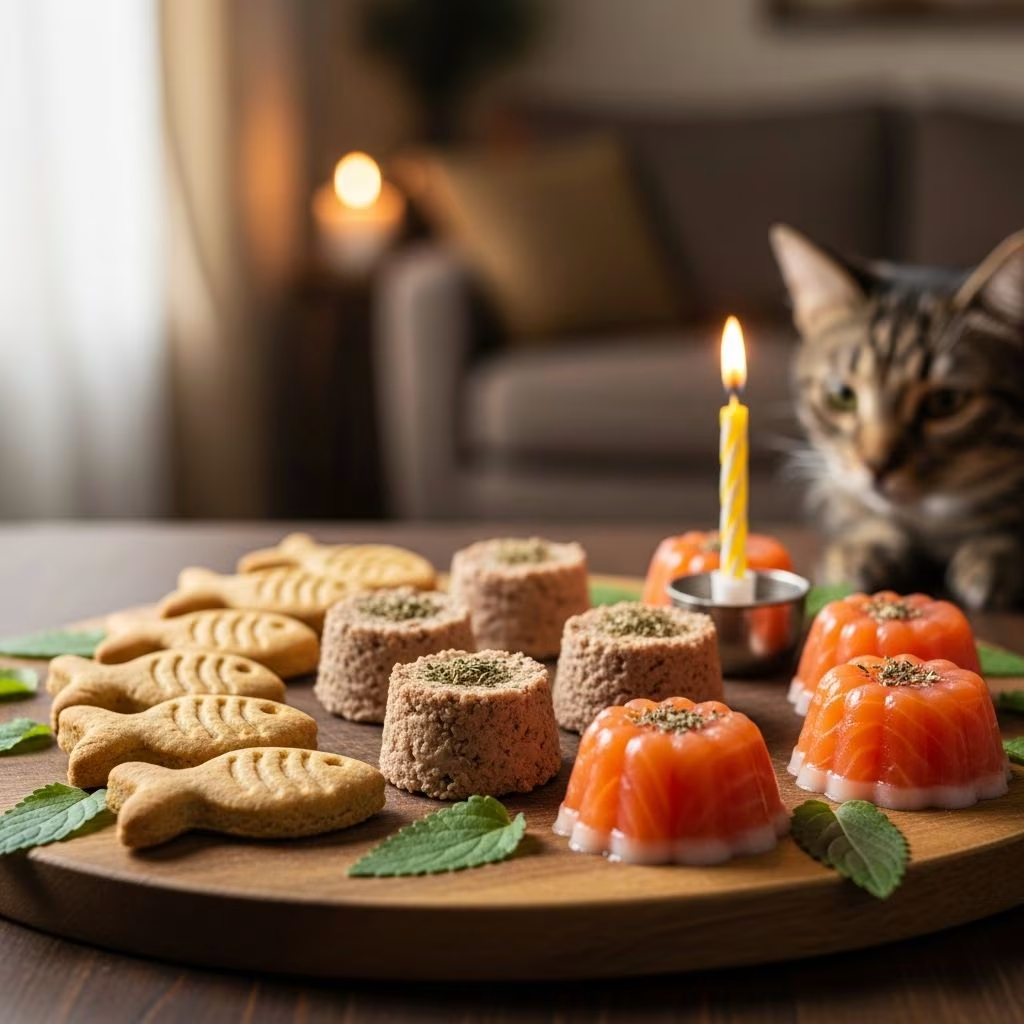
Cats deserve special celebrations on their birthdays or adoption anniversaries, and a custom-made treat can make the day memorable. These recipes prioritize feline nutrition, avoiding toxic ingredients like chocolate, onions, or excessive sugars. Drawing from safe pet cooking principles, we’ll explore multiple no-bake and baked options using common, cat-approved components such as fish, poultry, and pumpkin.
Why Bake for Your Cat?
Homemade treats allow control over ingredients, ensuring they align with your cat’s dietary needs. Cats are obligate carnivores, thriving on high-protein foods with minimal carbs. These cakes incorporate meat bases for appeal while adding binders like flour or egg for structure. Benefits include bonding time, portion control to prevent obesity, and novelty that stimulates picky eaters.
Essential Ingredients for Cat-Safe Cakes
Select ingredients free from common allergens and toxins. Focus on proteins cats love:
- Proteins: Canned tuna in water (no salt), chicken, turkey, or pate-style wet cat food.
- Veggies: Pureed pumpkin, sweet potato, or carrot for fiber and vitamins without overwhelming the meat flavor.
- Binders: Small amounts of rice flour, all-purpose flour, or egg to hold shape.
- Frostings: Plain mashed potato, pumpkin puree, or strained meat baby food.
- Toppers: Catnip, crumbled treats, dried shrimp, or edible pet sprinkles.
Avoid dairy (many cats are lactose intolerant), grapes, xylitol, and spices. Always introduce new foods gradually.
Recipe 1: No-Bake Tuna Delight Cake
This quick, fridge-set cake mimics a classic patty but stacks into layers for cake-like presentation. Ideal for beginners.
Ingredients (Serves 1 small cake):
| Ingredient | Quantity |
|---|---|
| Tuna in spring water, drained | 1/2 can (about 4 oz) |
| Sweet potato puree (cooked and mashed) | 1/2 cup |
| Rice flour | 1-2 tsp (as needed for thickness) |
| Plain mashed potato (for frosting) | 1/3 cup |
| Catnip or crumbled treats | For topping |
Steps:
- Mash cooked sweet potato until smooth and lump-free. Cool completely.
- Flake drained tuna into a bowl, mix with sweet potato. Add rice flour gradually if too wet.
- Line a small round mold or cookie cutter (2-3 inches) with parchment on a plate. Pack mixture firmly, creating 2 thin layers. Chill 10-15 minutes to set.
- Prepare frosting by mashing potato with a splash of water for pipeable consistency.
- Stack layers, frost sides and top. Sprinkle catnip or treats. Refrigerate until serving.
Prep time: 20 minutes. Chill: 15 minutes. This yields a moist, fishy treat cats adore.
Recipe 2: Baked Chicken Meat Loaf Cake
A hearty, oven-baked option with a fluffy texture from egg whites. Perfect for multi-cat households.
Ingredients (Makes 4-6 mini cakes):
| Ingredient | Quantity |
|---|---|
| Cooked chicken or turkey, finely chopped | 1/2 cup |
| All-purpose flour | 1 cup |
| Grated carrot | 4 tbsp |
| Eggs (1 whole, 1 white whipped) | 2 |
| Baking soda | 1 tsp |
| Pumpkin puree (frosting) | 2 tbsp |
Steps:
- Preheat oven to 350°F. Grease mini muffin tins or a small loaf pan.
- Combine eggs, meat, carrot in a bowl. Whip egg white to soft peaks for lightness.
- Fold in flour and baking soda. Gently incorporate whipped white.
- Pour into molds. Bake 25-30 minutes until toothpick-clean.
- Cool fully. Frost with pumpkin. Decorate with pet-safe shrimp bits.
Layer two minis for a tiered cake effect. Stores in fridge up to 3 days.
Recipe 3: Pate Frosted Protein Stack
Using wet cat food as base for ultimate familiarity, topped with potato icing.
Ingredients:
- 5.5 oz can pate cat food
- 1/3 cup crushed dry cat treats
- 1/3 cup plain instant mashed potatoes
- Catnip for garnish
Steps:
- Grind treats to powder. Mix with drained pate.
- Press into greased ramekins. Chill 30-40 minutes.
- Prepare plain mashed potatoes. Unmold cake layers, frost generously.
- Roll edges in catnip. Add edible flower petals if desired.
Customizable: Blend in baby food meat for variety.
Safety Guidelines for Feline Treats
Portion control is crucial—treats should not exceed 10% of daily calories. For a 10-lb cat, limit to 1-2 oz per serving. Monitor for allergies: Watch for vomiting, diarrhea, or lethargy post-treat. Consult vets for cats with conditions like diabetes or kidney issues. Use human-grade ingredients, but skip seasonings.
- Baking Tips: Test doneness to avoid undercooking. Cool completely to prevent burns.
- Storage: Refrigerate up to 3 days; freeze portions for 1 month.
- Age Considerations: Kittens under 1 year: Softer textures. Seniors: Easier-to-chew no-bakes.
Creative Decoration Ideas
Make it festive without hazards:
- Catnip dust as ‘sprinkles’.
- Tiny dried fish or meat bits.
- Pet-safe ‘candles’ from unlit pasta strands.
- Layer with colorful purees (beet-free, use carrot).
Photograph the reaction—cats’ curiosity peaks interest!
Nutritional Breakdown
These recipes provide protein (60-70%), moderate fat, and fiber. Example per serving (Recipe 1): ~150 calories, 20g protein, low carb. Balances indulgence with health.
Frequently Asked Questions
Can dogs eat these cakes?
Yes, most are dog-safe in small amounts, but check for fish allergies.
What if my cat ignores the cake?
Warm slightly to enhance aroma or top with their favorite wet food.
Are eggs safe for cats?
Cooked eggs are fine; raw risk salmonella.
How often can I give treats?
Occasionally—weekly max for birthdays or milestones.
Gluten-free options?
Swap flour for oat or rice flour.
Variations for Picky Eaters
- Beef baby food base.
- Sardine frosting.
- Veggie-free meat-only patties.
Experiment safely, observing preferences.
References
- Pet Nutrition Guidelines for Cats — Association of American Feed Control Officials (AAFCO). 2024. https://www.aafco.org/
- Feline Dietary Requirements — Cornell University College of Veterinary Medicine. 2023-10-15. https://www.vet.cornell.edu/departments-centers-and-institutes/cornell-feline-health-center/health-information/feline-health-topics/feline-nutrition
- Safe Treats for Cats — American Veterinary Medical Association (AVMA). 2025-02-20. https://www.avma.org/resources-tools/pet-owners/petcare/nutrition-your-pet
- Homemade Pet Food Safety — FDA Center for Veterinary Medicine. 2024. https://www.fda.gov/animal-veterinary/animal-health-literacy/get-facts-homemade-pet-food
- Catnip and Feline Behavior — Journal of Veterinary Behavior (Peer-reviewed). 2023. DOI: 10.1016/j.jveb.2023.01.002