Understanding the Appeal of Potato Cheese Soup
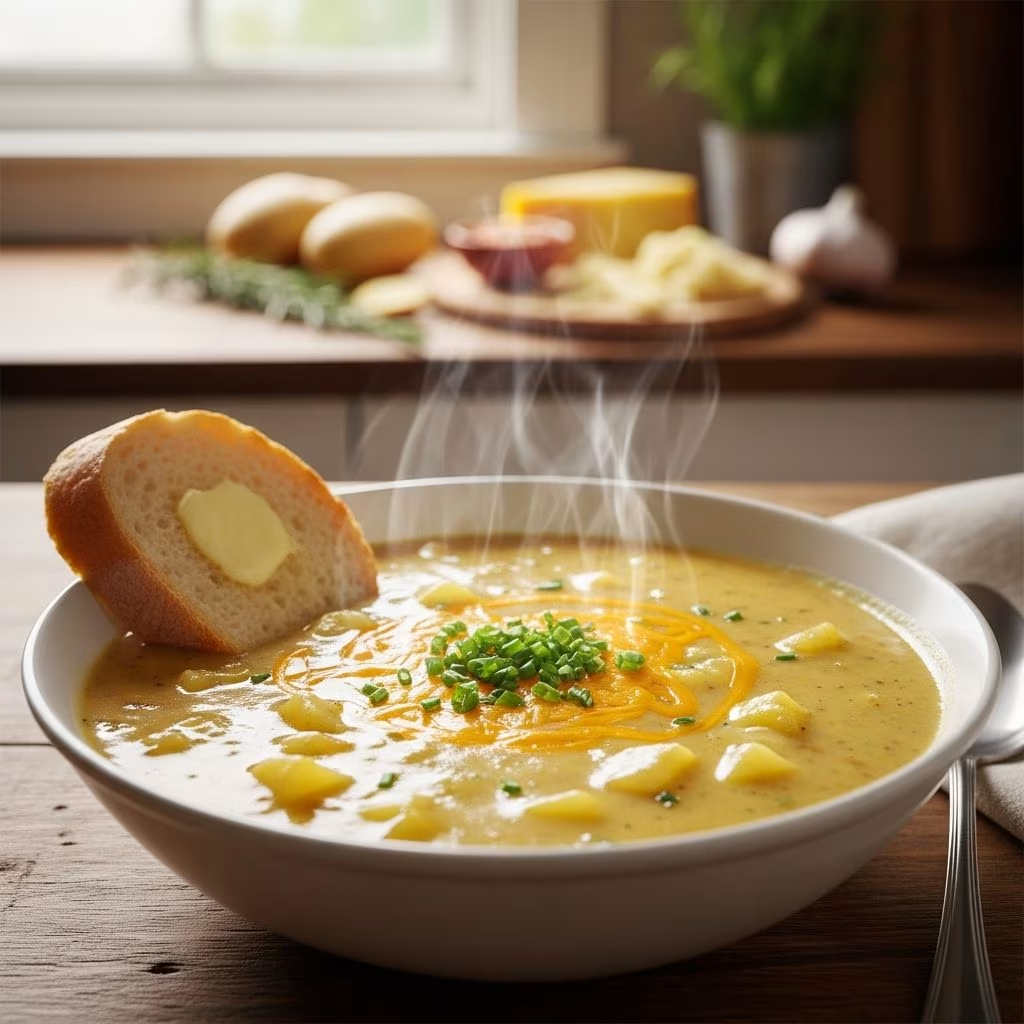
Potato cheese soup represents one of the most beloved comfort foods across culinary traditions worldwide. This warming dish combines the earthy richness of potatoes with the sharp, tangy notes of aged cheddar cheese, creating a harmonious blend that appeals to diverse palates. The appeal lies not only in its delicious flavor profile but also in its accessibility—most households have the necessary ingredients readily available in their kitchens.
The beauty of this soup lies in its versatility and straightforward preparation. Whether served as a lunch centerpiece, an elegant first course, or a hearty side dish alongside a sandwich, potato cheese soup adapts seamlessly to various dining occasions. The creamy base provides a soothing texture that contrasts beautifully with crunchy garnishes, making each spoonful an exercise in textural harmony.
Essential Ingredients and Their Roles
Creating an exceptional potato cheese soup begins with understanding how each ingredient contributes to the final dish. The foundation relies on several key components working in concert.
Foundation Vegetables
Potatoes serve as the primary structural ingredient, lending body and substance to the soup. Yukon Gold potatoes work exceptionally well due to their naturally buttery flavor and creamy texture when cooked. The starch content in potatoes acts as a natural thickening agent, allowing the soup to achieve its characteristic velvety consistency without requiring excessive cream or thickening agents. Onions contribute a subtle sweetness and aromatic depth, particularly when using Vidalia varieties known for their mild, candy-like qualities. Garlic adds complexity and warmth to the overall flavor profile.
Liquid Components
Chicken broth forms the aromatic base upon which the entire soup is constructed. This ingredient provides savory depth and helps extract flavors from the vegetables during the simmering process. Milk and heavy cream work together to create the soup’s signature creamy texture without overwhelming the potato flavor. The combination of both dairy components creates a balanced mouthfeel—milk provides liquid volume while heavy cream contributes richness and luxurious consistency.
The Star Ingredient: Cheddar Cheese
Cheddar cheese, particularly extra sharp varieties, transforms a simple potato broth into something extraordinary. The aging process in cheddar cheese develops complex flavors that bring depth and sophistication to the finished soup. Adding the cheese at the end of the cooking process ensures it melts evenly and maintains its flavor integrity without developing an unpleasant stringy texture.
Step-by-Step Preparation Techniques
Understanding the sequential process of soup preparation ensures success and optimal flavor development.
Initial Aromatic Development
Begin by melting butter in a large saucepan over medium heat. Once the butter reaches a foamy stage, add chopped onions and allow them to soften through gentle sautéing for approximately three minutes. This process breaks down the onion’s cell walls, releasing their natural sugars and creating a sweet, fragrant base. Following the onion’s softening, add minced garlic and continue cooking for about two minutes. This brief cooking period develops the garlic’s subtle sweetness while eliminating any harsh raw flavors.
Building the Broth
Add peeled and diced potatoes along with chicken broth to the aromatic base, then bring the mixture to a rolling boil. Once boiling begins, reduce the heat to a gentle simmer and allow the potatoes to cook until they become tender enough to pierce easily with a fork—typically requiring twelve to fourteen minutes. During this phase, the potatoes release their starch into the broth, beginning the natural thickening process.
Achieving the Ideal Consistency
Transfer approximately one cup of the cooked potato mixture to a blender or food processor and puree until completely smooth. This blended portion acts as a thickening agent when returned to the saucepan, creating a creamy texture throughout the soup while maintaining some whole potato pieces for visual interest and textural contrast. Some cooks prefer using an immersion blender directly in the pot, pulsing gently several times rather than pureeing extensively, which allows greater control over the final consistency.
Final Assembly
Return the pureed mixture to the saucepan and stir in the milk, heating gently over medium heat until the soup reaches a steaming stage without boiling. Boiling can cause the milk to scald and develop an unpleasant flavor. Season generously with salt and pepper to taste, adjusting quantities based on personal preference and the saltiness of the broth used.
Incorporating the Cheese
Add shredded cheddar cheese gradually to the hot soup, stirring continuously until the cheese melts completely and distributes evenly throughout. Adding the cheese in stages rather than all at once ensures even melting and prevents the formation of clumps. Reserve a portion of cheese for garnishing individual bowls, which adds visual appeal and concentrated cheese flavor to each serving.
Garnishing and Presentation Options
The finishing touches transform a simple soup into a restaurant-quality presentation. Consider these garnishing approaches:
- Crumbled bacon adds textural contrast and smoky depth that complements the cheddar’s sharpness
- Fresh chives provide a mild onion flavor and vibrant color contrast
- Shredded cheese intensifies the cheese flavor and creates an elegant presentation
- Toasted bread cubes add crunch and absorb the soup’s delicious broth
- Sour cream dollops introduce tang and cooling contrast to the warm soup
- Fresh herbs like dill or parsley brighten the overall flavor profile
Timing and Efficiency
This soup comes together remarkably quickly, typically requiring only thirty to thirty-five minutes from ingredient preparation to serving. This makes it an ideal choice for weeknight dinners when time constraints limit cooking options. The relatively brief cooking time also preserves the vibrant color and fresh flavor of the ingredients, preventing the flat taste that can develop in long-simmered soups.
Ingredient Selection and Quality Considerations
Potato Varieties
Different potato varieties yield different results. Yukon Gold potatoes produce a naturally creamy consistency with buttery undertones. Russet potatoes offer a more neutral base that requires slightly more liquid to achieve the desired consistency. Red potatoes contain less starch and maintain their shape better during cooking, making them suitable for soups where texture variation is desired.
Cheese Selection
The quality and type of cheese significantly impact the finished soup. Extra sharp cheddar provides bold, complex flavors, while mild cheddar creates a more subtle cheese presence. White cheddar offers a slightly tangier profile compared to yellow varieties. For those interested in flavor experimentation, blending cheddar with other cheeses like gruyere or smoked cheddar can produce interesting variations.
Broth Considerations
Homemade chicken broth typically produces superior results compared to store-bought versions, offering cleaner flavors and the ability to control sodium levels. However, quality commercial broths work well when homemade broth is unavailable. Vegetable broth provides a plant-based alternative, though it produces slightly different flavor characteristics.
Serving Suggestions and Pairing Ideas
Potato cheese soup’s versatility extends to its serving applications. Serve as a standalone meal in generous portions for a satisfying lunch or dinner. In smaller portions, it functions beautifully as a sophisticated appetizer before a main course. The soup pairs exceptionally well with crusty bread, offering textural contrast and the opportunity to create bread-and-soup combinations. Light salads with acidic vinaigrettes complement the soup’s richness by providing palate-cleansing contrast.
Storage and Make-Ahead Strategies
Potato cheese soup stores well in airtight containers in the refrigerator for three to four days. The flavors actually develop and meld during storage, making leftovers particularly delicious. Reheat gently over medium heat, adding a splash of milk if the soup thickens excessively upon standing. The soup also freezes reasonably well for up to three months, though the texture may become slightly grainier upon thawing due to the dairy components. For best results when freezing, allow the soup to cool completely before transferring to freezer-safe containers, leaving some headspace for expansion.
Nutritional Considerations
Potato cheese soup provides substantial nutritional benefits as part of a balanced diet. Potatoes contribute essential vitamins like B6 and vitamin C, along with beneficial minerals like potassium and manganese. The cheese adds calcium and protein, contributing to bone health and satiety. The dairy components provide additional protein and various micronutrients. While the soup contains fat due to the butter, milk, and cream, these components create the satisfying quality that makes this dish beloved by so many.
Flavor Variations and Creative Adaptations
The classic recipe serves as a canvas for creative experimentation. Consider these variations:
- Loaded variation: Incorporate crumbled bacon, sautéed leeks, and top with bacon bits and chives for a more substantial version
- Herb-infused: Add fresh thyme, rosemary, or sage during the simmering phase for aromatic depth
- Spiced version: Introduce paprika, cayenne pepper, or ancho chili powder for subtle heat and complexity
- Vegetable additions: Include celery, carrots, or broccoli for increased nutritional content and visual interest
- Wine enhancement: Add a splash of dry white wine during the initial cooking stages for sophistication
Frequently Asked Questions
Can I make this soup without heavy cream?
Yes, while heavy cream contributes to the soup’s luxurious texture, you can substitute additional milk or use Greek yogurt for creaminess. The result will be slightly less rich but still satisfying.
What should I do if my soup becomes too thick?
Simply add additional milk or broth in small increments, stirring well between additions until reaching the desired consistency.
How can I prevent the cheese from becoming stringy or clumpy?
Add the cheese gradually while stirring constantly, ensuring it melts evenly throughout the soup. Never allow the soup to boil while adding cheese.
Is this soup suitable for vegetarian diets?
Yes, by substituting vegetable broth for chicken broth, this soup becomes vegetarian-friendly while maintaining its delicious character.
Can I prepare this soup in a slow cooker?
While possible, slow cooking produces a slightly different texture. Cook potatoes and aromatics on high for about two hours, then add cheese and cream before serving.
References
- Cheddar Cheese Potato Soup Recipe — Amanda’s Cookin’. Accessed April 10, 2026. https://amandascookin.com/potato-cheese-soup/