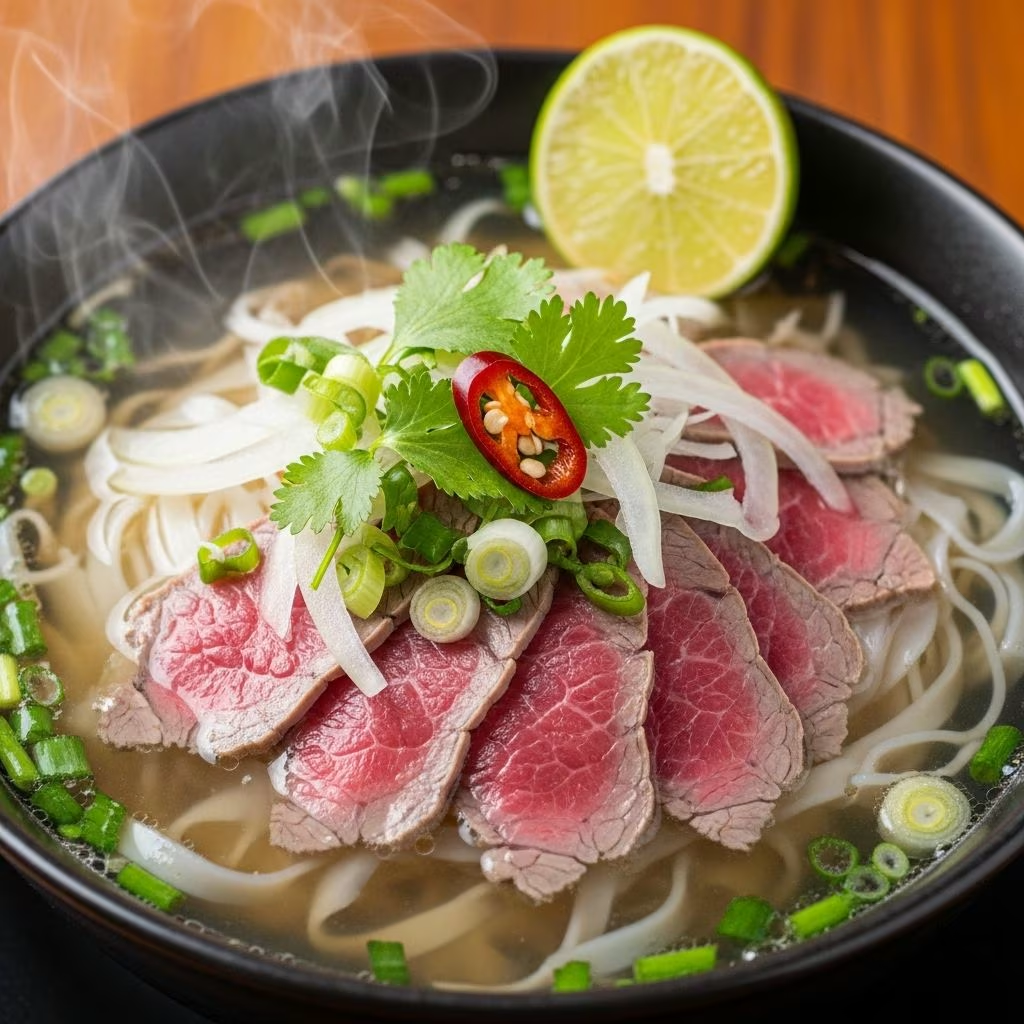
Beef and rice noodle soup stands as a cornerstone of Asian culinary traditions, blending tender meat, slippery rice noodles, and a fragrant broth infused with spices. This dish, reminiscent of Vietnamese pho or Chinese noodle soups, offers warmth and depth in every bowl. Home cooks can replicate professional results by focusing on quality ingredients and precise techniques. Whether you’re new to these soups or refining your skills, this guide provides everything needed for success.
Understanding the Essence of Beef Noodle Soups
At its core, beef and rice noodle soup relies on a harmonious balance of savory broth, chewy noodles, and contrasting textures from toppings. Traditional versions draw from regions like Vietnam, China, and Thailand, each adding unique twists such as star anise in pho or five-spice in Chinese variants. The broth forms the foundation, extracting flavors from bones and aromatics over hours of simmering. Rice noodles, made from rice flour, provide a gluten-free base that absorbs broth without becoming mushy.
Key elements include beef cuts like shank or oxtail for richness, and fresh herbs for brightness. Spices such as cinnamon, ginger, and cloves create an aromatic profile that elevates the soup beyond simple comfort food. Nutritional benefits abound: lean beef supplies protein, while vegetables and herbs add vitamins and antioxidants.
Selecting Premium Ingredients
Quality starts with sourcing. Opt for beef bones labeled for soup-making, as they yield gelatinous broths. Meaty cuts like shank or brisket provide tenderness after slow cooking. For rice noodles, choose flat rice sticks (bahn pho) in dried or fresh forms; dried ones store longer but require proper soaking.
- Beef bones (2-3 lbs): Knuckles or marrow bones for depth.
- Beef shank or oxtail (1-2 lbs): Slow-cooks to fork-tender shreds.
- Aromatics: Ginger (3-inch piece), onion (1 large), charred for smokiness.
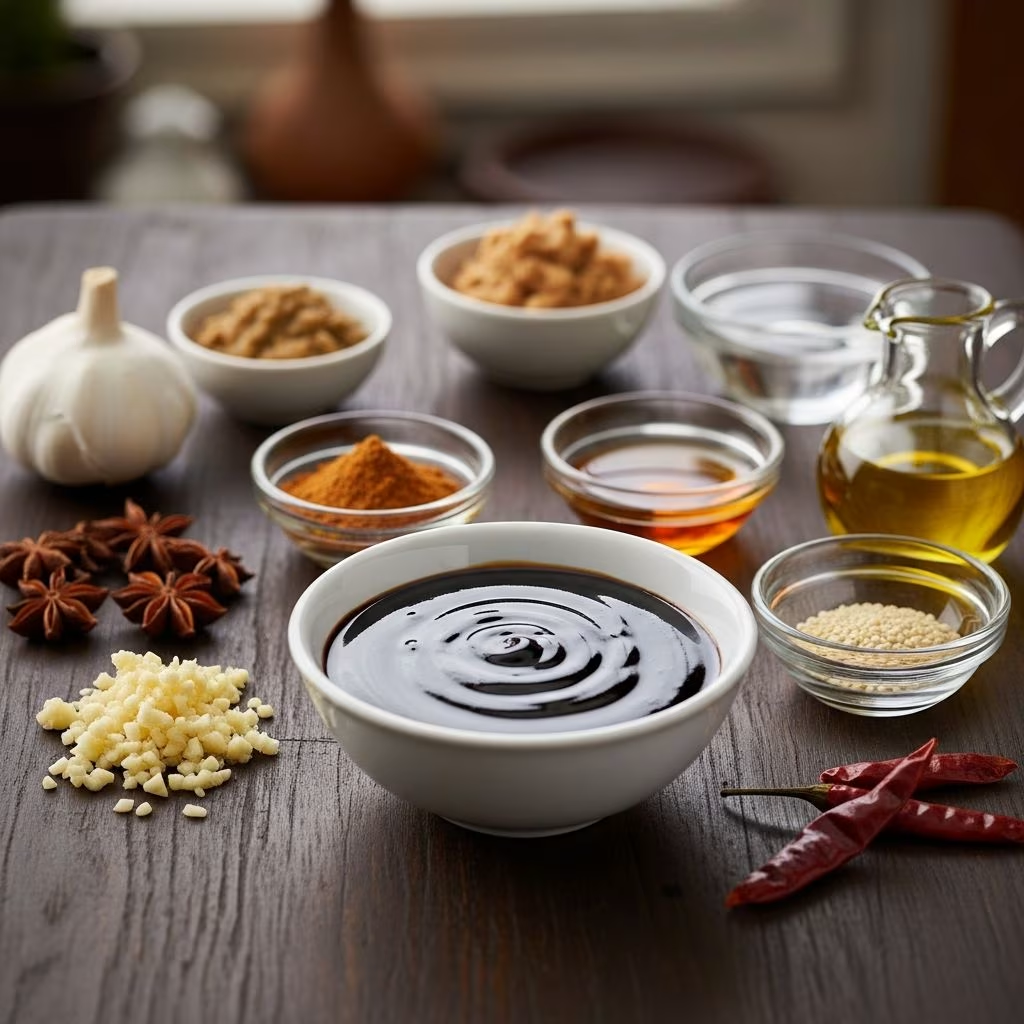
- Spices: Star anise (3-4 pods), cinnamon stick, cloves (4-5).
- Rice noodles: 14-16 oz package, wide flat variety.
- Vegetables and herbs: Scallions, cilantro, bean sprouts, Thai basil or mint.
- Sauces: Fish sauce, soy sauce, hoisin for table-side adjustment.
Freshness matters—select vibrant herbs and firm vegetables to maintain crunch against the hot broth.
Building a Flavorful Broth from Scratch
The broth is the soul of the soup. Begin by blanching bones in boiling water for 10 minutes to remove impurities, then rinse thoroughly. This step ensures clarity and purity.
- Char onion and ginger over an open flame or under a broiler until blackened; this imparts a subtle smokiness.
- In a large stockpot (8-10 quarts), combine blanched bones, beef cuts, charred aromatics, and spices. Cover with water (about 12-14 cups).
- Bring to a boil, then simmer gently for 3-6 hours, skimming foam regularly. For deeper flavor, extend to overnight in a slow cooker.
- Strain through a fine mesh, discarding solids. Season lightly with salt and fish sauce.
Pro tip: Add dried shiitake mushrooms during simmering for umami without fishiness. The result is a golden, aromatic liquid ready for assembly.
Preparing Tender Beef
Beef must melt in the mouth. After blanching shank or oxtail, simmer in the broth until fork-tender (2-4 hours). Shred or slice thinly. For raw beef slices (eye of round or sirloin), freeze partially (30-60 minutes) for easy thin slicing, then poach briefly in hot broth at serving.
Alternative quick method: Sear beef strips first, then simmer 1-2 hours for infused flavor, as in Chinese styles. Avoid overcooking to preserve juiciness.
Cooking Perfect Rice Noodles
Rice noodles cook fast and can turn gummy if mishandled. For dried noodles:
- Soak in warm water 20-30 minutes until pliable.
- Boil 1-2 minutes until al dente; rinse in cold water to stop cooking.
Fresh noodles need only a quick blanch (30 seconds) and rinse. Portion into bowls before adding broth to prevent sogginess.
Layering and Assembling the Bowl
Assembly transforms components into a masterpiece. Divide noodles into large bowls. Layer cooked beef, raw slices (if using), sliced onions, scallions, and cilantro. Pour scalding broth over to cook raw beef instantly and wilt herbs.
Top with crisp elements: bean sprouts, lime wedges, sliced chilies. Serve with a tray of condiments—sriracha, hoisin, extra herbs—for personalization.
Customizing Your Soup
Adapt to preferences or dietary needs. For vegetarian, swap beef for mushrooms and vegetable stock. Spice lovers add dried chilies or gochujang.
| Variation | Key Additions | Region Inspired |
|---|---|---|
| Spicy Thai | Lemongrass, galangal, chili paste | Thailand |
| Rich Chinese | Five-spice, bok choy, oyster sauce | China |
| Herbal Pho | Thai basil, star anise dominant | Vietnam |
| Quick Paleo | Zucchini noodles, coconut aminos | Modern |
Advanced Techniques for Perfection
Elevate with Instant Pot: Pressure cook bones and spices for 2 hours, yielding concentrated broth quickly. Toast spices lightly before adding for intensified aroma. Rest broth overnight in fridge; skim fat for cleaner taste, reserving for stir-fries.
Balance flavors systematically: Taste after straining, adjusting with soy for salt, vinegar for acid, sugar for roundness.
Storage, Reheating, and Meal Prep
Soups store well. Cool broth rapidly, store separately from noodles and toppings in airtight containers. Refrigerate up to 4 days; freeze 2 months. Reheat broth to boil, refresh noodles in hot water. Ideal for weekly meal prep—assemble fresh each time.
Nutritional Profile and Health Benefits
A serving (2 cups) offers ~400-500 calories, 30g protein from beef, complex carbs from noodles. Bone broth provides collagen for joint health; ginger aids digestion. Use lean cuts and minimal oil for lighter versions.
Frequently Asked Questions
Can I make this soup vegetarian?
Yes, replace beef with mushrooms, tofu, or extra veggies; use vegetable stock.
How do I achieve a clear broth?
Blanch bones first and simmer gently without stirring vigorously.
What’s the best beef cut for beginners?
Pre-sliced eye of round for raw addition, or shank for cooked tenderness.
Can I use regular noodles instead of rice?
Wheat noodles work for Chinese styles, but rice keeps it gluten-free and authentic.
How long does homemade broth last?
4-5 days refrigerated; freeze for longer storage.
Pairing Suggestions
Serve with iced jasmine tea or light beer. Start with spring rolls or pickled veggies for a full meal.
References
- Vietnamese Pho (Beef Rice Noodle Soup) Recipe — Nut Free Wok. 2023. https://nutfreewok.com/pho-beef-rice-noodle-soup/
- Chinese Beef Noodle Soup — Erren’s Kitchen. 2022. https://www.errenskitchen.com/chinese-beef-noodle-soup/
- Asian Noodle Soup with Beef, Mushrooms & Thai Basil — The Delicious Crescent. 2024. https://www.thedeliciouscrescent.com/asian-noodle-soup/
- Easy Thai Beef and Noodle Soup — The International Kitchen. 2023. https://www.theinternationalkitchen.com/recipes/easy-thai-beef-and-noodle-soup/
- Chinese Braised Beef Noodle Soup — Chinese Grandma. 2021. https://chinesegrandma.com/recipes/chinese-beef-noodle-soup/