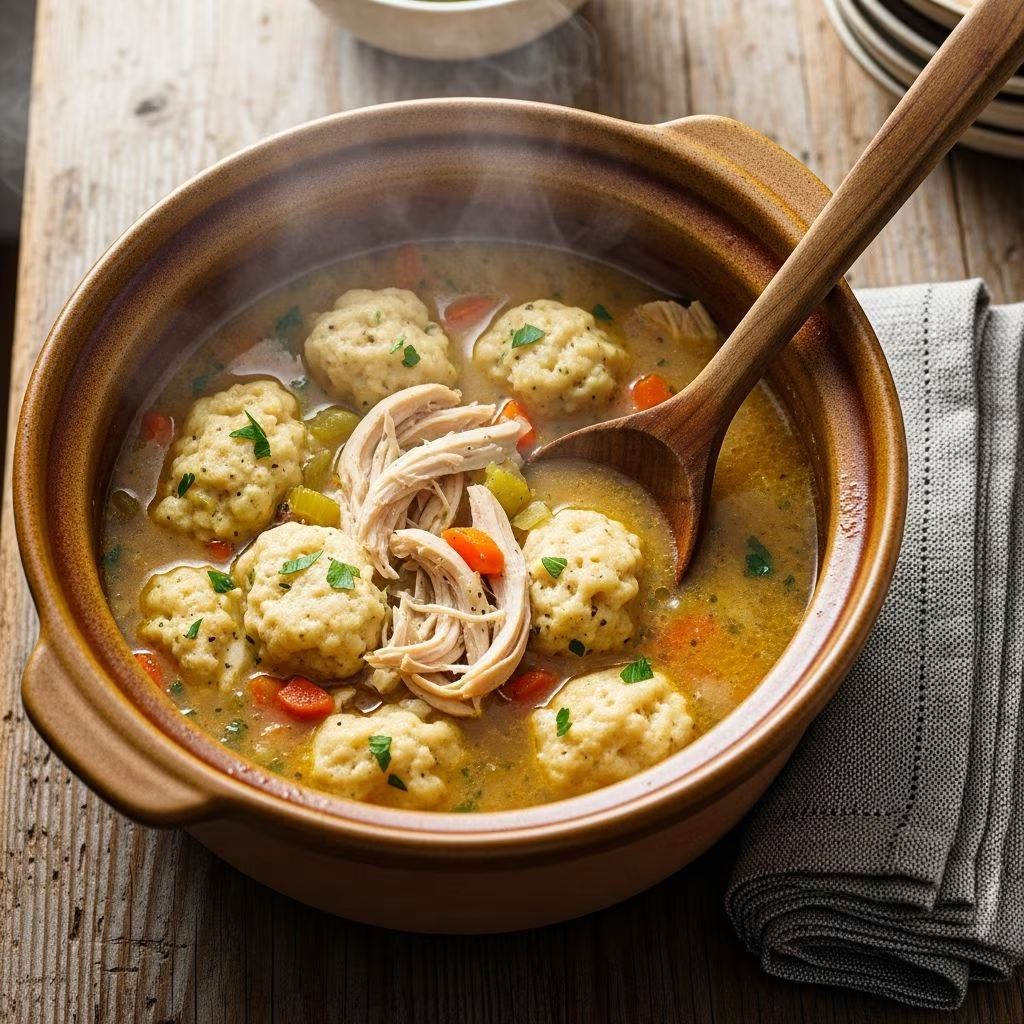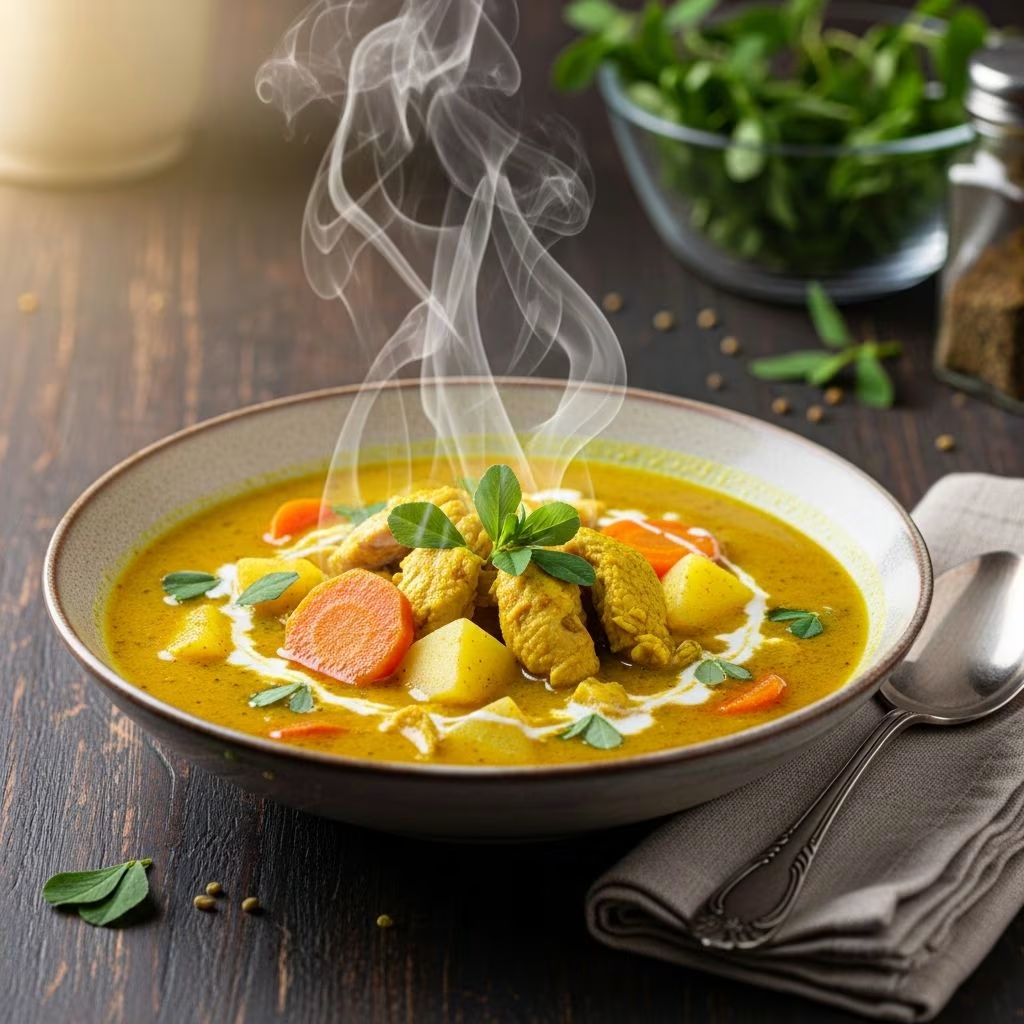
Chicken soup has long been celebrated as a comforting dish across countless cultures, and for good reason. Its warmth, nourishment, and adaptability make it a timeless favorite at the dinner table. When elevated with aromatic spices like turmeric and fenugreek, this humble dish transforms into something truly special. This particular preparation combines the earthy warmth of turmeric with the subtle, maple-like notes of fenugreek, creating a complex flavor profile that appeals to both adventurous eaters and those seeking familiar comfort. The result is a soup that feels both exotic and deeply satisfying, perfect for any season of the year.
Understanding the Star Ingredients
The Role of Turmeric in Your Soup
Turmeric stands as one of the most versatile spices in global cuisine, prized for both its distinctive golden hue and its warm, slightly bitter flavor profile. This rhizome, which comes from a plant closely related to ginger, has been utilized in culinary traditions for thousands of years. In soups, turmeric does more than add color—it contributes a grounding quality that anchors the overall flavor composition. The spice’s earthy undertones complement chicken beautifully, creating a harmonious balance when combined with other aromatics. Beyond taste, turmeric brings a visual element that makes any bowl immediately inviting, transforming the broth into a rich, warm golden shade.
Fenugreek: The Overlooked Spice
Fenugreek occupies a unique position in spice collections. Many home cooks remain unfamiliar with this ingredient, despite its long history in Indian, Middle Eastern, and North African cuisines. The seeds possess a distinctive flavor reminiscent of maple syrup with subtle caramel notes and a hint of bitterness. When used in moderation, fenugreek adds depth without overwhelming the palate. In soups, it creates layers of flavor that become more apparent with each spoonful. The spice’s warmth complements the earthiness of turmeric, while its slight sweetness balances savory elements like chicken broth and vegetables. Understanding how to use fenugreek transforms it from an exotic curiosity into an essential pantry staple.
Building Your Flavor Foundation
Selecting Quality Chicken
The choice of chicken significantly impacts the final soup’s character. Bone-in, skin-on chicken pieces contribute rich, gelatin-laden broth that develops body and mouthfeel over time. Whole chicken carcasses work exceptionally well for stock-making, yielding a deeply flavorful base. Alternatively, pre-made chicken broth serves as a convenient starting point, though homemade versions offer superior depth. When using raw chicken pieces, browning them first adds an additional layer of complexity through the Maillard reaction, creating deeper, more savory notes. The meat should cook until tender enough to shred easily, ensuring it contributes fully to the soup’s overall texture and taste.
Essential Aromatics and Vegetables
Traditional aromatics form the backbone of this soup’s flavor development. Onions, garlic, and ginger create a pungent base that mellows and sweetens as it simmers. Carrots add natural sweetness and bright color, while celery contributes subtle herbaceous notes. Some preparations include leeks for their delicate onion-like flavor, or fresh herbs like cilantro for brightness. The order of ingredient addition matters significantly—softer vegetables like tomatoes should join later to prevent overcooking and mushiness. Building these flavors gradually, layer by layer, creates complexity that single-step cooking cannot achieve.
The Cooking Process Explained
Step-by-Step Preparation
- Begin by heating oil or ghee in a large, heavy-bottomed pot over medium heat
- Add diced onions and cook until softened and translucent, approximately 3-4 minutes
- Incorporate minced garlic and fresh ginger, stirring constantly for 1-2 minutes until fragrant
- Toast turmeric and fenugreek seeds briefly to awaken their essential oils, stirring continuously for about 30 seconds
- Add chicken pieces and brown lightly on all sides, 3-4 minutes per batch
- Pour in chicken broth and bring the mixture to a gentle boil
- Add carrots, celery, and other hardy vegetables, reducing heat to maintain a gentle simmer
- Cook for 20-30 minutes until chicken is completely cooked through and vegetables are tender
- Remove chicken, shred into bite-sized pieces, and return to the pot
- Adjust seasonings, adding salt, pepper, and additional spices as desired
- Simmer for another 5-10 minutes to meld flavors
Timing and Temperature Control
The key to developing complex flavors lies in managing heat carefully. A rolling boil can toughen chicken and cause vegetables to break down excessively. Instead, a gentle simmer—where small bubbles occasionally break the surface—allows flavors to develop gradually while maintaining ingredient integrity. Initial browning of chicken and aromatics generates fond on the pot’s bottom, which dissolves into the liquid and contributes rich, savory character. Temperature control during simmering prevents the broth from becoming cloudy or developing an unpleasant overcooked taste. Most soups benefit from 30-45 minutes of gentle cooking, though this varies based on ingredient size and desired intensity.
Customization and Variations
Protein Options Beyond Chicken
While chicken forms the traditional base, this spiced broth adapts beautifully to other proteins. Turkey offers a slightly earthier alternative, while duck brings richness and depth. For vegetarian versions, hearty vegetables like cauliflower, chickpeas, or lentils provide substance and protein. Seafood enthusiasts might try shrimp or white fish, though these require shorter cooking times. Each protein variation creates a distinct experience while maintaining the spice blend’s essential character.
Vegetable Combinations
The vegetable selection should balance textures and flavors. Classic combinations include carrots, celery, and onions, but leafy greens like spinach or kale add nutrition and subtle bitterness that contrasts beautifully with warm spices. Root vegetables such as parsnips or sweet potatoes introduce natural sweetness, while mushrooms contribute umami richness. Some preparations include tomatoes for acidity and brightness, or peppers for subtle heat and fruity notes. Fresh herbs added near the end of cooking—cilantro, parsley, or mint—provide freshness that cuts through the soup’s richness.
Nutritional Considerations
Health Benefits of Key Components
Turmeric contains curcumin, a compound that has been studied for its potential wellness properties in traditional medicine systems for centuries. Chicken provides high-quality protein essential for muscle maintenance and tissue repair. The combination of vegetables delivers fiber, vitamins, and minerals that contribute to overall nutritional value. Bone broth, whether homemade or purchased, offers collagen and gelatin that support joint and gut health. Fenugreek seeds contain compounds that have been traditionally used in various culinary and wellness applications. Together, these ingredients create a nutritionally complete meal that satisfies both hunger and nutritional needs.
Dietary Adaptations
This soup naturally accommodates various dietary preferences. For gluten-free diets, simply verify that all ingredients, particularly broths and seasonings, contain no hidden gluten sources. Those following Paleo guidelines can emphasize bone broth and eliminate legumes. Keto adaptations might reduce or eliminate starchy vegetables while increasing healthy fats through additions like coconut milk. Dairy-free versions omit any cream-based additions, relying instead on the broth’s natural richness. The base recipe’s flexibility means nearly anyone can enjoy this warming dish with minor modifications.
Storage and Make-Ahead Strategies
Refrigeration Guidelines
Properly stored soup keeps well in the refrigerator for 3-4 days. Allow the soup to cool to room temperature before transferring to airtight containers, as this prevents temperature shock and condensation that can lead to sogginess. The flavors actually intensify during storage as ingredients continue to meld and develop. When reheating, do so gently over medium heat, stirring occasionally and adding liquid if the soup has thickened. Never bring refrigerated soup back to a rolling boil, as this can degrade delicate flavors and vegetable textures.
Freezing for Long-Term Storage
This soup freezes beautifully for up to three months. Portion into individual containers or freezer-safe bags for convenient single servings. Leave a quarter-inch of headspace in containers to allow for expansion during freezing. Thaw overnight in the refrigerator before reheating gently, or reheat directly from frozen over low heat, stirring frequently. The spices actually benefit from freezing, as the extended time allows flavors to mature further. When ready to serve after freezing, taste and adjust seasonings, as freezing sometimes mutes spice intensity slightly.
Serving Suggestions and Pairings
Accompaniments That Complement
This rich, aromatic soup deserves thoughtful accompaniments that enhance rather than overshadow its complex flavors. Warm crusty bread provides textural contrast and serves as a vehicle for soaking up every drop of broth. Basmati rice or jasmine rice adds substance and pairs beautifully with the spice profile. Fresh lime juice squeezed just before serving brightens the soup’s warmth and adds vibrant acidity. Crispy fried onions or chickpeas provide textural contrast and visual interest. A dollop of plain yogurt or sour cream cools and balances the spices, creating a luxurious mouthfeel.
Beverage Pairings
The soup’s warm spice profile pairs well with aromatic white wines like Alsatian Riesling or Sauvignon Blanc, which offer refreshing acidity. Lighter red wines such as Pinot Noir complement without overwhelming. Non-alcoholic options include herbal teas with ginger or turmeric undertones, or sparkling water with fresh herbs and citrus. For a complete experience, consider following the soup with a light dessert featuring warm spices like cinnamon or cardamom, extending the meal’s aromatic theme.
Frequently Asked Questions
Can I use ground turmeric instead of fresh?
Yes, though fresh turmeric offers brighter, more complex notes. If substituting ground turmeric for fresh, use approximately one-third the amount, as it’s more concentrated. Ground turmeric should be added earlier in cooking to fully develop, while fresh turmeric can be added with other aromatics.
Where can I source fenugreek seeds?
Fenugreek is available at most Indian grocery stores, specialty spice retailers, and increasingly at mainstream supermarkets in their international or spice sections. Online specialty food vendors also carry quality fenugreek at reasonable prices. Look for seeds that smell pleasantly sweet rather than musty.
How do I prevent my soup from becoming too spicy?
Start with smaller quantities of turmeric and fenugreek than recipes suggest, tasting as you cook. Both spices can be quite potent. Add gradually until you achieve desired intensity. Remember that flavors develop and intensify as the soup simmers, so restraint at the beginning prevents over-spicing.
What’s the difference between using fresh versus dried fenugreek?
Fresh fenugreek leaves offer a milder, more herbaceous flavor, while seeds provide concentrated, complex taste. Seeds work best for this soup application, as they release flavor gradually during cooking. Dried leaves can be crumbled over finished soup as garnish.
Can I make this soup in a slow cooker?
Absolutely. Brown aromatics and chicken briefly on the stovetop first, then transfer everything to a slow cooker along with broth and vegetables. Cook on low for 6-8 hours or high for 3-4 hours. Add delicate vegetables like leafy greens during the final 30 minutes to prevent overcooking.
References
- Turmeric in Health and Disease — National Center for Complementary and Integrative Health, U.S. Department of Health and Human Services. 2024. https://www.nccih.nih.gov/health/turmeric
- Fenugreek: Biochemistry and Culinary Applications — International Journal of Food Sciences and Nutrition. 2023. https://www.tandfonline.com/doi/full/10.1080/09637486.2023.2175897
- Bone Broth Benefits and Nutritional Analysis — Academy of Nutrition and Dietetics. 2024. https://www.eatright.org/health/essential-nutrients/protein/bone-broth
- Chicken Soup: A Traditional Remedy Backed by Science — American Journal of Clinical Nutrition. 2023. https://academic.oup.com/ajcn/
- Spice Chemistry and Flavor Development in Soups — Journal of Food Science and Technology. 2023. https://link.springer.com/journal/13197