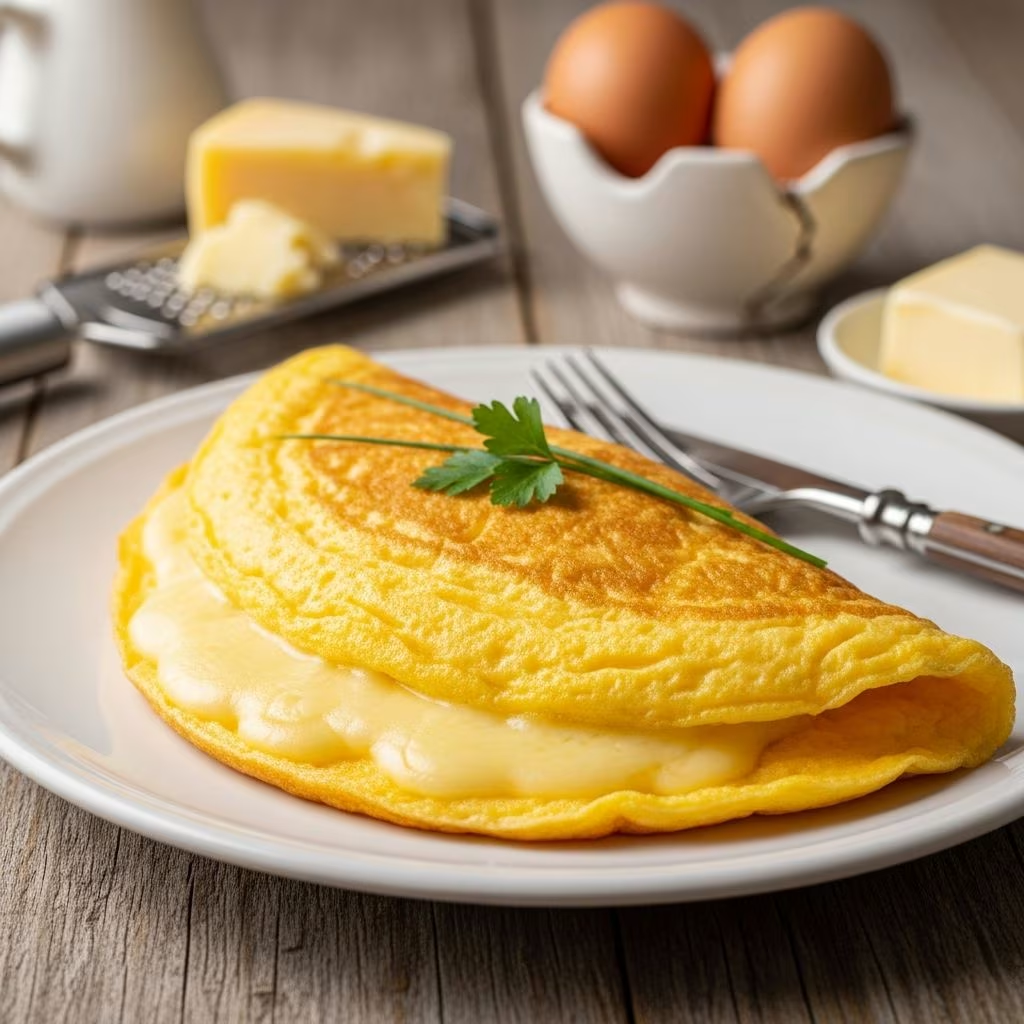
The cheese omelette stands as a timeless breakfast staple, combining the richness of melted cheese with the lightness of perfectly cooked eggs. This versatile dish requires minimal ingredients yet delivers maximum flavor, making it ideal for busy mornings, leisurely brunches, or even light dinners. Whether you’re a novice cook or a seasoned home chef, mastering the cheese omelette opens doors to endless customization while ensuring a satisfying, protein-packed meal.
Why Cheese Omelettes Are a Kitchen Essential
Omelettes trace their roots to ancient culinary traditions, evolving into the fluffy, foldable delights we know today. A classic cheese version highlights the egg’s natural tenderness, enhanced by the creamy melt of cheese. Their appeal lies in simplicity: most recipes use just eggs, butter, seasoning, and cheese, ready in under five minutes. Nutritionally, they provide high-quality protein from eggs—about 6 grams per large egg—paired with calcium from cheese, supporting muscle repair and bone health.
Beyond basics, cheese omelettes adapt to dietary needs. Use low-fat cheese for calorie control or plant-based alternatives for vegan twists. They’re forgiving for experimentation, allowing veggies, meats, or herbs without compromising structure. In a world of rushed routines, this dish offers restaurant-quality results at home, proving that gourmet doesn’t require hours in the kitchen.
Essential Ingredients for Success
Building a superior cheese omelette starts with quality components. Focus on fresh, simple items to let flavors shine.
- Eggs: Opt for large, fresh eggs at room temperature. Three per omelette yields a hearty portion without overwhelming the pan. Their whites provide lift, yolks add creaminess.
- Cheese: Shredded cheddar delivers sharp tang and excellent melt; mozzarella offers stretchy texture. Use ¼ to ½ cup per omelette. Freshly grated melts smoother than pre-shredded.
- Butter or Oil: Unsalted butter imparts nutty depth; 1 tablespoon suffices. Alternatives like coconut oil work for dairy-free versions.
- Seasonings: A pinch of salt and black pepper enhances natural tastes. Add a teaspoon of water to eggs for steam-induced fluffiness.
These core elements form a foolproof base. Proportions matter: too much cheese overwhelms; balance ensures harmony.
Step-by-Step: Crafting the Perfect Cheese Omelette
Precision in technique separates good omelettes from great ones. Follow this method for consistent, glossy results.
- Prepare Eggs: Crack 3 eggs into a bowl. Add ⅛ tsp salt, ⅛ tsp pepper, and 1 tsp water. Whisk vigorously for 30 seconds until frothy—air bubbles create lift.
- Heat Pan: Use an 8-10 inch non-stick skillet over medium heat. Melt 1 tbsp butter until foamy, coating the bottom evenly.
- Pour and Cook Base: Add eggs. As edges set (10-20 seconds), gently push cooked portions to center with a spatula, tilting pan for uncooked egg to flow underneath. Continue until mostly set but top remains glossy (1-2 minutes).
- Add Cheese: Sprinkle ¼ cup shredded cheese down the center. Let it soften 30-60 seconds; residual heat melts it further.
- Fold and Finish: Loosen edges, fold sides over filling. Cook 30 seconds more if needed. Slide onto plate, seam-side down.
Total time: 5 minutes. Serve immediately for peak texture.
Flavor-Packed Variations to Try
Elevate your omelette with thoughtful add-ins. Pre-cook veggies or meats to avoid sogginess; limit to ½ cup total filling.
| Variation | Key Add-Ins | Flavor Profile |
|---|---|---|
| Veggie Delight | Spinach, mushrooms, bell peppers, onions | Fresh, earthy |
| Meaty Classic | Ham, bacon crumbles, sausage | Savory, hearty |
| Mediterranean Twist | Feta, tomatoes, olives, garlic | Bright, tangy |
| Mexican Fiesta | Queso fresco, jalapeños, cilantro, avocado | Spicy, vibrant |
| Harvest Blend | Goat cheese, sweet potato, black beans | Sweet-savory fusion |
For French inspiration, mix Parmesan and Gruyère with cream for luxe creaminess. Chia seeds add nutrition without altering taste.
Pro Tips for Flawless Texture and Taste
- Use room-temperature eggs to prevent uneven cooking.
- Medium heat avoids browning; low for melting cheese.
- Non-stick pans prevent sticking; silicone spatulas preserve delicacy.
- Water or milk (1 tsp) steams eggs internally for fluff.
- Don’t overfill—excess leads to tears when folding.
- Rest 1 minute post-cook for perfect melt.
Common pitfalls: High heat toughens eggs; under-whisking yields flat results. Practice yields mastery.
Nutritional Breakdown and Health Benefits
A standard 3-egg cheese omelette (with ¼ cup cheddar) clocks in at 350-450 calories, 30g protein, 25g fat, 2g carbs. Eggs supply choline for brain health; cheese offers vitamin B12 and probiotics if aged.
Customize for diets: Egg whites reduce cholesterol; low-fat cheese cuts calories. Add spinach for iron, tomatoes for lycopene. Pair with whole-grain toast for balanced fiber.
Per USDA guidelines, eggs are nutrient-dense: one large provides 70 calories, all essential amino acids. Recent studies affirm moderate intake supports heart health when part of varied diets.
Pairing Ideas for Complete Meals
Transform your omelette into a feast:
- Sides: Fresh fruit salad, roasted potatoes, or green salad.
- Breads: Sourdough toast, English muffins.
- Beverages: Coffee, fresh orange juice, herbal tea.
For low-carb, skip bread; add more veggies.
Frequently Asked Questions
Can I make omelettes ahead?
Best fresh, but cool, wrap, and refrigerate up to 24 hours. Reheat gently in microwave.
What if I don’t have cheddar?
Any melty cheese works: Swiss, mozzarella, Gouda. Experiment!
How do I make it vegan?
Use chickpea flour batter or tofu scramble with vegan cheese and oil.
Why is my omelette rubbery?
Overcooking or high heat. Keep moist and remove from heat promptly.
Can I use a microwave?
Yes: Whisk eggs, microwave 1-2 minutes stirring midway. Add cheese last.
Storage and Reheating Best Practices
Store in airtight container up to 2 days. Freeze portions up to 1 month. Reheat on stovetop low or microwave covered, 30-60 seconds. Avoid sogginess by not overcrowding.
For batches, undercook slightly before storing; finish on heat.
Advanced Techniques for Chef-Level Omelettes
Aspire to French-style: Roll instead of fold for cigar shape. Use clarified butter for higher smoke point. Double-fold for presentation. Infuse herbs like chives or tarragon pre-whisk.
Batch cooking: Cook multiple in large pan, fold individually. Perfect for crowds.
References
- USDA FoodData Central: Eggs, whole, raw, fresh — United States Department of Agriculture. 2023-05-15. https://fdc.nal.usda.gov/fdc-app.html#/food-details/171287/nutrients
- Cheese, cheddar — United States Department of Agriculture. 2023-05-15. https://fdc.nal.usda.gov/fdc-app.html#/food-details/173414/nutrients
- Harvard T.H. Chan School of Public Health: Eggs — Harvard University. 2024-01-10. https://www.hsph.harvard.edu/nutritionsource/food-features/eggs/