The evolution of American burger culture has introduced numerous alternatives to traditional beef patties, and among these, bison has emerged as a compelling choice for health-conscious cooks and culinary enthusiasts alike. Ground bison offers a distinctive flavor profile that distinguishes itself from conventional beef while providing nutritional advantages that appeal to modern dietary preferences. When paired with bright, refreshing vegetable preparations, bison burgers transform into a well-rounded meal that balances protein-rich satisfaction with garden-fresh components.
Understanding Bison as a Protein Choice
Bison meat distinguishes itself from beef through its composition and flavor characteristics. The meat contains notably lower fat content compared to standard ground beef, making it an attractive option for those monitoring their dietary intake. The natural marbling and texture of bison creates a foundation for burger patties that can achieve remarkable juiciness despite the leaner profile. Many cooks initially hesitate when transitioning from beef to bison, concerned about potential dryness, yet properly prepared bison burgers consistently deliver tender, flavorful results that rival or exceed traditional counterparts.
The distinctive taste of bison carries subtle gamey notes that add complexity to the overall burger experience. Rather than overwhelming the palate, these undertones complement traditional burger seasonings while offering something distinctly different from what consumers encounter in standard preparations. This unique flavor profile opens creative possibilities for seasoning combinations that might seem unconventional with beef but harmonize beautifully with bison’s natural character.
Selecting Quality Ground Bison
The foundation of an exceptional bison burger begins with sourcing appropriate meat. Ground bison typically arrives in two common ratios: 85/15 and 90/10, referring to the lean-to-fat percentages. The 85/15 ratio provides slightly more fat content, which contributes to burger juiciness and helps bind ingredients more cohesively. However, the 90/10 ratio remains a viable option and performs admirably in most applications. Rather than fixating on achieving a specific ratio, cooks should focus on obtaining fresh ground bison from reputable sources that maintain proper cold chain management.
When purchasing ground bison, appearance provides useful indicators of quality. The meat should display a vibrant red hue without browning or discoloration at the edges. Fresh bison should carry a clean aroma without any sour or off-putting odors. If purchasing pre-packaged ground bison, examine the packaging for integrity and verify the sell-by date remains current. Building relationships with local butchers or specialty meat suppliers often yields access to superior quality products and valuable expertise regarding optimal cooking techniques for specific meat types.
Preparing the Perfect Bison Patty
Transforming ground bison into burger patties requires attention to technique and restraint. The most critical mistake cooks make involves overworking the ground meat during patty formation. Unlike meatloaf preparations that benefit from thorough mixing, burger patties demand a gentle touch. Overhandling develops gluten networks and compacts the meat structure, resulting in dense, chewy patties rather than the desired tender texture. Approach patty formation as a preliminary step requiring minimal manipulation.
Begin with cold ground bison directly from refrigeration. Divide the meat into portions slightly larger than your intended final burger size, as cooking causes contraction. Using your hands, gently combine the meat with seasonings, pressing just enough to incorporate ingredients evenly. Form patties by lightly shaping the meat rather than forcefully compressing it. Create a slight indentation in the center of each patty using your thumb, which prevents the burger from puffing and forming a dome during cooking. This small detail ensures even thickness throughout and promotes uniform doneness.
Seasoning Strategies for Bison
The minimalist approach to seasoning ground bison often yields superior results compared to elaborate spice combinations. Quality kosher salt and freshly ground black pepper provide an excellent foundation, allowing the natural characteristics of the meat to shine through. Many recipes incorporate garlic powder and onion powder rather than fresh minced versions, which offers several advantages. Ground spices distribute evenly throughout the meat mixture without creating pockets of intense flavor, and they eliminate the risk of encountering undercooked garlic fragments that can impart harsh, pungent notes.
For those seeking more adventurous seasoning profiles, complementary additions might include smoked paprika for subtle smokiness, cumin for earthy warmth, or fresh herbs like thyme and oregano. The key principle involves exercising restraint and allowing bison’s natural flavor to remain the protagonist rather than becoming obscured by aggressive seasoning. Consider the toppings and accompaniments when finalizing your seasoning strategy, ensuring the patty’s flavor profile harmonizes rather than competes with other components.
Cooking Methods and Temperature Control
Two primary cooking methods accommodate bison burger preparation: grill cooking and stovetop preparation. Each method offers distinct advantages depending on seasonality, equipment availability, and personal preference.
Grilling technique: Preheat your grill to medium-high heat and ensure grates are clean and lightly oiled to prevent sticking. Place patties directly over the flame or coals and avoid the temptation to move them frequently. Allow approximately three minutes per side for medium-rare doneness, flipping only once when the burger releases easily from the grate. Add cheese during the final minute of cooking, then transfer to a resting surface for five minutes before assembling the final burger.
Stovetop preparation: Heat a cast-iron skillet over medium-high heat with a small amount of butter or neutral oil. Once the skillet reaches proper temperature, place patties carefully and resist the urge to manipulate them constantly. Cook for two to three minutes per side, adjusting timing based on patty thickness and your preferred doneness level. As with grilling, add cheese during the final minute and cover the skillet with a lid to facilitate even melting.
The most critical consideration involves avoiding overcooking, particularly important with bison. Medium-rare represents the optimal doneness for bison burgers, maintaining juiciness while achieving proper food safety standards. Invest in a reliable meat thermometer to eliminate guesswork—aim for an internal temperature of 130-135°F for medium-rare. Remove patties from heat slightly before reaching target temperature, as carryover cooking will increase internal temperature by a few degrees during the resting period.
Crafting Bright Vegetable Slaws
Fresh vegetable accompaniments provide textural contrast and nutritional balance to rich burger patties. Cucumber and red onion slaw represents a particularly refreshing preparation that complements bison’s lean profile beautifully. The crisp, cool nature of cucumber contrasts pleasantly with the warmth of the cooked patty, while red onion contributes a gentle sharpness that enhances rather than overwhelms.
Begin by thinly slicing cucumbers and red onions using a mandoline or sharp knife. Combine with a light dressing of rice vinegar, olive oil, and a pinch of salt and sugar. This combination achieves balance—vinegar provides acidity, oil adds richness, salt enhances flavors, and a modest amount of sugar tempers any harshness. Allow the slaw to rest for fifteen to twenty minutes before serving, which permits flavors to meld and osmotic processes to slightly soften the vegetables while maintaining pleasant crispness.
Alternative slaw preparations might incorporate cabbage with lime juice and cilantro for brightness, or traditional coleslaw dressed with a lighter vinaigrette rather than heavy mayonnaise. The unifying principle involves creating preparations that refresh the palate between bites of substantial burger rather than adding additional heaviness.
Burger Assembly and Presentation
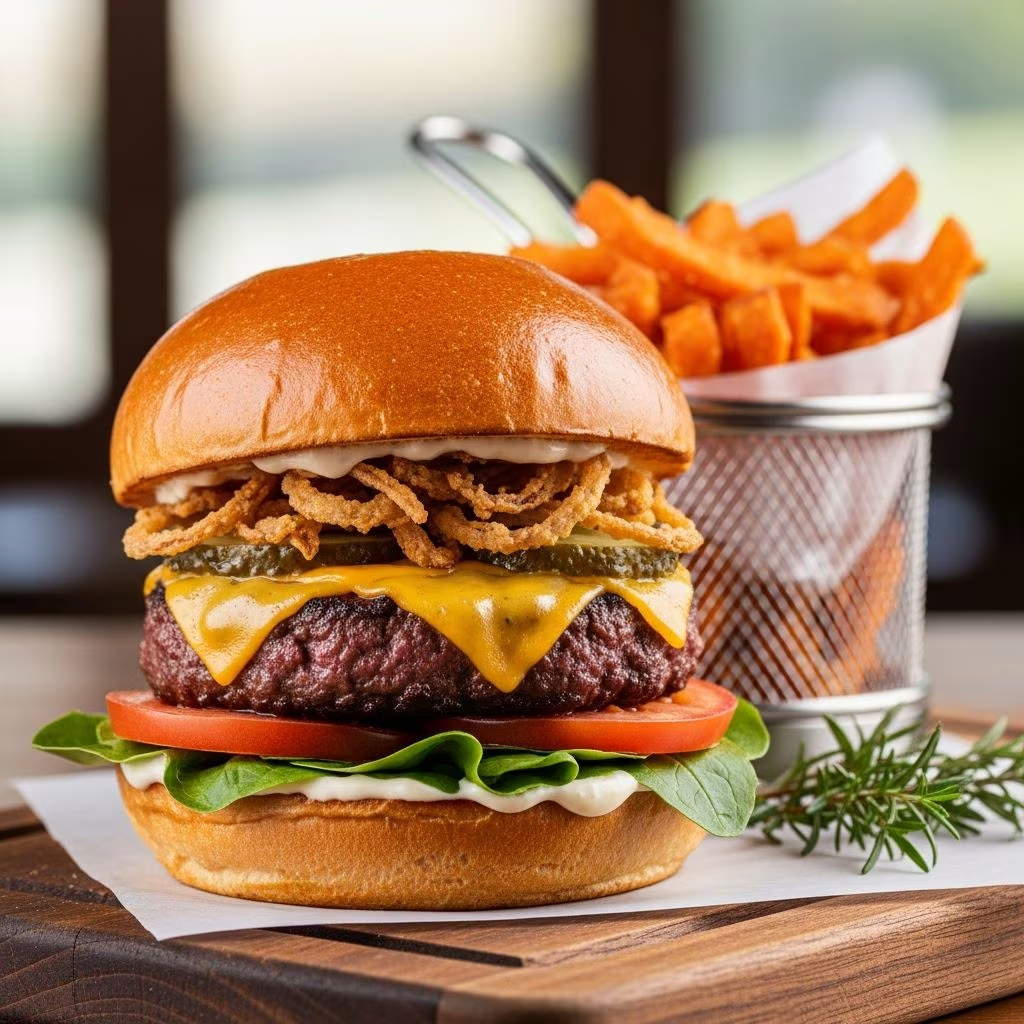
The architecture of your burger influences both eating experience and flavor perception. Begin with a quality bun—toasted lightly if desired to prevent sogginess while adding textural interest. Apply a thin layer of your chosen sauce (mayonnaise, mustard, or burger-specific preparations work well). Layer the rested bison patty directly on this sauce base, followed by cheese if using. Add the vegetable slaw next, allowing it to sit partially on the patty and partially on the bun, which distributes moisture and prevents sogginess. Finish with any additional toppings such as lettuce, tomato, or pickles.
Frequently Asked Questions
What distinguishes bison burgers from beef burgers nutritionally?
Bison contains substantially less fat than beef while maintaining similar protein content. Additionally, bison typically contains higher levels of omega-3 fatty acids and lower cholesterol compared to conventional beef, making it an appealing choice for health-conscious consumers.
Can I prepare bison burgers ahead of time?
Form patties and refrigerate them on a parchment-lined plate up to twenty-four hours before cooking. Avoid freezing patties with seasonings already incorporated, as this can negatively affect texture. Unseasoned frozen patties maintain quality for several months.
Why do bison burgers sometimes turn out dry?
Overcooking represents the primary culprit behind dry bison burgers. The lean meat lacks sufficient fat to compensate for prolonged cooking. Additionally, overworking the meat mixture during patty formation can create a dense structure that releases moisture during cooking. Employ a meat thermometer and target medium-rare doneness for optimal results.
Should I add anything to the ground bison mixture beyond seasonings?
Many recipes avoid adding binders or additional ingredients beyond salt, pepper, and spices. High-quality bison meat holds together adequately without these additions. If your meat seems exceptionally lean or you’re concerned about binding, a small amount of egg or breadcrumb mixture can help, though this typically remains unnecessary with proper technique.
What cheese varieties work best with bison?
Mild cheddar, Swiss, and American cheese all pair beautifully with bison. Blue cheese creates an interesting contrast with the meat’s subtle gamey notes, while softer cheeses like goat cheese or feta work well with Mediterranean-inspired preparations. Choose based on your intended flavor profile and preferred melting characteristics.
Storage and Food Safety Considerations
Ground bison follows standard food safety protocols similar to other ground meats. Store uncooked ground bison at 40°F or below and use within two days of purchase. Frozen bison maintains quality for three to four months when properly wrapped. When thawing frozen meat, place it in the refrigerator overnight rather than leaving it at room temperature, which minimizes bacterial growth risks.
Cooked bison burgers should be cooled to room temperature before refrigerating and consumed within three to four days. Leftover cooked patties reheat adequately in a low oven or skillet, though they’re often most enjoyable served freshly prepared.
References
- Bison Burgers: Recipes and Cooking Tips — Running to the Kitchen. 2024. https://www.runningtothekitchen.com/bison-burgers/
- Ground Bison Meat Selection and Preparation — Buck Wild Bison. August 19, 2024. https://buckwildbison.com/blogs/bison-meat-recipes/7-mouth-watering-bison-burger-recipes-to-try-at-home
- Healthy Bison Burger Preparation Methods — Pritikin Longevity Center. YouTube. https://www.youtube.com/watch?v=zn5BykKvpf0