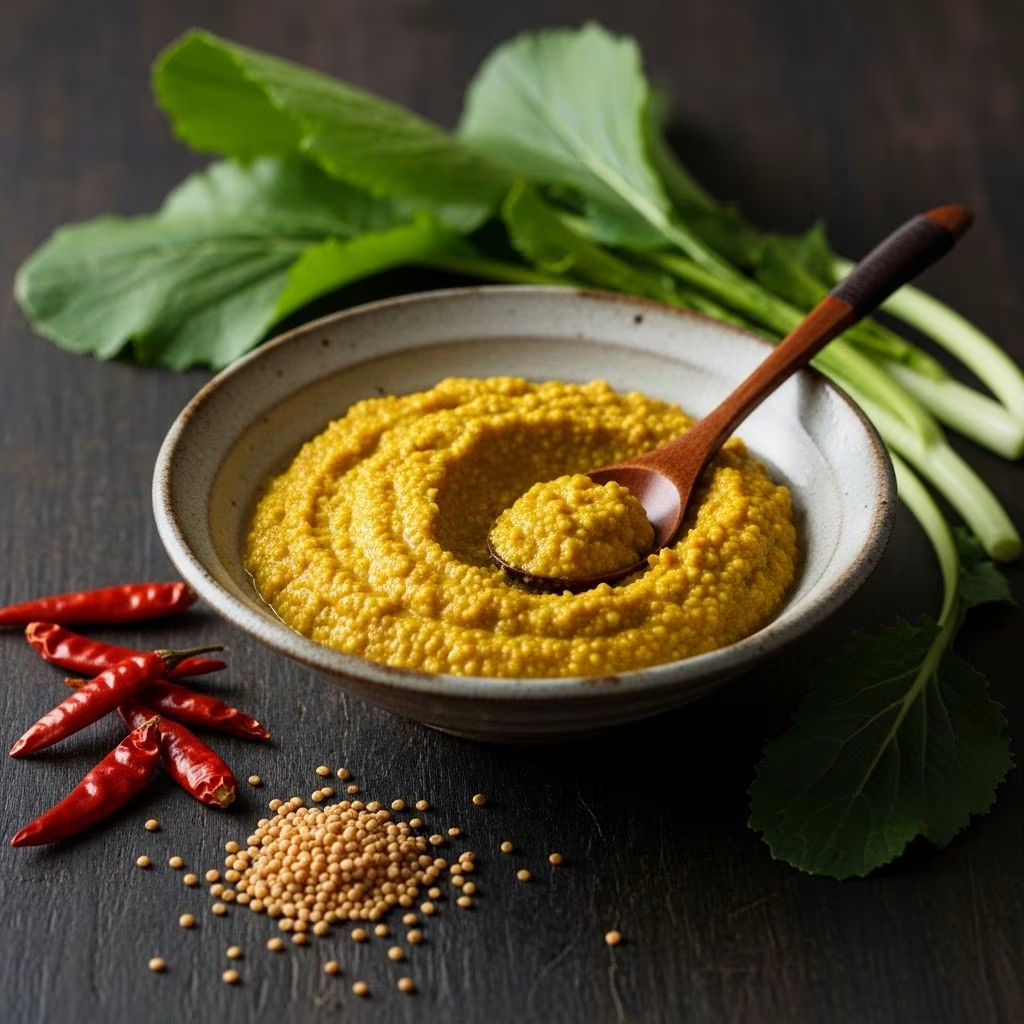
Chinese hot mustard delivers an intense, sinus-clearing heat that elevates simple dishes like egg rolls, spring rolls, and dumplings. Unlike mild Western mustards, this version relies on the natural pungency of mustard powder activated by liquid, creating a fresh, powerful condiment in minutes. This guide provides a reliable recipe, science behind the heat, customization options, and practical uses to replicate restaurant-quality results at home.
The Science of Heat in Chinese Mustard
The fiery sensation in Chinese hot mustard comes from allyl isothiocyanate, a compound released when mustard powder meets water. This enzyme-driven reaction, known as myrosinase activation, peaks in intensity after 10-15 minutes and fades over time. Cold water maximizes heat by preserving enzymes, while hot water or acids like vinegar temper it for balance. Understanding this allows precise control over spiciness.
Essential Ingredients for Authentic Flavor
High-quality ingredients ensure the best heat and texture. Key components include:
- Dry mustard powder: Coleman’s or organic brown mustard seeds ground fine provide the base pungency.
- Cold water: Activates the heat; use distilled for purity.
- Vegetable or neutral oil: Smooths consistency without overpowering flavor.
- Rice vinegar or apple cider vinegar: Adds tang and stabilizes heat.
- Salt: Enhances overall taste; kosher or fine sea salt works best.
Optional additions like crystallized ginger introduce subtle sweetness and complexity.
Step-by-Step Preparation Guide
Assemble these tools: a small bowl, whisk, measuring cups, and plastic wrap. Total time: 5 minutes active, plus 10-15 minutes resting.
- Combine dry ingredients: In a bowl, whisk 1/2 cup mustard powder and 1/4-1/2 teaspoon salt until uniform.
- Incorporate liquids: Slowly add 1/4 cup cold water while whisking to form a smooth paste. Adjust water for desired thickness.
- Mix in oil and vinegar: Stir in 2 teaspoons vegetable oil and 1 teaspoon rice vinegar for emulsion and balance.
- Rest for peak heat: Cover tightly with plastic wrap and let sit 10-15 minutes. The mixture will develop maximum pungency.
- Final whisk and taste: Stir again; add more powder for heat or water for mildness. Serve immediately.
This yields about 3/4 cup, enough for 4-6 servings.
Customizing Heat Levels and Thickness
Tailor the mustard to your preference with these adjustments:
| Desired Profile | Adjustments | Rest Time |
|---|---|---|
| Extra Hot | Cold water only; minimal liquid; more powder | 15 minutes |
| Balanced Heat | Cold water + vinegar; standard ratios | 10 minutes |
| Milder | Boiling water; extra vinegar/oil | 5 minutes |
| Thick Dip | Less water | Any |
| Thin Sauce | More water | Any |
Experiment in small batches: mix powder with tiny liquid amounts, taste at intervals. Heat peaks quickly then diminishes, so prepare fresh.
Storage and Shelf Life Tips
Fresh mustard is hottest; flavor fades within hours due to enzyme breakdown. Refrigerate in an airtight container up to 1 week, but expect reduced heat after 24 hours. Freezing preserves some pungency for 1 month; thaw and whisk before use. Always label with preparation date.
Versatile Uses Beyond Dipping
Chinese hot mustard shines as a dip but excels elsewhere:
- Classic dips: Egg rolls, potstickers, crab rangoon.
- Marinades: Mix with soy sauce for grilled meats or tofu.
- Sandwich spread: Thin with mayo for bold kicks on burgers or wraps.
- Soup enhancer: Stir a teaspoon into hot and sour or wonton soup.
- Glaze base: Combine with honey for roasted vegetables or chicken wings.
For fusion twists, blend into aioli or coleslaw for Asian-inspired sides.
Common Mistakes and Fixes
Avoid these pitfalls for success:
- Lumpy texture: Whisk vigorously; sift powder first.
- Too bitter initially: Normal—wait 10 minutes for mellowing.
- Insufficient heat: Use fresh powder and cold water; avoid hot liquids.
- Overly oily: Reduce oil or emulsify longer.
- Making ahead: Prepare just before serving for peak flavor.
Nutritional Profile and Dietary Notes
Per tablespoon (approx.): 30 calories, 3g fat, 1g carbs, 1g protein. Naturally gluten-free, vegan, and low-carb. Mustard powder provides antioxidants and anti-inflammatory benefits from isothiocyanates. Those sensitive to spice should start small due to capsaicin-like effects on sinuses.
Recipe Variations for Creativity
Honey-Sweetened Version
Whisk in 1 tablespoon honey post-rest for sweet-heat balance, ideal for kids or glazes.
Garlic-Infused Mustard
Add 1/2 teaspoon minced garlic or powder for savory depth in marinades.
Sesame Oil Twist
Swap vegetable oil for toasted sesame oil for nutty aroma in noodle dishes.
Extra Tangy
Double vinegar and use apple cider for brighter acidity.
Frequently Asked Questions (FAQs)
What makes Chinese hot mustard so spicy?
The heat stems from allyl isothiocyanate formed when water activates enzymes in mustard powder.
Can I use yellow mustard instead of powder?
No—prepared mustard lacks the enzyme potency; stick to dry powder for authentic fire.
How long does homemade mustard last?
Up to 1 week refrigerated, but heat diminishes after 24 hours.
Is it safe for kids?
Adjust mildness with more liquid; supervise due to intense sinus heat.
Where to buy mustard powder?
Coleman’s in yellow cans or bulk organic sections in grocery stores.
Scaling Up for Parties
Double or triple ingredients proportionally. Prepare in batches, resting each separately. Serve in small bowls with chilled appetizers to maintain freshness. Yields scale linearly: 1 cup powder makes ~2 cups mustard.
References
- Homemade Chinese Hot Mustard — My Sauce Recipes. 2023. https://mysaucerecipes.com/homemade-chinese-hot-mustard/
- Homemade Chinese Hot Mustard — YouTube (BurningCereal). 2020-10-15. https://www.youtube.com/watch?v=_XTzL–ISaI
- Homemade Chinese Hot Mustard in Minutes — CopyKat Recipes. 2023. https://copykat.com/chinese-imperial-palace-chinese-mustard-you-can-have-chinese-hot-mustard-anytime/
- Asian Hot Mustard From Scratch — Instructables. 2015-05-20. https://www.instructables.com/Asian-Hot-Mustard-from-Scratch/