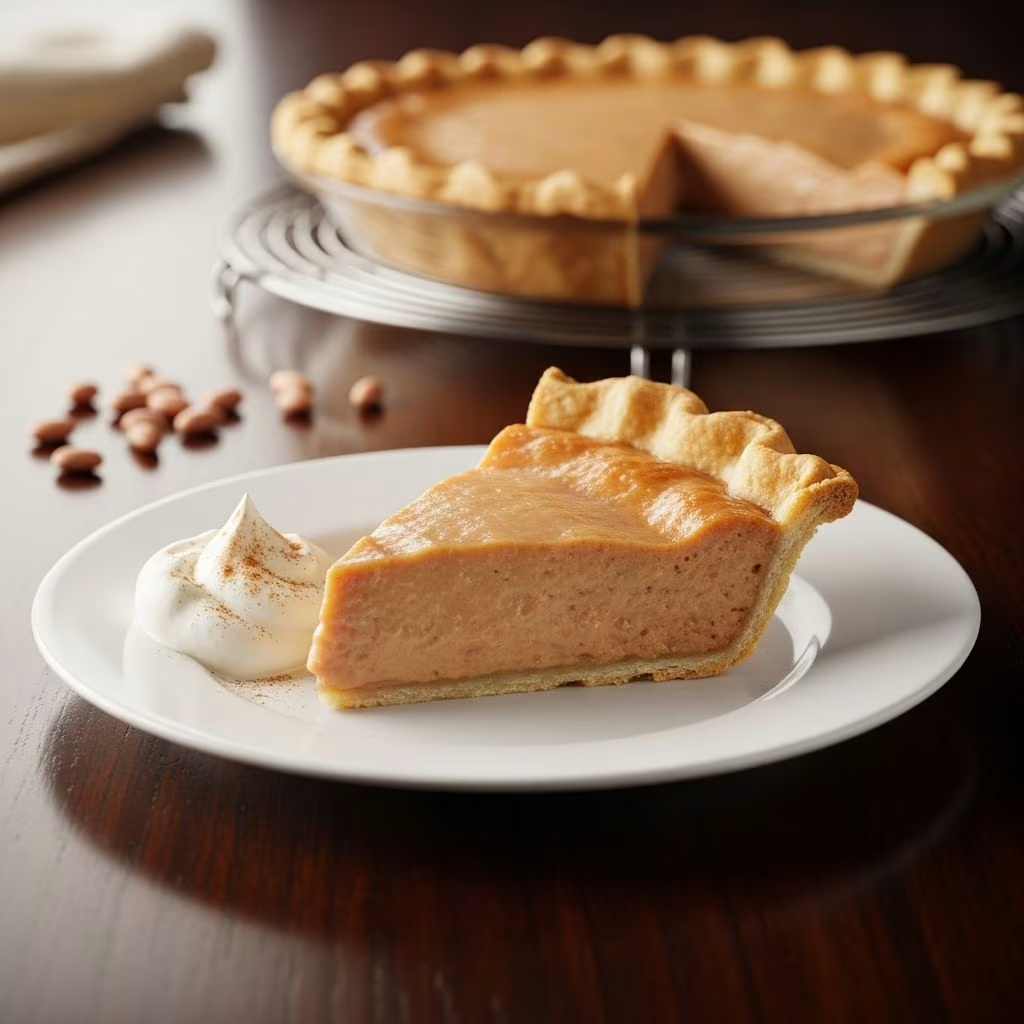
Bean pie stands out in the world of desserts as a unique creation that challenges conventional sweetness. Crafted primarily from navy beans, this pie delivers a smooth, custard-like consistency reminiscent of pumpkin or sweet potato pie, yet it brings its own distinctive profile. Far from being just another novelty, bean pie has earned a dedicated following for its ability to blend nutrition with indulgence. Whether you’re aiming to cut refined sugars or explore global dessert traditions, this pie offers a compelling option that’s both satisfying and smart.
The Origins and Cultural Journey of Bean Pie
Bean pie traces its roots to African American Muslim communities in the United States, where it emerged as a resourceful dessert during the mid-20th century. Influenced by Islamic dietary practices that favor wholesome ingredients, innovators substituted affordable navy beans for pricier fillings like eggs or cream. This adaptation not only stretched budgets but also aligned with health-focused eating. Over decades, it spread through family recipes and community gatherings, evolving from a practical choice into a symbol of culinary ingenuity.
Today, bean pie enjoys broader appeal, appearing in bakeries, potlucks, and even upscale menus. Its rise coincides with growing interest in plant-based desserts, making it a bridge between tradition and modern wellness trends. Unlike flash-in-the-pan fads, bean pie’s endurance speaks to its timeless appeal—simple ingredients yielding complex flavors.
Why Beans Make the Perfect Pie Filling
Navy beans, small and white, boast a neutral taste that absorbs spices and sweeteners beautifully. When cooked until tender and pureed, they mimic the creamy body of custard without dairy or eggs. This transformation relies on the beans’ natural starch content, which thickens naturally during blending.
- Texture Mastery: Blending yields a lump-free puree, essential for that signature silkiness.
- Flavor Flexibility: Cinnamon, nutmeg, and vanilla elevate the mild base into something aromatic and warm.
- Stability: Bean pies hold shape well, resisting cracks common in egg-based fillings.
From a scientific angle, the high fiber and protein in beans create a stable emulsion, preventing separation during baking. This makes bean pie forgiving for novice bakers while rewarding experts with professional results.
Nutritional Edge: Health Benefits Unveiled
Bean pie shines in nutrition, packing more fiber, protein, and minerals than many desserts. A single slice delivers sustained energy without blood sugar spikes, thanks to the low glycemic index of navy beans.1 Compare it to pumpkin pie: bean versions often have half the calories and triple the protein.
| Nutrient (per slice) | Bean Pie | Pumpkin Pie |
|---|---|---|
| Calories | 250 | 320 |
| Protein (g) | 8 | 4 |
| Fiber (g) | 5 | 2 |
| Sugar (g) | 15 | 25 |
These stats position bean pie as a diabetic-friendly treat, supported by USDA data on legume benefits.2 It’s also rich in iron and folate, aiding everything from energy levels to digestion.
Essential Ingredients for Authentic Bean Pie
Gathering the right components ensures success. Start with dried navy beans for purity, though canned work in pinches.
- Beans: 1 lb dried navy beans (yields about 3 cups cooked).
- Sweetener: 1-1.5 cups sugar or alternatives like coconut sugar.
- Spices: 1 tsp cinnamon, ½ tsp nutmeg, pinch of cloves.
- Dairy/Alt: 2 cups evaporated milk or plant-based milk + 2 tbsp butter.
- Essentials: 2 eggs (optional for binding), 1 tsp vanilla, lemon juice for brightness.
- Crust: Store-bought or homemade pie dough.
Proportions can adjust for sweetness preference, but balance prevents cloying results.
Mastering the Step-by-Step Bean Pie Recipe
Preparation divides into cooking beans, pureeing filling, and baking. Total time: 1.5 hours active + overnight soak.
Phase 1: Prep the Beans
Rinse and soak beans overnight. Drain, then simmer in water with a bay leaf for 1-1.5 hours until fork-tender. Drain excess liquid—this controls moisture.
Phase 2: Create the Filling
Blend 3 cups beans with milk, sugar, spices, eggs, vanilla, and 1 tbsp lemon juice until velvety. Taste and tweak seasoning. A high-speed blender or food processor is key; strain if needed for ultra-smoothness.
Phase 3: Assemble and Bake
Preheat oven to 350°F. Fit dough into a 9-inch pie pan. Pour filling, bake 50-60 minutes until center jiggles slightly. Cool completely—patience yields clean slices.
Yield: 8 servings. Store refrigerated up to 5 days.
Creative Variations to Elevate Your Bean Pie
Experiment beyond basics for excitement.
- Chocolate Bean Pie: Add ½ cup cocoa and extra sugar for a fudgy twist.
- Coconut Version: Swap milk for coconut, top with toasted flakes.
- Spice Boost: Infuse with cardamom or ginger for exotic flair.
- Vegan Adapt: Use flax eggs and oat milk; holds up beautifully.
- Mini Pies: Tart pans for portion control at parties.
Troubleshooting Common Bean Pie Pitfalls
Issues arise, but fixes are straightforward:
| Problem | Cause | Solution |
|---|---|---|
| Grainy texture | Under-blended beans | Blend longer or strain puree |
| Runny filling | Excess bean liquid | Drain thoroughly pre-blend |
| Cracked top | Overbaking | Cover edges, check at 50 min |
| Bland taste | Mild spices | Increase by 25%, add salt |
Humidity affects baking; adjust time accordingly.
Pairing and Serving Suggestions
Bean pie versatility shines in pairings. Serve chilled with whipped cream or Greek yogurt for contrast. Hot, it pairs with coffee or chai. For holidays, alongside fruit salads or nut brittles. Portion creatively: crumble over ice cream or layer in parfaits.
Frequently Asked Questions (FAQs)
Can I use canned beans for bean pie?
Yes, but rinse well and reduce milk to avoid soupiness. Simmer briefly for better flavor integration.
Is bean pie gluten-free?
The filling is naturally gluten-free; opt for GF crust.
How long does bean pie last?
Up to 5 days refrigerated; freeze slices for 2 months.
What’s the best bean type?
Navy beans for creaminess; great northern as substitute.
Can I make it sugar-free?
Absolutely—use stevia or monk fruit, adjust liquid.
Bean Pie in Modern Kitchens and Beyond
As plant-forward eating surges, bean pie positions itself as a frontrunner. Cafes experiment with savory-sweet hybrids, while home cooks share viral twists online. Its low cost—under $10 for a pie—democratizes gourmet dessert. Nutrition experts praise its profile, with studies affirming legumes’ role in heart health and weight management.3
Embrace bean pie not just for taste, but for what it represents: resourcefulness, health, and joy in every bite. Next baking session, let beans steal the show.
References
- Legumes and Human Nutrition — Food and Agriculture Organization (FAO). 2022-06-15. https://www.fao.org/3/cc2218en/cc2218en.pdf
- National Nutrient Database for Standard Reference — United States Department of Agriculture (USDA). 2023-09-01. https://fdc.nal.usda.gov/
- Dietary Guidelines for Americans, 2020-2025 — U.S. Department of Health and Human Services / USDA. 2020-12-01. https://www.dietaryguidelines.gov/sites/default/files/2020-12/Dietary_Guidelines_for_Americans_2020-2025.pdf
- Beans and Health Benefits — Harvard T.H. Chan School of Public Health. 2024-03-10. https://www.hsph.harvard.edu/nutritionsource/legumes-pulses/