Bay leaves have long been a staple in kitchens worldwide, tucked into simmering pots to elevate simple dishes. Derived from the evergreen bay laurel tree, these aromatic leaves contribute more than subtle depth to meals—they may hold untapped potential for wellness. This exploration delves into their origins, kitchen applications, possible physiological effects, and safe handling practices, drawing from traditional wisdom and preliminary studies.
Origins and Botanical Profile
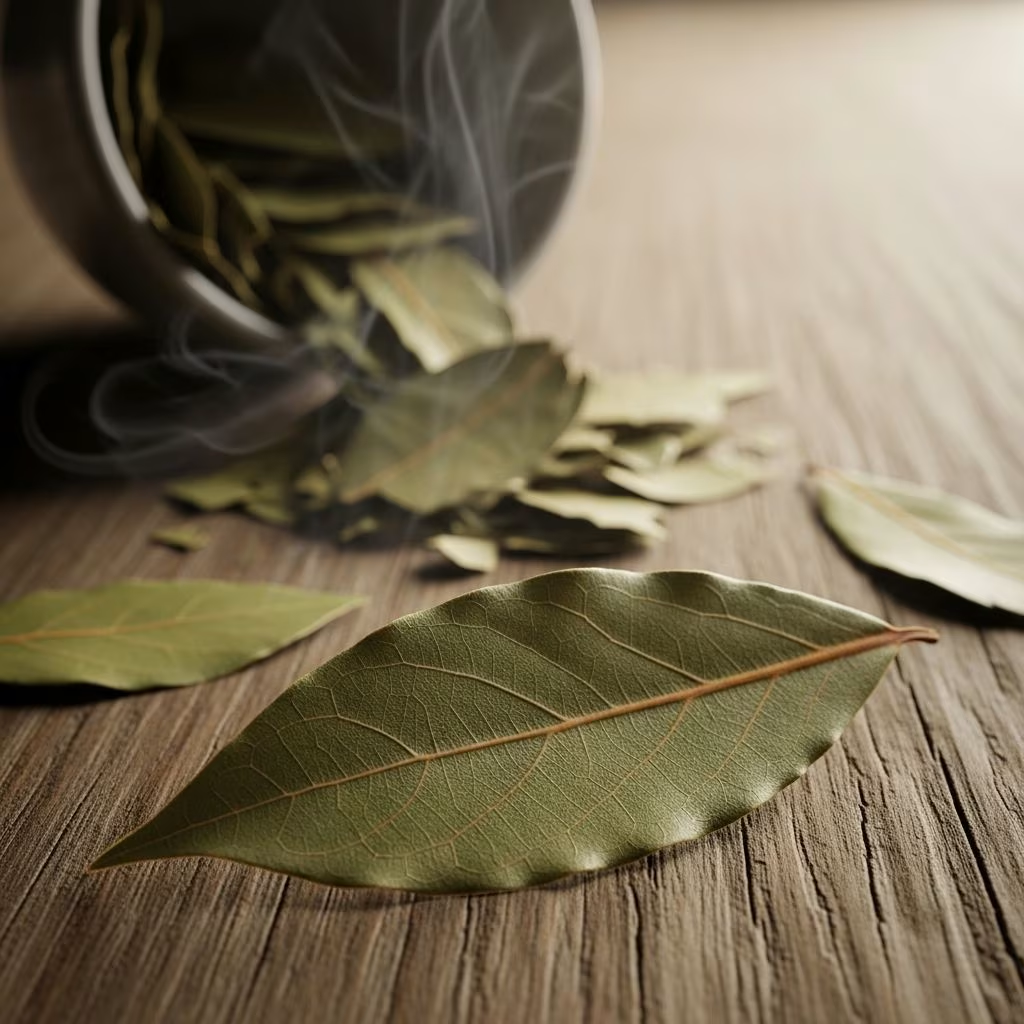
The bay leaf comes from Laurus nobilis, a Mediterranean native that thrives in warm climates. Its leathery, oval-shaped leaves contain essential oils like cineole, linalool, and eugenol, responsible for the herb’s distinctive earthy, slightly floral aroma. These compounds not only define its taste profile but also underpin many attributed health properties. Historically, ancient Greeks crowned victors with bay wreaths, believing the plant conferred strength and clarity. Today, it’s cultivated globally, with dried leaves most commonly available in stores.
Fresh bay leaves offer brighter notes, while drying concentrates flavors, making them ideal for long-cooking recipes. Nutritionally, bay leaves provide vitamins A, C, B6, and minerals such as potassium, iron, calcium, and magnesium, adding a low-calorie boost to diets.
Essential Role in Culinary Mastery
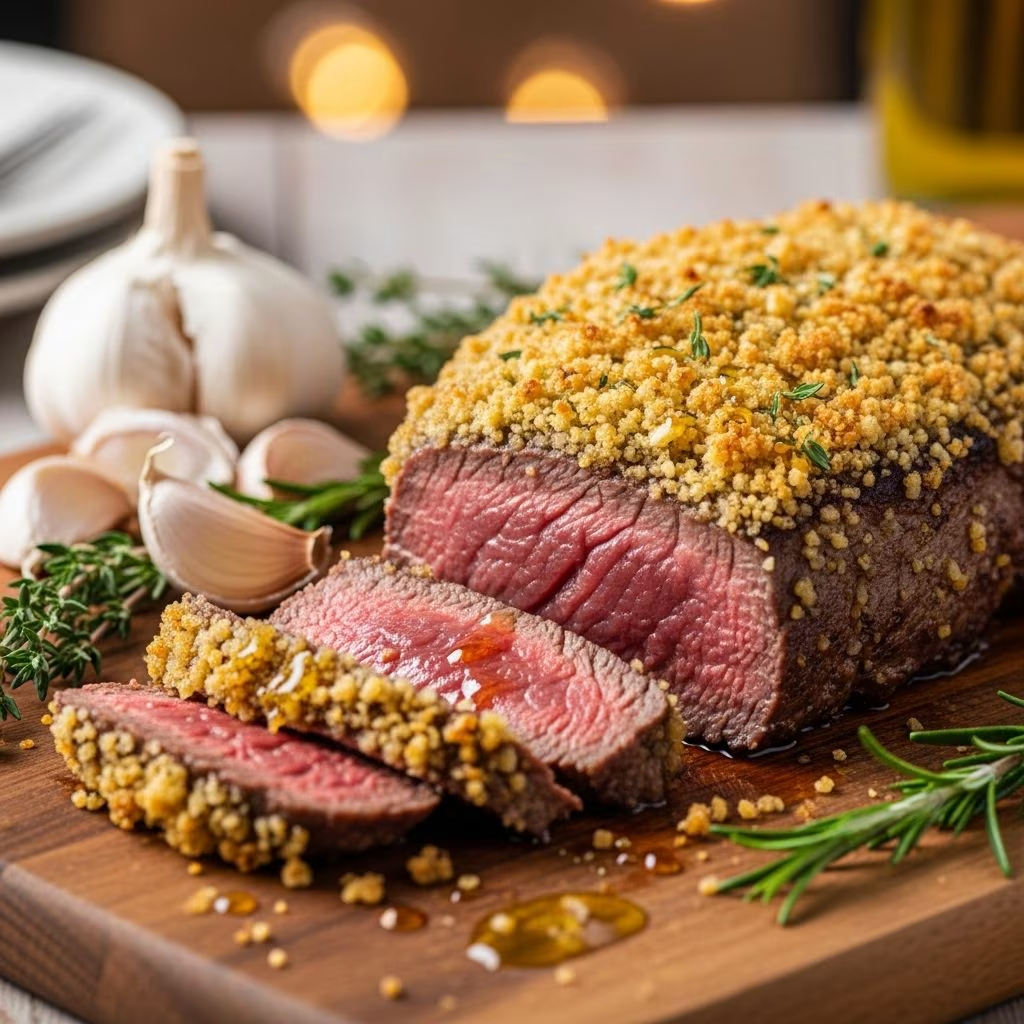
In cooking, bay leaves act as a flavor backbone, releasing savory notes slowly over heat. They pair seamlessly with proteins, vegetables, and grains, infusing dishes without overpowering other ingredients.
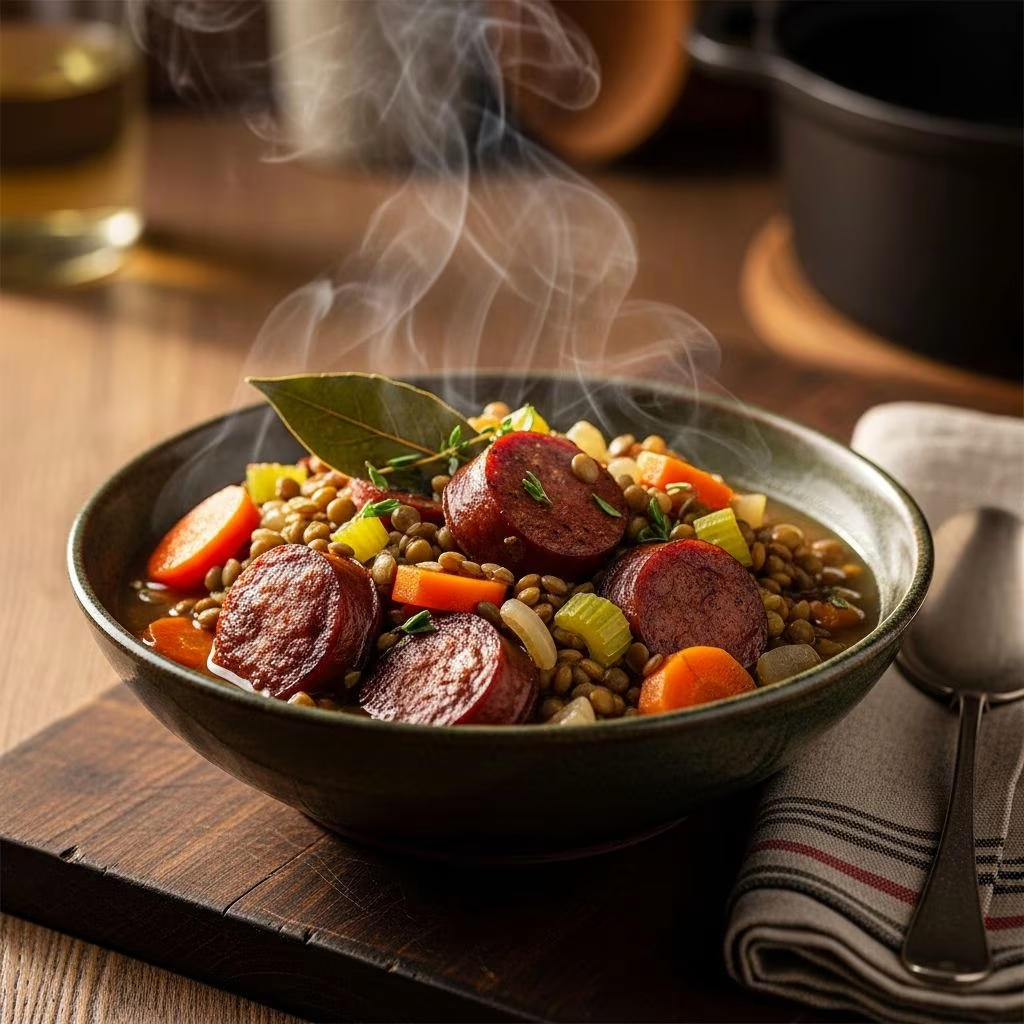
- Soups and Stews: Add 1-2 leaves to broths for umami depth that develops during hours of simmering.
- Sauces and Braises: Essential in tomato-based sauces or red wine reductions for meat dishes.
- Rice and Grains: Toss into pilafs or risotto for subtle complexity.
- Pickling and Marinades: Imparts a unique tang to preserved vegetables and brines.
Avoid grinding them into powder, as their oils shine best when left whole and removed before serving. Whole leaves ensure even flavor distribution and prevent tough, indigestible bits in finished meals.
| Dish Type | Bay Leaf Quantity | Steeping Time | Best Pairings |
|---|---|---|---|
| Soup/Stew | 1-2 leaves | 30-60 min | Beef, beans, root veggies |
| Sauce | 1 leaf | 20-45 min | Tomato, garlic, herbs |
| Rice | 1 leaf | 15-20 min | Onion, broth, spices |
| Pickles | 1 per jar | Overnight | Vinegar, dill, mustard seed |
Potential Impacts on Digestion
Bay leaves have been prized for gastrointestinal support in folk medicine. Their tannins and essential oils may stimulate digestive enzymes, easing bloating, cramps, and indigestion. Antispasmodic qualities could relax intestinal muscles, while astringent tannins help firm stools during diarrhea. Studies note compounds that boost gastric mucus production, protecting the stomach lining from irritation.
As a mild diuretic, bay leaf tea might promote gentle detoxification by increasing urine output, aiding water retention relief. Traditional preparations involve steeping leaves in hot water post-meal for soothing effects.
Effects on Blood Sugar and Lipids
Emerging research suggests bay leaves influence metabolic health. Polyphenols and cineole may lower LDL cholesterol and triglycerides while elevating HDL, potentially reducing cardiovascular risks. Animal and lab studies show blood sugar modulation, with extracts protecting liver cells from insulin resistance and oxidative stress.
These effects stem from antioxidants that combat free radicals, though human trials remain limited. Incorporating bay leaves into daily cooking could complement dietary strategies for metabolic balance, but not replace medical advice.
Respiratory and Immune Support
The expectorant properties of bay leaves help loosen mucus, easing congestion from colds, flu, or bronchitis. Antibacterial essential oils target pathogens like E. coli and Staphylococcus aureus, supporting respiratory and urinary tract health.
Immune modulation comes from flavonoids that foster beneficial gut bacteria like Lactobacillus, enhancing overall defenses. Antioxidants shield cells, while anti-inflammatory actions reduce infection-related swelling.
Anti-Inflammatory and Pain Relief Potential
Compounds such as eugenol and myrcene offer anti-inflammatory benefits, possibly alleviating arthritis pain, sprains, or headaches. Traditional poultices apply crushed leaves topically for rheumatism or bruises. Linalool promotes central nervous system relaxation, combating stress and anxiety.
Preliminary lab work indicates cancer cell growth inhibition, but human evidence is insufficient.
Practical Ways to Harness Bay Leaves
Beyond cooking, bay leaves feature in herbal remedies:
- Tea: Simmer 2-3 leaves in boiling water for 10 minutes; strain and sip for digestion or calm.
- Infusions: Add to vinegars or oils for salad dressings with health perks.
- Poultices: Crush fresh leaves for topical anti-inflammatory applications.
- Aromatherapy: Burn or diffuse oils for respiratory relief.
Start with small amounts to gauge tolerance.
Navigating Safety and Limitations
Bay leaves are generally safe in culinary doses, but whole leaves pose choking hazards if ingested—always remove before eating. High amounts may cause nausea or allergic reactions in sensitive individuals. Pregnant or nursing people should consult professionals due to limited safety data. Chemicals might interact with blood sugar or cholesterol medications.
WebMD notes insufficient evidence for most therapeutic claims, emphasizing more human research needs. Bay leaves support, not supplant, balanced diets and medical care.
Frequently Asked Questions
Are bay leaves edible whole?
No, remove them post-cooking; they’re tough and sharp.
Can bay leaf tea help with sleep?
Relaxing compounds like linalool may promote calm, aiding rest.
California vs. True Bay Leaves?
True Laurus nobilis is culinary standard; others like California bay are stronger, use sparingly.
How long do bay leaves last?
Store in airtight containers up to 1 year; replace if aroma fades.
Can they repel insects?
Aromas may deter pantry pests when placed in storage areas.
References
- Bay Leaf Benefits: 11 Health Effects & How to Use — Tua Saúde. 2024. https://www.tuasaude.com/en/bay-leaf/
- Bay Leaf: Aromatic Herb with Amazing Health Benefits — Nourish Cooking Co. 2024. https://nourishcookingco.com/blogs/blog/bay-leaf-the-aromatic-herb-with-incredible-benefits
- Bay Leaf — PMC (National Library of Medicine). 2020-04-07. https://pmc.ncbi.nlm.nih.gov/articles/PMC7152419/
- The Benefits of Drinking Bay Leaf Tea — Flushing Hospital. 2024. https://flushinghospital.org/newsletter/the-benefits-of-drinking-bay-leaf-tea/
- 5 Possible Uses for the Bay Leaf — Healthline. 2024-09-30. https://www.healthline.com/health/5-possible-uses-for-bay-leaf
- Bay Leaf – Uses, Side Effects, and More — WebMD. 2024. https://www.webmd.com/vitamins/ai/ingredientmono-685/bay-leaf
- What Are Bay Leaves, Recipes & How To Use — McCormick. 2024. https://www.mccormick.com/blogs/how-to/about-bay-leaves-uses-pairings-and-recipes