Chicken wings have become a beloved appetizer and main course staple, appreciated for their versatility and ability to shine with bold flavor combinations. When combined with the bright acidity of fresh lemon, the warmth of cracked pepper, and the subtle earthiness of artichoke hearts, wings transform into something truly memorable. This comprehensive guide walks you through everything you need to know to prepare this sophisticated yet approachable dish in your own kitchen.
Understanding the Flavor Profile
The beauty of lemon pepper artichoke wings lies in the interplay of complementary flavors. Lemon provides brightness and acidity that cuts through the richness of chicken skin, while cracked black pepper adds subtle heat and complexity. Artichoke hearts contribute a tender, slightly nutty dimension that elevates these wings beyond typical preparations. Together, these elements create a Mediterranean-inspired dish that feels restaurant-worthy despite being entirely manageable for home cooks.
The combination draws inspiration from classic Mediterranean cuisine, where citrus, herbs, and vegetables form the foundation of many beloved dishes. By applying these time-tested flavor principles to chicken wings, you create something familiar yet innovative.
Essential Ingredients and Their Roles
Success with this recipe begins with understanding each ingredient’s purpose:
- Chicken wings: Use about 3 to 3.5 pounds of fresh wings, either drumettes or flats, ensuring they’re pat dry before cooking for optimal crispness
- Fresh lemon juice: The juice of 2 to 3 lemons provides bright acidity; avoid bottled juice for superior flavor complexity
- Black pepper: Freshly cracked pepper delivers more potent flavor than pre-ground varieties
- High-heat oil: Choose oils with high smoke points such as avocado oil or grapeseed oil rather than olive oil for baking
- Artichoke hearts: Select high-quality jarred or frozen artichoke hearts, roughly chopped for even distribution
- Garlic: Fresh minced garlic adds aromatic depth to the seasoning mixture
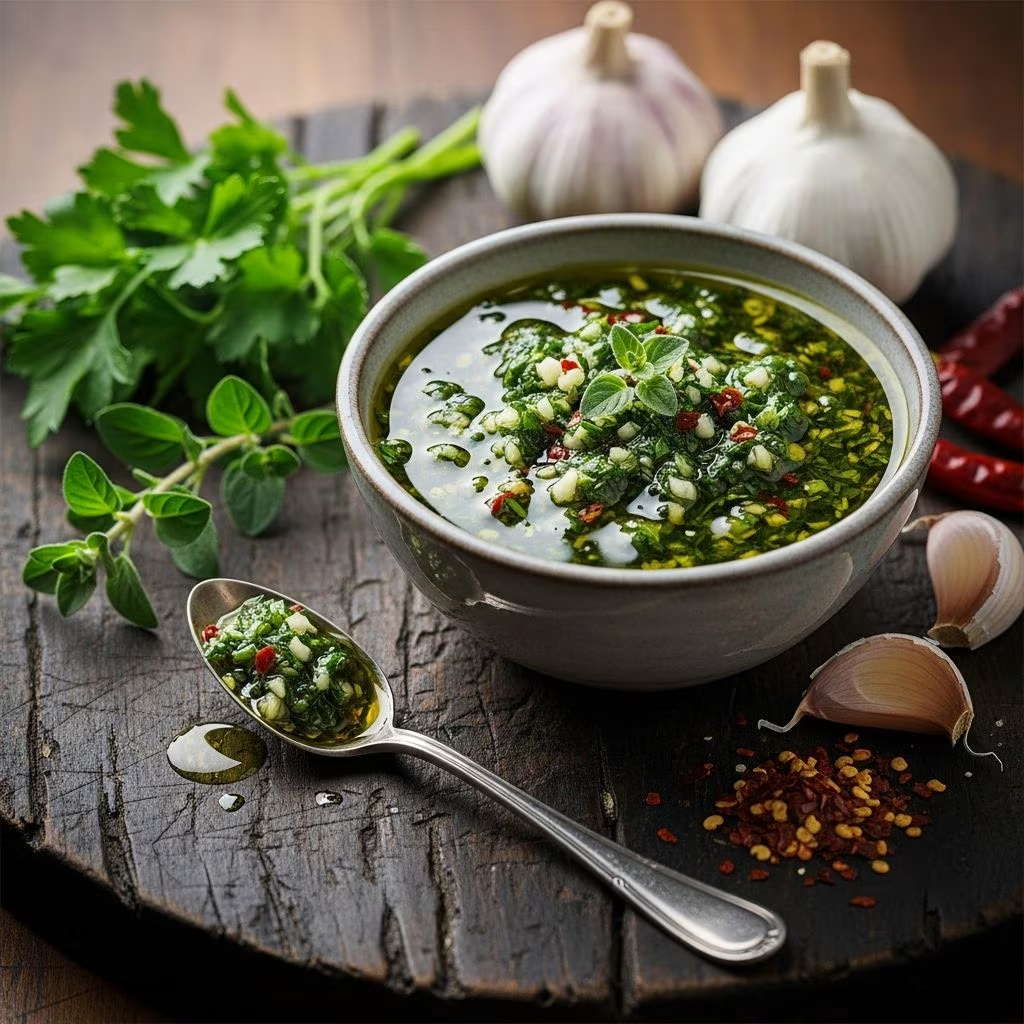
- Fresh herbs: Parsley, thyme, or oregano complement the Mediterranean flavor profile
Preparation Techniques for Maximum Crispiness
The foundation of exceptional wings rests on proper preparation. Begin by patting your chicken wings thoroughly dry with paper towels. Moisture is the enemy of crispy skin, so this step deserves extra attention. Any remaining liquid will convert to steam during cooking, preventing the skin from developing that desirable golden-brown exterior.
Next, arrange your wings on a baking sheet fitted with a wire cooling rack. This elevated positioning allows hot air to circulate completely around each piece, ensuring even cooking and browning on all sides. If you lack a cooling rack, you can still achieve good results by spacing wings generously on your baking sheet, but the rack method truly optimizes crispiness.
Before cooking, toss your wings with your chosen high-heat oil and season generously with your lemon pepper mixture. The oil should lightly coat each piece, enhancing browning and helping seasonings adhere to the skin. Don’t be timid with seasoning at this stage—the bold flavors are essential to the dish’s success.
Cooking Methods and Temperature Control
Baking remains the most practical method for home cooks preparing larger quantities of wings. Preheat your oven to 400 degrees Fahrenheit. This temperature provides the ideal balance between cooking the meat through and developing crispy, golden skin without burning.
Place your seasoned wings on the prepared rack and bake for 45 minutes. During this initial cooking phase, avoid opening the oven door frequently, as this disrupts the consistent temperature necessary for even cooking. After 45 minutes, the wings should be cooked through and beginning to crisp.
For those seeking even crispier results, increase your oven temperature to 425 degrees Fahrenheit for the final 5 to 10 minutes of cooking. This high-heat finish encourages additional browning and crackling of the skin.
Creating the Lemon Pepper Artichoke Glaze
While the wings cook, prepare your glaze to enhance flavors during the final stages. Combine melted butter or additional high-heat oil with fresh lemon juice, minced garlic, cracked black pepper, and chopped artichoke hearts in a small saucepan. Heat gently over low heat, allowing the flavors to meld for 3 to 5 minutes. The artichoke hearts will soften slightly and release their subtle flavors into the glaze.
For a more herbaceous glaze, incorporate fresh thyme or oregano, which complements both the lemon and artichoke elements. If you prefer a thicker consistency, whisk in a teaspoon of cornstarch mixed with cold water to create a light slurry, whisking it into the warm glaze until it coats the back of a spoon.
Finishing and Serving Techniques
Remove the cooked wings from the oven and transfer them to a serving platter lined with paper towels to absorb excess oil. While still warm, dip each wing into your prepared glaze or toss the entire batch in a large bowl for even coating.
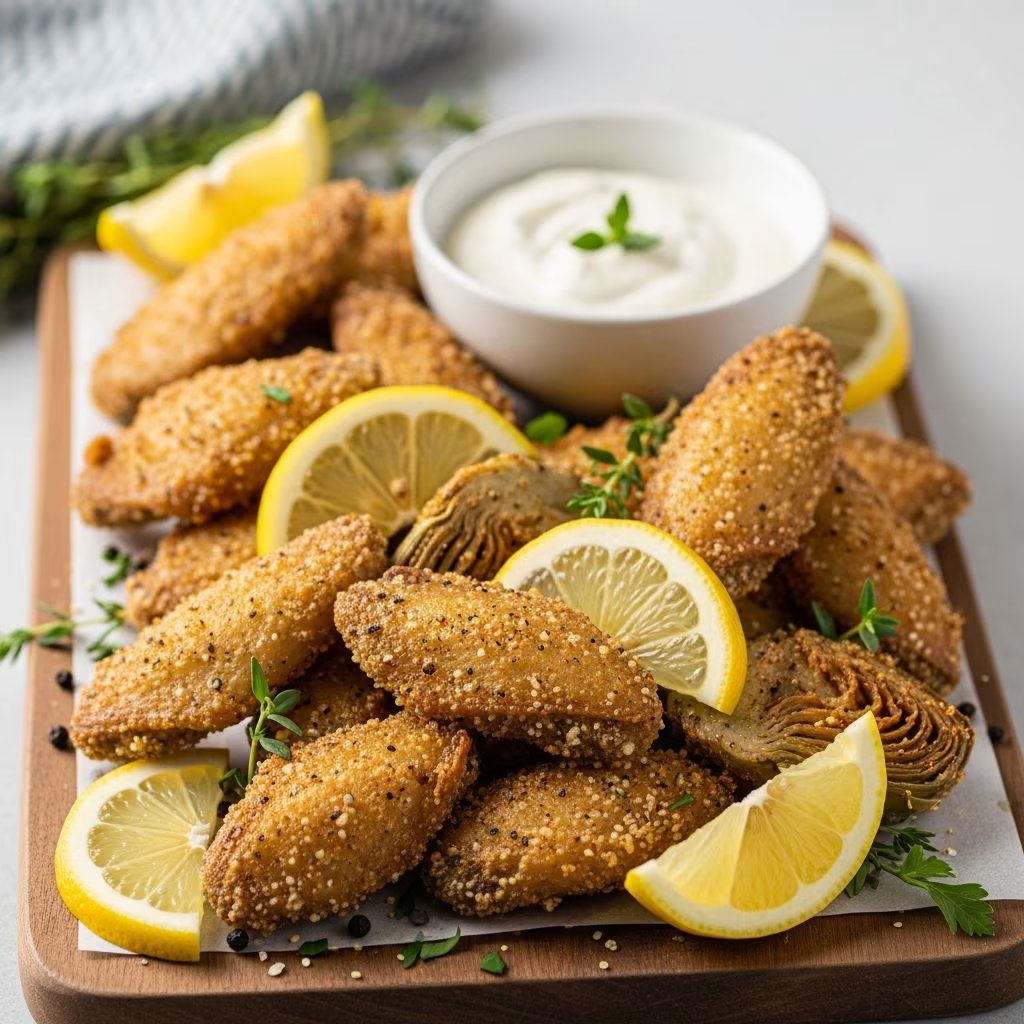
Arrange the glazed wings on a serving platter and garnish with fresh lemon wedges, additional artichoke hearts, and a sprinkle of fresh herbs. The bright green parsley contrasts beautifully with the golden wings and adds a fresh element that complements the rich glaze.
Ingredient Quality and Sourcing
| Ingredient | Quality Considerations | Best Options |
|---|---|---|
| Chicken Wings | Freshness impacts flavor and texture; look for pale pink color and minimal freezer burn if frozen | Fresh from local butchers or high-quality frozen from reputable suppliers |
| Lemon | Firm lemons with thin skin yield more juice; room temperature lemons release juice more easily | Fresh Meyer lemons or conventional lemons from produce sections |
| Cooking Oil | Must withstand 400+ degree temperatures without smoking or breaking down | Avocado oil, grapeseed oil, or refined coconut oil |
| Artichoke Hearts | Canned or jarred varieties work well; frozen require thawing; avoid heavily marinated versions for control over final flavor | Plain canned or frozen artichoke hearts in water or light brine |
Scaling and Storage Considerations
This recipe easily scales to accommodate different party sizes. For smaller gatherings, reduce all quantities by half or a third, maintaining the same cooking times and temperatures. For large events, prepare multiple batches rather than overcrowding your baking sheet, which compromises air circulation and results in uneven cooking.
Uncooked wings in their marinade will keep refrigerated for up to 24 hours before cooking. Cooked wings are best consumed immediately while the coating remains crispy, though they can be refrigerated for up to 3 days. Reheat gently in a 300-degree oven for 10 minutes to restore some crispiness without drying out the meat.
Flavor Variations and Customizations
The base recipe adapts beautifully to personal preferences and dietary restrictions. For those seeking additional heat, incorporate red pepper flakes, cayenne pepper, or hot sauce into your glaze. Conversely, reduce or eliminate black pepper for milder palates.
A honey lemon pepper variation adds subtle sweetness that balances the tartness of lemon. Whisk a tablespoon of honey into your warm glaze, allowing it to dissolve completely before coating the wings. This version appeals to those who prefer slightly sweeter applications.
For a garlic-forward version, increase minced fresh garlic from the standard 5 cloves to 8 to 10 cloves, or add garlic powder to your dry seasoning mixture. Garlic pairs naturally with both lemon and artichoke, intensifying the Mediterranean character of the dish.
Complementary Side Dishes and Pairings
Lemon pepper artichoke wings pair well with cooling components that balance their richness. Serve alongside creamy dips such as ranch dressing, Greek yogurt-based sauces, or hummus. Fresh vegetable platters featuring crisp celery, carrot sticks, and bell pepper strips provide textural contrast and lightness.
For dipping sauces, consider a lemon herb aioli made by whisking lemon juice and minced fresh herbs into mayonnaise, or a simple tzatziki featuring Greek yogurt, cucumber, and dill. These cold, tangy components complement warm, flavorful wings beautifully.
Frequently Asked Questions
Can I use boneless, skinless chicken instead of wings?
While this recipe is specifically designed for bone-in, skin-on wings, you could adapt it for boneless thighs or breasts. Reduce cooking time to 25 to 30 minutes, as boneless pieces cook faster. The result will be less crispy but still flavorful.
What if I don’t have access to fresh artichoke hearts?
Frozen artichoke hearts work excellently when thawed and excess moisture is removed. Canned artichoke hearts in water are equally suitable. Avoid oil-packed varieties unless you drain them thoroughly to control the final dish’s fat content.
How can I make this recipe gluten-free?
The basic preparation is naturally gluten-free when using pure spices and avoiding any flour-based seasonings. If your lemon pepper seasoning blend contains additives, source a certified gluten-free version or make your own.
Can these wings be prepared in advance for a party?
You can prepare the marinade and season the wings several hours ahead, storing them refrigerated. Cook them closer to serving time for optimal crispiness. If necessary, reheat at 300 degrees for 10 minutes before serving.
What’s the best way to store leftover wings?
Store cooled wings in an airtight container in the refrigerator for up to 3 days. Reheat gently in a 300-degree oven rather than microwave to preserve texture. Alternatively, remove the meat from bones and use in grain bowls or salads.
Nutritional Considerations
Chicken wings provide excellent protein content, with approximately 30 grams per 3.5-ounce serving. The skin contains most fat, though it contributes significantly to flavor and texture. Using high-quality oils and avoiding excessive fried preparations keeps the dish relatively balanced.
Lemon and artichoke both offer nutritional benefits. Lemon contributes vitamin C and aids in iron absorption, while artichoke hearts contain fiber and antioxidants. Fresh herbs like parsley add micronutrients and minimal calories.
Mastering the Final Product
Creating restaurant-quality lemon pepper artichoke wings at home comes down to respecting each element’s role in the final dish. Pat wings dry, use adequate heat, don’t overcrowd your pan, and coat generously with your flavorful glaze. These fundamentals, combined with quality ingredients and careful attention to cooking times and temperatures, yield consistently exceptional results.
The Mediterranean-inspired flavors of lemon, pepper, and artichoke elevate simple chicken wings into something worthy of special occasions or casual entertaining. Whether you’re hosting a gathering or preparing a memorable meal for family, this recipe delivers sophisticated flavors with straightforward preparation.
References
- Lemon Pepper Wings (Low Carb & Gluten Free!) — Taste and See. Accessed April 2026. https://tasteandsee.com/lemon-pepper-wings/
- Lemon Pepper Chicken Wings — Real Food with Jessica. Accessed April 2026. https://www.realfoodwithjessica.com/paleo-lemon-pepper-chicken-wings/
- Addictive Perfectly Crispy Lemon Pepper Wings — Grandbaby Cakes. Accessed April 2026. https://grandbaby-cakes.com/lemon-pepper-wings/
- Lemon Pepper Wings (Extra Crispy) — Wholesome Yum. Accessed April 2026. https://www.wholesomeyum.com/lemon-pepper-wings/
- Spicy Artichoke-Harissa Wings — Sysco Foodie. Accessed April 2026. https://foodie.sysco.com/recipes/spicy-artichoke-harissa-wings/