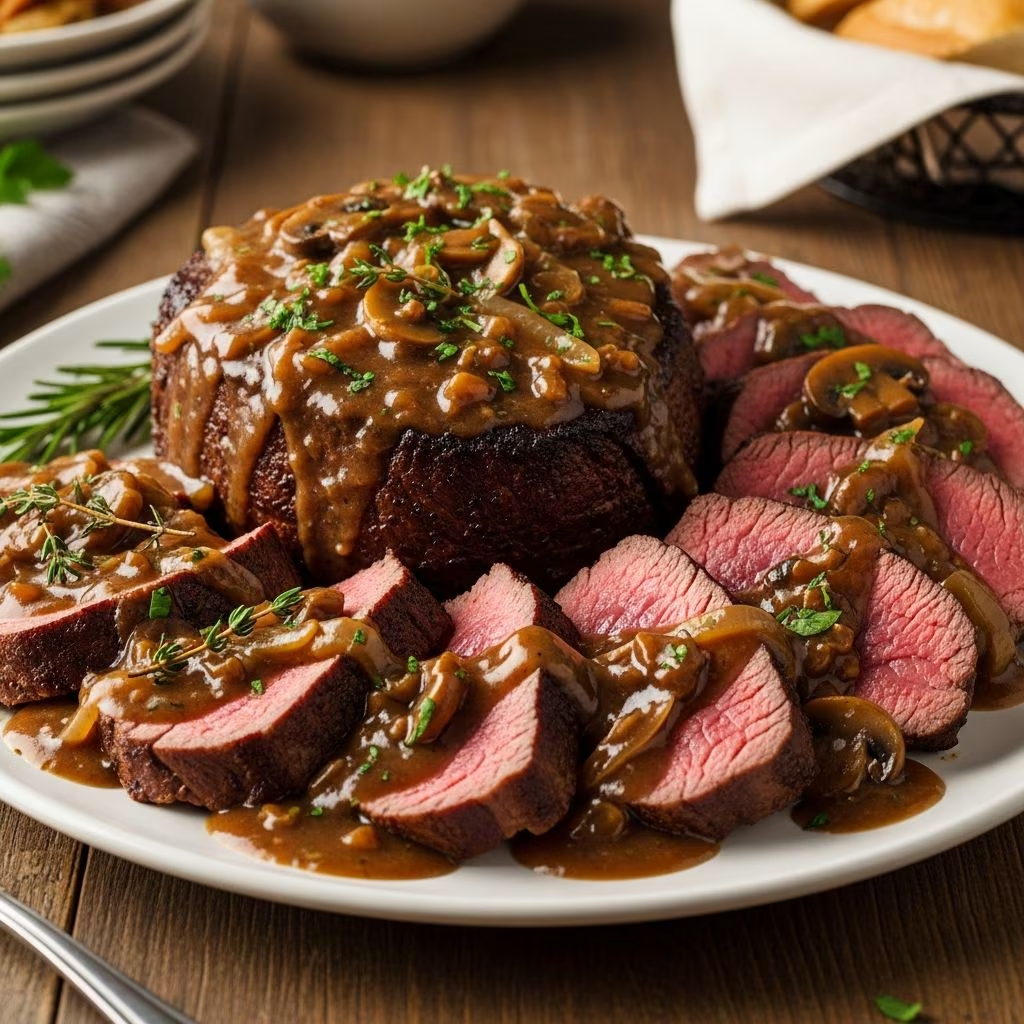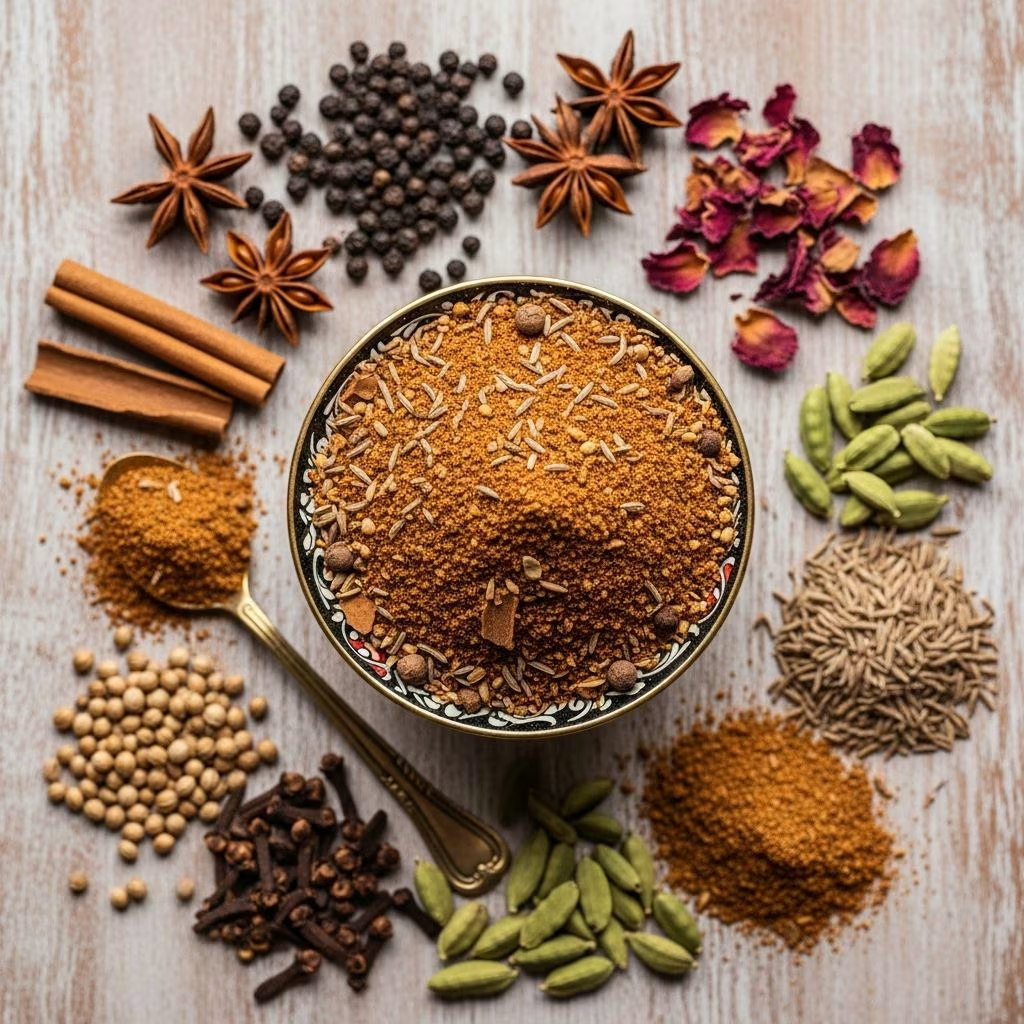
Baharat, often called Arabic 7 Spice, is a warm and aromatic seasoning central to Middle Eastern cooking. This versatile blend combines sweet, earthy, and pungent notes from spices like black pepper, cinnamon, cumin, and cloves, enhancing everything from grilled meats to vegetable stews.
Origins and Cultural Importance
Baharat translates to “spices” in Arabic, reflecting its role as a foundational mix across the Levant, Gulf regions, and North Africa. Variations exist by country—Lebanese versions emphasize allspice and cinnamon, while Saudi blends might include sumac for tanginess—but the core profile remains bold and balanced. Families pass down recipes, adapting ratios to local tastes or availability, making it a staple in home kitchens for festive dishes like kabsa rice or everyday tagines.
Essential Ingredients Breakdown
The beauty of baharat lies in its spice synergy. Common components include:
- Black peppercorns or ground black pepper: Provides sharp heat as the backbone.
- Cumin seeds or ground cumin: Adds earthy depth.
- Coriander seeds or ground coriander: Contributes citrusy brightness.
- Cinnamon (sticks or ground): Brings sweet warmth.
- Cloves (whole or ground): Offers pungent sweetness.
- Allspice (whole or ground): Mimics multiple flavors like cinnamon, nutmeg, and cloves.
- Cardamom (pods or ground): Imparts floral notes.
- Nutmeg (ground): Delivers subtle nuttiness.
- Paprika (sweet or smoked): Gives color and mild smokiness.
Optional additions like sumac, curry powder, or sesame seeds appear in regional twists. Whole spices yield superior freshness when toasted and ground fresh.
Choosing Whole Spices vs. Pre-Ground
| Aspect | Whole Spices | Pre-Ground |
|---|---|---|
| Flavor Intensity | Higher; oils preserved until grinding | Good but fades faster |
| Preparation Time | 10-15 minutes (toasting + grinding) | 2 minutes (mixing) |
| Shelf Life | Up to 1 year if stored properly | 6 months max |
| Best For | Authentic, bold results | Quick weeknight use |
Whole spices toast to release essential oils, intensifying aroma, while ground versions suit beginners.
Step-by-Step Recipe for Authentic Baharat
This balanced recipe makes about 1/4 cup, scalable for larger batches. Use whole spices for best results.
Ingredients (Whole Spices Version)
- 1 tablespoon black peppercorns
- 1 tablespoon cumin seeds
- 2 teaspoons coriander seeds
- 1 teaspoon whole cloves
- 1/2 teaspoon cardamom seeds (from 4-6 pods)
- 1 tablespoon ground allspice
- 1 1/2 tablespoons sweet paprika
- 1 teaspoon ground cinnamon
- 1/4 teaspoon ground nutmeg
Instructions
- Heat a dry skillet over medium heat. Add peppercorns, cumin, coriander, cloves, and cardamom seeds. Toast 3-5 minutes, stirring constantly until fragrant. Avoid burning to prevent bitterness.
- Transfer to a bowl to cool for 5 minutes.
- Grind cooled spices in a spice grinder or coffee mill to a fine powder. Add allspice, paprika, cinnamon, and nutmeg; pulse to combine.
- Sift through a fine mesh for even texture. Store in an airtight glass jar.
Quick Ground Spice Version: Mix 2 tsp each black pepper, allspice, cinnamon, cardamom; 1 tsp each cumin, cloves, nutmeg; 2 tsp curry powder.
Customization Options for Different Regions
Tailor baharat to specific cuisines:
- Lebanese (7 Spice): Equal parts black pepper, paprika, cumin, coriander; half cinnamon, cloves; pinch cardamom, nutmeg.
- Gulf Style: Heavy on allspice, cinnamon; add sumac for citrus.
- Persian-Inspired: Include sesame, caraway, red pepper flakes for heat.
- Smoky Variant: Swap sweet paprika for smoked; boost cumin.
Start with a base ratio of 4:3:3:3 for pepper:coriander:cinnamon:cloves:cumin, adjusting to taste.
Storage and Shelf Life Tips
Freshness is key—store in a cool, dark place in an opaque jar. Whole spice blends last 12 months; ground up to 6. Label with date; refresh by toasting small batches. Freezing in airtight bags extends life up to 2 years without flavor loss. Signs of spoilage: muted aroma or clumping from moisture.
Classic Uses in Middle Eastern Cuisine
Baharat shines in savory applications:
- Grilled Meats: Rub on lamb chops or chicken thighs before grilling for caramelized crust.
- Stews and Tagines: Stir into beef or lentil stews midway for depth.
- Rice Dishes: Season pilafs like mansaf or kabsa.
- Meatballs/Kofta: Mix into ground meat with onions and parsley.
Use 1-2 tsp per pound of meat or pot of stew.
Creative Modern Applications
Extend baharat beyond tradition:
- Sprinkle on roasted vegetables like cauliflower or eggplant.
- Blend into hummus or yogurt dips.
- Enhance burgers, fries, or popcorn.
- Infuse oils for marinades.
- Add to baked goods like spice cakes for exotic twist.
In fusion cooking, pair with roasted root veggies or turkey.
10 Recipe Ideas Featuring Baharat
- Baharat Lamb Kebabs: Marinate cubes overnight; grill with veggies.
- Chicken Shawarma: Dry rub thighs; slow-roast.
- Vegetable Tagine: Simmer chickpeas, carrots, zucchini.
- Baharat Rice Pilaf: Sauté with onions, broth.
- Spiced Meatballs: Bake with tomato sauce.
- Roasted Cauliflower: Toss florets; oven at 425°F.
- Lentil Soup: Boost with 1 tbsp early.
- Eggplant Dip: Char, blend with tahini.
- Beef Stew: Braise short ribs.
- Spice-Rubbed Salmon: Broil fillets.
Common Mistakes and Pro Tips
Avoid these pitfalls:
- Over-toasting: Burns turn bitter; watch closely.
- Uneven Grinding: Coarse blends clump; pulse in batches.
- Stale Spices: Buy from bulk bins for freshness.
Pro tips: Taste as you go; start small in recipes. Scale up for gifts in decorative jars.
Frequently Asked Questions
What is baharat made of?
Typically black pepper, cumin, coriander, cinnamon, cloves, allspice, cardamom, nutmeg, and paprika.
Can I substitute spices in baharat?
Yes; use mixed spice for allspice, extra nutmeg for cloves.
How much baharat per recipe?
1-2 tsp per pound meat; 1 tsp per cup grains.
Is baharat spicy?
Warm from pepper, not fiery; adjust flakes for heat.
Where to buy baharat if not making?
Middle Eastern markets or online; homemade tastes freshest.
Pairing Suggestions
Complement with garlic, onions, lemon, yogurt, or olive oil. Acids balance richness; fresh herbs like mint or parsley brighten.
References
- Homemade Baharat Spice Blend — Hungry Paprikas. 2023-05-15. https://www.hungrypaprikas.com/homemade-baharat-spice-blend/
- Baharat spice blend (Lebanese 7 Spice) — RecipeTin Eats. 2022-11-10. https://www.recipetineats.com/baharat/
- Baharat Spice (Recipe and Uses) + Video — Silk Road Recipes. 2024-01-20. https://silkroadrecipes.com/baharat-spice-blend/
- How to make your own Baharat spice blend — Rumi Spice. 2023-08-05. https://www.rumispice.com/blogs/blog/how-can-i-make-my-own-baharat-spice-blend
- Shortcut Baharat Spice Blend Recipe — Yup, it’s Vegan. 2021-09-12. https://yupitsvegan.com/shortcut-baharat-spice-blend/
- Baharat – The Daring Gourmet — The Daring Gourmet. 2023-03-18. https://www.daringgourmet.com/baharat-middle-eastern-spice-blend/
- Middle Eastern Spice Blend Baharat (Arabic 7 Spice) — Ginger with Spice. 2022-07-22. https://gingerwithspice.com/middle-eastern-spice-blend-baharat/
- Baharat (Middle Eastern Spice Blend) — University of Nebraska-Lincoln Food. 2024-02-14. https://food.unl.edu/recipe/baharat-middle-eastern-spice-blend/
- Baharat (7 spice) + ways to use — Cardamom and Tea. 2020-10-30. https://cardamomandtea.com/312/lebanese-spice-blend/