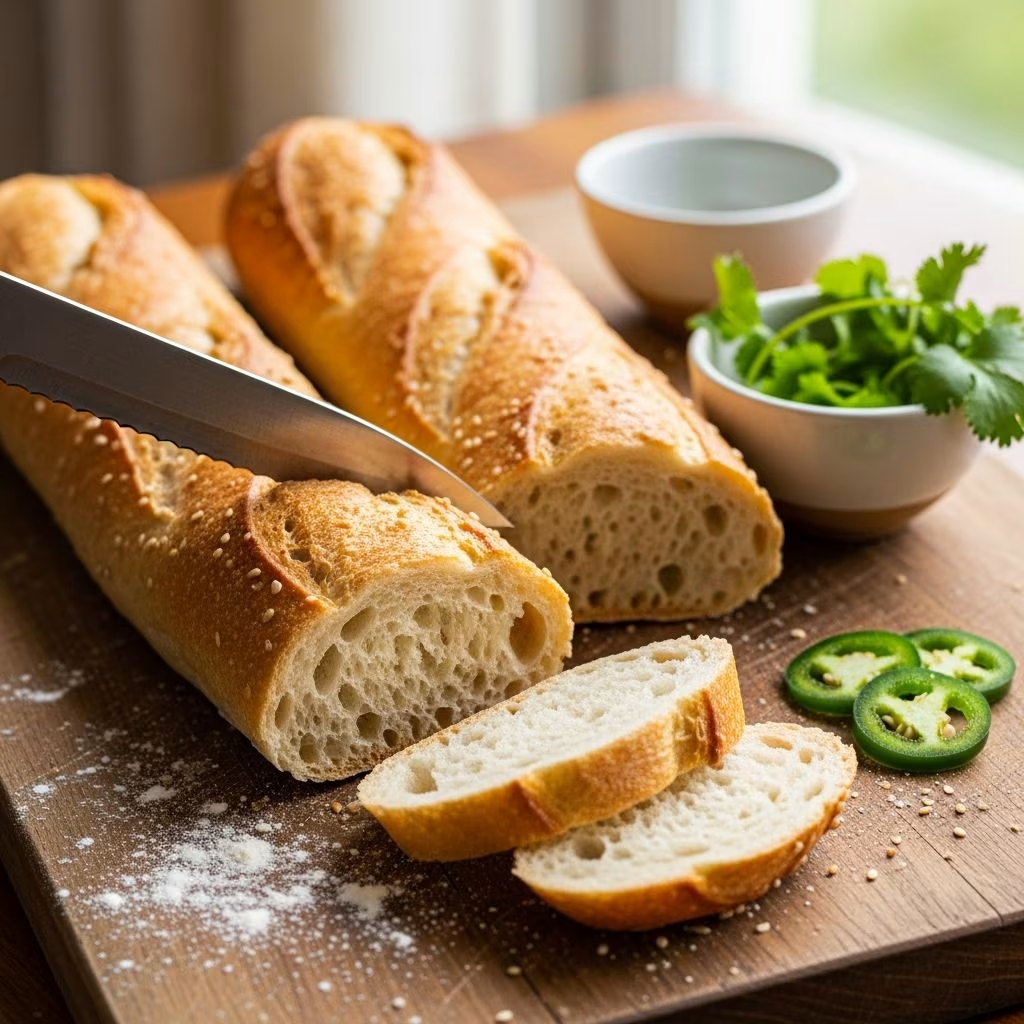
Vietnamese bánh mì bread stands as one of the world’s most distinctive culinary creations, blending French baking traditions with Vietnamese sensibilities. This beloved baguette features a characteristically thin, shatteringly crisp exterior paired with an exceptionally light and airy crumb structure. While bánh mì is commonly known as a sandwich—filled with proteins, pickled vegetables, and creamy spreads—the foundation of this entire culinary experience rests upon the bread itself. Creating authentic bánh mì bread at home requires understanding the precise balance of ingredients, timing, and technique that transforms simple pantry staples into bakery-quality loaves.
The Foundation: Essential Ingredients for Success
The magic of bánh mì bread lies not in exotic or complicated ingredients, but rather in the careful selection and measurement of fundamental components. Unlike many bread recipes that demand numerous additives, bánh mì relies on a minimalist philosophy where each ingredient serves a specific purpose.
Flour: The Backbone of Structure
Bread flour forms the cornerstone of bánh mì dough, and this choice matters significantly. Opt for bread flour containing at least 12% protein content, as this elevated protein level develops the gluten network necessary for creating that distinctive chewy yet airy texture. The high protein content builds structural integrity during mixing and kneading, enabling the dough to trap steam effectively during baking, which produces the characteristic large air pockets throughout the crumb.
Water and Hydration Balance
Water constitutes approximately 50-55% of the dough weight, creating what bakers call the hydration ratio. This relatively high water content distinguishes bánh mì from many Western baguette styles and contributes directly to the bread’s characteristic light, cottony interior. The water activates yeast cells and allows flour particles to fully absorb and hydrate, developing gluten strands more effectively than lower-hydration doughs.
Yeast: The Rising Agent
Instant or active dry yeast serves as the leavening agent, typically measured at approximately 7-8 grams per batch. Yeast cells consume sugars and produce carbon dioxide gas, creating the bubbles that give bánh mì its signature open crumb structure. Proper yeast activation requires warm water between 100-115°F, which awakens the dormant cells without killing them through excessive heat.
Supporting Ingredients
While flour, water, and yeast form the foundation, several supporting ingredients elevate bánh mì from basic bread to something extraordinary:
- Salt: Enhances flavor and controls yeast fermentation rate, typically 8-10 grams per loaf
- Sugar: Feeds yeast during the initial blooming phase, usually 8 grams
- Egg: Acts as a natural dough improver, enriching the dough and contributing to browning
- Butter: Adds richness and contributes to crust color and texture, approximately 25-30 grams
- Dough improver or vitamin C: Optional but recommended, strengthens gluten development and improves volume
The Science Behind the Technique
Yeast Activation and Blooming
The process begins by combining warm water with yeast and sugar, then setting this mixture aside for 5-10 minutes. During this blooming phase, yeast cells rehydrate and become metabolically active, producing visible bubbles and foam on the surface. This visual confirmation ensures the yeast is alive and viable before committing it to the dough. Skipping this step risks incorporating dead yeast and ending with a flat, dense loaf.
The Mixing Process
Bánh mì dough requires thorough mixing to develop the gluten network fully. Using a stand mixer equipped with a dough hook, combine flour and salt first, then incorporate the egg and melted butter. Add the activated yeast mixture and mix on low speed for approximately one minute until ingredients are barely combined. This initial phase prevents over-incorporation of air at the wrong time. Then increase speed to medium and continue mixing for 10 minutes total, until the dough transforms from shaggy and rough into a smooth, elastic mass that pulls cleanly from the bowl sides.
For those mixing by hand, combine all dry ingredients, make a well in the center, and gradually incorporate the wet ingredients while mixing with a sturdy wooden spoon or your hands. Knead on a lightly floured surface for 10-12 minutes, working the dough repeatedly until it becomes smooth and elastic. This extended kneading duration is non-negotiable; it develops sufficient gluten to create the characteristic tender yet structured crumb.
Fermentation: The Patient Art
First Rise Parameters
After mixing completes, transfer the dough to an oiled bowl and cover with a damp cloth or plastic wrap. Allow the dough to rise at room temperature for approximately one hour, or until it has roughly doubled in volume. This bulk fermentation phase allows yeast to produce gas throughout the dough mass, developing flavor compounds through enzymatic action and creating the foundation for the open crumb structure that makes bánh mì distinctive.
Shaping: From Dough to Baguettes
Once the dough has doubled, turn it out onto a lightly floured surface and divide into six equal portions. This quantity typically yields six standard bánh mì baguettes, the traditional serving size. Gently flatten each portion into an oval shape, then fold the long sides toward the center before rolling tightly from top to bottom, creating a cylindrical shape with tapered ends that taper slightly toward each extremity, mimicking traditional baguette proportions.
Proper shaping technique influences the final loaf appearance and crumb structure significantly. Roll firmly enough to create surface tension across the dough, which helps develop an even crumb. The tapered ends emerge through gentle elongation as you roll, creating the signature baguette profile rather than blunt, uniform cylinders.
The Second Rise
Arrange shaped baguettes on a baguette pan or lined baking sheet, maintaining space between each loaf to prevent them from touching during expansion. Cover loosely and allow a 45-minute proof at room temperature. Unlike the first rise, which roughly doubles the volume, the second rise produces modest expansion—typically a 25-50% increase. This controlled second rise prevents over-fermentation and helps maintain the desired crumb structure.
Baking: Creating the Perfect Crust
Oven Preparation
Bánh mì’s signature crackly crust depends critically on steam during the early baking stages. Preheat your oven to 425°F approximately 30 minutes before baking. Approximately 10 minutes before loading loaves, place a metal tray or baking pan filled with hot water on the lower oven rack. This water source generates steam when hot loaves enter the oven, gelatinizing the starch on the dough surface and producing the distinctive crackling exterior.
Scoring and Loading
Before transferring to the oven, score the top of each baguette using a sharp knife or bread lame (specialized scoring tool). A single diagonal slash approximately ¼-inch deep runs the length of each loaf, directing expansion and creating the characteristic split across the baguette top. Using a spray bottle, mist each loaf generously with water immediately before placing in the oven.
The Baking Process
Bake for approximately 22 minutes total, misting the loaves again after 4 minutes of baking. At the 12-minute mark, carefully remove the water tray from the lower rack to prevent continued steam generation, which would soften rather than crisp the crust during the final baking phase. The loaves are done when deep golden brown and hollow-sounding when tapped on the bottom.
Troubleshooting Common Issues
Dense, Heavy Crumb
Dense crumb typically results from insufficient mixing, weak gluten development, or expired yeast. Ensure you’re mixing for the full recommended duration and that your yeast is within its expiration date. Additionally, verify that your flour contains adequate protein—at least 12% is essential.
Flat, Collapsed Loaves
Over-fermentation causes this problem, where yeast has consumed too much sugar and weakened gluten structure before baking. Reduce the first rise duration slightly or lower your room temperature if possible. Additionally, avoid overproofing during the second rise.
Pale, Soft Crust
Insufficient steam is the likely culprit. Ensure your water pan is adequately filled and remains in the oven for the appropriate duration. Additionally, verify that you’re scoring the loaves deeply enough to allow proper expansion and crust development.
Ingredient Comparison Table
| Ingredient | Quantity (grams) | Purpose | Impact on Final Product |
|---|---|---|---|
| Bread Flour | 500 | Primary structure builder | Creates gluten network for chew and lift |
| Water | 270 | Hydration and dough development | Enables light, airy crumb formation |
| Instant Yeast | 7 | Leavening and fermentation | Produces rise and flavor development |
| Salt | 8-10 | Flavor and fermentation control | Regulates yeast activity and taste |
| Egg | 50 | Dough improver and enrichment | Improves texture and crust browning |
| Butter | 25-30 | Flavor and crust development | Adds richness and color |
| Sugar | 8 | Yeast food and fermentation | Initiates rising and enhances browning |
Frequently Asked Questions
Can I make bánh mì bread without a stand mixer?
Yes, absolutely. While a stand mixer simplifies the process, hand-mixing remains entirely feasible. Mix dry ingredients thoroughly, create a well in the center, gradually incorporate wet ingredients, then knead on a floured surface for 10-12 minutes until the dough becomes smooth and elastic. This method requires more physical effort but produces identical results.
What’s the difference between dough improver and vitamin C?
Both strengthen gluten development and improve dough handling properties, but vitamin C (ascorbic acid) is more readily available in most home kitchens. They produce similar results at minimal quantities—typically 1-5 grams—and are entirely optional, though they do enhance final volume and crumb structure.
How long can I store bánh mì bread?
Bánh mì bread is best consumed within 24 hours while the crust remains crisp and the crumb is soft. After cooling completely, store in a paper bag at room temperature to maintain crust crispness. For longer storage, freeze wrapped loaves for up to three months, then refresh by spritzing with water and baking at 350°F for 10-15 minutes before serving.
Why is my bread so dense despite correct mixing?
Dense crumb often indicates weak gluten development or dead yeast. Verify your bread flour contains at least 12% protein, check yeast expiration dates, and ensure water temperature during yeast activation is between 100-115°F. Additionally, some flours behave differently; you may need to adjust hydration slightly based on your specific flour brand.
Can I use all-purpose flour instead of bread flour?
All-purpose flour contains approximately 10-11% protein compared to bread flour’s 12-13%, resulting in slightly less chewy texture and potentially tighter crumb structure. The loaves will still be acceptable but may lack the characteristic lightness and extensibility of traditional bánh mì made with proper bread flour.
Expert Tips for Exceptional Results
- Weigh all ingredients using a kitchen scale rather than measuring cups; volume measurements introduce inconsistency that compounds across multiple loaves
- Use room-temperature eggs; cold eggs can lower dough temperature and slow fermentation
- Maintain consistent room temperature during rises; warm environments accelerate fermentation while cool environments slow it
- Don’t skip the second rise; this creates the final flavor development and proper crumb structure
- Score deeply enough—¼-inch depth minimum—to allow proper expansion and crust development
- Allow baked loaves to cool on a wire rack before slicing; cutting warm bread compresses the crumb
- Generate steam properly; insufficient moisture produces tough, chewy crusts rather than crispy exteriors
Serving and Enjoying Your Bánh Mì
Once your baguettes have cooled slightly, they’re ready for their traditional role as bánh mì sandwiches. The crispy crust provides structural support while the soft interior absorbs accompanying sauces and condiments without disintegrating. Slice lengthwise and fill with proteins like Vietnamese cold cuts, pâté, mayonnaise, cilantro, pickled daikon and carrot, sliced jalapeños, and cucumber. Alternatively, enjoy the warm bread with simply butter and a sprinkle of salt to fully appreciate the textural contrast you’ve worked to achieve.
References
- Vietnamese Bánh Mì Baguette Recipe — Vicky Pham. Accessed 2026. https://vickypham.com/blog/vietnamese-banh-mi-baguettes/
- Homemade Vietnamese Baguette (Banh Mi Bread) — Savory Sweet Spoon. Accessed 2026. https://www.savorysweetspoon.com/vietnamese-baguette-banh-mi-bread/
- Authentic Banh Mi Bread (Vietnamese Baguette) — Full of Plants. Accessed 2026. https://fullofplants.com/how-to-make-banh-mi-vietnamese-baguette/
- Crispy & Soft Banh Mi Baguette (Vietnamese Baguette) — Cooking Therapy. Accessed 2026. https://www.cooking-therapy.com/banh-mi-baguette/
- How to Make Vietnamese Baguettes | Banh Mi Bread Recipe — Mary’s Test Kitchen. Accessed 2026. https://www.marystestkitchen.com/how-to-make-vietnamese-baguettes-banh-mi/